Electronic Seal
CN → US商品图片
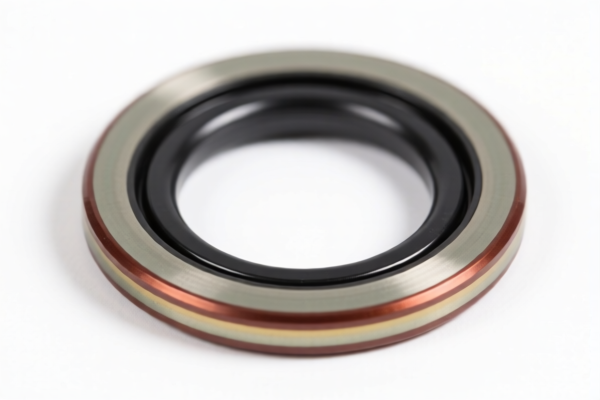
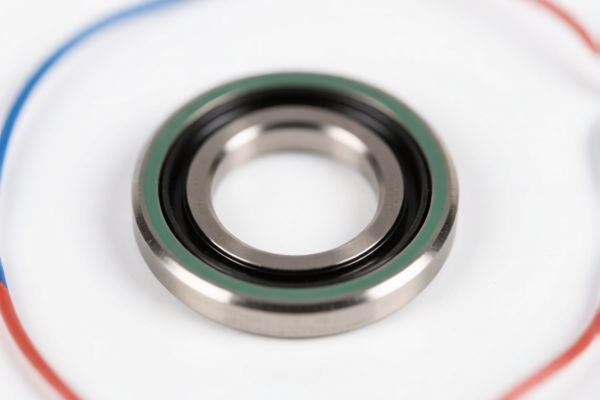
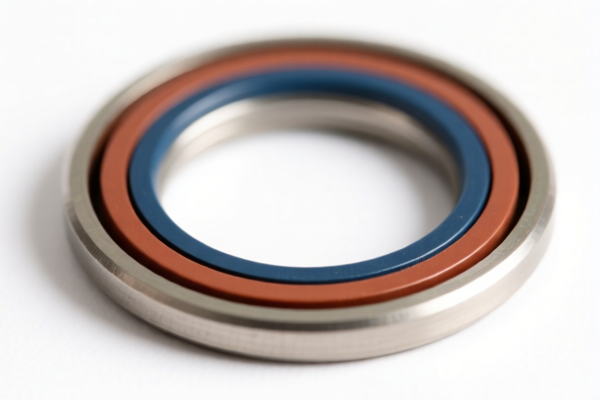
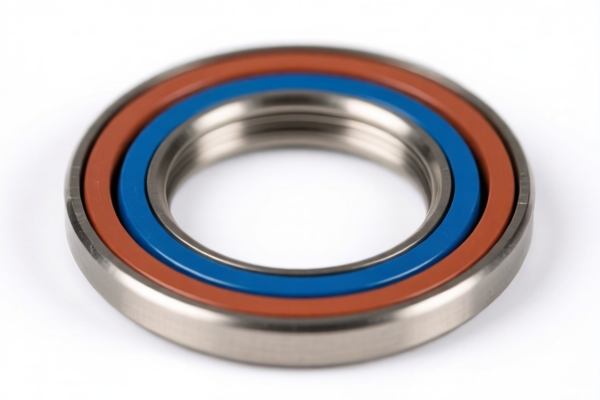
AI分析
🔒 Electronic Seals (Locks, Bars, & Seals)
🌐 HS Code Reference & Customs Clearance Guide | 2026 Latest Tariff Analysis | Professional-Level Strategy
📌 1. Product Definition & Classification: Do You Really Know an "Electronic Seal"?
In international trade, "Electronic Seals" (often referred to as Electronic Locks, Smart Bars, or Digital Seals) are security devices used to secure containers, doors, or assets. They are categorized based on their function, power source, and integration with data transmission systems.
Core Distinction:
- Electronic Container Seals (Smart Seals): Devices used specifically for shipping containers, often with GPS, temperature sensors, and tamper alerts. These are specialized instruments.
- Electronic Door Locks/Access Control: Devices for doors, safes, or cabinets that do not involve data processing machines or complex instrumentation.
⚠️ Key Classification Point:
- If the device is specifically designed for container security and includes data transmission/sensors → It is often classified as an Instrument/Apparatus (Chapter 90).
- If the device is a generic electronic lock for doors/cabinets (no complex data processing) → It is classified under Locks (Chapter 83).
- If the device is a simple mechanical seal with an electronic tag (RFID/NFC) for tracking only (no active processing in the seal) → It may still be considered a Lock/Seal (Chapter 83) or Plastic/Metal Article, depending on composition.
📦 2. HS Code Classification Details (2026 Latest Tariff Authority)
| HS Code | Product Description | Application Scenario | Contains Data Processing? |
|---|---|---|---|
8301.40.40.00 |
Padlocks and lock-cylinders, electrical | General electronic locks, smart door locks, safe locks | ✅ Yes (Electrical) |
8301.90.40.00 |
Other locks, with lock-cylinders | Electronic lock cores, smart lock mechanisms | ✅ Yes |
9032.89.00.80 |
Other automatic regulating or controlling instruments | Smart Container Seals with sensors (temp, humidity, light, tamper), GPS, and data transmission modules | ✅ Yes (Instrument) |
8302.41.00.00 |
Base mountings, fittings and accessories for furniture, doors... | Electronic strike plates, magnetic locks for doors | ✅ Yes |
3926.90.97.00 |
Other articles of plastics | Passive electronic seals (e.g., RFID tags embedded in plastic) without active electronics | ❌ No (Passive) |
🔍 Critical Reminder:
- Smart Container Seals (with active sensors/transmitters) are NOT classified as "locks" but as instruments for controlling or regulating (9032.89.00.80). This is a common customs error.
- Standard Electronic Door Locks (e.g., smart deadbolts) are classified under 8301.40.40.00.
- Simple RFID Tags (no battery, no processing) are often classified under 3926.90.97.00 (plastic articles) or 3917.31.00.00 (tubes/pipes if tubular), depending on form.
💰 3. 2026 Latest Tariff Rate Details (Including Surcharges)
✅ Applicable Country: USA (US)
✅ Country of Origin: China (CN)
✅ Effective Date: November 10, 2025 (and onwards)
🎯 1. 8301.40.40.00 – Padlocks, Electrical (Smart Door Locks)
| Item | Details |
|---|---|
| Base Tariff | 2.7% (ad valorem) |
| USITC Additional Tariff (Section 301) | +25% (Footnote 9903.88.01) |
| IEEPA Additional Tariff | +10% (For Chinese/HK products, from Nov 10, 2025) |
| Total Effective Rate | ~37.7% |
| Calculation | CIF Value × 37.7% |
| De Minimis Exemption? | ❌ No (deny_de_minimis) |
| Legal Basis Path | IEEPA:9903.01.25 → IEEPA:9903.01.24 → USITC:8301.40.40.00 → FOOTNOTE:9903.88.01 |
📌 Explanation:
- Smart door locks and electronic padlocks are subject to the full burden of Section 301 and IEEPA tariffs.
- Total 37.7% is high. Consider duty engineering or supply chain diversification if margins are tight.
🎯 2. 9032.89.00.80 – Automatic Regulating/Controlling Instruments (Smart Container Seals)
| Item | Details |
|---|---|
| Base Tariff | 0% (many instruments are duty-free) |
| USITC Additional Tariff (Section 301) | +25% (Footnote 9903.88.01) |
| IEEPA Additional Tariff | +10% (For Chinese/HK products, from Nov 10, 2025) |
| Total Effective Rate | ~35% |
| Calculation | CIF Value × 35% |
| De Minimis Exemption? | ❌ No (deny_de_minimis) |
| Legal Basis Path | IEEPA:9903.01.25 → IEEPA:9903.01.24 → USITC:9032.89.00.80 → FOOTNOTE:9903.88.01 |
📌 Explanation:
- Even though the base rate is 0%, the 35% total is still significant.
- Key Note: If the seal is purely mechanical with a passive RFID tag (no battery, no active transmission), it may be classified under 8301.90.40.00 (Locks) or 3926.90.97.00 (Plastics), which may have different tariff profiles. Active seals (with GPS/Telemetry) are strictly 9032.89.00.80.
🎯 3. 8301.90.40.00 – Other Locks, Electrical (Lock Cores/Mechanisms)
| Item | Details |
|---|---|
| Base Tariff | 2.7% |
| USITC Additional Tariff | +25% |
| IEEPA Additional Tariff | +10% |
| Total Effective Rate | ~37.7% |
| De Minimis Exemption? | ❌ No |
📌 Note: This applies to components of electronic locks (e.g., the electronic module inside a smart lock).
🛠️ 4. Customs Clearance Practical Advice (Best Practices)
✅ 1. Required Documentation Checklist
| Document | Mandatory | Notes |
|---|---|---|
| ✅ Product Specifications | ✔️ | Must detail power source (battery/solar/wired), communication protocol (GPS, Zigbee, NB-IoT), and sensor types. |
| ✅ Circuit Diagram/Block Diagram | ✔️ | Critical to prove whether the device is an instrument (9032) or a lock (8301). |
| ✅ Photos of Product & Label | ✔️ | Show model number, input voltage, and any certification marks (FCC, CE). |
| ✅ Third-Party Test Reports | ✔️ | FCC Part 15 (for wireless), RoHS, UL (if applicable). |
| ✅ Commercial Invoice | ✔️ | Clearly state: "Electronic Container Seal with GPS/Temp Sensor" or "Electronic Padlock." |
| ✅ Proof of Origin | ✔️ | If not from China, to claim preferential rates. |
✅ 2. Declaration Tips (Critical)
🔥 Golden Rule:
"Smart Seal with Sensors = Instrument (9032). Smart Lock without Sensors = Lock (8301)."
| Scenario | Correct Declaration | Error Consequence |
|---|---|---|
| Smart Container Seal (with GPS, temp, light sensor) | 9032.89.00.80 |
Misclassified as Lock (8301) → Potential penalty + duty underpayment |
| Smart Door Lock (fingerprint/code, no external sensors) | 8301.40.40.00 |
Misclassified as Instrument → Higher duty risk (if base rate differs) |
| RFID Tag Seal (passive, no battery, no processing) | 3926.90.97.00 or 8301.90.40.00 |
Misclassified as Active Instrument → Unnecessary 35% duty |
| Electronic Strike Plate | 8302.41.00.00 |
Misclassified as Lock → Possible duty difference |
✅ 3. Special Cases
| Case | Handling Advice |
|---|---|
| Hybrid Seals (Mechanical + RFID) | If RFID is passive, declare as Lock or Plastic Article. Avoid 9032 unless active. |
| OEM Smart Seals | Provide client’s design docs to prove specific instrument functionality. |
| Battery-Powered vs. Solar-Powered | Both are considered "electrical" if they have active components. Classification remains same, but FCC/CE is critical. |
| Sample vs. Bulk | Samples may still be subject to duty unless declared as "Sample" with no commercial value, but Section 301/IEEPA may still apply. |
🌍 5. Global Market Clearance Comparison (2026 Latest)
| Country/Region | Recommended HS Code | Tariff | Certification Required | Notes |
|---|---|---|---|---|
| 🇺🇸 USA | 9032.89.00.80 (Smart Seal) / 8301.40.40.00 (Lock) |
35-37.7% | FCC + RoHS | High Tariff for Chinese origin |
| 🇨🇳 China | 9032.89.00.80 / 8301.40.40.00 |
0-2.7% | CCC (if applicable) | Low tariff, high volume |
| 🇪🇺 EU | 8301.40 / 9032.89 |
0-2.7% | CE + RED (Wireless) | No major surcharges, but strict REACH compliance |
| 🇦🇺 Australia | 8301.40 |
0-5% | RCM | Moderate tariff |
| 🇯🇵 Japan | 8301.40 |
0-2.3% | PSE | Low tariff |
📌 Conclusion:
- USA imposes heavy tariffs on electronic seals/locks from China.
- EU/Japan are more favorable, but certification (CE/RED) is strict for wireless devices.
- Supply Chain Shift: Consider sourcing from Vietnam, India, or Thailand to avoid US tariffs.
📌 6. Common Errors & Pitfalls (Blood & Tears Lessons)
❌ Error 1: Declaring a Smart Container Seal as a "Lock" (8301)
👉 Consequence: Customs may reclassify it as an Instrument (9032) with different duty implications, or reject the declaration for misdescription.
❌ Error 2: Declaring a Passive RFID Tag as an "Electronic Instrument" (9032)
👉 Consequence: Unnecessary 35% tariff. Passive tags are not instruments.
❌ Error 3: Missing FCC Certification for wireless smart seals in the US
👉 Consequence: FDA/FCC seizure at customs. No import allowed without FCC ID.
❌ Error 4: Using "Electronic Seal" as a generic description without specifying power source or function
👉 Consequence: Customs holds shipment for further classification. Delays + storage fees.
✅ Correct Declaration Example:
"ELECTRONIC CONTAINER SEAL WITH GPS & TEMPERATURE SENSOR, MODEL XYZ, FCC ID: ABC123, FOR SHIPPING CONTAINER SECURITY"
🎯 7. Conclusion: Professional Declaration, Cost Savings
🎯 Remember the Rule:
🔹 "Active Sensor = Instrument (9032). Passive Tag = Plastic/Lock (8301/3926). Smart Lock = Lock (8301)."
🔹 "US Tariff is 35%+. Plan for duty engineering or supply chain shift."
📌 Pro Tip:
If your smart seal includes a battery, it must comply with UN38.3 and IATA DGR for shipping. Failure to declare properly can lead to air freight rejection.
📣 Immediate Action:
📞 Consult a licensed customs broker + Provide Circuit Diagram + Apply for FCC Certification
🚀 Ensure compliant, cost-effective, and smooth clearance for your electronic seals!
✨ Precision in Classification, Profit in Clearance!
💼 Every HS Code decision impacts your bottom line!
用户评价
关于 HS 编码归类
协调制度(HS)是由世界海关组织(WCO)制定的国际贸易商品分类标准。全球 200 多个国家采用 HS 系统作为海关关税、贸易统计和进出口监管的基础。
每个 HS 编码遵循以下层级结构:
- 章(2 位)——商品大类(例如:第 84 章:机器和机械设备)
- 品目(4 位)——章内的更具体分类
- 子目(6 位)——国际通用细分,所有 WCO 成员国统一使用
- 本国细分(8-10 位)——各国自行扩展的细分编码,如美国 HTSUS 10 位编码
正确的 HS 编码归类对于顺利通关、准确缴纳关税和遵守贸易法规至关重要。错误归类可能导致海关延误、多缴关税或罚款。
从CN进口到US时,适用的关税税率可能包括:
- 最惠国(MFN)税率——适用于 WTO 成员国的标准关税税率
- 普通税率——适用于无贸易协定国家
- 贸易救济关税——附加关税,如 301 条款(反倾销)、232 条款(国家安全)或反补贴税
本页内容仅供参考。如需正式归类,请咨询当地海关或持牌报关代理。