Embroidered Cushion
CN → US| HS编码 | 关税税率 | 原产国 | 目的国 | 文档 |
|---|---|---|---|---|
| 9404909636 | 17.3% | CN | US | 官方文档 |
| 6304994000 | 21.3% | CN | US | 官方文档 |
| 5810929080 | 0.0% | CN | US | 官方文档 |
商品图片
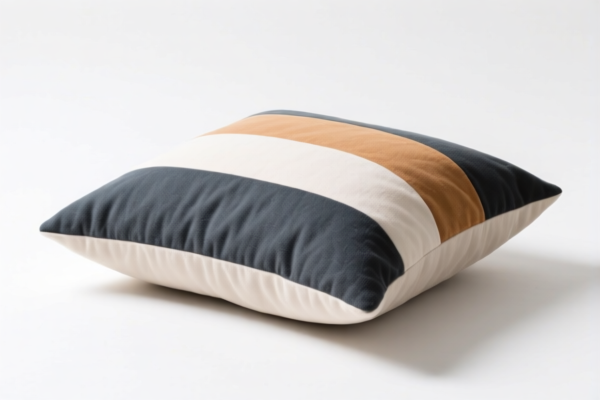

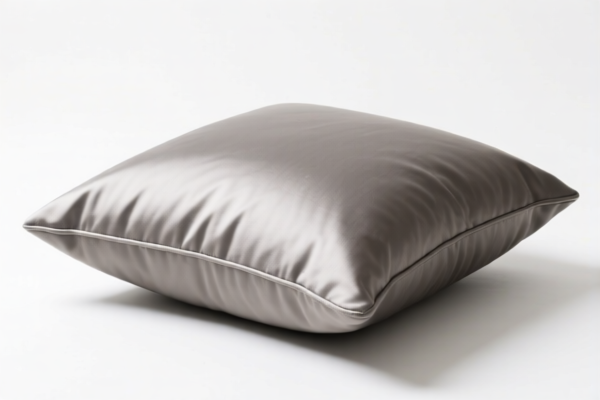
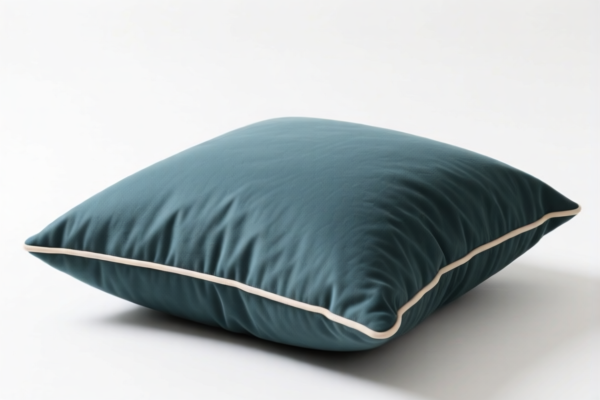
AI分析
🛋️ Embroidered Cushions: HS Code Classification & U.S. Customs Clearance Guide (2026)
🌐 HS Code Reference & Clearance Strategy | 2026 Latest Tariff Analysis | Professional Compliance Guide
📌 I. Product Definition & Classification: What Exactly is an "Embroidered Cushion"?
Embroidered cushions (often referred to as decorative pillows or throw pillows) are textile home furnishings used for interior decoration and comfort. In international trade, the classification depends heavily on material composition, manufacturing process (knitted vs. woven), and specific construction details.
There is no single "correct" HS Code; instead, there are three primary pathways depending on how the product is constructed and marketed. Misclassification can lead to drastic tariff differences (from 17.3% to over 35%).
⚠️ Key Distinction Points:
- Is it woven or knitted? Woven fabrics generally fall under Chapter 63 or 58, while knitted items might fall under Chapter 94 (if functional) or other textile chapters.
- Is the embroidery the primary feature? If it is classified primarily as "embroidery" (Chapter 58), the tariff structure changes significantly compared to classifying it as a "cushion" (Chapter 94) or "household textile" (Chapter 63).
- What is the outer shell material? Cotton, synthetic fibers, or mixed materials affect the sub-heading.
📦 II. HS Code Classification Matrix (2026 U.S. Tariff Schedule)
Based on the provided data, here are the three possible classifications for Embroidered Cushions:
| HS Code | Product Description & Summary | Primary Classification Logic | Material/Process Focus |
|---|---|---|---|
| 9404.90.96.36 | Embroidered cushion classified as a cushion; outer shell made of other textile materials. | Classified under Furniture Accessories (Ch. 94). Focuses on the function as a cushion. | "Other textile materials" (likely synthetic blends not specified elsewhere). |
| 6304.99.40.00 | Embroidered cushion classified as household textile; non-knitted/non-crocheted textile materials. | Classified under Textile Articles (Ch. 63). Focuses on the fabric nature (woven). | Woven textile fabrics (not knitted). |
| 5810.92.90.80 | Embroidered cushion classified as embroidery; using man-made fibers or cotton. | Classified under Special Fabrics/Embroidery (Ch. 58). Focuses on the ornamental process (embroidery). | Man-made fibers or Cotton-based embroidery. |
🔍 Critical Analysis:
- 9404.90.96.36 is often the most direct classification for finished cushions, treating them as furniture accessories.
- 6304.99.40.00 applies if the product is viewed primarily as a generic woven textile article for home use.
- 5810.92.90.80 is a high-risk/high-cost classification because it prioritizes the embroidery aspect, triggering specific textile rules and higher punitive tariffs.
💰 III. 2026 Latest Tariff Rate Breakdown (Including Additional Duties)
✅ Applicable Market: United States (US)
✅ Origin: China (CN)
✅ Effective Date: 2025-2026 (Current Trade War Context)
🎯 1. 9404.90.96.36 —— Cushion (Furniture Accessory)
| Item | Content |
|---|---|
| Base Tariff | 7.3% (Ad Valorem) |
| Section 301/Additional Tariff | 0.0% |
| Section 122 Tariff | 10.0% |
| Total Effective Rate | 17.3% |
| Calculation Basis | CIF Value × 17.3% |
| De Minimis Exemption | ❌ Not Applicable (For China-origin goods under current thresholds) |
| Legal Path | HTSUS:9404.90.96.36 → Section 122 Rule |
📌 Explanation:
- This is the most favorable classification among the three options.
- The "Section 122" tariff (often associated with specific trade enforcement actions) adds 10%, but the base Section 301 duty is currently listed as 0% for this specific sub-heading in the provided data.
- Total: 17.3% is significantly lower than the embroidery classification.
🎯 2. 6304.99.40.00 —— Household Textile (Woven)
| Item | Content |
|---|---|
| Base Tariff | 3.8% (Ad Valorem) |
| Section 301/Additional Tariff | 7.5% |
| Section 122 Tariff | 10.0% |
| Total Effective Rate | 21.3% |
| Calculation Basis | CIF Value × 21.3% |
| De Minimis Exemption | ❌ Not Applicable |
| Legal Path | HTSUS:6304.99.40.00 → Section 122 Rule → Section 301 List 4 |
📌 Explanation:
- Although the base tariff is low (3.8%), the additional Section 301 duty of 7.5% pushes the total cost higher than the cushion classification.
- This classification requires proof that the item is non-knitted (woven). If the fabric is knitted, this classification is invalid and may lead to penalties.
🎯 3. 5810.92.90.80 —— Embroidery (Textile Specialty)
| Item | Content |
|---|---|
| Base Tariff | See Additional U.S. Note 3 (Varies, often ~5-10%+) |
| Section 301/Additional Tariff | 25.0% |
| Section 122 Tariff | 10.0% |
| Total Effective Rate | See U.S. Note 3 + 35.0% |
| Calculation Basis | (CIF + Base Duty) × 35% + Base Duty |
| De Minimis Exemption | ❌ Not Applicable |
| Legal Path | HTSUS:5810.92.90.80 → US Note 3 → Section 301 List 1/2 |
📌 Explanation:
- This is the highest cost classification.
- The "25%" additional tariff suggests this falls under Section 301 List 1 or similar high-penalty categories for textile embroideries.
- The phrase "See additional U.S. note 3" implies complex calculation rules that often result in a Total Tax > 35%.
- Risk: Classifying a finished cushion as "embroidery" instead of a "cushion" is a common mistake that inflates costs unnecessarily.
🛠️ IV. Customs Clearance Practical Advice (Pitfall Avoidance)
✅ 1. Documentation Checklist (Mandatory)
| Document | Required | Notes |
|---|---|---|
| ✅ Product Specification Sheet | ✔️ | Must clearly state: "Embroidered Decorative Cushion," Material % (e.g., 100% Polyester), Filling type. |
| ✅ Fabric Swatch/Composition Test | ✔️ | Crucial to distinguish between Woven (Ch 63) vs. Knitted. If knitted, 6304 is invalid. |
| ✅ Photos of Product | ✔️ | Show front (embroidery), back, and any closures (zipper/buttons). |
| ✅ Commercial Invoice | ✔️ | Description must match HS Code logic (e.g., "Decorative Pillow" vs. "Piece of Embroidered Fabric"). |
| ✅ Proof of Origin | ✔️ | If not CN, helps avoid Section 301/122 duties. |
✅ 2. Strategic Classification Recommendations
| Scenario | Recommended HS Code | Why? |
|---|---|---|
| Standard Decorative Pillow (Synthetic shell, embroidery on surface) | 9404.90.96.36 | Lowest total duty (17.3%). Treats it as furniture/accessory. |
| High-Quality Woven Textile Cushion (No specific "cushion" subheading available) | 6304.99.40.00 | Only if 9404 is rejected. Higher duty (21.3%) but valid for woven goods. |
| Raw Embroidery Panels / Unfinished Cushions | 5810.92.90.80 | Avoid for finished goods. Only for semi-finished embroidery textiles. |
🔥 Pro Tip:
"Finish It, Don't Just Embroider It!"
If the product is a finished, stuffed, or ready-to-use cushion, 9404.90.96.36 is almost always the correct and most cost-effective classification. Do not let customs brokers default to "Embroidery" (5810) unless specifically advised for fabric rolls.
✅ 3. Special Handling for Section 122 & 301 Duties
- Section 122 (10%): Apply to all three classifications. This is a blanket additional duty for China-origin textile/apparel/garments.
- Section 301 (0% vs 7.5% vs 25%):
9404: 0% (Best case)6304: 7.5% (Moderate)5810: 25% (Worst case)- Action: Verify the List Category of the HS Code in the USTR database before finalizing the invoice.
🌍 V. Global Market Comparison (2026 Snapshot)
| Region | Recommended HS Code | Est. Total Duty (China Origin) | Key Requirement |
|---|---|---|---|
| 🇺🇸 USA | 9404.90.96.36 |
17.3% | Labeling: "Made in China" |
| 🇪🇺 EU | 6304.91 |
~4-6% | CE/REACH (if applicable), Textile Labeling |
| 🇬🇧 UK | 9404.90 |
~4-6% | Post-Brexit import rules |
| 🇨🇦 Canada | 9404.90 |
0-10% (CUSMA eligible?) | Check CUSMA origin |
| 🇦🇺 Australia | 9404.90 |
5% | GST 10% on top |
📌 Note: The US is the most complex due to Section 122 and Section 301. Other markets may offer lower duties if Free Trade Agreements (FTAs) are utilized.
📌 VI. Common Mistakes & Pitfalls
❌ Mistake 1: Classifying a finished stuffed cushion as "Embroidered Fabric" (5810)
👉 Result: Duty jumps from 17.3% to >35%.
👉 Fix: Use 9404.90.96.36 for finished goods.
❌ Mistake 2: Ignoring the "Knitted vs. Woven" distinction for 6304
👉 Result: If the fabric is knitted, 6304 is incorrect. Customs will reclassify and penalize.
👉 Fix: Provide a yarn test report proving the fabric is woven if using 6304.
❌ Mistake 3: Omitting Section 122 in cost calculations
👉 Result: Budgeting error. You lose 10% of margin.
👉 Fix: Always add 10% Section 122 to China-origin textile imports to the US.
✅ Correct Declaration Example:
"Decorative Embroidered Cushion, Synthetic Fabric Outer Shell, Polyester Fill, Model XYZ, Origin: China"
HS Code:9404.90.96.36
🎯 VII. Conclusion: Optimize Your Landed Cost
🎯 Key Takeaway:
🔹 For Finished Embroidered Cushions → Choose
9404.90.96.36(17.3%)
🔹 Avoid5810.92.90.80unless you are shipping raw embroidery fabric
🔹 Always account for the 10% Section 122 duty
📌 Action Item:
1. Confirm your fabric is woven if considering 6304.
2. Ensure your product is a finished cushion to justify 9404.
3. Prepare detailed composition sheets to defend your classification if audited.
✨ Precision Classification = Profit Protection!
💼 Don't let a 4-digit HS Code difference erase your margins!
用户评价
关于 HS 编码归类
协调制度(HS)是由世界海关组织(WCO)制定的国际贸易商品分类标准。全球 200 多个国家采用 HS 系统作为海关关税、贸易统计和进出口监管的基础。
每个 HS 编码遵循以下层级结构:
- 章(2 位)——商品大类(例如:第 84 章:机器和机械设备)
- 品目(4 位)——章内的更具体分类
- 子目(6 位)——国际通用细分,所有 WCO 成员国统一使用
- 本国细分(8-10 位)——各国自行扩展的细分编码,如美国 HTSUS 10 位编码
正确的 HS 编码归类对于顺利通关、准确缴纳关税和遵守贸易法规至关重要。错误归类可能导致海关延误、多缴关税或罚款。
从CN进口到US时,适用的关税税率可能包括:
- 最惠国(MFN)税率——适用于 WTO 成员国的标准关税税率
- 普通税率——适用于无贸易协定国家
- 贸易救济关税——附加关税,如 301 条款(反倾销)、232 条款(国家安全)或反补贴税
本页内容仅供参考。如需正式归类,请咨询当地海关或持牌报关代理。