Embroidered Earphone Patch
CN → US| HS编码 | 关税税率 | 原产国 | 目的国 | 文档 |
|---|---|---|---|---|
| 5810921000 | 0.0% | CN | US | 官方文档 |
| 3926903500 | 16.5% | CN | US | 官方文档 |
| 4202399000 | 55.0% | CN | US | 官方文档 |
| 3926909989 | 22.8% | CN | US | 官方文档 |
| 5810999000 | 0.0% | CN | US | 官方文档 |
商品图片
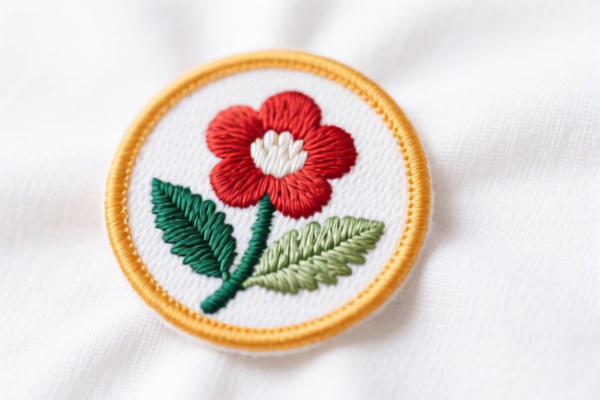
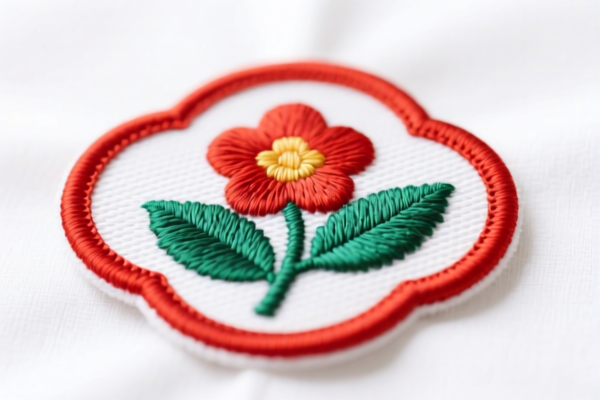
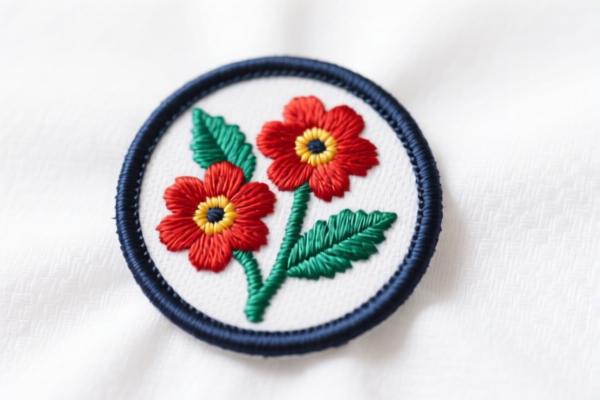

AI分析
🧵 Embroidered Earphone Patch (Textile Accessories)
🌐 HS Code Reference & Customs Clearance Guide | 2026 Latest Tariff Analysis | Professional Entry Strategy
📌 I. Product Definition & Classification: What Exactly is an "Embroidered Earphone Patch"?
An Embroidered Earphone Patch is a decorative textile accessory, typically shaped like a patch, badge, or emblem, designed to be attached to earphone cases, cords, or storage bags. In international trade, its classification depends heavily on material composition and functional morphology.
Key Classifications: 1. Pure Textile Embroidery: Made primarily from synthetic or natural fibers (e.g., polyester, cotton), intended as a decorative patch. * Likely HS Codes: 5810.92.10.00, 5810.99.90.00 2. Plastic-Coated/Synthetic Blend: Contains plastic backing, PVC coating, or synthetic fiber base that defines its structure. * Likely HS Codes: 3926.90.35.00, 3926.90.99.89 3. General Textile Accessory/Container Part: Viewed as a part of a larger textile container (like a bag) or a general decorative item. * Likely HS Code: 4202.39.90.00
⚠️ Critical Distinction:
- If the item is purely embroidered fabric without significant plastic structural backing → It is likely a Textile/Embroidery (Chapter 58).
- If the item has a plastic base/coating or is classified as a general decorative plastic article → It falls under Plastics (Chapter 39).
- If it is considered a part/accessory of a textile bag/container → It may fall under Articles of Leather/Textile (Chapter 42).
📦 II. HS Code Classification Details (2026 Latest Tariff Authority Comparison)
| HS Code | Product Description | Application Scenario | Material/Structure |
|---|---|---|---|
5810.92.10.00 |
Embroidered patches, badges, and motifs; made of synthetic fibers | Decorative patches for bags, jackets, or earphone cases; synthetic thread base | ✅ Synthetic Fibers |
3926.90.35.00 |
Other articles of plastic and articles of other materials of heading 3902 to 3911; decorative | Plastic-coated patches, PVC-based badges, or synthetic blends with plastic dominance | ✅ Plastic/Coated |
4202.39.90.00 |
Articles of apparel and clothing accessories, of other materials; other | Decorative textile accessories treated as parts of containers/bags | ✅ Textile/General |
3926.90.99.89 |
Other articles of plastic; unclassified elsewhere | Plastic/synthetic base patches not specifically listed in other plastic subheadings | ✅ Plastic/Synthetic |
5810.99.90.00 |
Embroidery in the small; other than that of heading 5810.92; other textile materials | Other textile embroidery, non-synthetic or unspecified textile base | ✅ Textile (Non-Synthetic) |
🔍 Key Reminder:
- Pure Embroidery (5810.xxxx) attracts high tariffs (See Additional US Notes + 35% Total).
- Plastic-Based (3926.xxxx) generally has lower base tariffs but varies by specific plastic type.
- Textile Accessories (4202.xxxx) often face very high tariffs due to broader category duties.
💰 III. 2026 Latest Tariff Rate Breakdown (Including Surcharges, Policy Surcharges)
✅ Applicable Country: United States (US)
✅ Origin: China (CN)
✅ Effective Date: Ongoing (Subject to ongoing trade policies)
🎯 1. 5810.92.10.00 — Embroidered Patches (Synthetic Fibers)
| Item | Content |
|---|---|
| Base Tariff | See Additional U.S. Note 2 |
| Section 301 Surtax | +25.0% |
| 122 Clause Surtax | +10% |
| Total Tariff | See Additional U.S. Note 2 + 35.0% |
| Tax Calculation | CIF Value × (Base Rate + 35%) |
| De Minimis Eligibility | ❌ No (High risk of audit) |
| Legal Basis Path | US Note 2 → Section 301: 25% → 122 Clause: 10% |
📌 Explanation:
- This is a high-risk, high-cost classification.
- "See Additional U.S. Note 2" indicates a variable base rate that must be checked in current tariff tables (often 8-12% for synthetics).
- Total effective rate is extremely high due to the combination of Section 301 (25%) and 122 Clause (10%) on top of the base.
🎯 2. 3926.90.35.00 — Plastic Decorative Articles
| Item | Content |
|---|---|
| Base Tariff | 6.5% |
| Section 301 Surtax | 0.0% (Exempt or Lower Rate) |
| 122 Clause Surtax | +10% |
| Total Tariff | 16.5% |
| Tax Calculation | CIF Value × 16.5% |
| De Minimis Eligibility | ❌ No |
| Legal Basis Path | USITC:3926.90.35.00 → 122 Clause: 10% |
📌 Note:
- This is a more favorable classification if the product contains significant plastic components.
- The 0% Section 301 surcharge makes it significantly cheaper than the pure textile option.
- Requires proof of plastic composition (e.g., PVC backing, synthetic blend).
🎯 3. 4202.39.90.00 — Other Textile Accessories
| Item | Content |
|---|---|
| Base Tariff | 20.0% |
| Section 301 Surtax | +25.0% |
| 122 Clause Surtax | +10% |
| Total Tariff | 55.0% |
| Tax Calculation | CIF Value × 55.0% |
| De Minimis Eligibility | ❌ No |
| Legal Basis Path | USITC:4202.39.90.00 → Section 301: 25% → 122 Clause: 10% |
📌 Warning:
- This is the highest tariff among the options.
- Misclassifying a simple patch as a "textile accessory" can lead to massive cost increases.
- Only use if the item is structurally part of a larger textile container.
🎯 4. 3926.90.99.89 — Other Plastic Articles
| Item | Content |
|---|---|
| Base Tariff | 5.3% |
| Section 301 Surtax | +7.5% |
| 122 Clause Surtax | +10% |
| Total Tariff | 22.8% |
| Tax Calculation | CIF Value × 22.8% |
| De Minimis Eligibility | ❌ No |
| Legal Basis Path | USITC:3926.90.99.89 → Section 301: 7.5% → 122 Clause: 10% |
📌 Note:
- A moderate cost option for plastic-based items not fitting specific plastic categories.
- Lower base tariff (5.3%) helps offset the surcharges.
🎯 5. 5810.99.90.00 — Other Embroidery (Textile)
| Item | Content |
|---|---|
| Base Tariff | See Additional U.S. Note 5 |
| Section 301 Surtax | +25.0% |
| 122 Clause Surtax | +10% |
| Total Tariff | See Additional U.S. Note 5 + 35.0% |
| Tax Calculation | CIF Value × (Base Rate + 35%) |
| De Minimis Eligibility | ❌ No |
| Legal Basis Path | US Note 5 → Section 301: 25% → 122 Clause: 10% |
📌 Explanation:
- Similar to5810.92.10.00, this falls under the high-tariff embroidery category.
- "See Additional U.S. Note 5" implies a variable base rate that must be verified.
- High risk and high cost due to the 35% total surcharge.
🛠️ IV. Customs Clearance Practical Advice (Avoiding Pitfalls)
✅ 1. Preparation Checklist (Essential)
| Document | Required | Explanation |
|---|---|---|
| ✅ Product Specifications | ✔️ | Detail material composition (e.g., "100% Polyester Embroidery with PVC Backing") |
| ✅ Material Composition Certificate | ✔️ | Critical for distinguishing between Chapter 58 (Textile) and Chapter 39 (Plastic) |
| ✅ Product Photos | ✔️ | Show backside (lining/material) and front (embroidery) |
| ✅ Commercial Invoice | ✔️ | Clearly state "Embroidered Patch" or "Decorative Plastic Badge" |
| ✅ Packing List | ✔️ | Indicate quantity and weight |
| ✅ Test Reports | ✔️ | If claiming plastic exemption, provide material test reports |
✅ 2. Declaration Tips (Key Strategy)
🔥 “Material Defines Code, Plastic Lowers Rate, Embroidery is Expensive!”
| Scenario | Correct Declaration | Incorrect Approach |
|---|---|---|
| Pure Fabric Embroidery | 5810.92.10.00 or 5810.99.90.00 |
Calling it "Plastic Badge" → Misclassification |
| PVC/Plastic Backed Patch | 3926.90.35.00 |
Calling it "Textile Patch" → Higher Tariff |
| Part of a Bag/Case | 4202.39.90.00 (if integral) |
Stand-alone patch misdeclared as container part |
| Unspecified Plastic Item | 3926.90.99.89 |
Vague description "Accessory" |
✅ 3. Special Case Handling
| Situation | Handling Advice |
|---|---|
| Mixed Material | If >50% plastic by weight/value, consider 3926 for lower tariffs. |
| OEM Custom Patches | Provide design files and material specs to support 5810 or 3926 classification. |
| High-Value Goods | Apply for Advance Ruling to confirm HS Code and avoid audit risks. |
| Small Parcel (De Minimis) | Note that most of these codes are NOT eligible for de minimis exemption due to high duties. |
🌍 V. Global Market Comparison (2026 Latest)
| Country/Region | Recommended HS Code | Tariff Rate | Certification | Notes |
|---|---|---|---|---|
| 🇺🇸 USA | 3926.90.35.00 (if plastic) |
16.5% | No specific cert | Lowest rate if plastic-based |
| 🇺🇸 USA | 5810.92.10.00 (textile) |
~45%+ | No specific cert | Highest rate due to surcharges |
| 🇪🇺 EU | 5810.92.10.00 |
~12% | No CE needed for patches | No Section 301/122 surcharges |
| 🇨🇳 China | 5810.92.10.00 |
~8-12% | No CCC needed | Lower base tariffs |
📌 Conclusion:
- US Market is Hardest: High surcharges (Section 301 + 122 Clause) make textile embroidery very expensive.
- Plastic-Based Advantage: If your patch has a plastic backing,3926.90.35.00is the most cost-effective option in the US.
- Textile Disadvantage: Avoid5810if possible due to 35%+ surcharges.
📌 VI. Common Errors & Pitfalls (Lessons Learned)
❌ Error 1: Declaring a plastic-backed patch as 5810 (Textile)
👉 Result: Higher base tariff + Same surcharges → Unnecessary cost increase.
👉 Fix: Use 3926 if plastic content is significant.
❌ Error 2: Declaring a pure textile patch as 3926 (Plastic)
👉 Result: Customs audit → Delay, fines, or forced reclassification.
👉 Fix: Provide material composition proof to support 3926 claim.
❌ Error 3: Ignoring Section 301 and 122 Clause surcharges
👉 Result: Underestimated landed cost → Profit margin collapse.
👉 Fix: Always calculate Total Tariff = Base + 25% + 10%.
❌ Error 4: Vague Description "Earphone Accessory"
👉 Result: Customs rejection or random inspection.
👉 Fix: Use precise terms: "Embroidered Patch, Synthetic Fibers" or "Plastic Decorative Badge".
✅ Correct Declaration Example:
"Embroidered Patch, 2-inch, Polyester Thread with PVC Backing, Decorative Accessory for Earphone Case"
🎯 VII. Conclusion: Smart Classification, Cost Saving!
🎯 Remember:
🔹 "Plastic Patch = Lower Tax (16.5%)"; "Textile Embroidery = High Tax (35%+)"
🔹 "Material is Key, Surcharge is King, Declare Accurately!"
📌 Pro Tip:
If your product is manufactured in Vietnam, Mexico, or Malaysia, you may exempt from Section 301/122 Clause surcharges.
Recommend applying for Pre-Clearance (Advance Ruling) to confirm the optimal HS Code and reduce customs risk.
📣 Action Plan:
📞 Contact a professional customs broker + Provide material composition + Apply for HS Code Pre-Ruling
🚀 Clear customs smoothly, save costs, maximize profits!
✨ Professional Customs Clearance Starts with Accurate Classification!
💼 Every cent of cost deserves precise calculation!
用户评价
关于 HS 编码归类
协调制度(HS)是由世界海关组织(WCO)制定的国际贸易商品分类标准。全球 200 多个国家采用 HS 系统作为海关关税、贸易统计和进出口监管的基础。
每个 HS 编码遵循以下层级结构:
- 章(2 位)——商品大类(例如:第 84 章:机器和机械设备)
- 品目(4 位)——章内的更具体分类
- 子目(6 位)——国际通用细分,所有 WCO 成员国统一使用
- 本国细分(8-10 位)——各国自行扩展的细分编码,如美国 HTSUS 10 位编码
正确的 HS 编码归类对于顺利通关、准确缴纳关税和遵守贸易法规至关重要。错误归类可能导致海关延误、多缴关税或罚款。
从CN进口到US时,适用的关税税率可能包括:
- 最惠国(MFN)税率——适用于 WTO 成员国的标准关税税率
- 普通税率——适用于无贸易协定国家
- 贸易救济关税——附加关税,如 301 条款(反倾销)、232 条款(国家安全)或反补贴税
本页内容仅供参考。如需正式归类,请咨询当地海关或持牌报关代理。