Engine Timing Belt
CN → US| HS编码 | 关税税率 | 原产国 | 目的国 | 文档 |
|---|---|---|---|---|
| 4010359000 | 38.3% | CN | US | 官方文档 |
| 8708991600 | 35.0% | CN | US | 官方文档 |
| 8483908080 | 37.8% | CN | US | 官方文档 |
| 8483901050 | 37.8% | CN | US | 官方文档 |
| 8708996890 | 87.5% | CN | US | 官方文档 |
商品图片
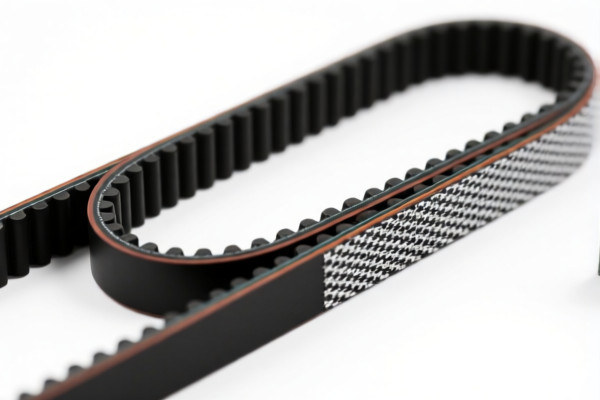
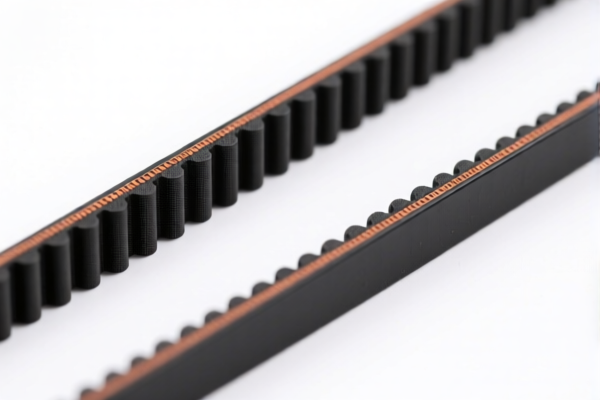
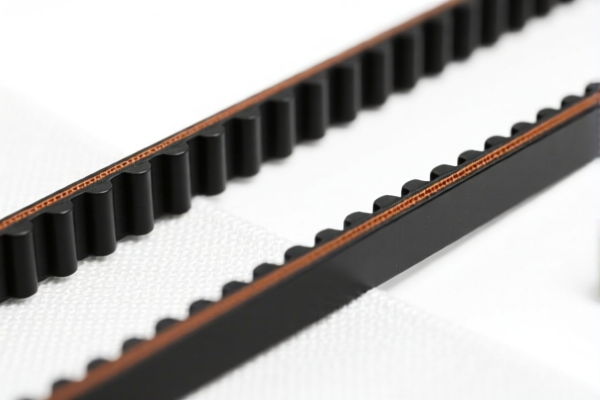
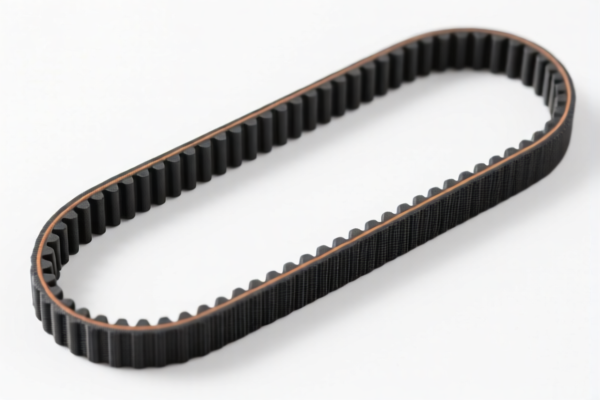
AI分析
⚙️ Engine Timing Belt (正时皮带)
🌐 HS Code Reference & Customs Clearance Guide | 2026 Latest Tariff Analysis | Professional Entry Strategy
📌 I. Product Definition & Classification: What is an "Engine Timing Belt"?
An Engine Timing Belt is a critical component in internal combustion engines, designed to synchronize the rotation of the crankshaft and the camshaft(s). This synchronization ensures that the engine’s valves open and close at the correct times during each cylinder’s intake and exhaust strokes.
Key Characteristics: - Material: Typically made of reinforced rubber, chloroprene, or synthetic fibers (sometimes Kevlar-reinforced). - Function: Power transmission/synchronization. - Application: Automotive, motorcycle, or industrial engine maintenance.
⚠️ Critical Classification Conflict:
Customs authorities often debate whether this item is a "Part of an Engine" (Chassis/Body part) or a "Transmission Component."
- Argument A (Transmission): It transfers rotational motion synchronously → Group 84 (Machinery).
- Argument B (Auto Part): It is specific to the engine's operation and replaces only when the engine is disassembled → Group 87 (Vehicles).The provided data shows 5 distinct HS Codes, reflecting this ambiguity. Choosing the wrong code can lead to massive tariff differences (from 35% to 87.5%).
📦 II. HS Code Classification Breakdown (2026 Latest Tariff Data)
Based on the provided <DATA>, here are the 5 possible HS Codes, their summaries, and total tax rates for imports from China to the US (assuming standard US tariffs):
| HS Code | Product Description & Logic | Total Tax Rate | Tax Composition Detail |
|---|---|---|---|
| 4010.35.90.00 | Synchronous Belt (No End). Classified as a "Transmission Belt" made of vulcanized rubber. Fits the definition of a "Synchronous Belt" (Toothed Belt). | 38.3% | Base: 3.3% Section 301: 25.0% Section 122: 10% |
| 8708.99.16.00 | Part of Motor Vehicle. Classified as a generic auto part. Since it is not a brake, suspension, or body part, it falls under "Other Parts." | 35.0% | Base: 0.0% Section 301: 25.0% Section 122: 10% |
| 8483.90.80.80 | Transmission Component Part. Classified as a "Part of Other Transmission Elements." Covers transmission elements other than universal joints and specific gears. | 37.8% | Base: 2.8% Section 301: 25.0% Section 122: 10% |
| 8483.90.10.50 | Other Transmission Element. Classified as a non-metallic transmission element (rubber/fabric). No conflict with forged metal properties. | 37.8% | Base: 2.8% Section 301: 25.0% Section 122: 10% |
| 8708.99.68.90 | Other Auto Parts (Steel/Aluminum/Copper). ⚠️ High Risk. This code applies if the belt is deemed to contain significant metal components or is classified under a broader "Other Parts" bucket that triggers higher steel/aluminum tariffs. | 87.5% | Base: 2.5% Section 301: 25.0% Section 122: 10% Steel/Aluminum/Copper Surcharge: 50% |
🔍 Key Insight:
- Lowest Rate:8708.99.16.00(35.0%) – Requires proving it is strictly an "Auto Part" with no base duty.
- Highest Rate:8708.99.68.90(87.5%) – Avoid this unless the belt is heavily reinforced with steel cables that trigger the "Steel/Aluminum/Copper" surcharge.
- Middle Ground:4010.35.90.00,8483.90.80.80,8483.90.10.50(35.0%–38.3%) – These rely on material or functional classification (Transmission vs. Belt).
💰 III. Detailed Tariff Breakdown & Legal Basis
✅ Applicable Country: United States (US)
✅ Origin: China (CN)
✅ Effective Date: 2025/2026 (Post-Trade War adjustments)
🎯 1. The "Lowest Cost" Option: 8708.99.16.00
| Item | Content |
|---|---|
| Base Duty | 0.0% (Free) |
| Section 301 Duty | +25.0% (Trade War Tariff) |
| Section 122 Duty | +10.0% (Reciprocal Trade Act / Retaliatory) |
| Total Effective Rate | 35.0% |
| Calculation | CIF Value × 35% |
| De Minimis Exemption | ❌ Not Eligible (Value > $800) |
📌 Explanation:
- This classification benefits from a 0% base duty.
- However, it is still subject to the full 35% sum of punitive tariffs.
- Risk: Customs may reject this if they argue the belt is a "transmission element" (Group 84) rather than a generic "auto part."
🎯 2. The "Transmission" Options: 4010.35.90.00 & 8483.90.xxxx
| Item | Content |
|---|---|
| Base Duty | 2.8% – 3.3% |
| Section 301 Duty | +25.0% |
| Section 122 Duty | +10.0% |
| Total Effective Rate | 37.8% – 38.3% |
| Calculation | CIF Value × ~38% |
| De Minimis Exemption | ❌ Not Eligible |
📌 Explanation:
- These codes have a small base duty (2.8–3.3%).
- They are more defensible if the belt is described as a "Synchronous Transmission Belt" (Technical term) rather than a "Car Part."
-4010.35.90.00is specifically for "Toothed/Belt Drives" made of rubber.
🎯 3. The "Danger Zone": 8708.99.68.90
| Item | Content |
|---|---|
| Base Duty | 2.5% |
| Section 301 Duty | +25.0% |
| Section 122 Duty | +10.0% |
| Steel/Aluminum/Copper Surcharge | +50.0% |
| Total Effective Rate | 87.5% |
| Calculation | CIF Value × 87.5% |
| De Minimis Exemption | ❌ Not Eligible |
📌 Warning:
- This code applies if the belt is deemed to have structural metal components (e.g., steel timing chains vs. belts) or if it falls into a generic "Other Parts" category that triggers the USMCA/Steel-Aluminum surcharge.
- Most rubber timing belts should NOT be classified here unless they contain significant steel reinforcement cables that change the essential character of the good.
🛠️ IV. Customs Clearance Practical Advice (Avoid Pitfalls)
✅ 1. Documentation Checklist (Non-Negotiable)
| Document | Required? | Notes |
|---|---|---|
| ✅ Product Spec Sheet | ✔️ | Must specify: Material (Rubber/Synthetic), Presence of Fibers (Kevlar/Glass), Number of Teeth. |
| ✅ Function Description | ✔️ | Clearly state: "Synchronizes Crankshaft and Camshaft." Do NOT just say "Drive Belt." |
| ✅ Material Composition | ✔️ | Proof that it is < 5% metal by weight to avoid the 50% steel surcharge. |
| ✅ Commercial Invoice | ✔️ | Must match the HS Code chosen. If using 4010, describe as "Synchronous Rubber Belt." If using 8708, describe as "Engine Timing Belt Assembly." |
| ✅ Photos | ✔️ | Show teeth, inner surface, and any metal clips/cables. |
✅ 2. Declaration Strategy (The "Name" Matters)
| Scenario | Recommended HS Code | Declaration Name Example | Risk Level |
|---|---|---|---|
| Standard Rubber Belt | 4010.35.90.00 |
"Vulcanized Rubber Synchronous Timing Belt, Toothed, for Automotive Engine" | 🟢 Low (Defensible) |
| Generic Auto Part | 8708.99.16.00 |
"Engine Timing Belt, Part No. XYZ, for Toyota Engine" | 🟡 Medium (May be challenged) |
| Complex Assembly | 8708.99.68.90 |
"Timing Belt Assembly with Metal Tensioners" | 🔴 High (Risk of 87.5% tax) |
🔥 Golden Rule:
"Describe the Material, Not Just the Function."
If you declare it as "Rubber Belt," you lean towards4010.
If you declare it as "Auto Part," you lean towards8708.
✅ 3. Special Case Handling
| Situation | Handling Advice |
|---|---|
| Belt with Steel Cables | Ensure steel weight is < 5% of total weight. If > 5%, argue it's still a "belt" and not a "wire rope" to avoid the 50% surcharge. |
| Pre-Installed in Engine | If sold with the engine, it may be classified with the engine (8407/8408). Do not ship separately if already installed. |
| OEM vs. Aftermarket | No tax difference, but provide invoice from authorized distributor to prove authenticity if questioned. |
| Sample Shipment | Even if < $800, declare accurately. Misclassification can lead to penalties on future large shipments. |
🌍 V. Global Market Comparison (2026)
| Country/Region | Recommended HS Code | Est. Tariff | Key Certification | Notes |
|---|---|---|---|---|
| 🇺🇸 USA | 4010.35.90.00 or 8708.99.16.00 |
35.0% – 38.3% | None required for duty | Highest Risk Market due to Section 301/122 |
| 🇨🇳 China | 4010.35.00.00 |
5% – 10% | CCC (if safety critical) | Lower base duty, no punitive tariffs |
| 🇪🇺 EU | 4010.35.00 |
3.5% | None | No punitive tariffs, stable rates |
| 🇲🇽 Mexico | 4010.35.00 |
0% – 5% | None | USMCA may apply if originating |
| 🇯🇵 Japan | 4010.35.00 |
0% | JIS | Free trade agreement may apply |
📌 Conclusion:
- The US is the most expensive market for Engine Timing Belts due to layered punitive tariffs (301 + 122).
- EU, Japan, and Mexico are significantly cheaper.
- Strategy: If exporting to the US, choose4010.35.90.00or8708.99.16.00to minimize the 35–38% burden. Never use8708.99.68.90unless absolutely necessary.
📌 VI. Common Errors & Pitfalls (Blood & Tears Lessons)
❌ Error 1: Declaring a rubber belt as "Steel Cable" or "Wire Rope"
👉 Consequence: Triggers the 50% Steel/Aluminum Surcharge → Total Tax 87.5%!
❌ Error 2: Using "Drive Belt" vague description
👉 Consequence: Customs may reclassify to a higher duty bracket or demand additional testing.
❌ Error 3: Ignoring the "122 Clause"
👉 Consequence: Forgetting the +10% Section 122 tariff leads to underpayment and fines.
❌ Error 4: Assuming "Auto Part" = Lower Tax
👉 Consequence: 8708.99.16.00 (35%) is close to 4010.35.90.00 (38.3%), but the base duty is 0% vs 3.3%. However, 4010 is more technically accurate for "Synchronous Belts."
✅ Correct Approach:
"Engine Timing Belt, Vulcanized Rubber, Toothed Synchronous Drive, No Metal Cables, Model XYZ"
🎯 VII. Conclusion: Professional Classification Saves Money!
🎯 Remember This Mantra:
🔹 "Rubber Belt = 4010 (38.3%)”
🔹 "Generic Part = 8708.16 (35.0%)”
🔹 "Metal Content > 5% = 8708.68 (87.5%)” → AVOID!🔹 "Base Duty + 25% (301) + 10% (122) = Final Rate”
📌 Pro Tip:
If your timing belt has steel reinforcement cables, get a Weight Analysis Report showing metal content is < 5%. This protects you from the 50% steel surcharge.
📣 Immediate Action:
📞 Consult a licensed customs broker.
📄 Prepare a Technical Data Sheet highlighting "Rubber Material" and "No Significant Metal."
🚀 Accurate HS Code = Predictable Cost = Profitable Export!
✨ Professional Customs Clearance Starts with Precise Classification!
💼 Every percentage point of duty saved is pure profit!
用户评价
关于 HS 编码归类
协调制度(HS)是由世界海关组织(WCO)制定的国际贸易商品分类标准。全球 200 多个国家采用 HS 系统作为海关关税、贸易统计和进出口监管的基础。
每个 HS 编码遵循以下层级结构:
- 章(2 位)——商品大类(例如:第 84 章:机器和机械设备)
- 品目(4 位)——章内的更具体分类
- 子目(6 位)——国际通用细分,所有 WCO 成员国统一使用
- 本国细分(8-10 位)——各国自行扩展的细分编码,如美国 HTSUS 10 位编码
正确的 HS 编码归类对于顺利通关、准确缴纳关税和遵守贸易法规至关重要。错误归类可能导致海关延误、多缴关税或罚款。
从CN进口到US时,适用的关税税率可能包括:
- 最惠国(MFN)税率——适用于 WTO 成员国的标准关税税率
- 普通税率——适用于无贸易协定国家
- 贸易救济关税——附加关税,如 301 条款(反倾销)、232 条款(国家安全)或反补贴税
本页内容仅供参考。如需正式归类,请咨询当地海关或持牌报关代理。