Environmental Friendly Conveyor Belting Textile Reinforced
CN → US| HS编码 | 关税税率 | 原产国 | 目的国 | 文档 |
|---|---|---|---|---|
| 5911310080 | 38.8% | CN | US | 官方文档 |
| 5911320080 | 38.8% | CN | US | 官方文档 |
| 3926905900 | 37.4% | CN | US | 官方文档 |
| 3926905700 | 41.5% | CN | US | 官方文档 |
| 8431390010 | 35.0% | CN | US | 官方文档 |
| 8431390080 | 35.0% | CN | US | 官方文档 |
商品图片
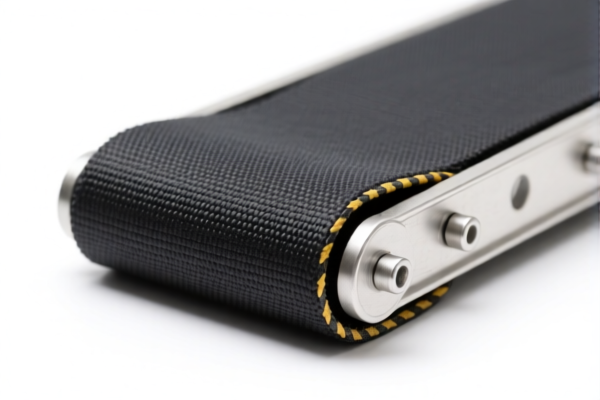
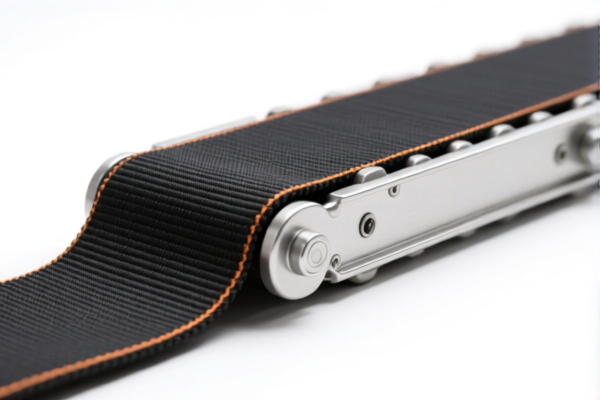
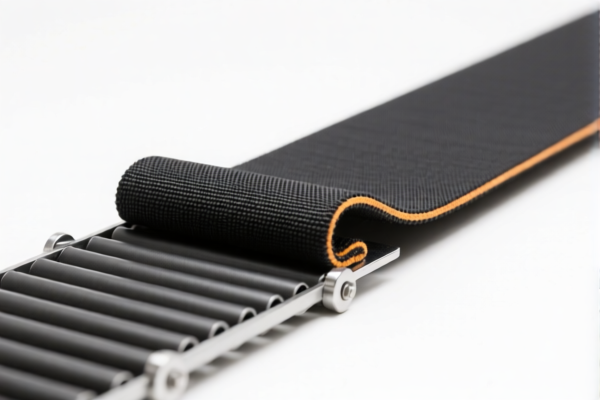
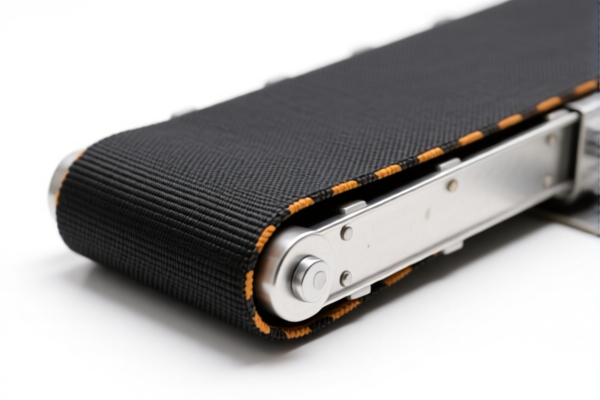
AI分析
🌿 Eco-Friendly Conveyor Belting (Textile Reinforced)
🌐 HS Code Reference & Customs Clearance Guide | 2026 Latest Tariff Analysis | Professional Level Compliance Strategy
📌 I. Product Definition and Classification: What is "Eco-Friendly Conveyor Belting"?
"Eco-friendly" in this context refers to Textile-Reinforced Conveyor Belts made from plastic compounds, specifically those where man-made fibers predominate. In international trade, these are classified under Plastics and Articles thereof (Chapter 39), not Textiles or Rubber, because the primary material providing the structure and function is plastic, reinforced with textiles.
Key Distinction:
- Plain Textile Belts (No Plastic): Would fall under Chapter 59 (Technical Textiles).
- Plastic-Coated/Compound Belts with Textile Reinforcement: Fall under Chapter 39 (Plastics).
- Rubber Belts: Fall under Chapter 40.
⚠️ Critical Note for "Eco-Friendly":
Customs duties are not reduced by environmental claims unless specific Green Trade Agreements apply. The classification depends on material composition and function.
- If the belt contains >50% by weight of man-made fibers within the textile component → HS 3926.90.57.00 (Lower Duty).
- If it is "Other" (e.g., natural fibers predominant or mixed equally without man-made predominance) → HS 3926.90.59.00 (Higher Duty + 301 Tariffs).
📦 II. HS Code Classification Details (2026 Latest Tariff Authority)
Based on your provided data, here are the relevant HS Codes for Plastic Conveyor Belts with Textile Reinforcement:
| HS Code | Product Description | Applicable Scenario | Duty Rate (Total) | US 301 Tariff Status |
|---|---|---|---|---|
3926.90.57.00 |
Belting/belts for machinery, containing textile fibers, with man-made fibers predominating by weight | Standard synthetic-reinforced eco-belts (Nylon/Polyester core) | 0.0% | ❌ Exempt (0% total) |
3926.90.59.00 |
Belting/belts for machinery, containing textile fibers, Other (e.g., cotton predominant or mixed) | General-purpose or non-synthetic predominant belts | 27.4% | ✅ Included (Base 2.4% + 25% 301) |
🔍 Clarification on Other Provided Codes:
-5911.31.00.80&5911.32.00.80: These are Papermaking Felts/Fabrics, NOT conveyor belts for material handling. Do not use unless you are selling felt for paper machines.
-8431.39.00.10&8431.39.00.80: These are Parts for Elevators/Conveyors (mechanical parts like rollers, chains, brackets). Do not use if you are shipping the belting itself.
-3926.90.59.00vs3926.90.57.00: The key difference is the predominance of man-made fibers (synthetics like polyester/nylon). Most "eco-friendly" industrial belts use synthetic polymers for durability and low friction, falling under 57.00.
💰 III. 2026 Latest Tariff Rate Breakdown (Detailed Tax Clause)
✅ Applicable Market: United States (US)
✅ Origin: China (CN) (Note: If origin is different, 301 tariffs may not apply, but based on typical "301" context in your data, we assume CN origin)
🎯 1. 3926.90.57.00 —— Conveyor Belting (Man-Made Fiber Predominant)
| Item | Details |
|---|---|
| Base Tariff | 0.0% (ad valorem) |
| USITC Section 301 Tariff | 0.0% (Excluded from List 3/4) |
| IEEPA Additional Tariff | 0.0% |
| Total Duty Rate | 0.0% |
| Tax Calculation | CIF Value × 0% = $0 |
| De Minimis Eligibility | ✅ Yes (if < $800) |
| Legal Basis | HTSUS 3926.90.57 |
📌 Interpretation:
- This is the preferred classification for most modern textile-reinforced plastic conveyor belts.
- "Man-made fibers predominate" means the synthetic reinforcement (e.g., polyester cord) makes up the majority of the textile component by weight.
- Zero Duty significantly reduces clearance costs and improves profit margins.
🎯 2. 3926.90.59.00 —— Conveyor Belting (Other)
| Item | Details |
|---|---|
| Base Tariff | 2.4% (ad valorem) |
| USITC Section 301 Tariff | +25.0% |
| IEEPA Additional Tariff | +0.0% (Assuming standard 301 application) |
| Total Duty Rate | 27.4% |
| Tax Calculation | CIF Value × 27.4% |
| De Minimis Eligibility | ❌ No (Subject to 301) |
| Legal Basis | HTSUS 3926.90.59 |
📌 Interpretation:
- Applies if the belt uses natural fibers (e.g., cotton) predominantly, or if the man-made fiber content is <50% of the textile component.
- High Cost: The 25% Section 301 tariff is a significant barrier.
- Risk: Misclassification here when it should be 57.00 leads to underpayment penalties.
🛠️ IV. Customs Clearance Practical Advice (Battle-Tested Pitfall Avoidance)
✅ 1. Documentation Checklist (Non-Negotiable)
| Document | Mandatory? | Description |
|---|---|---|
| ✅ Commercial Invoice | ✔️ | Must state: "Conveyor Belt, Plastic with Textile Reinforcement, Man-Made Fibers Predominate." |
| ✅ Product Specification Sheet | ✔️ | Must detail: Material Composition (e.g., PVC/PU top, Polyester cord reinforcement). |
| ✅ Proof of Fiber Predominance | ✔️ | Crucial: Laboratory test report or manufacturing certificate showing man-made fibers >50% by weight in the textile layer. |
| ✅ Photos of Product | ✔️ | Show cross-section to verify plastic coating and textile layer. |
| ✅ Packing List | ✔️ | Clearly list items as "Conveyor Belts," not "Textile Fabrics" or "Mechanical Parts." |
✅ 2. Declaration Tips (Key Mnemonic)
🔥 “Plastic Core, Textile Reinforced, Synthetic Wins, Zero Duty Wins!”
| Scenario | Correct HS Code | Why? |
|---|---|---|
| Belts with Polyester/Nylon reinforcement (most common) | 3926.90.57.00 |
Man-made fibers predominate → 0% Duty |
| Belts with Cotton reinforcement | 3926.90.59.00 |
Natural fibers → 27.4% Duty |
| Felt for Paper Machines | 5911.31.00.80 |
Not a conveyor belt! Different use → 0% Duty |
| Rollers/Chains for Conveyor | 8431.39.00.10 |
Mechanical parts, not belting → 25% Duty |
⚠️ Common Mistake:
- Declaring "Conveyor Belt" under Chapter 59 (Textiles) or Chapter 84 (Machinery Parts).
- Result: If it’s plastic-coated, it’s Chapter 39. If declared under 8431, it may be rejected as "not a part" or face 25% duty incorrectly.
- Correct Approach: Always use Chapter 39 for plastic belting.
✅ 3. Special Handling for "Eco-Friendly" Claims
- Customs Does Not Care About "Eco" Label: The term "Eco-Friendly" is a marketing term, not a customs classification key.
- Focus on Material: Prove it is Plastic (Ch39) + Textile Reinforcement.
- If Recycled Plastic: Still Classifies under 3926.90.57/59. No additional tariff benefit unless specific Green Waivers apply (rare).
- Recommendation: In the invoice description, write:
"Conveyor Belt, Plastic Material (PVC/TPU), Reinforced with Polyester Textile Cords, Man-Made Fibers Predominate by Weight, Eco-Friendly Product."
🌍 V. Global Market Comparison (2026 Latest)
| Market | Recommended HS Code | Duty Rate | Certification | Note |
|---|---|---|---|---|
| 🇺🇸 USA | 3926.90.57.00 |
0.0% | None required | Must prove synthetic predominance |
| 🇺🇸 USA | 3926.90.59.00 |
27.4% | None required | Avoid if possible |
| 🇪🇺 EU | 3926.90.59 (Similar) |
~0-4% | REACH Compliance | No 301 tariffs |
| 🇨🇳 China | 3926.90.59 (Similar) |
~5-10% | None | Import duty varies |
📌 Conclusion:
- For the US market, achieving 0% duty via 3926.90.57.00 is critical.
- Ensure your manufacturing spec explicitly states the dominance of synthetic fibers (e.g., Polyester, Nylon, Aramid).
- If you use Cotton, you will pay 27.4%.
📌 VI. Common Errors & Pitfalls (Lessons Learned)
❌ Error 1: Declaring "Textile Conveyor Belt" → Classifying under 5911 (Papermaking Felt)
👉 Consequence: Customs may reject it as "wrong use" or misclassify, causing delays. If it’s for material handling, it’s not 5911.
❌ Error 2: Using 8431.39.00.10 for the Belt Itself
👉 Consequence: 25% duty applied incorrectly. Belts are articles of plastics (Ch39), not parts of machinery (Ch84).
❌ Error 3: Failing to Prove "Man-Made Fiber Predominance" for 57.00
👉 Consequence: Customs defaults to 59.00 → 27.4% duty + potential penalties for underpayment.
✅ Correct Strategy:
Provide a Material Composition Statement from the factory:
"This belt is made of PVC top cover and Polyester cord reinforcement. The polyester (man-made) constitutes 80% of the textile reinforcement weight."
🎯 VII. Conclusion: Precision Classification, Zero Duty, Fast Clearance
🎯 Key Takeaway:
🔹 "Plastic Belt + Synthetic Reinforcement = 0% Duty (HS 3926.90.57.00)"
🔹 "Plastic Belt + Natural Reinforcement = 27.4% Duty (HS 3926.90.59.00)"
🔹 "Do NOT use 5911 or 8431 for standard conveyor belting!"
📌 Pro Tip:
- If your product uses Recycled Polyester, it still qualifies for 3926.90.57.00 (0% duty) because "man-made fiber" includes recycled synthetics.
- Always attach a Material Safety Data Sheet (MSDS) or Composition Certificate to speed up customs release.
📣 Immediate Action Required:
📞 Confirm with your manufacturer: "Do man-made fibers (polyester/nylon) predominate by weight in the textile reinforcement?"
✅ If YES → Use3926.90.57.00→ Save 27.4%.
❌ If NO → Use3926.90.59.00→ Prepare for 27.4% duty.
✨ Professional Customs Clearance Starts with Accurate Classification!
💼 Every Percent of Duty Saved is Pure Profit!
用户评价
关于 HS 编码归类
协调制度(HS)是由世界海关组织(WCO)制定的国际贸易商品分类标准。全球 200 多个国家采用 HS 系统作为海关关税、贸易统计和进出口监管的基础。
每个 HS 编码遵循以下层级结构:
- 章(2 位)——商品大类(例如:第 84 章:机器和机械设备)
- 品目(4 位)——章内的更具体分类
- 子目(6 位)——国际通用细分,所有 WCO 成员国统一使用
- 本国细分(8-10 位)——各国自行扩展的细分编码,如美国 HTSUS 10 位编码
正确的 HS 编码归类对于顺利通关、准确缴纳关税和遵守贸易法规至关重要。错误归类可能导致海关延误、多缴关税或罚款。
从CN进口到US时,适用的关税税率可能包括:
- 最惠国(MFN)税率——适用于 WTO 成员国的标准关税税率
- 普通税率——适用于无贸易协定国家
- 贸易救济关税——附加关税,如 301 条款(反倾销)、232 条款(国家安全)或反补贴税
本页内容仅供参考。如需正式归类,请咨询当地海关或持牌报关代理。