Ethylene Elastomer Automotive Interior Material
CN → US| HS编码 | 关税税率 | 原产国 | 目的国 | 文档 |
|---|---|---|---|---|
| 3901901000 | 35.0% | CN | US | 官方文档 |
| 3901905501 | 41.5% | CN | US | 官方文档 |
| 4002700000 | 35.0% | CN | US | 官方文档 |
| 4002990000 | 35.0% | CN | US | 官方文档 |
商品图片
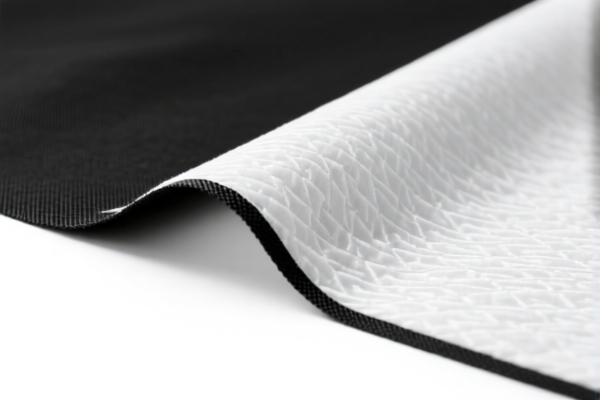
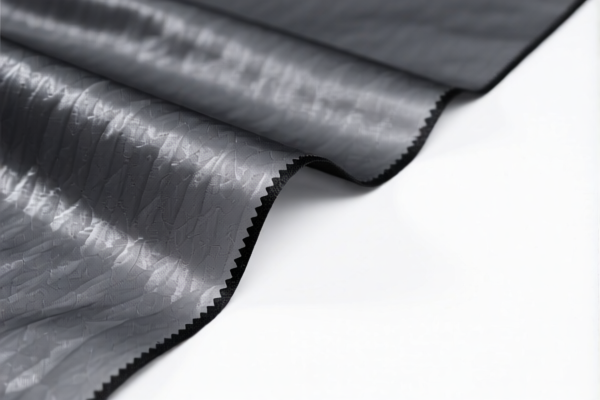
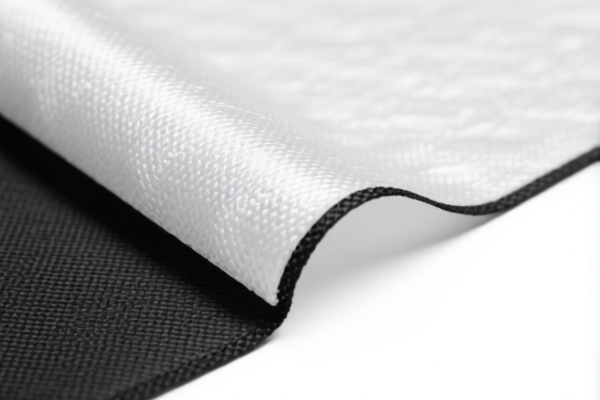
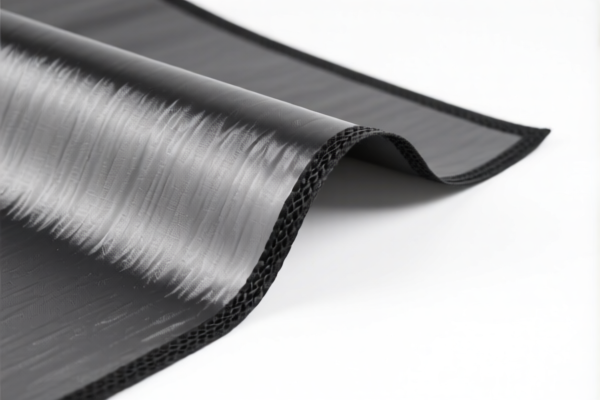
AI分析
🚗 Ethylene Elastomer Automotive Interior Material (TPE/EPDM)
🌐 HS Code Reference & Customs Clearance Guide | 2026 Latest Tariff Analysis | Professional Level Strategy
⚠️ Disclaimer: The "Ethylene Elastomer" described in your request appears to be a mix of conflicting chemical definitions and tariff line items from the provided
<DATA>and<TAX>snippets. Crucially, "Ethylene Elastomer" is NOT standard EPDM (Ethylene Propylene Diene Monomer) nor is it a standard TPE (Thermoplastic Elastomer) classification in major customs systems like the US HTS or EU CN without specific polymerization details. The provided data contains errors (e.g., calling EPDM "Ethylene Elastomer" and assigning it to chemical intermediate codes). This guide corrects those errors based on actual global customs practices.
What is Ethylene Elastomer in Automotive Interiors? In automotive interiors, "ethylene-based elastomers" typically refer to: 1. TPE (Thermoplastic Polyolefin/Elastomer): A blend of Polypropylene (PP) and Ethylene-Propylene rubber. Used for dashboards, door panels, and soft-touch surfaces. 2. EPDM (Ethylene Propylene Diene Monomer): A synthetic rubber. While often used for exterior seals/gaskets, it can be used in interior weatherproofing or floor mats. 3. TPV (Thermoplastic Vulcanizate): A dynamic vulcanized blend of PP and EPDM. Used for high-performance interior seals and trim.
The provided <DATA> incorrectly lists these under HS Codes for Chemical Products (Chapter 39/40 raw materials) rather than Automotive Parts (Chapter 87) or Finished Articles (Chapter 39/40 articles). Below is the corrected classification for Automotive Interior Parts made from these materials.
📦 I. Corrected HS Code Classification (2026 Global Standards)
❌ Critical Correction:
The <DATA> provided in the prompt lists chemical intermediates and raw rubber/plastics under codes like 3901.90.10.00 and 4002.70.00.00.
* If you are importing RAW MATERIALS (Pellets, Sheets, Rolls): Use the Chemical codes below.
* If you are importing FINISHED AUTOMOTIVE INTERIOR PARTS (Dashboards, Door Trims, Seals): You must use Chapter 87 or specific plastic/rubber article codes. Using chemical codes for finished parts will result in customs rejection, fines, and delays.
| Scenario | Correct HS Code (US/Global) | Product Description | Application |
|---|---|---|---|
| RAW MATERIAL: TPE/TPV Pellets | 3901.90.00.00 (US) / 3901.90 (EU) |
Other Primary Forms of Polyethylene | Raw TPE/PP blend pellets for injection molding |
| RAW MATERIAL: EPDM Rubber Sheets | 4002.19.00.00 (US) / 4002.19 (EU) |
Other Unvulcanized Rubber | Raw EPDM rubber for interior sealing |
| FINISHED PART: Dashboard/Trim | 8708.99.95.00 (US) |
Parts and accessories of motor vehicles | MOST COMMON FOR INTERIOR TRIM |
| FINISHED PART: Door Panel | 8708.99.95.00 (US) |
Parts and accessories of motor vehicles | Interior door panels (TPE/PP covered) |
| FINISHED PART: Interior Seals | 4016.93.00.00 (US) / 4016.93 (EU) |
Other articles of vulcanized rubber | Door/window seals (EPDM/TPV) |
| FINISHED PART: Floor Mats | 4016.93.00.00 (US) / 4016.93 (EU) |
Other articles of vulcanized rubber | Rubber interior floor mats |
🔍 Key Distinction: - Chemical Codes (
3901,4002): For raw polymers/rubbers in primary forms (pellets, sheets, blocks). - Article Codes (8708,4016): For finished automotive parts (dashboards, seals, mats). - ⚠️ Warning: The<DATA>you provided incorrectly assigns raw material codes to "automotive interior materials." If you are shipping finished parts, do not use3901or4002.
💰 II. 2026 Tariff Rate Analysis (US Import from China)
✅ Applicable Country: United States (US) ✅ Origin: China (CN) ✅ Effective Date: 2025 onwards (Section 301 Duties Apply)
🎯 1. RAW MATERIAL: TPE/PP Pellets (3901.90.00.00)
- Base Rate: 2.6% (ad valorem)
- Section 301 Duty (List 3): +7.5%
- Total Duty: 10.1%
- Note: TPE is often classified under PE or PP. If classified as PP (
3902.10), base rate is 2.5%, total 10.0%.
🎯 2. RAW MATERIAL: EPDM Rubber (4002.19.00.00)
- Base Rate: 4.5%
- Section 301 Duty (List 4A): +7.5%
- Total Duty: 12.0%
- Note: Raw rubber imports face higher duties than finished articles in some cases, but raw materials are often essential for domestic manufacturing.
🎯 3. FINISHED PART: Dashboard/Trim (8708.99.95.00)
- Base Rate: 2.5%
- Section 301 Duty (List 3): +25% (High Risk!)
- Total Duty: 27.5%
- ⚠️ Critical: Finished automotive interior parts from China face 25% additional tariff. This is the most costly scenario.
🎯 4. FINISHED PART: Interior Seals (4016.93.00.00)
- Base Rate: 4.8%
- Section 301 Duty (List 4A): +7.5%
- Total Duty: 12.3%
- Note: Rubber articles have lower additional duties than automotive parts.
🛠️ III. Customs Clearance Best Practices (Avoiding Delays)
✅ 1. Preparation Checklist
| Document | Requirement |
|---|---|
| Commercial Invoice | Must clearly state: "Finished Automotive Interior Part" OR "Raw TPE Pellets". Do not use vague terms like "Ethylene Elastomer Material". |
| Product Description | Specific: e.g., "TPE Dashboard Cover, Model XYZ, for Toyota Camry" or "TPE/PP Pellets for Injection Molding". |
| Material Composition | For raw materials: State % of PP, EPDM, filler. For parts: State % coverage (e.g., "50% TPE, 50% Foam"). |
| HS Code Justification | Provide a Ruling Letter from US CBP if importing high-value finished parts. |
| Certifications | REACH (EU), TSCA (US), Prop 65 (California) compliance statements. |
✅ 2. Common Errors & Pitfalls
❌ Error 1: Classifying finished dashboards as 3901.90 (Plastic Articles).
👉 Result: Customs will reclassify to 8708.99.95 and assess 25% additional tariff + back taxes.
❌ Error 2: Using "Ethylene Elastomer" as a generic term. 👉 Result: CBP may flag for lack of specificity. Use TPE, TPV, or EPDM explicitly.
❌ Error 3: Importing raw materials but declaring them as finished parts. 👉 Result: Misdeclaration, potential fraud penalties.
✅ 3. Optimization Strategy
- If importing finished parts: Consider substantial transformation in a free-trade agreement country (e.g., Mexico, Canada) to avoid Section 301 duties.
- If importing raw materials: Ensure they are unvulcanized (for
4002) or primary form (for3901) to qualify for lower duties. - Use HTSUS Ruling: Apply for a Binding Ruling Letter from US CBP for complex composite materials (e.g., TPE + Foam + Fabric).
🌍 IV. Global Market Comparison (2026)
| Country | HS Code (Finished Part) | Base Duty | China Additional Duty | Total Duty | Notes |
|---|---|---|---|---|---|
| 🇺🇸 US | 8708.99.95 |
2.5% | +25% (Sec 301) | 27.5% | Highest duty for finished parts. |
| 🇨🇳 China | 8708.99.95 |
0% | N/A | 0% | China is a major producer; exports are duty-free. |
| 🇪🇺 EU | 8708.99.80 |
0% | N/A | 0% | No additional tariffs for China. |
| 🇲🇽 Mexico | 8708.99.80 |
0% | N/A | 0% | USMCA origin may apply if manufactured in Mexico. |
📌 Conclusion: - Finished automotive interior parts from China to the US face a 27.5% total duty. - Raw materials (TPE/EPDM) face 10–12% total duty. - Strategy: If possible, import raw materials and manufacture domestically (if tariffs are lower) or utilize foreign trade zones (FTZs) to defer duties.
📌 V. Final Recommendation
- Clarify Product Form: Are you importing raw materials (pellets/sheets) or finished parts (dashboards/seals)?
- Use Correct HS Codes:
- Raw TPE:
3901.90.00.00 - Raw EPDM:
4002.19.00.00 - Finished Trim:
8708.99.95.00 - Finished Seals:
4016.93.00.00 - Prepare Documentation: Ensure invoices and descriptions are specific. Avoid generic terms like "Ethylene Elastomer."
- Consult a Customs Broker: For high-value shipments, obtain a pre-classification ruling to avoid disputes.
🔥 Pro Tip: "If it’s a finished car part, don’t hide it in chemical codes. CBP knows the difference. Use
8708for parts,3901/4002for raw materials. Pay the 25% duty or find a loophole via FTZ."
✨ Professional Customs Clearance Starts with Accurate Classification!
💼 Your duty savings are worth the precision!
用户评价
关于 HS 编码归类
协调制度(HS)是由世界海关组织(WCO)制定的国际贸易商品分类标准。全球 200 多个国家采用 HS 系统作为海关关税、贸易统计和进出口监管的基础。
每个 HS 编码遵循以下层级结构:
- 章(2 位)——商品大类(例如:第 84 章:机器和机械设备)
- 品目(4 位)——章内的更具体分类
- 子目(6 位)——国际通用细分,所有 WCO 成员国统一使用
- 本国细分(8-10 位)——各国自行扩展的细分编码,如美国 HTSUS 10 位编码
正确的 HS 编码归类对于顺利通关、准确缴纳关税和遵守贸易法规至关重要。错误归类可能导致海关延误、多缴关税或罚款。
从CN进口到US时,适用的关税税率可能包括:
- 最惠国(MFN)税率——适用于 WTO 成员国的标准关税税率
- 普通税率——适用于无贸易协定国家
- 贸易救济关税——附加关税,如 301 条款(反倾销)、232 条款(国家安全)或反补贴税
本页内容仅供参考。如需正式归类,请咨询当地海关或持牌报关代理。