Ethylene Plastic Recycled Material
CN → US| HS编码 | 关税税率 | 原产国 | 目的国 | 文档 |
|---|---|---|---|---|
| 3915100000 | 35.0% | CN | US | 官方文档 |
| 3915900090 | 35.0% | CN | US | 官方文档 |
商品图片

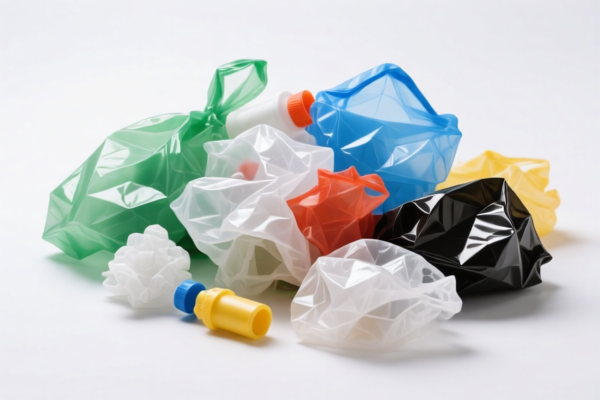
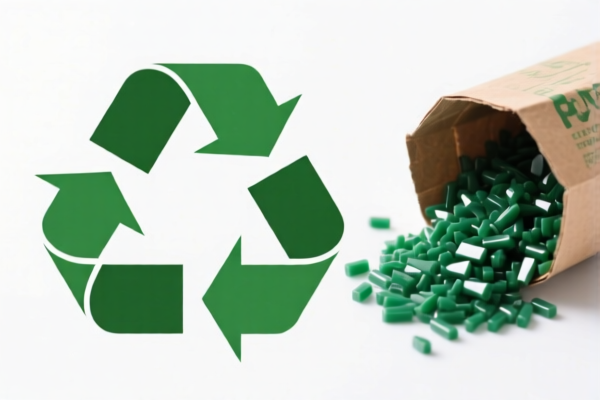
AI分析
♻️ Ethylene Plastic Recycled Material (Waste, Parings and Scrap, of Plastics: Of Polymers of Ethylene)
🌐 HS Code Reference & Customs Clearance Guide | 2026 Latest Tariff Analysis | Professional-Level Strategy for Plastic Scrap
📌 1. Product Definition and Classification: Are You Clear on "Ethylene Plastic Waste"?
In international trade, Ethylene Plastic Recycled Material primarily refers to waste, parings, and scrap resulting from the processing or use of Polyethylene (PE). It is not finished plastic products, but rather raw material residues ready for reprocessing.
Internationally, this category is strictly divided based on the polymer type:
- Polymers of Ethylene (Polyethylene/PE): Includes HDPE (High-Density Polyethylene), LDPE (Low-Density Polyethylene), and LLDPE. This is the core category for common plastic bags, bottles, and films.
- Other Plastics: Includes PP (Polypropylene), PVC, PET, PS, etc. These are categorized separately from Ethylene.
⚠️ Key Distinction Point: * If the material is Polyethylene (PE) waste/scrap → Classify under 3915.10.00.00 * If the material is NON-Polyethylene (e.g., PP, PVC, PET) waste/scrap → Classify under 3915.90.00.90 * Crucial: Do not mix PE with other plastics in one shipment unless explicitly declared as mixed waste, which may trigger different inspection requirements.
📦 2. HS Code Classification Details (2026 Latest Tariff Authority Comparison)
| HS Code | Product Description | Applicable Scenario | Polymer Type |
|---|---|---|---|
3915.10.00.00 |
Waste, parings and scrap, of plastics: Of polymers of ethylene | PE film scraps, HDPE bottle fragments, LDPE parings, pure PE recycling feedstock | ✅ Polyethylene (PE) |
3915.90.00.90 |
Waste, parings and scrap, of plastics: Of other plastics Other | PP scraps, PVC waste, PET flakes, mixed non-PE plastic scrap | ❌ Non-Polyethylene |
🔍 Important Reminder: * 3915.10.00.00 is specifically for Ethylene-based plastics. If your recycled material contains any significant amount of PP or PVC, it cannot be classified here. * 3915.90.00.90 is the "catch-all" for other plastics. If you are unsure of the polymer type, you must provide a laboratory test report (FTIR or DSC) to prove the composition. Misclassification leads to severe penalties.
💰 3. 2026 Latest Tariff Rate Details (Including Additional Taxes)
✅ Applicable Country: United States (US)
✅ Country of Origin: China (CN)
✅ Effective Time: From November 10, 2025 (including subsequent imports)
🎯 1. 3915.10.00.00 —— Waste, Parings and Scrap, of Plastics: Of Polymers of Ethylene
| Item | Content |
|---|---|
| Base Tariff | 0.0% (Ad Valorem) |
| Section 301 Additional Tariff | +25.0% |
| Total Tariff Rate | 25.0% |
| Tax Calculation | CIF Value × 25% |
| De Minimis Eligibility | ❌ Not Eligible (Plastic scrap is generally excluded from de minimis exemptions under US Customs regulations) |
| Legal Basis Path | USITC:3915.10.00.00 → Footnote 9903.88.01 (Section 301) |
📌 Explanation: * The 25% additional tariff is imposed under Section 301 of the Trade Act of 1974, targeting specific Chinese-origin goods. * Although the base tariff is 0%, the total landed cost impact is 25%. This is a high tariff for recycling materials. * Note: There is currently no IEEPA 10% surcharge explicitly listed for this HS code in the provided data. The total tax remains 25.0%.
🎯 2. 3915.90.00.90 —— Waste, Parings and Scrap, of Plastics: Of Other Plastics Other
| Item | Content |
|---|---|
| Base Tariff | 0.0% (Ad Valorem) |
| Section 301 Additional Tariff | +25.0% |
| Total Tariff Rate | 25.0% |
| Tax Calculation | CIF Value × 25% |
| De Minimis Eligibility | ❌ Not Eligible |
| Legal Basis Path | USITC:3915.90.00.90 → Footnote 9903.88.01 (Section 301) |
📌 Note: * Same tariff structure as Polyethylene waste. * Whether it is PP, PVC, or other plastic waste, if it falls under "Other Plastics," the 25% Section 301 tariff applies. * Critical: Ensure your product description matches the HS code. Mislabeling PE as "Other Plastics" to avoid scrutiny is illegal.
🛠️ 4. Customs Clearance Practical Advice (Battle-Tested Pitfall Avoidance)
✅ 1. Required Documentation Checklist (Mandatory)
| Document | Must Provide | Explanation |
|---|---|---|
| ✅ Commercial Invoice | ✔️ | Must clearly state "Recycled Plastic Scrap," "Polyethylene," and value. |
| ✅ Packing List | ✔️ | Detail net/gross weight, number of packages, and material composition. |
| ✅ Certificate of Composition | ✔️ | Lab report (FTIR/DSC) proving the polymer is Polyethylene or "Other." |
| ✅ Cleanliness Declaration | ✔️ | Confirm waste is free from hazardous contaminants (biohazards, chemicals). |
| ✅ Bill of Lading | ✔️ | Standard shipping document. |
| ✅ Customs Bond | ✔️ | Required for all commercial imports to the US. |
✅ 2. Declaration Tips (Key Mnemonics)
🔥 "Pure PE to 10, Mixed/Other to 90, No De Minimis, Tax 25%!"
| Scenario | Correct Declaration | Wrong Practice |
|---|---|---|
| Pure PE Waste (HDPE/LDPE) | 3915.10.00.00 |
Misdeclare as "Plastic Pellets" → Potential fraud |
| PP/PVC Waste | 3915.90.00.90 |
Misdeclare as PE to avoid inspection → High risk of seizure |
| Mixed Plastic Waste | Consult Customs Broker | Declare as single type → Violation of customs law |
| Small Quantity (De Minimis) | Still File Entry | Assume no tax due to low value → Rejected by CBP |
✅ 3. Special Case Handling
| Situation | Handling Advice |
|---|---|
| Contaminated Scrap | If waste contains food residue, metals, or hazardous waste, it may be classified as Hazardous Waste → Prohibited or Restricted. Must ensure cleanliness per EPA/CBP standards. |
| Mixed Polymer Shipments | If a shipment contains both PE and PP, it must be declared as "Mixed Plastic Waste" and may require separate handling or reclassification. Best to sort before shipment. |
| Pre-Processed Flakes | If the waste is washed and flaked, it is still considered "scrap/waste" under HS 3915. Do not declare as "Plastic Resin" (HS 3901/3902) to evade tariffs. |
| Origin Marking | Ensure all bales/packages are marked with "Made in China" to prove origin for Section 301 application. |
🌍 5. Global Market Comparison (2026 Latest)
| Country/Region | Recommended HS Code | Tariff (China Origin) | Certification Requirement | Remarks |
|---|---|---|---|---|
| 🇺🇸 USA | 3915.10.00.00 |
25% (Section 301) | EPA Cleanliness Standards | High tax, strict hygiene checks |
| 🇨🇳 China | 3915.10.00.00 |
0% | N/A (Import for recycling) | China restricts import of certain plastic waste; verify latest policy |
| 🇪🇺 EU | 3915.10.00.00 |
0% (Likely, check Ecolabel) | REACH, Waste Shipment Regulations | EU has strict waste export/import controls |
| 🇦🇺 Australia | 3915.10.00.00 |
5% (Standard) | EPA Approval | Requires approval for import of plastic waste |
| 🇯🇵 Japan | 3915.10.00.00 |
0-5% | Waste Management Law | Strict on cleanliness and contamination |
📌 Conclusion: * USA imposes a 25% tariff on all ethylene and other plastic scrap from China. * Hygiene and Purity are the biggest non-tariff barriers. Contaminated waste will be seized or destroyed. * Documentation must be flawless. A simple lab report can save days of customs detention.
📌 6. Common Errors & Pitfalls (Blood Lessons)
❌ Error 1: Declaring mixed plastic waste as "Pure PE" to simplify classification
👉 Consequence: Customs lab test reveals PP/PVC → Fine + Penalty + Seizure
❌ Error 2: Assuming small shipments qualify for De Minimis (Section 321)
👉 Consequence: Plastic scrap is excluded from De Minimis → Entry required, potential delay
❌ Error 3: Failing to provide a Certificate of Composition
👉 Consequence: Customs cannot verify HS Code → Detention for testing (costs $500+ and weeks of delay)
❌ Error 4: Using vague descriptions like "Plastic Waste"
👉 Consequence: CBP assigns default higher tariff or rejects entry → Use specific terms: "HDPE Film Scrap, Polyethylene"
✅ Correct Practice:
"Recycled HDPE Film Scrap, Polyethylene, Clean, Baled, Made in China, HS 3915.10.00.00"
🎯 7. Conclusion: Precise Classification, Smooth Clearance, Cost Control!
🎯 Remember the Mantra:
🔹 "PE is 10, Other is 90, Tax is 25, No De Minimis!"
🔹 "Clean Scrap, Clear Docs, Avoid Delays!"
📌 Pro Tip:
If your plastic scrap is sourced from Vietnam, Mexico, or Thailand, you may avoid the Section 301 25% tariff.
Check Free Trade Agreements (USMCA, ASEAN-Vietnam FTA).
Ensure Country of Origin is properly documented.
Pre-Ruling: Apply for an Advance Ruling* from US Customs if unsure about mixed waste classification.
📣 Immediate Action:
📞 Contact a licensed customs broker + Provide Lab Test Report + Apply for Advance Ruling if volume is high
🚀 Let your recycled plastic materials clear customs smoothly, reduce costs, and maximize profit!
✨ Professional Clearance Starts with Accurate Classification!
💼 Every Dollar of Tariff is Calculated Precisely!
用户评价
关于 HS 编码归类
协调制度(HS)是由世界海关组织(WCO)制定的国际贸易商品分类标准。全球 200 多个国家采用 HS 系统作为海关关税、贸易统计和进出口监管的基础。
每个 HS 编码遵循以下层级结构:
- 章(2 位)——商品大类(例如:第 84 章:机器和机械设备)
- 品目(4 位)——章内的更具体分类
- 子目(6 位)——国际通用细分,所有 WCO 成员国统一使用
- 本国细分(8-10 位)——各国自行扩展的细分编码,如美国 HTSUS 10 位编码
正确的 HS 编码归类对于顺利通关、准确缴纳关税和遵守贸易法规至关重要。错误归类可能导致海关延误、多缴关税或罚款。
从CN进口到US时,适用的关税税率可能包括:
- 最惠国(MFN)税率——适用于 WTO 成员国的标准关税税率
- 普通税率——适用于无贸易协定国家
- 贸易救济关税——附加关税,如 301 条款(反倾销)、232 条款(国家安全)或反补贴税
本页内容仅供参考。如需正式归类,请咨询当地海关或持牌报关代理。