Ethylene Polymer Powder Blown Film Grade
CN → US| HS编码 | 关税税率 | 原产国 | 目的国 | 文档 |
|---|---|---|---|---|
| 3901105010 | 41.5% | CN | US | 官方文档 |
| 3901105020 | 41.5% | CN | US | 官方文档 |
| 3916100000 | 40.8% | CN | US | 官方文档 |
| 3902900050 | 41.5% | CN | US | 官方文档 |
| 3916903000 | 41.5% | CN | US | 官方文档 |
商品图片
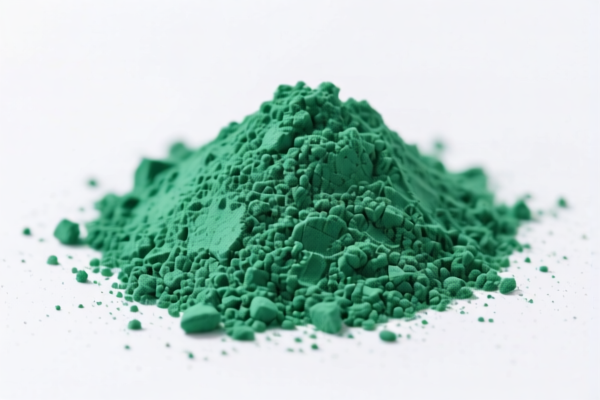

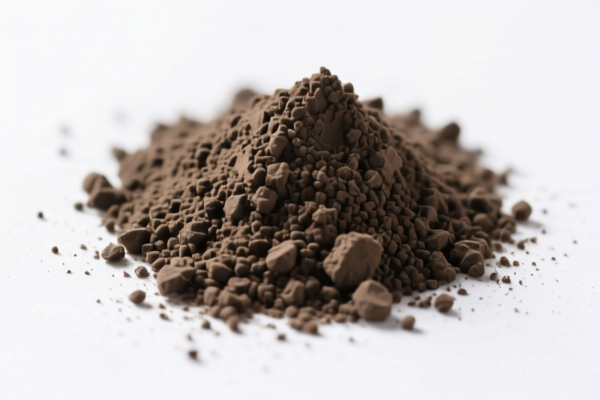
AI分析
🏭 Ethylene Polymer Powder Blown Film Grade
🌐 HS Code Reference & Customs Clearance Guide | 2026 Latest Tariff Analysis | Professional Clearance Strategy
📌 I. Product Definition & Classification: Do You Really Understand "Polymer Powder"?
Ethylene Polymer Powder (Blown Film Grade) refers to ethylene-based resin in a powdered or very fine granular form, specifically engineered for the blown film extrusion process. In international trade, classification hinges on chemical composition, physical form, and specific polymer type.
⚠️ Key Distinction Point:
- If it is Low-Density Polyethylene (LDPE) in primary forms → Often classified under 3901.10 or 3916.10;
- If it is Polyethylene (PE) generally, unspecified density → May fall under 3901.10 or 3902.90;
- Crucial Note: The term "Powder" vs. "Granules" rarely changes the HS Code for primary plastics unless the powder is a finished product (e.g., coated fabric), but here it is a raw material. Primary forms (powder, granules, liquid, slurry) of polymers are generally grouped under Chapter 39, Heading 39.01 or 39.02.
📦 II. HS Code Classification Details (Based on Provided Data 2026)
Based on the provided <DATA>, here are the matched HS Codes with their matching logic and tax implications.
| HS Code | Product Description | Matching Logic (Summary from Data) | Total Tax Rate |
|---|---|---|---|
3901.10.50.10 |
Low-Density Polyethylene (LDPE) – Primary Forms | ✅ Match: Material is Polyethylene. Form is Powder/Granules (Primary). "Blown film grade" implies LDPE characteristics. No material conflict. | 41.5% |
3901.10.50.20 |
Low-Density Polyethylene (LDPE) – Primary Forms | ✅ Match: Name "Polyethylene" matches. "Granules/Powder" = Primary Form. "Blown film grade" is an application trait, no conflict with LDPE. | 41.5% |
3916.10.00.00 |
Polyethylene Threads, Rods, Shapes (Primary Forms) | ✅ Match: Material is Polyethylene. Form is Powder/Granules (Primary). Fits definition of polymeric products in primary forms. | 40.8% |
3902.90.00.50 |
Other Olefin Polymers – Primary Forms | ✅ Match: "Polyethylene" is an olefin polymer. "Powder/Granules" = Primary Form. Fits logic for "Other Olefin Polymers". | 41.5% |
3916.90.30.00 |
Other Plastic Threads, Rods, Shapes (Primary Forms) | ✅ Match: Material is Polyethylene (a plastic). Form is Powder/Granules (Primary). No material conflict with Plastic category. | 41.5% |
🔍 Critical Observation:
- 3901.10 is the most specific for Low-Density Polyethylene (LDPE).
- 3902.90 is for "Other" olefin polymers (e.g., Polypropylene, though PE is technically LDPE/HDPE, some classifiers may use 3902 if 3901 is deemed too specific or if density is unspecified but assumed not LDPE/HDPE).
- 3916.10 and 3916.90 are for "Threads, rods, and other shapes," which can include primary forms if they are shaped, but Powder is typically classified under 39.01/39.02 (Polymers in primary forms) rather than 39.16 (Articles of plastics). However, the provided data includes 3916 as a match, likely due to broad interpretation of "forms." Caution: 39.01/39.02 is generally more accurate for unshaped powder/granules.
💰 III. 2026 Latest Tariff Rate Breakdown (Including Surcharges)
✅ Applicable Country: United States (US)
✅ Country of Origin: China (CN)
✅ Effective Date: From November 10, 2025 (and subsequent imports)
🎯 1. 3901.10.50.10 / 3901.10.50.20 – Low-Density Polyethylene (LDPE)
| Item | Detail |
|---|---|
| Base Duty Rate | 6.5% (ad valorem) |
| Section 301 Duty (Additional) | +25.0% |
| Section 122 Duty (Additional) | +10.0% |
| Total Tariff Rate | 41.5% |
| Calculation Basis | CIF Value × 41.5% |
| De Minimis Exemption | ❌ Not Eligible (deny_de_minimis) |
| Legal Reference Path | Base: 6.5% → Section 301: 25% → Section 122: 10% → Total: 41.5% |
📌 Explanation:
- Base Rate (6.5%): Standard MFN duty for PE in primary forms.
- Section 301 (25%): Applies to Chinese-made plastics and chemical products.
- Section 122 (10%): Additional duty under U.S. Trade Act provisions for specific categories.
- Total (41.5%): This is a high tariff burden. Accurate classification is critical to avoid overpayment or penalties.
🎯 2. 3916.10.00.00 – Polyethylene Articles (Primary Forms)
| Item | Detail |
|---|---|
| Base Duty Rate | 5.8% (ad valorem) |
| Section 301 Duty (Additional) | +25.0% |
| Section 122 Duty (Additional) | +10.0% |
| Total Tariff Rate | 40.8% |
| Calculation Basis | CIF Value × 40.8% |
| De Minimis Exemption | ❌ Not Eligible |
| Legal Reference Path | Base: 5.8% → Section 301: 25% → Section 122: 10% → Total: 40.8% |
📌 Note:
- Slightly lower base rate (5.8% vs. 6.5%) results in a 0.7% lower total tariff.
- However, 3916 is less commonly used for powder/granules compared to 3901. Verify with customs if "powder" qualifies as "articles" or if "primary forms" (3901) is stricter.
🎯 3. 3902.90.00.50 – Other Olefin Polymers
| Item | Detail |
|---|---|
| Base Duty Rate | 6.5% (ad valorem) |
| Section 301 Duty (Additional) | +25.0% |
| Section 122 Duty (Additional) | +10.0% |
| Total Tariff Rate | 41.5% |
| Calculation Basis | CIF Value × 41.5% |
| De Minimis Exemption | ❌ Not Eligible |
| Legal Reference Path | Base: 6.5% → Section 301: 25% → Section 122: 10% → Total: 41.5% |
📌 Warning:
- Using 3902.90 for Polyethylene is risky if the material is clearly LDPE. Customs may reclassify to 3901.10 and demand back payments if the distinction is ambiguous. Only use if the polymer is not LDPE/HDPE (e.g., LLDPE may still fall under 3901 depending on specifications).
🎯 4. 3916.90.30.00 – Other Plastic Articles
| Item | Detail |
|---|---|
| Base Duty Rate | 6.5% (ad valorem) |
| Section 301 Duty (Additional) | +25.0% |
| Section 122 Duty (Additional) | +10.0% |
| Total Tariff Rate | 41.5% |
| Calculation Basis | CIF Value × 41.5% |
| De Minimis Exemption | ❌ Not Eligible |
| Legal Reference Path | Base: 6.5% → Section 301: 25% → Section 122: 10% → Total: 41.5% |
📌 Caution:
- 3916.90 is a "residual" category for plastic articles. Using it for raw polymer powder is highly discouraged unless no other category fits. It carries the same high tax burden as 3901.
🛠️ IV. Customs Clearance Practical Advice (Pitfall Avoidance Guide)
✅ 1. Required Documentation Checklist (Mandatory)
| Document | Required? | Description |
|---|---|---|
| ✅ Product Specification Sheet | ✔️ | Must state: Polymer Type (LDPE/HDPE/LLDPE), Melt Flow Index (MFI), Density, Form (Powder/Granules). |
| ✅ Safety Data Sheet (SDS) | ✔️ | Confirms chemical composition and hazards. |
| ✅ Commercial Invoice | ✔️ | Must clearly describe: "Ethylene Polymer (Polyethylene), Powder, Blown Film Grade, Primary Form." Avoid vague terms like "Plastic Powder." |
| ✅ Certificate of Origin (CO) | ✔️ | Essential for proving Chinese origin (triggers Section 301 & 122). |
| ✅ Packing List | ✔️ | Detail packaging (bags, pallets), net/gross weight. |
| ✅ Third-Party Test Report | ✔️ | Optional but helpful: Lab test confirming polymer type and absence of additives that might shift classification. |
✅ 2. Declaration Tips (Key Mnemonics)
🔥 “Specify Density, Declare Form, Avoid ‘Other’ If Possible!”
| Scenario | Correct Declaration | Incorrect Practice |
|---|---|---|
| LDPE Powder | 3901.10.50.10 – "Low-Density Polyethylene, Powder, Primary Form" |
Using "Plastic Powder" → Vague, high risk of reclassification |
| Unspecified PE | 3902.90.00.50 – "Other Olefin Polymer, Powder" |
Using 3901.10 without confirming LDPE → Risk of penalty |
| Powder vs. Granules | Both are Primary Forms. Use 3901.10 for LDPE. |
Claiming powder is "finished" → Wrong chapter (39 vs 39) |
| Blown Film Grade | This is an application, not a classification factor. | Using "Film Grade" as HS Code → Invalid |
✅ 3. Special Cases Handling
| Situation | Handling Advice |
|---|---|
| LLDPE (Linear Low-Density PE) | May still fall under 3901.10 depending on density and structure. Check with supplier for exact polymer specification. |
| Mixtures (PE + Additives) | If additives >10% by weight, may shift to 3901.90 or 3902.90. Disclose additive content in specs. |
| Pre-blended with Colorants | If pre-colored, still Primary Form if unshaped. Use 3901.90 or 3902.90. |
| Sample vs. Bulk | Samples may qualify for temporary admission or exemption if <0.5% value. Bulk imports are fully taxed. |
🌍 V. Global Market Comparison (2026 Latest)
| Country/Region | Recommended HS Code | Base Tariff | Additional Duties (China) | Total Rate | Remarks |
|---|---|---|---|---|---|
| 🇺🇸 USA | 3901.10.50.10 |
6.5% | +25% (301) +10% (122) | 41.5% | High burden. Pre-ruling recommended. |
| 🇨🇳 China | 3901.10.50.10 |
6.5% | 0% | 6.5% | Export from China faces no tariff. |
| 🇪🇺 EU | 3901.10.90 |
6.5% | 0% | 6.5% | No Section 301/122 equivalent. |
| 🇦🇺 Australia | 3901.10.90 |
5.0% | 0% | 5.0% | Favorable if free trade agreement applies. |
| 🇯🇵 Japan | 3901.10.90 |
6.0% | 0% | 6.0% | No additional duties for PE. |
📌 Conclusion:
- The USA is the most challenging market due to Section 301 and 122 duties.
- Accurate classification as LDPE (3901.10) is optimal if density is <0.94 g/cm³.
- Pre-ruling (ISD) with U.S. CBP is highly recommended to lock in the HS Code and avoid retroactive penalties.
📌 VI. Common Errors & Pitfalls (Lessons Learned)
❌ Error 1: Declaring "Plastic Powder" without specifying Polyethylene or Density
👉 Consequence: Customs reclassifies to a higher residual category (e.g., 3916.90) → Potential underpayment or overpayment disputes.
❌ Error 2: Using 3916 for unshaped powder
👉 Consequence: Customs may reject 3916 as it applies to shaped articles (rods, threads). Primary forms belong in 3901/3902. Risk of penalty.
❌ Error 3: Ignoring Section 122 duties
👉 Consequence: Under-declaring tax liability → Back taxes + Interest + Fines.
❌ Error 4: Claiming De Minimis exemption for powder shipments
👉 Consequence: Denied. Section 301/122 goods are never eligible for de minimis exemption from China.
✅ Correct Approach:
"Low-Density Polyethylene (LDPE), Powder, Blown Film Grade, Primary Form, MFI: 2.0 g/10min, Density: 0.92 g/cm³, Origin: China"
🎯 VII. Conclusion: Professional Declaration, Cost Optimization, Risk Mitigation
🎯 Remember the Mnemonic:
🔹 “LDPE is 3901, Powder is Primary, 301/122 Apply, 41.5% is the Price!”
🔹 “HS Code Dictates Tax, 0.7% Matters, Declaration Must Be Exact!”
📌 Pro Tip:
If your Polyethylene is LLDPE or HDPE, the HS Code may differ slightly (still within 3901 but different subheading). Always provide Density and Melt Flow Index in the documentation.
For USA imports, apply for an Individual Ruling (ISD) from CBP to secure the correct HS Code and avoid surprises at customs.
📣 Immediate Action:
📞 Contact a licensed Customs Broker + Provide Technical Spec Sheet + Request Pre-Ruling
🚀 Ensure your Ethylene Polymer Powder clears US Customs smoothly, avoiding delays and unexpected costs!
✨ Professional Clearance Starts with Accurate Classification!
💼 Every Percent in Duty Counts!
用户评价
关于 HS 编码归类
协调制度(HS)是由世界海关组织(WCO)制定的国际贸易商品分类标准。全球 200 多个国家采用 HS 系统作为海关关税、贸易统计和进出口监管的基础。
每个 HS 编码遵循以下层级结构:
- 章(2 位)——商品大类(例如:第 84 章:机器和机械设备)
- 品目(4 位)——章内的更具体分类
- 子目(6 位)——国际通用细分,所有 WCO 成员国统一使用
- 本国细分(8-10 位)——各国自行扩展的细分编码,如美国 HTSUS 10 位编码
正确的 HS 编码归类对于顺利通关、准确缴纳关税和遵守贸易法规至关重要。错误归类可能导致海关延误、多缴关税或罚款。
从CN进口到US时,适用的关税税率可能包括:
- 最惠国(MFN)税率——适用于 WTO 成员国的标准关税税率
- 普通税率——适用于无贸易协定国家
- 贸易救济关税——附加关税,如 301 条款(反倾销)、232 条款(国家安全)或反补贴税
本页内容仅供参考。如需正式归类,请咨询当地海关或持牌报关代理。