Fabric Cover Notebook
CN → US| HS编码 | 关税税率 | 原产国 | 目的国 | 文档 |
|---|---|---|---|---|
| 4820102060 | 35.0% | CN | US | 官方文档 |
| 4820104000 | 35.0% | CN | US | 官方文档 |
| 6217109550 | 32.1% | CN | US | 官方文档 |
商品图片
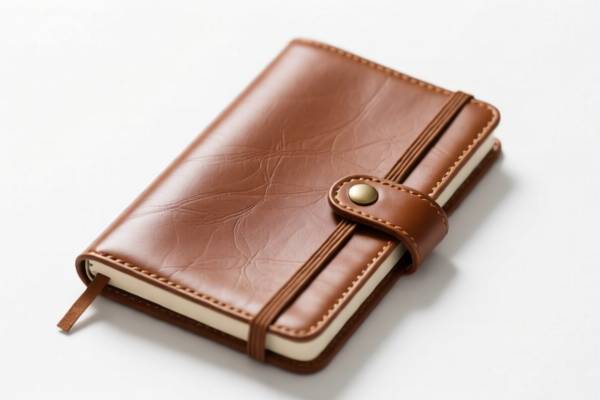
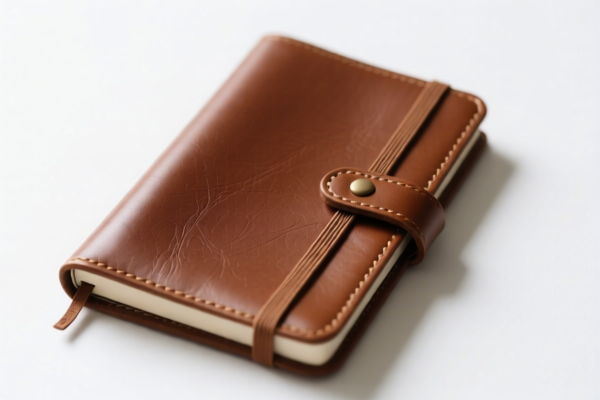
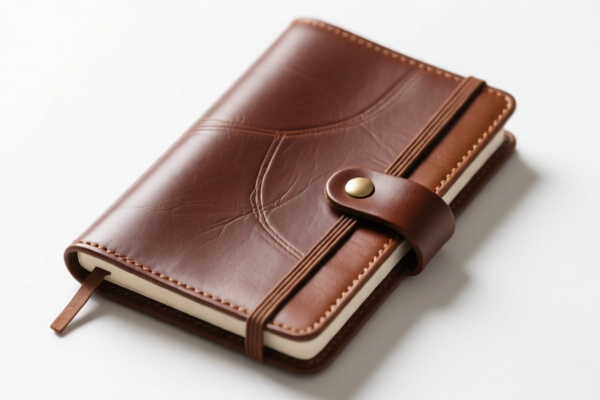
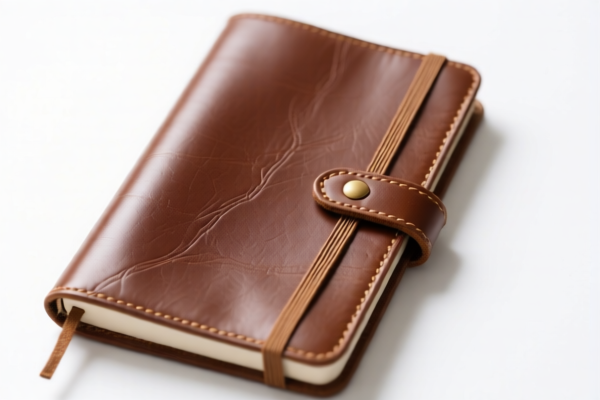
AI分析
📓 Fabric Cover Notebook (布面装订笔记本)
🌐 HS Code Reference & Customs Clearance Guide | 2026 Latest Tariff Analysis | Professional Strategy
📌 I. Product Definition & Classification: What Defines a "Fabric Cover Notebook"?
A Fabric Cover Notebook is a stationary product consisting of paper sheets bound together, featuring an outer cover made of textile material (fabric, cloth, or similar woven/non-woven materials). In international trade, its classification depends heavily on material composition and structural integrity.
Key Distinction Points: * Paper Core: The primary value carrier is the paper inside. * Cover Material: The defining feature is the fabric exterior, distinguishing it from cardboard or plastic covers. * Binding Method: Must be "bound" (sewn, glued, stitched), not merely a loose folder or unbound sheets.
⚠️ Critical Classification Logic:
- If the core is paper and the cover is fabric, it typically falls under Chapter 48 (Paper/Paperboard) as a writing book.
- If considered a textile accessory or "finished good" where the fabric component dominates the identity, it might fall under Chapter 62 (Articles of Apparel and Clothing Accessories).
- Note: Customs authorities often scrutinize these items for potential misclassification to avoid higher tariffs on textiles vs. paper products.
📦 II. HS Code Classification Details (2026 Latest Tariff Authority)
Based on the provided data, there are three potential classifications. The choice depends on how customs interprets the "essential character" of the item.
| HS Code | Product Description | Classification Logic | Core Material Assumption |
|---|---|---|---|
4820.10.20.60 |
Fabric-covered bound notebooks | Primary Classification: Focuses on the form (bound notebook) and material (fabric cover) within Chapter 48. | Paper (Core) + Fabric (Cover) |
4820.10.40.00 |
Bound notebooks (general) | Alternative Paper Classification: Focuses on the form (notebook) and infers the core carrier is paper, assuming fabric is just a binding material. | Paper (Core) |
6217.10.95.50 |
Other made-up clothing accessories | Textile Classification: Treats the notebook as a "finished consumer good" or "accessory" where the fabric nature dominates the classification. | Textile/Fabric (Dominant) |
🔍 Key Insight:
- Codes4820...are generally preferred for standard notebooks because the "essential character" is the paper content.
- Code6217...is riskier and often used for novelty items or when the fabric is the primary value driver (e.g., luxury fabric journals). However, for standard office supplies, customs may reject this if it contradicts the "paper" nature.
💰 III. 2026 Tariff Rate Breakdown (Including Surcharges & Policy Add-ons)
✅ Applicable Country: United States (US)
✅ Origin: China (CN)
✅ Effective Date: Current rates as per provided data (Note: Specific effective dates like Nov 2025 are not explicitly stated in the data for notebooks, but the tariff structure reflects current US-China trade tensions).
🎯 1. HS Code 4820.10.20.60 – Fabric-covered Bound Notebooks
| Item | Details |
|---|---|
| Base Duty Rate | 0.0% (ad valorem) |
| Section 301 Duty (Additional) | 25.0% (Standard USITC Footnote) |
| Section 122 Duty | 10.0% (Specific provision mentioned in data) |
| Total Duty Rate | 35.0% |
| Tax Calculation | CIF Value × 35% |
| De Minimis Exemption | ❌ Not Eligible (High duty rate usually negates $800 de minimis threshold for certain origins/conditions; verify with broker) |
| Legal Basis Path | USITC:4820.10.20.60 → Footnote:301 + 122Clause |
📌 Explanation:
- This code attracts the full burden of Section 301 tariffs (25%) and an additional 10% under Section 122 (if applicable to the specific product type/origin).
- Total impact is 35%, making cost control crucial.
🎯 2. HS Code 4820.10.40.00 – Bound Notebooks (General)
| Item | Details |
|---|---|
| Base Duty Rate | 0.0% |
| Section 301 Duty (Additional) | 25.0% |
| Section 122 Duty | 10.0% |
| Total Duty Rate | 35.0% |
| Tax Calculation | CIF Value × 35% |
| De Minimis Exemption | ❌ Not Eligible |
| Legal Basis Path | USITC:4820.10.40.00 → Footnote:301 + 122Clause |
📌 Note:
- Identical tax burden to4820.10.20.60.
- Use this code if the "fabric" aspect is deemed minimal or standard binding material, rather than a defining feature.
🎯 3. HS Code 6217.10.95.50 – Other Made-up Clothing Accessories
| Item | Details |
|---|---|
| Base Duty Rate | 14.6% |
| Section 301 Duty (Additional) | 7.5% |
| Section 122 Duty | 10.0% |
| Total Duty Rate | 32.1% |
| Tax Calculation | CIF Value × 32.1% |
| De Minimis Exemption | ❌ Not Eligible |
| Legal Basis Path | USITC:6217.10.95.50 → Footnote:301 + 122Clause |
📌 Why Lower?
- Although the base rate is higher (14.6% vs 0%), the Section 301 surcharge is significantly lower (7.5% vs 25%).
- Result: Total duty is 32.1%, which is 2.9% lower than the Chapter 48 options.
- Risk: Higher risk of customs reclassification if the item is deemed a "notebook" (Chapter 48) rather than an "accessory" (Chapter 62). Misclassification can lead to penalties.
🛠️ IV. Customs Clearance Practical Advice (Avoiding Pitfalls)
✅ 1. Documentation Checklist (Mandatory)
| Document | Required? | Notes |
|---|---|---|
| ✅ Product Specification Sheet | ✔️ | Must specify: Paper weight (GSM), number of pages, binding type, and fabric composition (e.g., 100% Cotton, Polyester blend). |
| ✅ Product Photos | ✔️ | Clear shots of the cover texture, binding, and interior pages. |
| ✅ Commercial Invoice | ✔️ | Describe as "Fabric Covered Notebooks" not just "Notebooks" to justify 4820.10.20.60 or 6217.10.95.50. |
| ✅ Certificate of Origin | ✔️ | Confirm CN origin for accurate tariff application. |
| ✅ Packing List | ✔️ | Include dimensions and weight per unit. |
✅ 2. Classification Strategy & Tips
🔥 "Cover Matters, Core Rules, Tax Optimization!"
| Scenario | Recommended HS Code | Reasoning |
|---|---|---|
| Standard Office Notebook (Fabric cover, paper inside) | 4820.10.20.60 or 4820.10.40.00 |
Core value is paper. Fabric is a covering. |
| Luxury/Lifestyle Journal (High-end fabric, decorative, low paper value) | 6217.10.95.50 |
Fabric is the essential character. Lower total duty (32.1%). |
| Plain Brown Paper Cover with Fabric Binding Only | 4820.10.40.00 |
Cover is not fully fabric; binding is minimal. |
✅ 3. Special Considerations
- De Minimis ($800 Rule):
- Most items from China are subject to Section 301 tariffs, which often disqualify them from de minimis exemption depending on current CBP enforcement. Assume no exemption unless confirmed by a broker.
- Section 122 Clauses:
- The 10% additional tariff is significant. Ensure your supplier declares the correct value. This applies to both Chapter 48 and 62 codes in the provided data.
- Misclassification Risk:
- Declaring as
6217(Textile) when customs views it as4820(Paper) may lead to reclassification audits. - Recommendation: If the item is a standard notebook, stick to
4820for compliance safety, despite the slightly higher duty (35% vs 32.1%). The risk penalty of misclassification outweighs the 2.9% saving.
- Declaring as
🌍 V. Global Market Comparison (2026 Snapshot)
| Market | Preferred HS Code | Total Duty (Approx) | Notes |
|---|---|---|---|
| 🇺🇸 USA | 4820.10.20.60 / 6217.10.95.50 |
35.0% or 32.1% | High tariffs due to 301 + 122 clauses. |
| 🇨🇳 China | 4820.10.20.60 |
~10-15% | Lower base rates, no 301/122. |
| 🇪🇺 EU | 4820.10.20.60 |
~4-6% | No Section 301/122. |
| 🇬🇧 UK | 4820.10.20.60 |
~4-6% | Post-Brexit tariffs lower than US. |
📌 Conclusion:
The US market is the most challenging due to the 35% or 32.1% combined duty.
Profit Margin Impact: A $10 notebook incurs $3.21–$3.50 in duties alone.
📌 VI. Common Errors & Pitfalls
❌ Error 1: Using "Stationery" or "Paper Product" as the description for 6217.10.95.50.
👉 Consequence: Customs may reject the textile classification and reclassify to 4820, leading to a 3.9% duty increase and potential penalties.
❌ Error 2: Assuming de minimis exemption applies.
👉 Consequence: Seizure or demand for immediate payment of $35 per $100 value. Check current CBP de minimis rules for China-origin goods.
❌ Error 3: Ignoring Section 122.
👉 Consequence: Underpayment of duty. This 10% is critical and often overlooked in initial quotes.
✅ Correct Approach:
Declaration: "Fabric Covered Bound Notebooks, Paper Core, 100gsm Paper, Cotton Blend Cover, Model XYZ."
HS Code:4820.10.20.60(for safety/compliance) or6217.10.95.50(for cost optimization, with legal review).
🎯 VII. Conclusion: Precision is Profit
🎯 Key Takeaways:
1. Compliance First: Use 4820.10.20.60 unless you have legal confirmation that 6217.10.95.50 is appropriate for your specific product design.
2. Cost Awareness: Budget for 35% total duty (USA).
3. Documentation: Clearly state "Fabric Cover" and "Paper Core" in all documents.
🔹 "HS Code determines fate. 35% duty is no joke. Declare accurately, save thousands!"
📌 Pro Tip:
If you are importing in bulk, consider Advance Rulings from CBP to lock in the classification and duty rate, avoiding surprise audits.
For small parcels, verify if your carrier offers DDP (Delivered Duty Paid) services to smooth out the $35+/$100 cost burden for end consumers.
✨ Professional clearance starts with precise classification!
💼 Your margin depends on every percentage point!
用户评价
关于 HS 编码归类
协调制度(HS)是由世界海关组织(WCO)制定的国际贸易商品分类标准。全球 200 多个国家采用 HS 系统作为海关关税、贸易统计和进出口监管的基础。
每个 HS 编码遵循以下层级结构:
- 章(2 位)——商品大类(例如:第 84 章:机器和机械设备)
- 品目(4 位)——章内的更具体分类
- 子目(6 位)——国际通用细分,所有 WCO 成员国统一使用
- 本国细分(8-10 位)——各国自行扩展的细分编码,如美国 HTSUS 10 位编码
正确的 HS 编码归类对于顺利通关、准确缴纳关税和遵守贸易法规至关重要。错误归类可能导致海关延误、多缴关税或罚款。
从CN进口到US时,适用的关税税率可能包括:
- 最惠国(MFN)税率——适用于 WTO 成员国的标准关税税率
- 普通税率——适用于无贸易协定国家
- 贸易救济关税——附加关税,如 301 条款(反倾销)、232 条款(国家安全)或反补贴税
本页内容仅供参考。如需正式归类,请咨询当地海关或持牌报关代理。