Fabric Pants
CN → US| HS编码 | 关税税率 | 原产国 | 目的国 | 文档 |
|---|---|---|---|---|
| 6204639011 | 46.1% | CN | US | 官方文档 |
| 6104632011 | 45.7% | CN | US | 官方文档 |
| 6203424518 | 34.1% | CN | US | 官方文档 |
| 6104622011 | 32.4% | CN | US | 官方文档 |
| 5906911000 | 37.7% | CN | US | 官方文档 |
商品图片
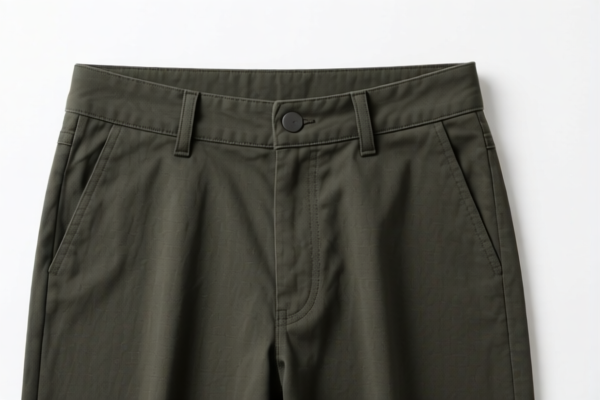
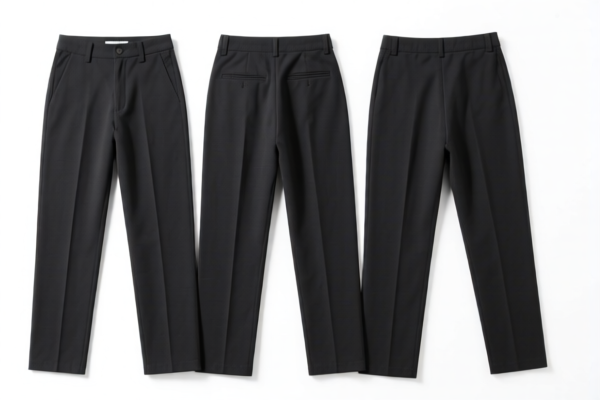
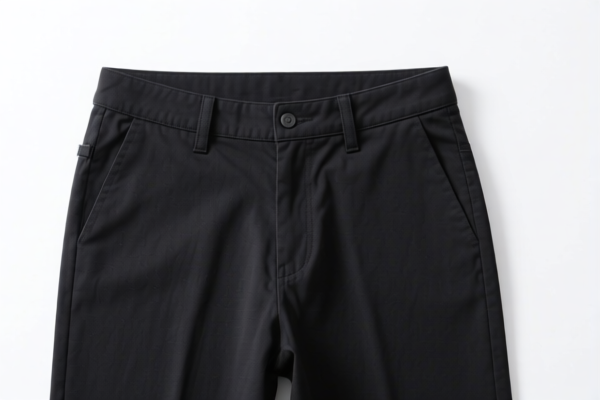

AI分析
👖 Fabric Pants (Woven & Knitted Trousers)
🌐 HS Code Reference & Customs Clearance Guide | 2026 Latest Tariff Analysis | Professional Compliance Strategy
📌 I. Product Definition & Classification: Do You Really Know "Fabric Pants"?
In international trade, "Fabric Pants" is a broad term that requires precise differentiation based on manufacturing method (Woven vs. Knitted) and material composition (Cotton, Synthetic, etc.). Misclassification here leads to significant tariff discrepancies and customs delays.
Woven Pants (e.g., Chinos, Trousers, Dress Pants):
- Made by interlacing threads at right angles.
- Typically structured, crisp, and formal or casual business wear.
- Primary HS Chapter: 62 (Articles of apparel and clothing accessories, not knitted or crocheted).
Knitted Pants (e.g., Sweatpants, Joggers, Leggings, Athletic Trousers):
- Made by interlocking loops of yarn.
- Typically stretchy, comfortable, and sporty.
- Primary HS Code: 61 (Articles of apparel and clothing accessories, knitted or crocheted).
⚠️ Key Distinction Point:
- If the fabric is woven (like denim or suit fabric) → Chapter 62.
- If the fabric is knitted (like jersey or sweatpant material) → Chapter 61.
- Note: "Fabric" alone is not a valid HS description. You must specify Woven/Knitted and Material.
📦 II. HS Code Classification Details (Based on Provided Data)
The following HS codes are derived from the specific import profile provided. They cover both woven and knitted variants, ranging from high-tax synthetic/wollen blends to lower-tax cotton options.
| HS Code | Product Description | Material/Type Inference | Tax Rate Profile |
|---|---|---|---|
6204.63.90.11 |
Woven Trousers | Synthetic/Acrylic Blends "No obvious material conflict" |
46.1% (Highest) |
6104.63.20.11 |
Knitted Trousers | Synthetic/Acrylic Blends "Knitted material inferred" |
45.7% (High) |
6203.42.45.18 |
Woven Trousers (Long/Maui) | Cotton or Other Fibers "Long pants/Maui pants form" |
34.1% (Medium) |
6104.62.20.11 |
Knitted Trousers | Cotton "Cotton material inferred" |
32.4% (Medium-Low) |
5906.91.10.00 |
Rubberized Textile Fabric | Raw Material/Fabric "Rubberized textile logic" |
37.7% (Material Level) |
🔍 Critical Insight:
- Woven (6204) vs. Knitted (6104): The prefix "62" indicates woven, while "61" indicates knitted.
- Material Impact:
- Synthetic/Acrylic blends attract the highest duties (~46%).
- Cotton variants are significantly cheaper (~32-34%).
- Fabric vs. Garment:5906.91.10.00is for fabric rolls (rubberized), not finished pants. Do not use this for garments.
💰 III. 2026 Latest Tariff Rate Breakdown (Detailed Tax Clauses)
✅ Applicable Country: USA
✅ Origin: China (CN)
✅ Effective Date: Ongoing Trade War Surcharge
The total tax burden consists of three layers: Base Duty, Section 301 Tariff (7.5%), and Section 122 Tariff (10%).
🎯 1. 6204.63.90.11 —— Woven Trousers (Synthetic/High Tax)
| Item | Detail |
|---|---|
| Base Duty | 28.6% |
| Section 301 Tariff | +7.5% |
| Section 122 Tariff | +10.0% |
| Total Tax Rate | 46.1% |
| Calculation | CIF Value × 46.1% |
| De Minimis Exemption | ❌ NOT Eligible (Value > $800 threshold is not exempt from these specific surcharges if misdeclared) |
| Legal Basis | HTSUS:6204.63.90.11 → Section 301 Footnote → Section 122 Executive Order |
📌 Explanation:
- This code represents Woven pants with a material profile that attracts the highest base duty.
- The 46.1% total rate makes this category extremely expensive for importers.
- Risk: High likelihood of customs scrutiny if material composition is unclear.
🎯 2. 6104.63.20.11 —— Knitted Trousers (Synthetic)
| Item | Detail |
|---|---|
| Base Duty | 28.2% |
| Section 301 Tariff | +7.5% |
| Section 122 Tariff | +10.0% |
| Total Tax Rate | 45.7% |
| Calculation | CIF Value × 45.7% |
| De Minimis Exemption | ❌ NOT Eligible |
| Legal Basis | HTSUS:6104.63.20.11 → Section 301 → Section 122 |
📌 Note:
- Knitted pants have a slightly lower base duty (28.2%) than woven (28.6%), but the surcharges are identical.
- Still considered high-risk/high-cost due to the base rate.
🎯 3. 6203.42.45.18 —— Woven Trousers (Cotton/Other)
| Item | Detail |
|---|---|
| Base Duty | 16.6% |
| Section 301 Tariff | +7.5% |
| Section 122 Tariff | +10.0% |
| Total Tax Rate | 34.1% |
| Calculation | CIF Value × 34.1% |
| De Minimis Exemption | ❌ NOT Eligible |
| Legal Basis | HTSUS:6203.42.45.18 → Section 301 → Section 122 |
📌 Explanation:
- This is a cost-effective option for Woven pants if made of Cotton.
- The base duty drops significantly to 16.6%.
- Suitable for: Chinos, dress pants, or long pants with a structured fit.
🎯 4. 6104.62.20.11 —— Knitted Trousers (Cotton)
| Item | Detail |
|---|---|
| Base Duty | 14.9% |
| Section 301 Tariff | +7.5% |
| Section 122 Tariff | +10.0% |
| Total Tax Rate | 32.4% |
| Calculation | CIF Value × 32.4% |
| De Minimis Exemption | ❌ NOT Eligible |
| Legal Basis | HTSUS:6104.62.20.11 → Section 301 → Section 122 |
📌 Note:
- Lowest Total Rate among all garment options provided.
- Ideal for Sweatpants, Joggers, or Athletic Leggings made of Cotton.
- Recommendation: If your product is cotton-based, ensure it is classified here to save ~14% compared to synthetic woven pants.
🎯 5. 5906.91.10.00 —— Rubberized Textile Fabric (Raw Material)
| Item | Detail |
|---|---|
| Base Duty | 2.7% |
| Section 301 Tariff | +25.0% |
| Section 122 Tariff | +10.0% |
| Total Tax Rate | 37.7% |
| Calculation | CIF Value × 37.7% |
| De Minimis Exemption | ❌ NOT Eligible |
| Legal Basis | HTSUS:5906.91.10.00 → Section 301 → Section 122 |
📌 Critical Warning:
- This code is for FABRIC ROLLS, NOT finished pants.
- Do not use this for garments. Using a fabric code for pants is customs fraud.
- However, if you are importing rubberized textile fabric to manufacture pants locally, this is the correct code.
- Base Duty is very low (2.7%), but Section 301 surcharge is high (25%).
🛠️ IV. Customs Clearance Practical Advice (Pitfall Avoidance)
✅ 1. Mandatory Documentation Checklist
| Document | Requirement | Why It’s Needed |
|---|---|---|
| ✅ Commercial Invoice | ✔️ Must state "Woven" or "Knitted" + "Cotton" or "Synthetic" | Determines HS Code and Base Duty. Vague terms like "Fabric Pants" will cause delays. |
| ✅ Packing List | ✔️ Detail quantity, weight, dimensions | Standard customs requirement. |
| ✅ Product Photographs | ✔️ Clear front/back view + Label close-up | Proves "Woven" vs. "Knitted" texture. |
| ✅ Material Composition Label | ✔️ E.g., "100% Cotton" or "95% Polyester, 5% Spandex" | Critical for distinguishing between 6104.62 (Cotton) and 6104.63 (Synthetic). |
| ✅ Bill of Lading / Air Waybill | ✔️ Standard shipping doc | Proof of title and origin. |
✅ 2. Declaration Best Practices (Golden Rules)
🔥 "Be Specific: Woven/Knitted + Material = Correct Duty!"
| Scenario | Correct Declaration | Wrong Declaration | Consequence |
|---|---|---|---|
| Cotton Sweatpants | 6104.62.20.11 – Knitted Cotton Trousers |
"Fabric Pants" | ❌ Delayed clearance, potential penalty. |
| Polyester Chinos | 6204.63.90.11 – Woven Synthetic Trousers |
"Cotton Pants" | ❌ Underpayment of duty (Base 28.6% vs 16.6%). |
| Rubberized Fabric | 5906.91.10.00 – Rubberized Textile Fabric |
"Pants" | ❌ Severe Misclassification. Fraud. |
| Mixed Material | Specify % of each fiber | "Other Fabric" | ❌ Customs may assign highest default rate. |
✅ 3. Strategic Cost-Saving Tips
| Strategy | Action | Potential Savings |
|---|---|---|
| Material Optimization | Switch from Synthetic to Cotton if design allows. | Saves ~13-14% in total tax (32.4% vs 46.1%). |
| Knitted vs. Woven | If design permits, Knitted (Joggers) often has lower base duty than Woven for similar materials. | Saves ~0.4-1.7% depending on material. |
| Avoid "Fabric" Code for Garments | Never declare pants as 5906.91.10.00 (Fabric). |
Avoids 100% Duty Reassessment + Penalties. |
| Pre-Ruling | Apply for Import Ruling from CBP if material composition is ambiguous. | Prevents post-audit penalties. |
🌍 V. Global Market Comparison (2026)
| Market | Recommended HS Code (Cotton Pants) | Base Duty | Additional Surcharges | Total Impact |
|---|---|---|---|---|
| 🇺🇸 USA | 6104.62.20.11 or 6203.42.45.18 |
14.9% - 16.6% | +32.5% (301 + 122) | 32.4% - 34.1% |
| 🇪🇺 EU | 6104.63 / 6204.63 |
12% | None (if no anti-dumping) | ~12% |
| 🇨🇳 China | 6104.62 / 6204.63 |
10-15% | None | ~10-15% |
| 🇬🇧 UK | 6104.62 / 6204.63 |
12% | None | ~12% |
📌 Conclusion:
- USA is the most expensive market due to the combined effect of Section 301 (7.5%) and Section 122 (10%) tariffs on Chinese goods.
- EU/UK/China have no such aggressive surcharges, making them more competitive for labor-intensive goods like pants.
- Strategy: Consider diversifying supply chains (e.g., Vietnam, India) to avoid US surcharges if targeting the US market.
📌 VI. Common Errors & Pitfalls (Lessons Learned)
❌ Error 1: Declaring "Fabric Pants" without specifying Woven/Knitted.
👉 Result: Customs cannot determine the Chapter (61 vs 62). Holds and Delays.
❌ Error 2: Using 5906.91.10.00 (Fabric Code) for finished pants.
👉 Result: Severe Penalty. This is for raw materials, not garments.
❌ Error 3: Mislabeling Synthetic as Cotton.
👉 Result: Underpayment of duty (e.g., 16.6% instead of 28.6%). CBP will assess back-taxes + Interest.
✅ Correct Declaration Example:
"WOMEN'S COTTON KNITTED JOGGERS, 100% COTTON, HS 6104.62.20.11"
"MEN'S POLYESTER WOVEN CHINOS, 98% POLY, 2% SP, HS 6204.63.90.11"
🎯 VII. Conclusion: Precision Saves Money!
🎯 Remember:
🔹 "Woven vs. Knitted + Material = Duty Rate."
🔹 "Cotton is King for Lower Duties in the US."
🔹 "Never Declare Pants as Fabric."
🔹 "Section 301 + 122 = 17.5% Extra Tax. Plan for it!"
📌 Pro Tip:
If your pants are made of Synthetic material and you are targeting the US market, consider:
1. Switching to Cotton if design allows (saves ~13%).
2. Using a Non-Chinese Supplier to avoid Section 301/122 tariffs.
3. Applying for an Exclusion (if available under current trade policies).
📣 Immediate Action:
📞 Verify Material Composition with your factory.
📝 Check HS Code against the 5 options provided.
🚀 Calculate Landed Cost including 32.4%-46.1% duties before shipping.
✨ Professional Customs Clearance Starts with Accurate Classification!
💼 Every Percentage Point Saved is Pure Profit!
用户评价
关于 HS 编码归类
协调制度(HS)是由世界海关组织(WCO)制定的国际贸易商品分类标准。全球 200 多个国家采用 HS 系统作为海关关税、贸易统计和进出口监管的基础。
每个 HS 编码遵循以下层级结构:
- 章(2 位)——商品大类(例如:第 84 章:机器和机械设备)
- 品目(4 位)——章内的更具体分类
- 子目(6 位)——国际通用细分,所有 WCO 成员国统一使用
- 本国细分(8-10 位)——各国自行扩展的细分编码,如美国 HTSUS 10 位编码
正确的 HS 编码归类对于顺利通关、准确缴纳关税和遵守贸易法规至关重要。错误归类可能导致海关延误、多缴关税或罚款。
从CN进口到US时,适用的关税税率可能包括:
- 最惠国(MFN)税率——适用于 WTO 成员国的标准关税税率
- 普通税率——适用于无贸易协定国家
- 贸易救济关税——附加关税,如 301 条款(反倾销)、232 条款(国家安全)或反补贴税
本页内容仅供参考。如需正式归类,请咨询当地海关或持牌报关代理。