Fabric Reinforced Plastic Conveyor Belt
CN → US| HS编码 | 关税税率 | 原产国 | 目的国 | 文档 |
|---|---|---|---|---|
| 5910009000 | 37.6% | CN | US | 官方文档 |
| 5910001070 | 39.0% | CN | US | 官方文档 |
| 8431390010 | 35.0% | CN | US | 官方文档 |
商品图片
AI分析
🏭 Fabric Reinforced Plastic Conveyor Belt
🌐 HS Code Reference & Customs Clearance Guide | 2026 Latest Tariff Analysis | Professional Clearance Strategy
📌 I. Product Definition & Classification: Do You Really Understand "Fabric Reinforced Plastic Conveyor Belt"?
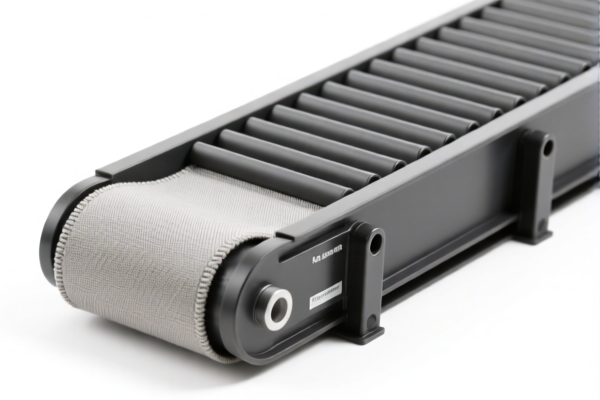
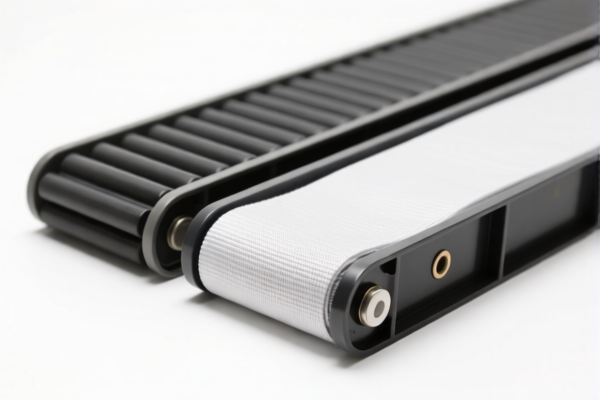
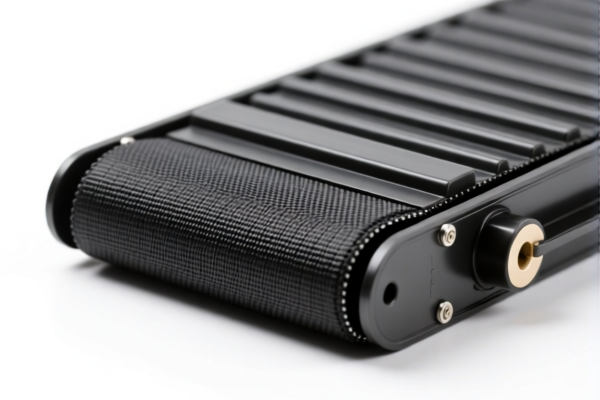
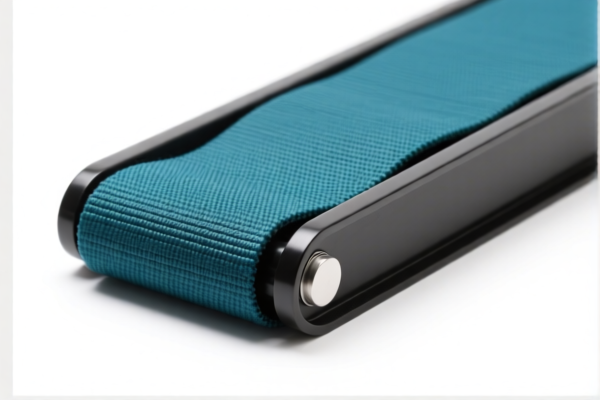
A Fabric Reinforced Plastic Conveyor Belt is a specialized industrial component designed for material handling. It typically consists of a plastic (often PVC, PU, or Rubber-compound) belt core reinforced with textile fabrics (nylon, polyester, cotton) to enhance tensile strength and durability. In international trade, its classification depends on its primary function (conveying vs. transmitting power) and material composition.
In the context of US Customs and Border Protection (CBP) data provided, three distinct HS Codes are potential candidates, depending on how the "plastic" and "fabric" components interact and the specific machine it serves.
⚠️ Key Distinction Points:
- If the belt is primarily for conveying materials (moving goods from A to B) and is made largely of textile/fabric with plastic coating → Chapter 59.
- If the belt is primarily for transmitting power (acting like a drive belt) or has mixed textile/plastic properties → Chapter 59 (Other).
- If the belt is considered a part/accessory to a specific lifting or conveying machine, and not a standalone generic belt → Chapter 84.
📦 II. HS Code Classification Details (2026 Latest Tariff Authority Comparison)
Based on the provided data, here are the three valid classifications for US Import (China Origin):
| HS Code | Product Description | Applicable Scenario | Primary Function |
|---|---|---|---|
| 5910.00.90.00 | Textile Reinforced Conveyor Belts (Other) | Generic conveying belts; fabric core with plastic/rubber cover; not primarily for power transmission. | Conveying |
| 5910.00.10.70 | Other Conveyor/Transmission Belts (Textile/Artificial Fiber) | Belts with mixed textile/plastic properties; may serve both transmission and conveying roles; "Other" category under 5910. | Conveying / Transmission |
| 8431.39.00.10 | Parts of Lifting/Conveying Machinery | The belt is a specific, identifiable part of a larger conveyor system or elevator; not a general-purpose belt. | Part of Machine |
🔍 Key Reminder:
- 5910 covers "Transmission belts or conveyor belts, of vulcanized rubber or of plastic, reinforced with textile or other materials."
- If the "plastic" component is dominant and the belt is generic, 5910.00.90.00 is the most common fit.
- If the belt is sold as a spare part for a specific machine model, 8431.39.00.10 may apply, but this is risky if the belt is a standard commodity.
💰 III. 2026 Latest Tariff Rate Breakdown (Including Additional Taxes & Policy Add-ons)
✅ Applicable Country: United States (US)
✅ Origin: China (CN)
✅ Effective Date: Post-November 2025 (Current Trade Policy)
🎯 1. HS Code 5910.00.90.00 —— Textile Reinforced Conveyor Belt (Other)
| Item | Content |
|---|---|
| Base Duty Rate | 2.6% |
| Section 301 Additional Duty | +25.0% (USITC Footnote 9903.88.01) |
| IEEPA Section 122 Duty | +10.0% (Targeting China/HK products) |
| Total Effective Rate | 37.6% |
| Tax Calculation | CIF Value × 37.6% |
| De Minimis Exemption | ❌ Not Applicable (denied) |
| Legal Basis Path | IEEPA:9903.01.25 → IEEPA:9903.01.24 → USITC:5910.00.90.00 → FOOTNOTE:9903.88.01 |
📌 Explanation:
- This is the standard classification for most generic fabric-reinforced conveyor belts.
- The 37.6% total rate includes a low base duty (2.6%) but heavy US-imposed tariffs (35%).
- Critical: This is a high-cost classification. Plan margins accordingly.
🎯 2. HS Code 5910.00.10.70 —— Other Conveyor/Transmission Belts (Textile/Artificial Fiber)
| Item | Content |
|---|---|
| Base Duty Rate | 4.0% |
| Section 301 Additional Duty | +25.0% |
| IEEPA Section 122 Duty | +10.0% |
| Total Effective Rate | 39.0% |
| Tax Calculation | CIF Value × 39.0% |
| De Minimis Exemption | ❌ Not Applicable (denied) |
| Legal Basis Path | IEEPA:9903.01.25 → IEEPA:9903.01.24 → USITC:5910.00.10.70 → FOOTNOTE:9903.88.01 |
📌 Explanation:
- This code applies if the belt is considered "Other" under 5910, possibly due to specific artificial fiber content or dual-use (transmission/conveying).
- The rate is 0.4% higher than 5910.00.90.00 due to a higher base duty (4.0% vs 2.6%).
- Caution: Ensure the product does not strictly fit "90.00" before choosing this, as it is more expensive.
🎯 3. HS Code 8431.39.00.10 —— Parts of Lifting/Conveying Machinery (Other)
| Item | Content |
|---|---|
| Base Duty Rate | 0.0% |
| Section 301 Additional Duty | +25.0% |
| IEEPA Section 122 Duty | +10.0% |
| Total Effective Rate | 35.0% |
| Tax Calculation | CIF Value × 35.0% |
| De Minimis Exemption | ❌ Not Applicable (denied) |
| Legal Basis Path | IEEPA:9903.01.25 → IEEPA:9903.01.24 → USITC:8431.39.00.10 → FOOTNOTE:9903.88.01 |
📌 Explanation:
- Lowest Total Rate (35.0%) among the three options.
- High Risk: This classification is only valid if the belt is explicitly identified as a replacement part for a specific machine (e.g., "Conveyor Belt for Model X Elevator/Conveyor System").
- If imported as a general "conveyor belt" without linking to a specific machine part number, CBP may reclassify it to Chapter 59, leading to back duties and penalties.
- Strategic Use: Only use this if you have a clear "Part Number" linkage and the buyer is the machine owner/operator.
🛠️ IV. Customs Clearance Practical Advice (Battle-Tested Pitfall Avoidance Guide)
✅ 1. Required Documentation Checklist (Non-Negotiable)
| Document | Mandatory? | Description |
|---|---|---|
| ✅ Product Specification Sheet | ✔️ | Must detail: Material (Plastic type, Fabric type), Thickness, Width, Length, Reinforcement method. |
| ✅ Product Photos (Clear) | ✔️ | Show the belt’s cross-section (if possible) and surface texture. Label must be visible. |
| ✅ Commercial Invoice | ✔️ | Must state: "Fabric Reinforced Plastic Conveyor Belt" and the specific HS Code. |
| ✅ Packing List | ✔️ | Detail weight, dimensions, and number of rolls/belts. |
| ✅ Country of Origin Certificate | ✔️ | Essential for calculating Section 301 and IEEPA duties. |
| ✅ Part Number/Machine Compatibility List | (Only for 8431) | If using HS 8431.39.00.10, provide a document linking the belt to a specific machine model/part number. |
✅ 2. Declaration Tips (Key Mantra)
🔥 "Material Defines Chapter 59, Function Defines Part 84. Name Precisely, Avoid Re-classification!"
| Scenario | Correct Declaration | Wrong Practice | Consequence |
|---|---|---|---|
| Generic Belt | 5910.00.90.00 Description: Fabric Reinforced Plastic Conveyor Belt |
Claiming "Part of Machine" to get 35% | High Risk: CBP will reclassify to 5910 → 37.6% + Penalties |
| Specific Spare Part | 8431.39.00.10 Description: Conveyor Belt Part for [Machine Model] |
Calling it "Generic Belt" | Missed Savings: Pay 37.6% instead of 35.0% |
| Mixed Use Belt | 5910.00.10.70 |
Mislabeling as "Transmission Belt Only" | Audit Risk: If not for transmission, incorrect classification |
✅ 3. Special Case Handling
| Case | Handling Advice |
|---|---|
| OEM/Custom Belt | Provide the buyer’s design specs. If it’s a unique shape/part, argue for 8431.39.00.10 if it’s a direct replacement. |
| Belt + Rolls + Hardware | Declare the Belt as the primary item. Rolls may be separate parts. Do not bundle generic belts with machine parts in one line if possible. |
| Plastic Type | Specify if it’s PVC, PU, or Rubber. "Plastic" is broad; CBP may ask for clarification on "vulcanized" status. |
| Fabric Content | If >50% fabric by weight/value, ensure it doesn’t fall under Chapter 60 (Knitted Fabrics). It’s still 5910, but be prepared to explain the construction. |
🌍 V. Global Market Comparison for Conveyor Belts (2026)
| Country/Region | Recommended HS Code | Duty Rate (China Origin) | Notes |
|---|---|---|---|
| 🇺🇸 USA | 5910.00.90.00 |
37.6% | High tariffs due to Section 301 & IEEPA. |
| 🇨🇳 China | 5910.00.90.00 |
~5-10% | Lower import duties; no Section 301. |
| 🇪🇺 EU | 5910.00.90 |
~0-2% | No major anti-dumping on generic belts. |
| 🇲🇽 Mexico | 5910.00.00 |
0% (USMCA) | If eligible for USMCA origin. |
📌 Conclusion:
- The US market is the most costly for Chinese-made conveyor belts due to layered tariffs.
- 35% (via 8431) is the lowest possible rate, but it requires strict documentation proving "part of machinery."
- 37.6% is the standard safe rate for generic belts.
📌 VI. Common Mistakes & Pitfalls (Blood & Tears Lessons)
❌ Mistake 1: Using HS 8431.39.00.10 for a generic belt sold to a trading company.
👉 Result: CBP rejects "part" claim, reclassifies to 5910.00.90.00, demands 37.6% instead of 35.0%, plus interest.
❌ Mistake 2: Declaring as "Rubber Belt" when it’s "Plastic/PVC."
👉 Result: Misdescription leads to delays, requests for lab tests, and potential fines for false declaration.
❌ Mistake 3: Ignoring IEEPA Section 122.
👉 Result: Even if you find a lower base duty, the +10% IEEPA still applies. Total rate is not negotiable on this add-on.
❌ Mistake 4: Assuming "Textile" means Chapter 60.
👉 Result: Belts are Chapter 59. Textile is just the reinforcement. Don’t use 60.xx codes.
✅ Correct Approach:
"Fabric Reinforced Conveyor Belt, PVC/Polyurethane Cover, Polyester Fabric Core, Width: [X] mm, Length: [Y] mm. HS: 5910.00.90.00."
🎯 VII. Conclusion: Professional Classification, Cost Control, Smooth Clearance!
🎯 Remember the Mantra:
🔹 "Generic Belt = 5910 (37.6%); Specific Part = 8431 (35.0%); Don’t Risk the 2.6% Difference!"
🔹 "Tariff is Tariff, Base or Add-on. Plan for 35-39%."
📌 Pro Tip:
If your buyer can prove the belt is a replacement part for a specific machine they own, use HS 8431.39.00.10 to save 2.6%. If it’s a general commodity, use 5910.00.90.00. Do not mix strategies.
📣 Immediate Action:
📞 Verify the "Part Number" link with your buyer.
📄 Prepare detailed product specs.
🚀 Clear customs efficiently, minimize duties, maximize profit!
✨ Professional clearance starts with accurate classification!
💼 Every percentage point counts in international trade!
用户评价
关于 HS 编码归类
协调制度(HS)是由世界海关组织(WCO)制定的国际贸易商品分类标准。全球 200 多个国家采用 HS 系统作为海关关税、贸易统计和进出口监管的基础。
每个 HS 编码遵循以下层级结构:
- 章(2 位)——商品大类(例如:第 84 章:机器和机械设备)
- 品目(4 位)——章内的更具体分类
- 子目(6 位)——国际通用细分,所有 WCO 成员国统一使用
- 本国细分(8-10 位)——各国自行扩展的细分编码,如美国 HTSUS 10 位编码
正确的 HS 编码归类对于顺利通关、准确缴纳关税和遵守贸易法规至关重要。错误归类可能导致海关延误、多缴关税或罚款。
从CN进口到US时,适用的关税税率可能包括:
- 最惠国(MFN)税率——适用于 WTO 成员国的标准关税税率
- 普通税率——适用于无贸易协定国家
- 贸易救济关税——附加关税,如 301 条款(反倾销)、232 条款(国家安全)或反补贴税
本页内容仅供参考。如需正式归类,请咨询当地海关或持牌报关代理。