Fabric Travel Bag
CN → US| HS编码 | 关税税率 | 原产国 | 目的国 | 文档 |
|---|---|---|---|---|
| 4202923120 | 52.6% | CN | US | 官方文档 |
| 4202128910 | 52.6% | CN | US | 官方文档 |
| 6307909891 | 24.5% | CN | US | 官方文档 |
| 4202923131 | 52.6% | CN | US | 官方文档 |
| 6307909875 | 17.0% | CN | US | 官方文档 |
| 3923290000 | 38.0% | CN | US | 官方文档 |
商品图片
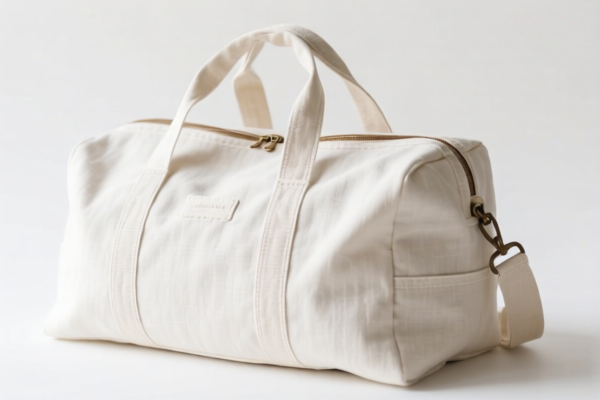
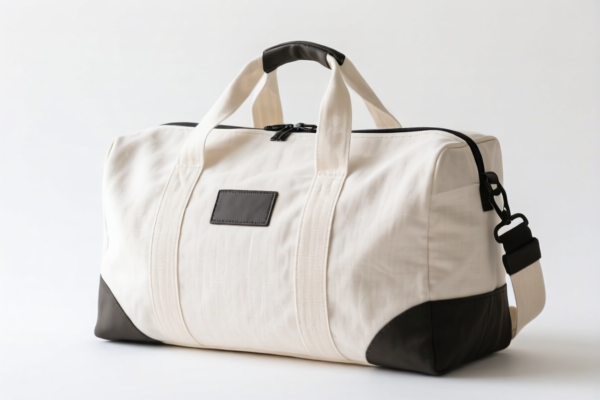
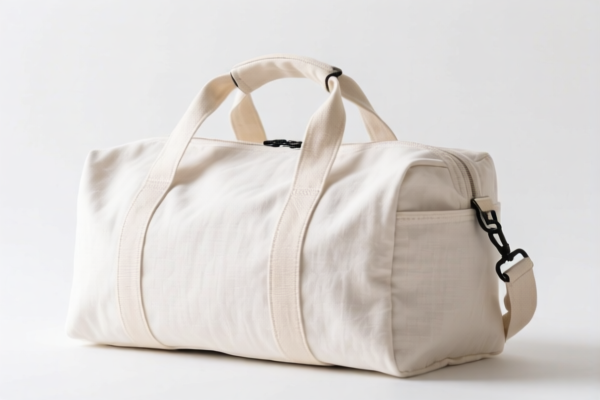
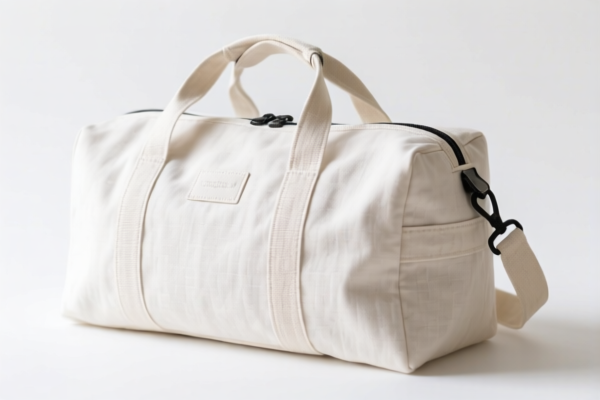
AI分析
👜 Fabric Travel Bag (Textile Travel Luggage)
🌐 HS Code Reference & Customs Clearance Guide | 2026 Latest Tariff Analysis | Professional Entry Strategy
📌 I. Product Definition & Classification: What Exactly Is a "Fabric Travel Bag"?
A "Fabric Travel Bag" falls under the broad category of Articles of Apparel and Clothing Accessories, specifically Luggage, Handbags, and Satchels. In international trade, the classification hinges on two critical factors:
1. Form/Function: Is it a primary travel vessel (suitcase-style) or a secondary accessory (pouch/organizer)?
2. Material: Specifically, is the outer surface made of textile materials (cotton, polyester, nylon, etc.)?
⚠️ Key Distinction:
- If it is a primary travel bag (used for carrying clothes/essentials during travel) made of textile material → It generally falls under Chapter 42 (Articles of Leather; Saddle and Harness; Travel Goods).
- If it is a travel organizer/pouch (used inside a suitcase to organize items) made of textile material → It may fall under Chapter 63 (Other Made Up Textile Articles).
📦 II. HS Code Classification Details (2026 Latest Authorized Comparison)
Based on the provided data, here are the precise HS Codes applicable to Fabric Travel Bags, along with their logical justification:
| HS Code | Product Description & Justification | Tax Rate (Total) | Key Tariff Breakdown |
|---|---|---|---|
4202.92.31.20 |
Travel Bag, Textile Outer Surface Specifically matches the form of a Travel Bag with an outer surface of Textile Materials (Synthetic Fibers). |
52.6% | Base: 17.6% + Section 301: 25.0% + Section 122: 10.0% |
4202.12.89.10 |
Travel Bag, Textile Outer Surface Matches the form of a Travel Bag with an outer surface of Textile Materials (General). |
52.6% | Base: 17.6% + Section 301: 25.0% + Section 122: 10.0% |
6307.90.98.91 |
Travel Organizer/Pouch, Textile Material Matches the form of a Travel Storage Bag/Pouch, inferred material is Textile. Note: Often used for packing cubes or internal organizers. |
24.5% | Base: 7.0% + Section 301: 7.5% + Section 122: 10.0% |
4202.92.31.31 |
Travel Goods, Textile Material Matches the use case as Travel Goods, inferred material is Textile. |
52.6% | Base: 17.6% + Section 301: 25.0% + Section 122: 10.0% |
6307.90.98.75 |
Travel Bag/Pouch, Textile Material Matches the form of a Travel Bag (often interpreted as accessory/pouch in some contexts), inferred material is Textile. |
17.0% | Base: 7.0% + Section 301: 0.0% + Section 122: 10.0% |
🔍 Critical Analysis:
- Primary Travel Bags (4202 Series): If the item is a standalone suitcase, duffel bag, or weekender bag, it is classified under Chapter 42. The total tax rate is typically 52.6%.
- Accessories/Organizers (6307 Series): If the item is a packing cube, shoe bag, or internal organizer, it is classified under Chapter 63. The tax rate varies significantly, ranging from 17.0% to 24.5%.
- The "122 Clause": All listed codes include a 10% tariff under Section 122 (likely referring to specific US trade measures or retaliatory tariffs on certain Chinese goods). This is a fixed addition across the board in the provided data.
💰 III. 2026 Latest Tariff Rate Breakdown (In-Depth)
✅ Applicable Country: United States (US)
✅ Origin: China (CN) (Inferred from "Section 122" and "Section 301" context in the tax details)
✅ Effective Time: Current as of 2026 Analysis
🎯 1. 4202.92.31.20 / 4202.12.89.10 / 4202.92.31.31 —— Primary Travel Bags (Textile)
| Item | Detail |
|---|---|
| Base Duty Rate | 17.6% (Ad Valorem) |
| Section 301 Duty | +25.0% (Retaliatory tariff on Chinese goods) |
| Section 122 Duty | +10.0% (Specific trade measure) |
| Total Effective Rate | 52.6% |
| Tax Calculation | CIF Value × 52.6% |
| De Minimis Exemption? | ❌ NO (High value goods over $800 threshold do not qualify, and even under $800, high rates apply if declared properly) |
| Legal Path | USITC:4202.92.31.20 → Section 301 Footnote → Section 122 |
📌 Explanation:
- The 17.6% base rate is standard for textile travel goods under Chapter 42.
- The 25% Section 301 tariff is a significant barrier, effectively doubling the cost base.
- The 10% Section 122 tariff is an additional layer, often applied to specific categories of consumer goods from China.
- Result: A 52.6% total tax burden makes these items high-cost for US importers.
🎯 2. 6307.90.98.91 —— Travel Organizers/Pouches (Textile)
| Item | Detail |
|---|---|
| Base Duty Rate | 7.0% (Ad Valorem) |
| Section 301 Duty | +7.5% (Reduced Section 301 rate for certain textile accessories) |
| Section 122 Duty | +10.0% |
| Total Effective Rate | 24.5% |
| Tax Calculation | CIF Value × 24.5% |
| De Minimis Exemption? | ⚠️ Check Threshold (May be eligible under $800 de minimis if declared correctly as "other made up articles") |
| Legal Path | USITC:6307.90.98.91 → Section 301 List 4B → Section 122 |
📌 Explanation:
- This code offers a significant tax advantage (24.5% vs 52.6%) if the product can be classified as a storage pouch/organizer rather than a primary travel bag.
- The Section 301 rate is lower (7.5%) for this category, reflecting trade policy distinctions between "luggage" and "textile accessories."
🎯 3. 6307.90.98.75 —— Travel Bags/Pouches (Specific Textile)
| Item | Detail |
|---|---|
| Base Duty Rate | 7.0% (Ad Valorem) |
| Section 301 Duty | 0.0% (Exempt or excluded from Section 301) |
| Section 122 Duty | +10.0% |
| Total Effective Rate | 17.0% |
| Tax Calculation | CIF Value × 17.0% |
| De Minimis Exemption? | ✅ Likely Eligible for small parcels under $800 (de minimis) |
| Legal Path | USITC:6307.90.98.75 → No Section 301 → Section 122 |
📌 Explanation:
- This is the most tax-efficient option at 17.0%.
- It likely refers to a specific type of textile accessory (e.g., a specific pouch or bag not covered by the higher 4202 rates) that benefits from zero Section 301 tariffs.
- Caution: The description "Travel Bag" here is ambiguous. It must be clearly defined as an accessory (e.g., laundry bag, shoe bag) to qualify for this lower rate.
🛠️ IV. Customs Clearance Practical Advice (Pitfall Avoidance Guide)
✅ 1. Document Checklist (Non-Negotiable)
| Document | Required | Note |
|---|---|---|
| ✅ Commercial Invoice | ✔️ | Must clearly state "Fabric Travel Bag" or "Travel Organizer" and specify material (e.g., "100% Polyester"). |
| ✅ Packing List | ✔️ | Itemize quantities and weights. |
| ✅ Product Photos | ✔️ | Show the bag's structure, zippers, handles, and outer material texture to prove it's textile. |
| ✅ Material Declaration | ✔️ | Specify the exact fiber content (e.g., Cotton, Nylon, Polyester) to support Chapter 42 vs 63 classification. |
| ✅ Origin Certificate | ✔️ | Proof of China origin is critical due to Section 301/122 implications. |
✅ 2. Classification Strategy (Key Tip)
🔥 "Primary Bag = 52.6% | Organizer = 17-24.5%"
| Scenario | Recommended HS Code | Reason |
|---|---|---|
| Standalone Duffel/Suitcase | 4202.92.31.20 or 4202.12.89.10 |
It is a primary travel vessel. High tax is unavoidable. |
| Packing Cube/Pouch | 6307.90.98.91 |
It is an accessory for travel, not for carrying full loads alone. Lower tax. |
| Shoe Bag/Laundry Bag | 6307.90.98.75 |
Often classified as "other made up textile articles" with no Section 301. Lowest tax. |
| Generic "Travel Bag" | Ambiguous | Risk! If customs determines it's a primary bag, they will reclassify to 4202 and apply 52.6%. |
✅ 3. Special Considerations
| Issue | Advice |
|---|---|
| Material Ambiguity | If the bag has leather trim or synthetic leather overlays, ensure the outer surface is primarily textile. If >50% leather, it may move to Chapter 42 (leather goods), changing the code entirely. |
| Section 122 Tariff | This 10% tariff is applied to all listed codes. Ensure your supplier has no exemptions. |
| De Minimis ($800) | For 6307.90.98.75 (17.0% total), if the item value is under $800, it might enter duty-free under Section 321 de minimis rules, but this depends on current CBP enforcement. For 4202 codes (52.6%), de minimis is often scrutinized or excluded for high-duty goods. |
🌍 V. Global Market Comparison (2026 Update)
| Country | Recommended HS Code | Est. Total Tax | Notes |
|---|---|---|---|
| 🇺🇸 USA | 4202.92.31.20 |
52.6% | Highest cost due to Section 301 + 122. |
| 🇺🇸 USA | 6307.90.98.75 |
17.0% | Best option if classified as accessory. |
| 🇪🇺 EU | 4202.92.90 |
~12-16% | No Section 301/122. Standard MFN rate applies. |
| 🇨🇳 China | 4202.92.90 |
~10-15% | Import duty for outbound goods. |
📌 Conclusion:
- USA is the most challenging market due to retaliatory tariffs.
- Classifying correctly as an accessory (6307) vs. primary bag (4202) can save ~28-35% in taxes.
📌 VI. Common Mistakes & Pitfalls (Lessons Learned)
❌ Mistake 1: Calling a "Packing Cube" a "Travel Bag"
👉 Consequence: Customs may reclassify it to 4202, applying 52.6% instead of 17-24.5%.
✅ Fix: Clearly label as "Packing Organizer," "Storage Pouch," or "Luggage Accessory."
❌ Mistake 2: Ignoring Section 122 Tariff
👉 Consequence: Underestimating costs by 10% on all entries.
✅ Fix: Include 10% in all financial models.
❌ Mistake 3: Ambiguous Material Description
👉 Consequence: If material is unclear, customs may apply the highest duty rate or hold the shipment.
✅ Fix: Specify "100% Polyester Outer Surface" or "Cotton Blend."
🎯 VII. Conclusion: Smart Classification, Lower Costs!
🎯 Key Takeaway:
🔹 "If it's a bag, it's 52.6%. If it's a pouch, it's 17-24.5%."
🔹 "Section 122 adds 10% to everything. Plan accordingly."
📌 Pro Tip:
If your product is a simple fabric pouch (e.g., for shoes, toiletries, documents), strongly advocate for classification under 6307.90.98.75 or 6307.90.98.91 to minimize tax liability. Provide clear photos and descriptions emphasizing its organizational function rather than primary travel use.
📣 Immediate Action:
📞 Consult a licensed customs broker for an Advance Ruling on your specific bag design.
🚀 Optimize your supply chain by leveraging the 17.0% tax rate where possible.
✨ Professional customs clearance starts with precise classification!
💼 Every percentage point saved is profit earned!
用户评价
关于 HS 编码归类
协调制度(HS)是由世界海关组织(WCO)制定的国际贸易商品分类标准。全球 200 多个国家采用 HS 系统作为海关关税、贸易统计和进出口监管的基础。
每个 HS 编码遵循以下层级结构:
- 章(2 位)——商品大类(例如:第 84 章:机器和机械设备)
- 品目(4 位)——章内的更具体分类
- 子目(6 位)——国际通用细分,所有 WCO 成员国统一使用
- 本国细分(8-10 位)——各国自行扩展的细分编码,如美国 HTSUS 10 位编码
正确的 HS 编码归类对于顺利通关、准确缴纳关税和遵守贸易法规至关重要。错误归类可能导致海关延误、多缴关税或罚款。
从CN进口到US时,适用的关税税率可能包括:
- 最惠国(MFN)税率——适用于 WTO 成员国的标准关税税率
- 普通税率——适用于无贸易协定国家
- 贸易救济关税——附加关税,如 301 条款(反倾销)、232 条款(国家安全)或反补贴税
本页内容仅供参考。如需正式归类,请咨询当地海关或持牌报关代理。