Fashion Woven Handbag
CN → US| HS编码 | 关税税率 | 原产国 | 目的国 | 文档 |
|---|---|---|---|---|
| 4202224020 | 42.4% | CN | US | 官方文档 |
| 4602192920 | 40.3% | CN | US | 官方文档 |
| 4602112100 | 41.2% | CN | US | 官方文档 |
| 4202228980 | 52.6% | CN | US | 官方文档 |
| 4202224020 | 42.4% | CN | US | 官方文档 |
商品图片
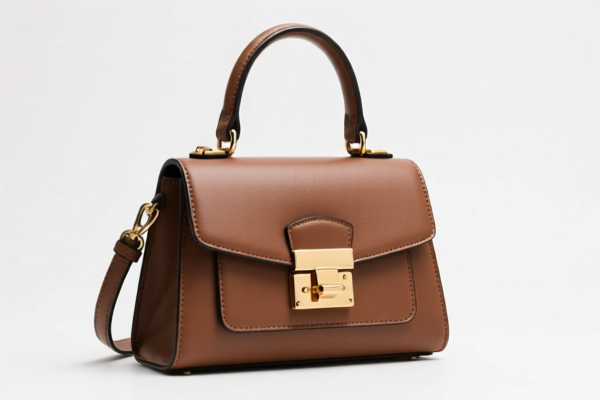
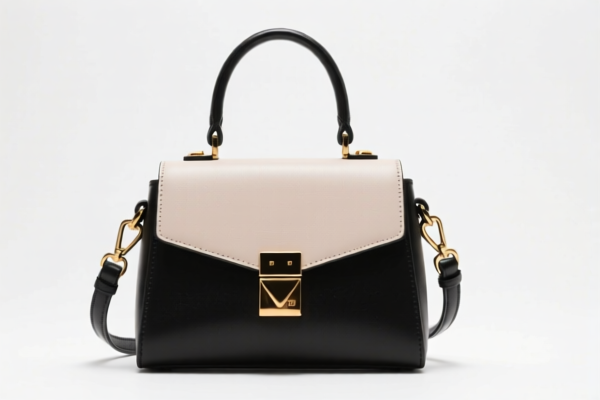
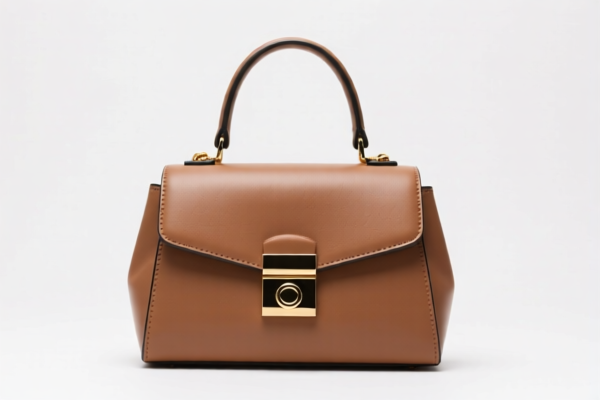
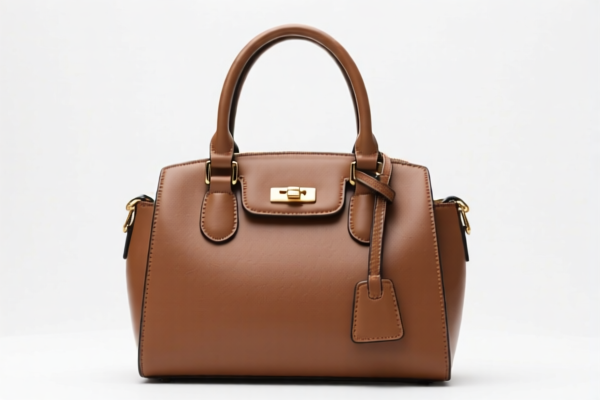
AI分析
👜 Fashion Woven Handbag (编织手提包)
🌐 HS Code Reference & Customs Clearance Guide | 2026 Latest Tariff Analysis | Professional通关 Strategy
📌 I. Product Definition: What Defines a "Woven Handbag"?
A Woven Handbag is an accessory primarily characterized by its construction technique—interlacing strips of material—and its material composition. In international trade, the classification hinges strictly on the primary material of the weave, not just the aesthetic "fashion" aspect.
Key Material Distinctions: 1. Textile-based Weave (4202.22): Made from synthetic fibers, cotton, or other textile materials woven into sheets or strips. 2. Plant-based Weave (4602.19 / 4602.11): Made from natural plant materials such as bamboo, rattan, reed, straw, or vegetable fibers.
⚠️ Critical Distinction Point:
- If the bag is made from synthetic/textile fibers (e.g., nylon strap weaving, polyester mesh weaving) → It falls under Chapter 42 (Articles of Leather; SaddleHarness;...).
- If the bag is made from natural plant materials (e.g., bamboo, rattan, straw) → It falls under Chapter 46 (Woven Materials of Vegetables).
- Note: Even if the handle is leather or the lining is fabric, if the body is woven plant material, Chapter 46 usually prevails for the main body classification.
📦 II. HS Code Classification Details (2026 Latest Tariff Authority)
| HS Code | Product Description | Material Type | Key Characteristics |
|---|---|---|---|
4202.22.40.20 |
Woven Handbag, matching form and weaving material characteristics | Textile/Fabric | Synthetic or natural textile fibers woven; fashion-oriented. |
4602.19.29.20 |
Woven Handbag, vegetable fiber material | Vegetable Fiber | Broad category for plant-based weaves (straw, paper reed, etc.) not specifically listed elsewhere. |
4602.11.21.00 |
Woven Handbag, made of bamboo, rattan, etc. | Hard Plant Material | Specifically bamboo or rattan strips; rigid or semi-rigid structure. |
4202.22.89.80 |
Woven Handbag, made of textile materials | Textile/Fabric | General textile weaving; includes mixed materials where textile is dominant. |
🔍 Key Reminder:
- Chapter 42 vs. Chapter 46: This is the most common classification error.
- Bamboo/Rattan → 4602.11 (Vegetable materials).
- Straw/Paper Reed → 4602.19 (Other vegetable materials).
- Nylon/Polyester/Cotton Weave → 4202.22 (Textile materials).
- Do not classify bamboo bags under Chapter 42 just because they look like fashion accessories. The material dictates the chapter.
💰 III. 2026 Latest Tariff Rate Breakdown (Including Surtaxes & Policy Add-ons)
✅ Applicable Country: United States (US)
✅ Country of Origin: China (CN)
✅ Effective Date: November 10, 2025 (and subsequent imports)
🎯 1. 4202.22.40.20 —— Woven Handbag (Textile/Synthetic Fiber)
| Item | Detail |
|---|---|
| Base Tariff | 7.4% (ad valorem) |
| Section 301 Surtax | +25.0% (Trade Act of 1974, Section 301) |
| Section 122 Tariff | +10.0% (Specific provision for certain textiles/apparel from China) |
| Total Tax Rate | 42.4% |
| Tax Calculation | CIF Value × 42.4% |
| De Minimis Exemption | ❌ Not Eligible (deny_de_minimis) |
| Legal Path | Section 122 → Section 301 → USITC:4202.22.40.20 |
📌 Explanation:
- Base 7.4%: Standard Most Favored Nation (MFN) rate for handbags.
- 301 Tariff 25%: Applies to all goods from China under this HTSUS heading.
- Section 122 10%: A specific additional duty applied to certain textile and apparel articles.
- Total 42.4%: This is a very high cost. Importers must account for this in pricing models.
🎯 2. 4602.19.29.20 —— Woven Handbag (Vegetable Fiber, Non-Bamboo)
| Item | Detail |
|---|---|
| Base Tariff | 5.3% (ad valorem) |
| Section 301 Surtax | +25.0% |
| Section 122 Tariff | +10.0% |
| Total Tax Rate | 40.3% |
| Tax Calculation | CIF Value × 40.3% |
| De Minimis Exemption | ❌ Not Eligible |
| Legal Path | Section 122 → Section 301 → USITC:4602.19.29.20 |
📌 Note:
- Slightly lower base rate than textile bags, but still subject to the same heavy surtaxes.
- Common for straw bags, paper reed bags, and soft plant-fiber weaves.
🎯 3. 4602.11.21.00 —— Woven Handbag (Bamboo/Rattan)
| Item | Detail |
|---|---|
| Base Tariff | 6.2% (ad valorem) |
| Section 301 Surtax | +25.0% |
| Section 122 Tariff | +10.0% |
| Total Tax Rate | 41.2% |
| Tax Calculation | CIF Value × 41.2% |
| De Minimis Exemption | ❌ Not Eligible |
| Legal Path | Section 122 → Section 301 → USITC:4602.11.21.00 |
📌 Note:
- Bamboo/Rattan has a higher base rate than other vegetable fibers but is still subject to the full 35% in surtaxes.
- Often confused with Chapter 46 items; ensure it is strictly bamboo or rattan. If mixed with other materials, classification may shift.
🎯 4. 4202.22.89.80 —— Woven Handbag (General Textile)
| Item | Detail |
|---|---|
| Base Tariff | 17.6% (ad valorem) |
| Section 301 Surtax | +25.0% |
| Section 122 Tariff | +10.0% |
| Total Tax Rate | 52.6% |
| Tax Calculation | CIF Value × 52.6% |
| De Minimis Exemption | ❌ Not Eligible |
| Legal Path | Section 122 → Section 301 → USITC:4202.22.89.80 |
📌 Warning:
- This is the highest tax bracket in the provided data.
- Applies to generic textile weaves (nylon, polyester, cotton blends) that do not fit the specific sub-heading40.20.
- Do not use this code unless the bag is clearly textile-based and does not fit the more specific4202.22.40.20. Misclassification here leads to massive overpayment or underpayment penalties.
🛠️ IV. Customs Clearance Practical Advice (Pitfall Avoidance Guide)
✅ 1. Documentation Checklist (Mandatory)
| Document | Required | Notes |
|---|---|---|
| ✅ Product Specification Sheet | ✔️ | Must explicitly state material composition (e.g., "100% Bamboo", "60% Cotton/40% Polyester"). |
| ✅ Material Sample/Photo | ✔️ | Clear macro shots of the weave texture to prove plant vs. textile origin. |
| ✅ Commercial Invoice | ✔️ | Must use accurate HS codes and describe the item as "Woven Handbag" with material details. |
| ✅ Packing List | ✔️ | Confirm no hidden accessories that could change classification (e.g., metal frames). |
| ✅ Origin Certificate (if applicable) | ✔️ | For non-China origins (e.g., Vietnam, India), may avoid Section 301/122 taxes. |
✅ 2. Classification Strategy (Key Rules)
🔥 “Material Dictates Chapter: Plant = 46, Textile = 42”
| Scenario | Correct HS Code | Incorrect Code | Risk |
|---|---|---|---|
| Bamboo/Rattan Bag | 4602.11.21.00 |
4202.22... |
Audit Risk: Customs may reclassify and charge back taxes + penalties. |
| Straw/Paper Reed Bag | 4602.19.29.20 |
4202.22... |
Audit Risk: Similar to above; plant materials are excluded from Ch. 42. |
| Nylon/Polyester Weave | 4202.22.40.20 or .89.80 |
4602... |
Audit Risk: Textiles are explicitly excluded from Ch. 46. |
| Mixed Material (Bamboo Frame + Leather Handles) | 4602.11.21.00 |
4202.22... |
Audit Risk: Primary material determines classification. |
✅ 3. Special Cases & Mitigation
| Situation | Recommendation |
|---|---|
| OEM/White Label | Ensure supplier declares material accurately. Ambiguous "Fabric" descriptions lead to Class 4202.22.89.80 (52.6%). |
| Origin Diversification | Sourcing from Vietnam, India, or Indonesia may qualify for 0% Section 301 and 0% Section 122 tariffs, reducing total tax to Base Rate Only (5.3%–17.6%). |
| De Minimis (Section 321) | ❌ Not Applicable. Woven handbags from China are explicitly excluded from the $800 de minimis exemption due to Section 301 and 122 tariffs. |
| Duty Drawback | If re-exported, consider filing for Duty Drawback to recover the 35% surtaxes. |
🌍 V. Global Market Comparison (2026 Latest)
| Country/Region | Recommended HS Code | Tariff (China Origin) | Certification | Notes |
|---|---|---|---|---|
| 🇺🇸 USA | 4202.22 or 4602.11 |
40.3% – 52.6% | N/A (No specific certs) | High Tax: Driven by 301 + 122. |
| 🇨🇳 China | 4202.22 or 4602.11 |
10% – 13% | N/A | Base import duty only. |
| 🇪🇺 EU | 4202.22 or 4602.11 |
12% – 17% | CE (if applicable) | No anti-dumping surtax. |
| 🇨🇦 Canada | 4202.22 or 4602.11 |
18% – 20% | N/A | High base tariff, no US-style surtax. |
| 🇦🇺 Australia | 4202.22 or 4602.11 |
5% – 10% | N/A | Lower tariff, GST applies. |
📌 Conclusion:
- The US is the most expensive market for woven handbags from China due to the combination of base tariffs + Section 301 + Section 122.
- Strategy: Consider Third-Country Manufacturing (e.g., Vietnam) to eliminate the 35% surtaxes. The base tariff in the US for non-China origins is significantly lower.
📌 VI. Common Errors & Pitfalls (Lessons Learned)
❌ Error 1: Classifying Bamboo Bags under 4202.22 (Textile)
👉 Consequence: Customs will reclassify to 4602.11, potentially issuing a penalty for misclassification and demanding back taxes if base rates differ significantly.
❌ Error 2: Claiming De Minimis ($800 exemption) for woven handbags
👉 Consequence: Seizure or Refusal. Section 122 and 301 goods from China are explicitly excluded from Section 321. Package will be stuck at border.
❌ Error 3: Vague Description: "Fashion Bag"
👉 Consequence: Customs officer will guess the code, likely picking the highest tax rate (4202.22.89.80 at 52.6%) due to lack of material proof.
✅ Correct Practice:
Description: "Woven Handbag, Body: 100% Natural Bamboo Strips, Handles: Leather, Lining: Polyester. Style: Tote. Origin: China."
HS Code:4602.11.21.00
🎯 VII. Conclusion: Smart Classification, Cost Optimization!
🎯 Remember the Mantra:
🔹 "Plant is 46, Textile is 42. No De Minimis for China. Surtax 35% is a killer."
🔹 "Check Material: Bamboo = 41.2%, Straw = 40.3%, Nylon = 52.6%. Be Precise!"
📌 Pro Tip:
If your woven handbags are sourced from Vietnam, India, or Indonesia, you can avoid the 35% surtax (301 + 122). The total tax rate drops to the Base Rate only (5.3%–17.6%), saving ~25-30% in landed cost.
Recommend Advance Ruling or Pre-classification Consultation with a customs broker if the material mix is complex.
📣 Immediate Action:
📞 Contact your Customs Broker + Provide Material Specs + Verify Origin
🚀 Let your woven handbags clear smoothly, minimize costs, and maximize profit!
✨ Professional Clearance Starts with Accurate Classification!
💼 Every percentage point saved is pure profit!
用户评价
关于 HS 编码归类
协调制度(HS)是由世界海关组织(WCO)制定的国际贸易商品分类标准。全球 200 多个国家采用 HS 系统作为海关关税、贸易统计和进出口监管的基础。
每个 HS 编码遵循以下层级结构:
- 章(2 位)——商品大类(例如:第 84 章:机器和机械设备)
- 品目(4 位)——章内的更具体分类
- 子目(6 位)——国际通用细分,所有 WCO 成员国统一使用
- 本国细分(8-10 位)——各国自行扩展的细分编码,如美国 HTSUS 10 位编码
正确的 HS 编码归类对于顺利通关、准确缴纳关税和遵守贸易法规至关重要。错误归类可能导致海关延误、多缴关税或罚款。
从CN进口到US时,适用的关税税率可能包括:
- 最惠国(MFN)税率——适用于 WTO 成员国的标准关税税率
- 普通税率——适用于无贸易协定国家
- 贸易救济关税——附加关税,如 301 条款(反倾销)、232 条款(国家安全)或反补贴税
本页内容仅供参考。如需正式归类,请咨询当地海关或持牌报关代理。