Fiber Reinforced Tear Resistant Tape
CN → US| HS编码 | 关税税率 | 原产国 | 目的国 | 文档 |
|---|---|---|---|---|
| 3919102010 | 40.8% | CN | US | 官方文档 |
| 5603110070 | 35.0% | CN | US | 官方文档 |
| 5603120070 | 35.0% | CN | US | 官方文档 |
| 3919905020 | 40.8% | CN | US | 官方文档 |
| 3926905500 | 40.1% | CN | US | 官方文档 |
商品图片
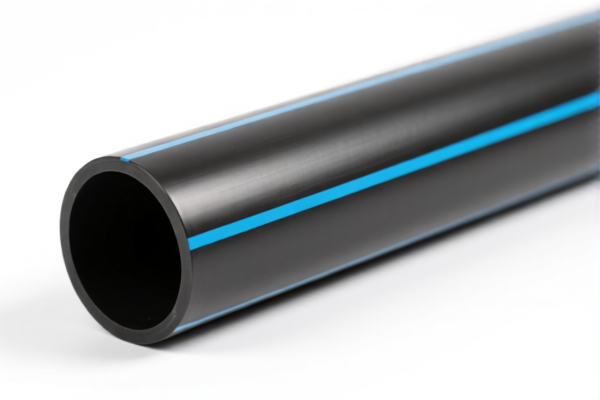
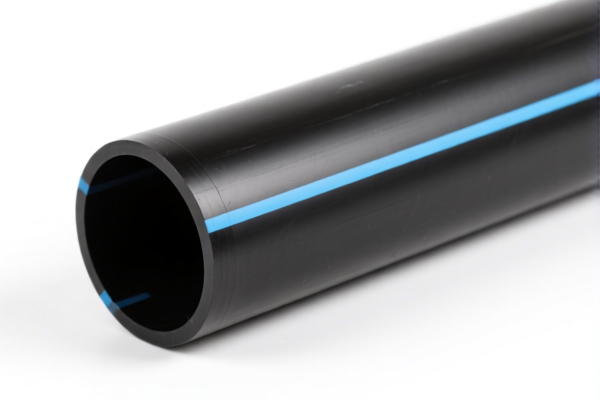
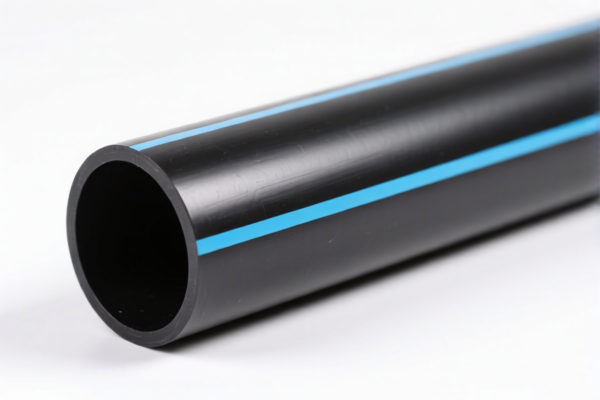
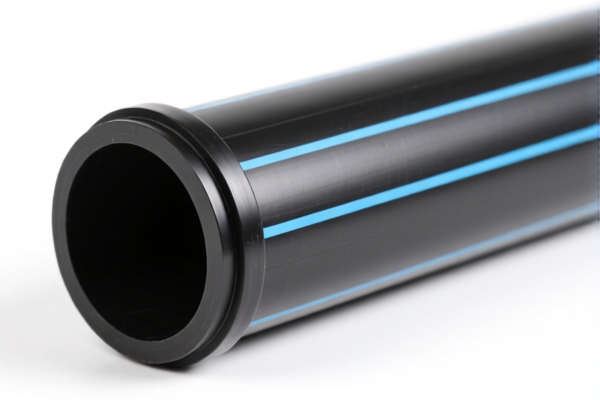
AI分析
🛡️ Fiber Reinforced Tear Resistant Tape (Industrial Grade)
🌐 HS Code Reference & Customs Clearance Guide | 2024/2025 Latest Tariff Analysis | Professional-Level Entry Strategy
📌 Part I: Product Definition & Classification: Do You Really Understand "Fiber Reinforced Tape"?
Fiber Reinforced Tear Resistant Tape is a high-strength sealing and repairing material used in industrial maintenance, HVAC, roofing, and construction. Its core characteristic is the inclusion of fiberglass or synthetic fibers embedded within a plastic (usually PVC or polyethylene) matrix to provide tear resistance and tensile strength.
In international trade, classification hinges on two critical factors: 1. Material Composition: Is it primarily a plastic product with reinforcing fibers, or is it a textile/non-woven fabric with adhesive backing? 2. Form Factor: Is it in rolls (self-adhesive)?
⚠️ Key Distinction Points:
- If the product is a plastic film/strip with embedded fibers for reinforcement → It is generally classified as a Plastic Product (Chapter 39).
- If the product is a non-woven fabric (felt-like) with adhesive, where the fiber is the primary structural component → It may be classified as a Textile/Non-woven Product (Chapter 56).
- Note: The term "Tape" often implies adhesive backing, which pushes many such items into Chapter 39 (Plastics) if the plastic content dominates, or Chapter 56 if the non-woven fabric structure is dominant.
📦 Part II: HS Code Classification Details (Based on Provided Data)
Below are the five most relevant HS Codes identified for "Fiber Reinforced Tear Resistant Tape", along with their specific logic and tax implications.
| HS Code | Product Description & Classification Logic | Total Tax Rate (US Import from China) | Key Tax Components |
|---|---|---|---|
3919.10.20.10 |
Plastic Tape, Self-Adhesive, in Rolls. Logic: "Fiber reinforced" matches the material reinforcement method; form matches self-adhesive tape in rolls. |
40.8% | Base: 5.8% + Sec 301: 25.0% + IEEPA 122: 10.0% |
5603.11.00.70 |
Non-Woven Fabrics, Weights ≤ 25 g/m², Artificial Filaments. Logic: Infers material as artificial/synthetic filaments; form fits non-woven/fiber-like products with no material/use conflict. |
35.0% | Base: 0.0% + Sec 301: 25.0% + IEEPA 122: 10.0% |
5603.12.00.70 |
Non-Woven Fabrics, Weights 25–70 g/m², Artificial Filaments. Logic: Based on "fiber" inference, fits non-woven fabric made of artificial filaments/fibers; tape application form has no material conflict. |
35.0% | Base: 0.0% + Sec 301: 25.0% + IEEPA 122: 10.0% |
3919.90.50.20 |
Plastic Plates, Sheets, Film, Tape... Other. Logic: Perfect match for product name; material (fiber reinforced) and form (tape) meet requirements. |
40.8% | Base: 5.8% + Sec 301: 25.0% + IEEPA 122: 10.0% |
3926.90.55.00 |
Other articles of plastics, containing textile fibers. Logic: Material matches "containing textile fibers"; form (tape) is a common plastic product form; fits "Other" category logic. |
40.1% | Base: 5.1% + Sec 301: 25.0% + IEEPA 122: 10.0% |
🔍 Focus Reminder:
- Chapter 39 (Plastics) codes (3919,3926) generally carry a 5.1%-5.8% Base Tariff, leading to a Total Tax of ~40-41%.
- Chapter 56 (Non-Wovens) codes (5603) have a 0% Base Tariff, leading to a Total Tax of 35%.
- Strategic Insight: If your tape can be scientifically proven to be a non-woven fabric (not a plastic film with fibers), you can save ~5.8% in base tariffs. However, customs may challenge this if the plastic content is high.
💰 Part III: 2024/2025 Latest Tariff Rate Breakdown (Including Add-ons & Policy Surcharges)
✅ Applicable Country: United States (US)
✅ Origin: China (CN)
✅ Effective Time: Current tariffs apply (Section 301 & IEEPA)
🎯 1. 3919.10.20.10 & 3919.90.50.20 —— Plastic Self-Adhesive Tapes
| Item | Content |
|---|---|
| Base Rate | 5.8% (ad valorem) |
| USITC Supplementary Tax (Section 301) | +25.0% |
| IEEPA Supplementary Tax (Section 122) | +10.0% |
| Total Tax Rate | 40.8% |
| Tax Calculation | CIF Value × 40.8% |
| De Minimis Exemption | ❌ Not Applicable (Value exceeds $800 threshold for standard clearance; high tariffs block de minimis benefits for many carriers) |
| Legal Basis Path | IEEPA:9903.01.25 → USITC:3919.10.20.10 → FOOTNOTE:9903.88.01 |
📌 Explanation:
- "Base Tariff 5.8%": Standard MFN rate for plastic tapes.
- "Section 301 Tax 25%": Additional tariff imposed on Chinese goods under US Trade Act Section 301.
- "IEEPA 10%": Tariff imposed under the International Emergency Economic Powers Act (often applied to specific Chinese imports, including textiles/apparel and certain plastics).
- Total 40.8%: This is a high-cost import category. You must pre-calculate landed costs.
🎯 2. 5603.11.00.70 & 5603.12.00.70 —— Non-Woven Fabrics (Artificial Filaments)
| Item | Content |
|---|---|
| Base Rate | 0.0% |
| USITC Supplementary Tax (Section 301) | +25.0% |
| IEEPA Supplementary Tax (Section 122) | +10.0% |
| Total Tax Rate | 35.0% |
| Tax Calculation | CIF Value × 35.0% |
| De Minimis Exemption | ❌ Not Applicable |
| Legal Basis Path | IEEPA:9903.01.25 → USITC:5603.11.00.70 → FOOTNOTE:9903.88.01 |
📌 Note:
- These codes offer a 5.8% saving compared to plastic-based codes.
- However, to use these, the product must be classified as Non-Woven Fabric. If it’s a rigid plastic strip with fibers, customs may reject this code.
- Risk: If customs re-classifies a "Non-Woven" declaration as "Plastic Tape," you will face back taxes + penalties at the higher 40.8% rate.
🎯 3. 3926.90.55.00 —— Other Plastic Articles Containing Textile Fibers
| Item | Content |
|---|---|
| Base Rate | 5.1% |
| USITC Supplementary Tax (Section 301) | +25.0% |
| IEEPA Supplementary Tax (Section 122) | +10.0% |
| Total Tax Rate | 40.1% |
| Tax Calculation | CIF Value × 40.1% |
| Legal Basis Path | IEEPA:9903.01.25 → USITC:3926.90.55.00 |
📌 Note:
- This code is for plastics containing textile fibers. It is slightly cheaper than pure plastic tape (40.1% vs 40.8%) but offers no advantage over non-wovens (35.0%).
- Use this only if the product is clearly a plastic article with embedded fibers, not a fabric.
🛠️ Part IV: Customs Clearance Practical Advice (Avoiding Pitfalls)
✅ 1. Documentation Checklist (Must-Haves)
| Document | Required? | Explanation |
|---|---|---|
| ✅ Product Specification Sheet | ✔️ | Must detail: Material composition (e.g., "PVC base with fiberglass reinforcement"), dimensions, adhesive type. |
| ✅ Material Safety Data Sheet (MSDS) | ✔️ | For chemical composition of adhesive and base material. |
| ✅ Product Photos (Clear Labels) | ✔️ | Show cross-section if possible, to prove "reinforcement" structure. |
| ✅ Commercial Invoice | ✔️ | Clearly state: "Fiber Reinforced PVC Tape" or "Non-Woven Fiberglass Tape with Adhesive". |
| ✅ Packing List | ✔️ | Net/Gross weight, number of rolls. |
| ✅ Declaration of Composition | ✔️ | Explicitly state the percentage of plastic vs. fiber vs. adhesive to support HS Code choice. |
✅ 2. Declaration Strategy (Key Mantras)
🔥 “Structure Defines Code: Plastic=Ch39, Fabric=Ch56, Choose Wisely!”
| Scenario | Recommended HS Code | Risk of Misclassification |
|---|---|---|
| Rigid PVC Strip with Embedded Fiberglass | 3919.10.20.10 or 3926.90.55.00 |
Low if declared as "Plastic Tape". |
| Soft, Felt-like Non-Woven Fabric with Adhesive | 5603.11.00.70 or 5603.12.00.70 |
High risk if customs tests it and finds high plastic content. |
| Composite Material (Unclear Ratio) | Consult Customs Broker | Critical: Do not guess. Use Advance Ruling. |
| Tape with Metal Reinforcement | Different Code | Not covered in this data set. |
✅ 3. Special Handling Tips
| Situation | Advice |
|---|---|
| Is it "Plastic" or "Textile"? | Conduct a physical test. Does it tear like fabric (non-woven) or stretch/rip like plastic? This determines Chapter 39 vs. 56. |
| High Tariff Management | Since taxes are 35-41%, consider Value-Added Services or Duty Drawback if the goods are re-exported. |
| Pre-Clearance | Apply for an Advance Ruling (Ruling Letter) from CBP. This provides legal certainty and protects against audits. |
| Labeling | Ensure labels clearly state "Fiber Reinforced" to justify the description, but do not mislead about material origin. |
🌍 Part V: Global Market Comparison (2024/2025)
| Country/Region | Recommended HS Code | Base Tariff | Total Tax (China Origin) | Notes |
|---|---|---|---|---|
| 🇺🇸 USA | 3919.10.20.10 / 5603.11.00.70 |
0-5.8% | 35.0% - 40.8% | High Section 301 & IEEPA taxes apply. |
| 🇨🇳 China (Export) | N/A (Import Duty) | Varies | Varies | China imposes export duties on some plastics, but usually low for tapes. |
| 🇪🇺 EU | 3919.90.50 / 5603.11 |
6.5% | 6.5% | No Section 301/IEEPA. Much cheaper for European markets. |
| 🇬🇧 UK | 3919.90.50 |
6.5% | 6.5% | Post-Brexit, standard tariffs apply. No US-style punitive taxes. |
| 🇨🇦 Canada | 3919.90.50 |
5% | 5% - 10% | No major punitive tariffs on plastics. |
📌 Conclusion:
- The US market is the most expensive due to political tariffs (301 + IEEPA).
- EU/UK/Canada offer significantly lower duties (6-7% max).
- If your primary market is the US, accurate classification is crucial to save the 5.8% base tariff difference.
📌 Part VI: Common Errors & Pitfalls (Lessons Learned)
❌ Error 1: Declaring a PVC Tape with Fiberglass as Non-Woven Fabric (5603)
👉 Consequence: Customs lab test shows >50% plastic content → Reclassified to 3919 → Pay 5.8% more base tax + penalties.
❌ Error 2: Declaring a Fabric Tape as Plastic Tape (3919)
👉 Consequence: You overpay tax unnecessarily. You pay 40.8% instead of 35.0%. No refund usually possible after entry.
❌ Error 3: Ignoring IEEPA 10% Tax
👉 Consequence: Underestimating landed cost by 10%. Your profit margin disappears.
❌ Error 4: Vague Description: "Repair Tape"
👉 Consequence: CBP examines the product → May apply highest duty rate for "other articles" → Delay + Inspection.
✅ Correct Approach:
“Fiber Reinforced PVC Adhesive Tape, 1-inch x 50 yards, Gray, Self-Adhesive”
OR
“Non-Woven Fiberglass Adhesive Tape, 2-inch x 30 yards, White”
🎯 Part VII: Conclusion: Precision Saves Money!
🎯 Remember the Mantra:
🔹 “Plastic = Ch39 (40.8%), Fabric = Ch56 (35.0%).”
🔹 “Test the material, declare accurately, avoid the 5.8% penalty.”
🔹 “US Taxes are High: 35-41%. Plan for it.”
📌 Pro Tip:
If your product is originating from Vietnam, Mexico, or Thailand, you may qualify for IEEPA Exemptions or lower Section 301 rates.
- Recommendation: Apply for a CBP Advance Ruling before your first shipment.
- Action: Contact your customs broker with product samples and material specs to confirm the correct HS Code.
📣 Immediate Action:
📞 Verify Material Composition (Plastic % vs. Fiber %)
📄 Request HS Code Pre-Aruling from CBP
🚀 Optimize Landed Cost Calculation with 35-41% Tax Factor
✨ Professional Clearance Starts with Accurate Classification!
💼 Your Profit Margin Depends on It!
用户评价
关于 HS 编码归类
协调制度(HS)是由世界海关组织(WCO)制定的国际贸易商品分类标准。全球 200 多个国家采用 HS 系统作为海关关税、贸易统计和进出口监管的基础。
每个 HS 编码遵循以下层级结构:
- 章(2 位)——商品大类(例如:第 84 章:机器和机械设备)
- 品目(4 位)——章内的更具体分类
- 子目(6 位)——国际通用细分,所有 WCO 成员国统一使用
- 本国细分(8-10 位)——各国自行扩展的细分编码,如美国 HTSUS 10 位编码
正确的 HS 编码归类对于顺利通关、准确缴纳关税和遵守贸易法规至关重要。错误归类可能导致海关延误、多缴关税或罚款。
从CN进口到US时,适用的关税税率可能包括:
- 最惠国(MFN)税率——适用于 WTO 成员国的标准关税税率
- 普通税率——适用于无贸易协定国家
- 贸易救济关税——附加关税,如 301 条款(反倾销)、232 条款(国家安全)或反补贴税
本页内容仅供参考。如需正式归类,请咨询当地海关或持牌报关代理。