Film (Aviation Use)
CN → US| HS编码 | 关税税率 | 原产国 | 目的国 | 文档 |
|---|---|---|---|---|
| 3920620050 | 39.2% | CN | US | 官方文档 |
| 3702430100 | 38.7% | CN | US | 官方文档 |
| 3702440160 | 38.7% | CN | US | 官方文档 |
| 3921904090 | 39.2% | CN | US | 官方文档 |
| 3921904010 | 39.2% | CN | US | 官方文档 |
商品图片
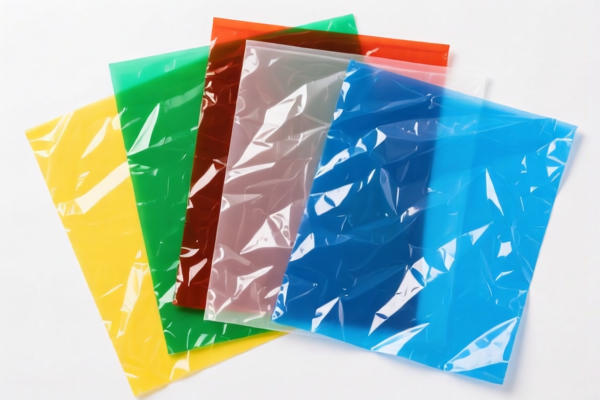
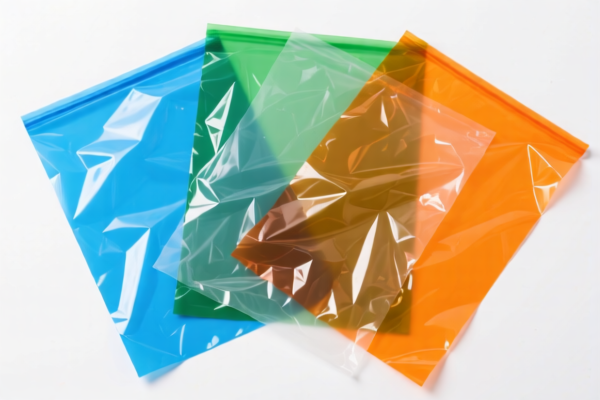
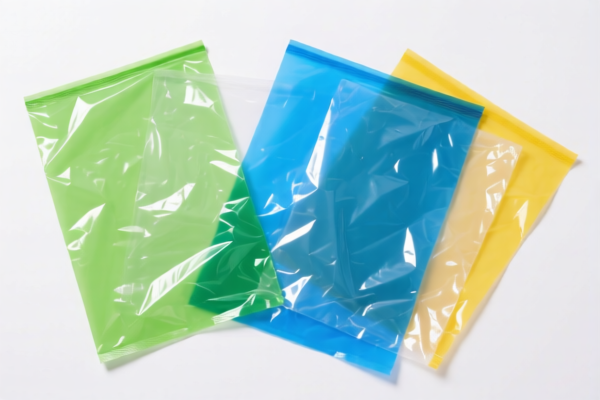
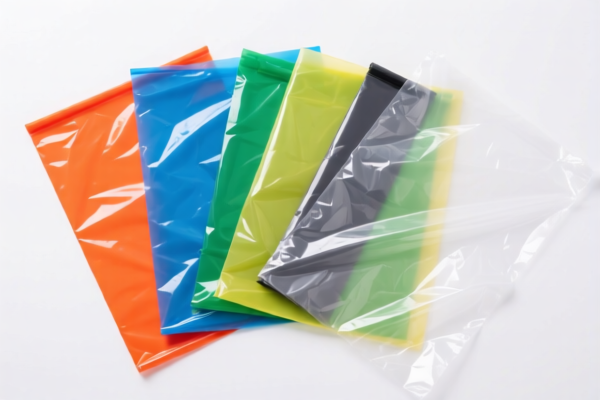
AI分析
🛩️ Aviation Film (Polymer & Photographic Media for Aerospace Applications)
🌐 HS Code Reference & Clearance Guide | 2026 Latest Tariff Analysis | Professional Customs Strategy
📌 I. Product Definition & Classification: Do You Really Understand "Aviation Film"?
In the complex world of aerospace logistics, "Film" is not a single entity. It is a broad category that splits sharply based on material composition and functional purpose. For customs clearance, distinguishing between a polymeric protective layer and a photographic/chemical recording medium is critical.
Polymeric Films (Plastics/Polymer-based): Thin sheets made from plastic materials (PE, PP, PET, PVC, etc.) used for insulation, protection, lamination, or structural covering in aircraft. These fall under Chapter 39.
Photographic/Chemical Films: Rolls of material coated with light-sensitive emulsions or magnetic layers, used for inspection, documentation, or specialized sensor recording. These fall under Chapter 37.
⚠️ Key Distinction:
- If the film is primarily plastic/polymer used for protection or structure (no photosensitive coating) → Go to Chapter 39 (3920/3921).
- If the film is non-paper, wide-width, and potentially photographic/sensor-based (even if unexposed) → Go to Chapter 37 (3702).
- Aerospace Context: Aviation uses both. A protective wrap is Ch 39; a radiographic film for NDT (Non-Destructive Testing) is Ch 37.
📦 II. HS Code Classification Details (2026 Latest Tariff Authority Comparison)
Based on the available data for "Film (Aviation Use)," the product may fall into five specific HS Codes depending on the exact material and form.
| HS Code | Product Description | Application in Aviation | Material Type |
|---|---|---|---|
3920.62.00.50 |
Other plates, sheets, film, foil, and strip, of polymers of ethylene | Insulation layers, protective wraps, interior lining films | ✅ Polymer (Plastic) |
3702.43.01.00 |
Photographic film, in rolls, of any material other than paper, paperboard or textiles, of a width > 105mm, unperforated, not sensitized or only sensitized | Wide-format aerial survey film, unexposed sensor rolls | ✅ Chemical/Photographic |
3702.44.01.60 |
Photographic film, in rolls, of any material other than paper, paperboard or textiles, of a width > 105mm, unperforated, sensitized or only partially sensitized | Exposed or pre-sensitized aviation inspection films | ✅ Chemical/Photographic |
3921.90.40.90 |
Other plates, sheets, film, foil, and strip, of plastics | General purpose aviation polymers, composite film layers | ✅ Polymer (Plastic) |
3921.90.40.10 |
Other plates, sheets, film, foil, and strip, of plastics (Specific sub-category) | Specialty aviation plastics, high-performance films | ✅ Polymer (Plastic) |
🔍 Critical Analysis:
- Ch 39 Codes (3920...,3921...): Apply if the item is strictly plastic/polymer without photosensitive coatings. These are used for physical protection or electrical insulation.
- Ch 37 Codes (3702...): Apply if the item is photographic or recording media. Even if "unexposed," if it has a chemical coating for sensing/recording, it belongs here.
- Width Matters: Codes3702.43and3702.44specifically require width > 105mm. Standard aviation wide rolls fit this.
💰 III. 2026 Latest Tariff Rate Breakdown (Including Surtaxes & Policy Add-ons)
✅ Applicable Country: China Export / US Import (Implied by 122 Clause & IEEPA)
✅ Origin: China (CN)
✅ Effective Time: Current Trade Policy (Post-2025 Adjustments)
🎯 1. 3920.62.00.50 —— Polymer Film (Ethylene-based)
| Item | Details |
|---|---|
| Base Tariff | 4.2% |
| Section 301 Surtax | +25.0% (USITC Footnote) |
| Section 122 Tariff | +10.0% (Specific Chinese Import Restriction) |
| Total Effective Rate | 39.2% |
| Calculation Basis | CIF Value × 39.2% |
| De Minimis Exemption | ❌ Denied (High tariff codes usually exempt from $800 de minimis) |
| Legal Path | HS:3920.62.00.50 → Base:4.2% → 301:25% → 122:10% |
📌 Explanation:
- This code attracts the highest combined burden among the polymer options due to the specific 122 Clause.
- Ethylene-based films are heavily scrutinized due to domestic manufacturing protections in the US.
🎯 2. 3702.43.01.00 & 3702.44.01.60 —— Photographic/Recording Films
| Item | Details |
|---|---|
| Base Tariff | 3.7% |
| Section 301 Surtax | +25.0% |
| Section 122 Tariff | +10.0% |
| Total Effective Rate | 38.7% |
| Calculation Basis | CIF Value × 38.7% |
| De Minimis Exemption | ❌ Denied |
| Legal Path | HS:3702.43.01.00 → Base:3.7% → 301:25% → 122:10% |
📌 Explanation:
- Slightly cheaper than the polymer film (38.7% vs 39.2%).
- However, Chapter 37 goods require strict documentation proving they are indeed photographic/recording media and not just plastic films. Misclassification here is a major red flag for CBP (Customs and Border Protection).
🎯 3. 3921.90.40.90 & 3921.90.40.10 —— Other Plastic Films
| Item | Details |
|---|---|
| Base Tariff | 4.2% |
| Section 301 Surtax | +25.0% |
| Section 122 Tariff | +10.0% |
| Total Effective Rate | 39.2% |
| Calculation Basis | CIF Value × 39.2% |
| De Minimis Exemption | ❌ Denied |
| Legal Path | HS:3921.90.40.XX → Base:4.2% → 301:25% → 122:10% |
📌 Explanation:
- "Other" plastic films carry the same high tax burden as ethylene films.
- Classification here depends on the specific polymer type and manufacturing process (extruded vs. cast).
🛠️ IV. Customs Clearance Practical Advice (Pitfall Avoidance Guide)
✅ 1. Documentation Checklist (Non-negotiable)
| Document | Required? | Why It Matters |
|---|---|---|
| ✅ Material Safety Data Sheet (MSDS) | ✔️ | Proves if the film contains photosensitive chemicals (Ch 37) or is pure polymer (Ch 39). |
| ✅ Product Technical Specs | ✔️ | Must specify: Width, Thickness, Polymer Type (PE, PET, etc.), and Sensitization Status. |
| ✅ Photo/Visual Proof | ✔️ | Clear images showing roll ends, packaging, and any labeling. |
| ✅ Certificate of Origin (CO) | ✔️ | Required for 301/122 tariff determination. |
| ✅ Commercial Invoice | ✔️ | Must clearly state "Aviation Grade Film" AND specify HS Code basis. |
| ✅ Letter of Explanation | ✔️ | Crucial for Ch 37 vs. Ch 39 confusion. Explain why it is classified as photographic or polymer. |
✅ 2. Classification Strategy (The Golden Rules)
🔥 “Chemical Coating? Ch 37. Pure Plastic? Ch 39. Width > 105mm? Check Ch 37 sub-heads.”
| Scenario | Correct HS Code | Risk if Wrong |
|---|---|---|
| Plain plastic wrap for aircraft windows | 3920.62.00.50 or 3921.90.40.90 |
Over-classifying as Ch 37 → Delay for chemical review |
| Radiographic film for inspecting aircraft welds | 3702.43.01.00 (Unexposed) or 3702.44.01.60 (Exposed) |
Misclassifying as Ch 39 → Claimed as "plastic" → Fine for misdeclaration |
| Wide-width (>105mm) sensor film | 3702.43.01.00 |
Must prove it is "other material than paper" |
| Narrow-width (<105mm) film | Not listed in top 5, likely different sub-code | Do not use 3702.43/44 if width is small |
✅ 3. Special Cases for Aviation Imports
| Situation | Handling Advice |
|---|---|
| Sample Shipments | Even small samples are subject to 39.2%/38.7% tariffs. Do not rely on "free sample" exemptions if declared as commercial goods. |
| Mix of Ch 37 & Ch 39 | Do not combine on one line item. Declare separately. Mixed containers must have separate invoices/lines. |
| "Aviation Grade" Label | This is a marketing term, not a customs classification term. Focus on material and form. |
| Section 122 Impact | Remember the +10% 122 Clause applies to many Chinese-origin goods. It is on top of the 25% 301 tariff. |
🌍 V. Global Market Comparison (2026 Latest)
| Country/Region | Recommended HS Code (Example) | Tariff Rate | Certification | Notes |
|---|---|---|---|---|
| 🇺🇸 USA | 3920.62.00.50 / 3702.43.01.00 |
38.7% - 39.2% | None specific (FDA/FAA if applicable) | High Tariff Zone. 301 + 122 clauses apply. |
| 🇨🇳 China | 3920.62.00.50 |
~5-10% | CCC (if electronic component) | Lower base tariffs. |
| 🇪🇺 EU | 3920.62.00.50 |
~3-5% | CE (if part of equipment) | No 301/122 equivalents. |
| 🇯🇵 Japan | 3920.62.00.50 |
~3-5% | PSE (if electrical) | Stable trade relations. |
📌 Conclusion:
- The USA is the most expensive market for this product due to layered tariffs (Base + 301 + 122).
- Tariff Engineering: Can you adjust the product to a different polymer (Ch 39) or width (Ch 37) to find the lowest base rate? The difference is only 0.5% (39.2% vs 38.7%), so the main goal is compliance accuracy to avoid penalties.
📌 VI. Common Errors & Pitfalls (Lessons Learned)
❌ Error 1: Declaring "Photographic Film" as "Plastic Film"
👉 Consequence: Customs may seize the shipment for chemical analysis, causing months of delay. If found to be photosensitive, penalties apply.
❌ Error 2: Ignoring the "122 Clause"
👉 Consequence: Underpaying by 10%. The CBP will assess back-taxes + interest + fines. Always add the 10% to your cost model.
❌ Error 3: Using "Aviation Film" as a description without HS Code
👉 Consequence: CBP will assign a random HS code, likely the highest tariff band. Be specific.
❌ Error 4: Misidentifying Width
👉 Consequence: Ch 37 codes 3702.43 and 3702.44 require width > 105mm. If your film is 100mm, these codes are invalid.
✅ Correct Declaration Example:
"Aviation Grade Polyethylene Film, Unperforated, Width 120mm, Pure Polymer, No Chemical Coating. HS: 3920.62.00.50"
OR
"Aviation Inspection Radiographic Film, Unexposed, Width 110mm, Other Than Paper. HS: 3702.43.01.00"
🎯 VII. Conclusion: Precision Saves Money in Aerospace Logistics
🎯 Key Takeaways:
🔹 39.2% vs 38.7%: The difference is marginal. Compliance is paramount.
🔹 122 Clause is Real: Do not forget the +10%.
🔹 Material is King: If it's plastic, it's Ch 39. If it's chemical/photo, it's Ch 37.
🔹 Aerospace is High-Stakes: Errors lead to detention, not just fines.
📌 Pro Tip:
If your aviation film is critical for flight safety or emergency equipment, consult with your customs broker about potential exemptions for emergency goods, though this is rare for routine supplies.
📣 Immediate Action:
📞 Verify Material Composition: Is it 100% polymer or coated?
📐 Measure Width: Is it > 105mm?
📝 Calculate True Landed Cost: Include 39.2% tariff in your quote!
🚀 Pre-clearance: Submit documentation to CBP broker 48 hours before arrival.
✨ Professional Clearance Starts with Accurate Classification!
💼 Don't let a 0.5% rate difference cause a 100% compliance failure!
用户评价
关于 HS 编码归类
协调制度(HS)是由世界海关组织(WCO)制定的国际贸易商品分类标准。全球 200 多个国家采用 HS 系统作为海关关税、贸易统计和进出口监管的基础。
每个 HS 编码遵循以下层级结构:
- 章(2 位)——商品大类(例如:第 84 章:机器和机械设备)
- 品目(4 位)——章内的更具体分类
- 子目(6 位)——国际通用细分,所有 WCO 成员国统一使用
- 本国细分(8-10 位)——各国自行扩展的细分编码,如美国 HTSUS 10 位编码
正确的 HS 编码归类对于顺利通关、准确缴纳关税和遵守贸易法规至关重要。错误归类可能导致海关延误、多缴关税或罚款。
从CN进口到US时,适用的关税税率可能包括:
- 最惠国(MFN)税率——适用于 WTO 成员国的标准关税税率
- 普通税率——适用于无贸易协定国家
- 贸易救济关税——附加关税,如 301 条款(反倾销)、232 条款(国家安全)或反补贴税
本页内容仅供参考。如需正式归类,请咨询当地海关或持牌报关代理。