Film Positive Material
CN → US| HS编码 | 关税税率 | 原产国 | 目的国 | 文档 |
|---|---|---|---|---|
| 3703103090 | 38.7% | CN | US | 官方文档 |
| 3703103060 | 38.7% | CN | US | 官方文档 |
商品图片
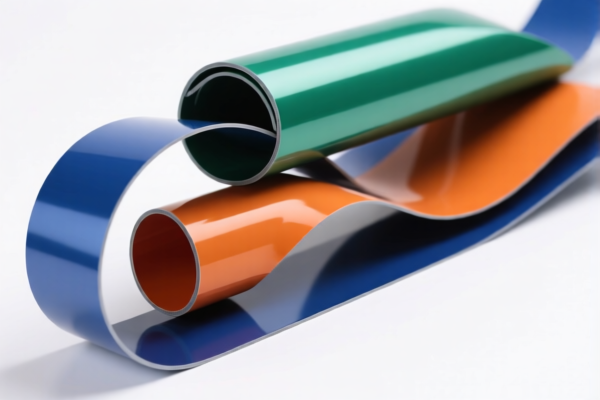
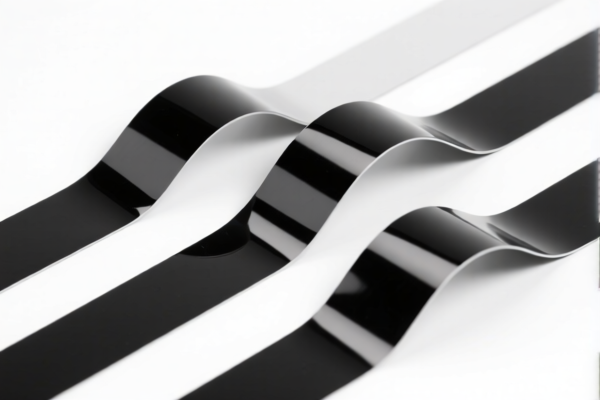
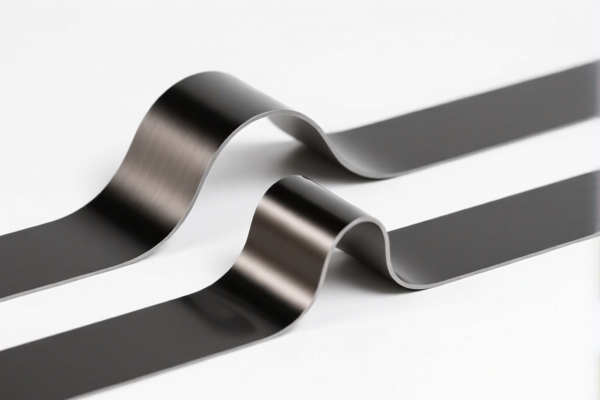

AI分析
🎞️ Film Positive Material (Photographic Paper & Textiles, Sensitized)
🌐 HS Code Reference & Clearance Guide | 2026 Latest Tariff Analysis | Professional Customs Strategy
📌 I. Product Definition & Classification: Do You Really Know "Film Positive Material"?
Film Positive Material, in the context of international trade and customs classification, refers to sensitized photographic paper, paperboard, or textiles that have not yet been exposed to light. These materials are primarily used in the graphic arts, publishing, and printing industries to create high-contrast positives from negatives or digital data.
In the HS Code system, these products are strictly categorized under Chapter 37 (Photographic or cinematographic goods). The critical distinction lies in the width of the rolls and the specific use (line reproduction vs. pictorial/continuous tone).
⚠️ Key Distinction Points:
- Width Constraint: The classification provided in specifically applies to rolls with a width exceeding 610 mm.
- Usage Type:
- Line Reproduction (Halftone/Screen): Used for text, logos, and sharp-line graphics. → HS 3703.10.30.90
- Pictorial Use (Continuous Tone): Used for photographs, gradated tones, and images without screens. → HS 3703.10.30.60
- Status: Must be sensitized (coated with silver halides) and unexposed.
📦 II. HS Code Classification Details (2026 Latest Tariff Authority Comparison)
Based strictly on the provided , here are the two applicable HS Codes for Film Positive Materials (rolls > 610mm):
| HS Code | Product Description | Application Scenario | Tax Rate (Total) |
|---|---|---|---|
3703.10.30.90 |
Silver Halide Papers – Other (Line Reproduction) | Used for line art, text, logos, engineering prints, and commercial printing positives where sharp lines are required. | 28.7% |
3703.10.30.60 |
Silver Halide Papers – For Pictorial Use (Continuous Tone) – Other | Used for photographic prints, artistic reproductions, and images requiring continuous tone without halftone screens. | 0.0% |
🔍 Critical Note:
- Both codes fall under 3703.10.30 (Silver halide papers, rolls > 610mm).
- The final two digits determine the tax liability:
- .90 = Line Reproduction → High Tariff
- .60 = Pictorial/Continuous Tone → Zero Tariff
💰 III. 2026 Latest Tariff Rate Breakdown (Detailed Tax Clauses)
✅ Source Data: Provided in
✅ Product Category: Photographic paper, sensitized, unexposed (rolls > 610mm)
🎯 1. 3703.10.30.90 — Line Reproduction Film Positive
| Item | Content |
|---|---|
| Description | Silver halide papers for line reproduction (non-pictorial) |
| Base Tariff | 3.7% |
| Additional Tariff | 25.0% |
| Total Tariff | 28.7% |
| Tax Calculation | CIF Value × 28.7% |
| Tax Detail Clause | 基础关税: 3.7%, 加征关税: 25.0% |
📌 Explanation:
- This category attracts a significant tariff burden due to the "Additional Tariff" (often associated with trade measures or specific industry protections).
- High Cost Alert: For every $10,000 USD of goods, you must pay $2,870 in duties.
🎯 2. 3703.10.30.60 — Pictorial (Continuous Tone) Film Positive
| Item | Content |
|---|---|
| Description | Silver halide papers for pictorial/continuous tone use |
| Base Tariff | 0.0% |
| Additional Tariff | 0.0% |
| Total Tariff | 0.0% |
| Tax Detail Clause | 基础关税: 0.0%, 加征关税: 0.0% |
| Tax Calculation | $0 |
📌 Explanation:
- This category is duty-free.
- This often reflects policy support for artistic, photographic, or cultural goods, or competitive market considerations.
- Cost Saving: Potential savings of 28.7% compared to line reproduction materials.
🛠️ IV. Customs Clearance Practical Advice (Avoid Pitfalls)
✅ 1. Preparation Checklist (Non-negotiable)
| Document | Mandatory? | Purpose |
|---|---|---|
| ✅ Product Specification Sheet | ✔️ | Must explicitly state: "Sensitized, Unexposed," "Roll Width > 610mm," "Silver Halide Coating." |
| ✅ Product Photos | ✔️ | Show the roll, packaging, and label. Labels should indicate "Line Reproduction" or "Pictorial/Continuous Tone." |
| ✅ Commercial Invoice | ✔️ | Clearly describe the item as "Photographic Paper, Sensitized, Unexposed" – Do not use vague terms like "Printing Paper." |
| ✅ Technical Data Sheet | ✔️ | Helps customs officers determine if the emulsion is for "line" (sharp contrast) or "pictorial" (gradated tone). |
✅ 2. Declaration Tips (Key Mnemonic)
🔥 "Width Matters, Use Defines Tax: Line = 28.7%, Pictorial = 0%!"
| Scenario | Correct HS Code | Error Consequence |
|---|---|---|
| Roll width ≤ 610mm | Wrong Category | May fall under different subheadings (not in ), risking reclassification and delays. |
| Line Reproduction (Text/Logos) | 3703.10.30.90 |
If misdeclared as Pictorial → Under-declaration of tax → Fine + Penalty. |
| Pictorial Use (Photos) | 3703.10.30.60 |
If misdeclared as Line → Over-declaration of tax → Lost profit. |
| Unexposed & Sensitized | Both Codes | If exposed → Not HS 3703 (likely HS 3706/3707 or scrap) → Wrong Chapter. |
✅ 3. Special Handling
| Situation | Recommendation |
|---|---|
| Mixed Orders (Line + Pictorial) | Split the shipment or declare separately. Do not average the tariff. |
| Roll Width Edge Case | Ensure precise measurement. Rolls at exactly 610mm may not qualify for this "exceeding 610mm" clause. Check adjacent HS codes. |
| Packaging | Keep light-tight packaging intact. Customs may request proof of "unexposed" status. |
🌍 V. Global Market Comparison (Contextual Note)
| Market | Typical Treatment of Photographic Materials | Note |
|---|---|---|
| 🇺🇸 USA | Often subject to Additional Tariffs (e.g., 25%) on sensitive industrial/technical inputs. | Matches : 28.7% for line repro. |
| 🇪🇺 EU | Generally lower base tariffs, but VAT applies. | Pictorial films often enjoy reduced rates for cultural goods. |
| 🇨🇳 China | Base tariffs vary; often 0-5% for photographic materials. | Trade wars may have added specific surcharges. |
📌 Conclusion:
- The 28.7% tariff on Line Reproduction is a significant cost driver.
- The 0% tariff on Pictorial Use is a strategic advantage for photographic imports.
- Accurate classification is financially critical.
📌 VI. Common Errors & Pitfall Guide (Lessons Learned)
❌ Error 1: Describing the product as "Printing Paper"
👉 Result: Customs may misclassify under Chapter 48 (Paper), leading to delays and incorrect duty assessments.
👉 Fix: Always use "Photographic Paper, Sensitized, Unexposed."
❌ Error 2: Ignoring the "Line vs. Pictorial" distinction
👉 Result:
- Misdeclaring Line as Pictorial → Tax Evasion → Penalties.
- Misdeclaring Pictorial as Line → Overpayment → Lost Profit.
👉 Fix: Provide technical proof of emulsion type (e.g., contrast index, intended use).
❌ Error 3: Not verifying roll width
👉 Result: Rolls ≤ 610mm do not fit the 3703.10.30.x codes in .
👉 Fix: Check width. If ≤ 610mm, consult alternative HS codes (e.g., 3703.90...).
🎯 VII. Conclusion: Precision Classification, Optimized Costs
🎯 Remember the Golden Rule:
🔹 ">610mm Width, Sensitized & Unexposed"
🔹 "Line Reproduction = 28.7% Tariff"
🔹 "Pictorial/Continuous Tone = 0% Tariff"
📌 Pro Tip:
If you are importing a mixed product (e.g., a kit containing both line and pictorial positives), declare them separately to avoid auditing risks and ensure accurate duty payment.
📣 Immediate Action:
📞 Contact your customs broker with the exact technical specifications.
📄 Request a Pre-Classification Ruling if the product use is ambiguous.
🚀 Optimize your supply chain by leveraging the 0% tariff for pictorial materials where possible.
✨ Professional Clearance, Starting with Accurate Classification!
💼 Every percentage point of tariff savings counts!
用户评价
关于 HS 编码归类
协调制度(HS)是由世界海关组织(WCO)制定的国际贸易商品分类标准。全球 200 多个国家采用 HS 系统作为海关关税、贸易统计和进出口监管的基础。
每个 HS 编码遵循以下层级结构:
- 章(2 位)——商品大类(例如:第 84 章:机器和机械设备)
- 品目(4 位)——章内的更具体分类
- 子目(6 位)——国际通用细分,所有 WCO 成员国统一使用
- 本国细分(8-10 位)——各国自行扩展的细分编码,如美国 HTSUS 10 位编码
正确的 HS 编码归类对于顺利通关、准确缴纳关税和遵守贸易法规至关重要。错误归类可能导致海关延误、多缴关税或罚款。
从CN进口到US时,适用的关税税率可能包括:
- 最惠国(MFN)税率——适用于 WTO 成员国的标准关税税率
- 普通税率——适用于无贸易协定国家
- 贸易救济关税——附加关税,如 301 条款(反倾销)、232 条款(国家安全)或反补贴税
本页内容仅供参考。如需正式归类,请咨询当地海关或持牌报关代理。