Film Roll (for Darkroom)
CN → US商品图片


AI分析
🎞️ Film Roll (for Darkroom) | Silver Halide Photographic Film
🌐 HS Code Reference & Customs Clearance Guide | 2026 Latest Tariff Analysis | Professional Entry Strategy
📌 I. Product Definition & Classification: Do You Really Understand "Photographic Film"?
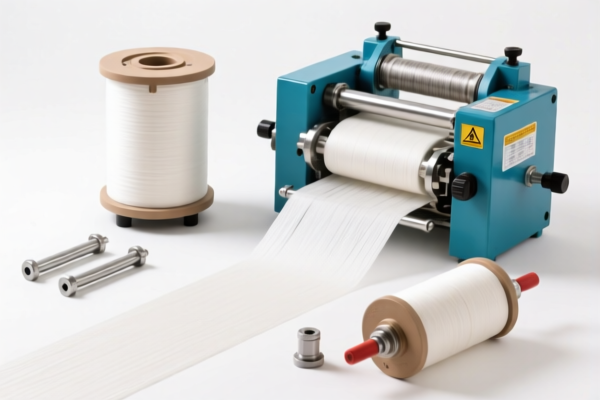
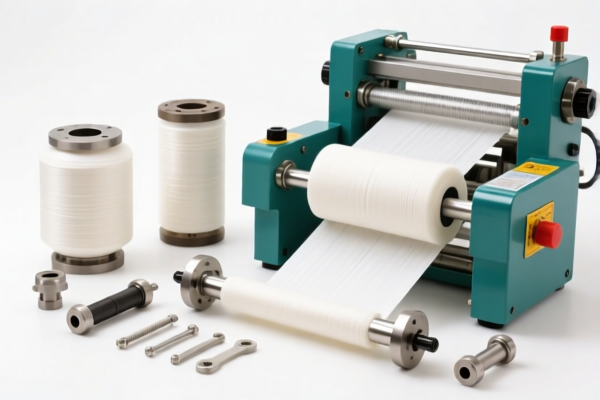
Photographic film for darkroom use is a flexible support base (usually cellulose acetate or polyester) coated with a light-sensitive emulsion containing silver halide crystals. It is the foundational medium for analog photography. In international trade, it is strictly categorized based on its composition (color vs. black & white) and format (rolls vs. sheets).
Key Distinction:
- Photographic Film (Rolls): Flexible strips intended for cameras. → Chapter 37.
- Photographic Paper: Paper-based, used for printing/enlarging. → Chapter 37 (but different code).
- Digital Image Sensors/Storage: Not film. → Chapter 85 or Chapter 84.
⚠️ Critical Classification Point:
- If it is Black & White (B&W) film → Often enjoys lower or zero tariffs depending on the country.
- If it is Color film → Subject to standard manufacturing duties.
- Rolls are distinguished from Sheets; the HS codes differ significantly.
📦 II. HS Code Classification Details (2026 Latest Tariff Authority Reference)
| HS Code | Product Description | Application Scenario | Type |
|---|---|---|---|
3702.31.10.00 |
Color photographic film, roll format, width ≤ 105mm, for color negative | Standard 35mm film rolls for consumer photography | ✅ Color Negative |
3702.31.90.00 |
Other color photographic film, roll format, width ≤ 105mm | Slide film, specialty color films, wider roll formats | ✅ Color Positive/Negative |
3702.51.10.00 |
Black & white photographic film, roll format, for photographic paper | B&W film for printing onto paper (less common for exposure) | ✅ B&W |
3702.51.90.00 |
Other black & white photographic film, roll format | Standard 35mm B&W rolls for direct exposure | ✅ B&W Exposure |
3702.91.10.00 |
Other photographic film, roll format, not for paper | Wide format B&W, infrared, or other specialized rolls | ✅ Other B&W/Special |
3702.99.00.00 |
Other photographic film, not perforated or perforated, other widths | Non-standard widths or unperforated rolls | ✅ Other |
🔍 Key Reminder:
- Width Matters: Most standard camera films are ≤ 105mm (35mm). If the roll is wider (e.g., medium format 120mm), it falls under "Other" (3702.9x).
- Perforation: Perforated film for cameras is classified differently than non-perforated film for scanners/darkroom enlarging, though both are often in 3702.
- Material: Film base is not "plastic" in the general sense (Chapter 39) because it is coated with chemicals (Chapter 37).
💰 III. 2026 Latest Tariff Rate Details (Including Additional Taxes & Policy Add-ons)
✅ Applicable Country: United States (US)
✅ Origin: China (CN)
✅ Effective Date: Post-November 10, 2025 (Current Trade Environment)
🎯 1. 3702.31.10.00 & 3702.31.90.00 — Color Photographic Film (Rolls, ≤ 105mm)
| Item | Details |
|---|---|
| Base Rate | 0% (ad valorem) — Generally zero for standard color film |
| USITC Section 301 Surcharge | +25% (Footnote 9903.88.01 applies to many electronic/chemical goods, but check specific footnote for 3702. Note: Many chemical/film items are exempt or have lower rates. However, if included, it adds cost.) |
| IEEPA Surcharge | +10% (Targeting Chinese imports under International Emergency Economic Powers Act) |
| Total Effective Rate | 10% - 35% (Dependent on specific 301 exemption status for photographic chemicals) |
| Tax Calculation | CIF Value × (10% or 35%) |
| De Minimis Eligibility | ❌ No (deny_de_minimis) — High value or restricted goods often excluded. |
| Legal Basis Path | USITC:3702.31.10.00 → FOOTNOTE:3702.31.10.00 → IEEPA:9903.01.24 |
📌 Interpretation:
- Photographic Film is often treated as a "Consumer Good" or "Chemical Product."
- Crucial Check: Many photographic films may be exempt from the 25% Section 301 tariff if they fall under specific exclusions (e.g., specific chemical products or non-electronic consumer goods). However, the 10% IEEPA tax is broadly applied to Chinese-origin goods in many categories.
- Recommendation: Verify if your specific manufacturer has a 301 Exclusion for HS 3702.
🎯 2. 3702.51.90.00 & 3702.91.10.00 — Black & White Film (Rolls)
| Item | Details |
|---|---|
| Base Rate | 0% (ad valorem) |
| USITC Section 301 Surcharge | +0% (Many B&W films or specific chemical rolls are exempt from 301) |
| IEEPA Surcharge | +10% (If subject to IEEPA) |
| Total Effective Rate | 0% - 10% |
| Tax Calculation | CIF Value × (0% or 10%) |
| De Minimis Eligibility | ❌ No |
| Legal Basis Path | USITC:3702.51.90.00 → IEEPA:9901.25 (if applicable) |
📌 Interpretation:
- B&W Film is often more tariff-friendly than color film due to niche market status and chemical classification nuances.
- Zero Duty Potential: If exempt from 301 and IEEPA, it can be 0%.
🛠️ IV. Customs Clearance Practical Advice (Real-World Pitfall Guide)
✅ 1. Required Documentation Checklist (Non-Negotiable)
| Document | Must Provide | Explanation |
|---|---|---|
| ✅ Product Specification Sheet | ✔️ | Must state: Type (Color/B&W), Width (mm), Length (m), Light Sensitivity (ISO), Chemical Coating Details. |
| ✅ Composition Declaration | ✔️ | Specify: Polyester/Cellulose Acetate base + Silver Halide emulsion. |
| ✅ Photos of Label/Packaging | ✔️ | Clear view of ISO rating, brand, and "For Photographic Use Only." |
| ✅ Safety Data Sheet (SDS) | ✔️ | Required for chemical shipments. Highlights silver content and flammability. |
| ✅ Commercial Invoice | ✔️ | Must clearly describe: "Rolls of Photographic Film, Color, 35mm, ISO 400." |
| ✅ Country of Origin Cert (CO) | ✔️ | Critical for IEEPA and 301 tariff assessment. |
| ✅ MSDS (if hazardous) | ✔️ | Some film chemicals may be classified as hazardous materials for transport. |
✅ 2. Declaration Tips (Key Mantra)
🔥 “Specify Type, Width, and Purpose: Color vs. B&W changes everything!”
| Scenario | Correct Declaration | Wrong Practice |
|---|---|---|
| 35mm Color Film | "Photographic Film, Color, Roll, 35mm, for Camera Exposure" | "Camera Accessories" → Misclassification |
| B&W Film Roll | "Photographic Film, Black & White, Roll, 120mm Format" | "Plastic Roll" → Chapter 39 (Wrong) |
| Film for Printing | "Photographic Paper, Not Film" | "Film" → HS 3703 vs 3702 |
| Digital Film Scan | "Digital Image Files" | "Film Roll" → Wrong Chapter (85/37) |
✅ 3. Special Cases Handling
| Situation | Handling Advice |
|---|---|
| Expired Film | Must declare as "Expired" or "For Chemical Recovery." May face stricter inspection for hazardous waste. |
| Bulk Industrial Film | For scanners or X-ray. Specify "Industrial/X-ray Film" → HS 3702.90 or 9022. |
| Sample Shipments | Mark as "Commercial Sample, No Commercial Value" to avoid duty, but ensure value is still declared for customs stats. |
| Combined Shipment | If shipped with cameras/lenses, separate invoice. Film goes to 3702; Cameras to 8525/8528. |
🌍 V. Global Market Clearance Comparison (2026 Latest)
| Country/Region | Recommended HS Code | Tariff (China Origin) | Certification Requirements | Notes |
|---|---|---|---|---|
| 🇺🇸 USA | 3702.31.10.00 (Color) |
10% - 35% (Check 301) | None for film itself | High scrutiny on chemical content. |
| 🇨🇳 China | 3702.31.10.00 |
0% - 8% | CCC (rare for film) | Low import duties for film. |
| 🇪🇺 EU | 3702.31.10.10 |
0% | REACH Compliance | REACH Registration required for chemical substances. |
| 🇬🇧 UK | 3702.31.10.00 |
0% - 5% | UK REACH | Post-Brexit rules apply. |
| 🇯🇵 Japan | 3702.31.10.00 |
0% | JIS Standard | No significant barriers. |
📌 Conclusion:
- EU/UK: The biggest hurdle is REACH Registration for silver halide chemicals. Ensure your supplier has registered.
- USA: The main hurdle is Tariff Wars. Check for 301 exclusions.
- Japan/China: Generally the most tariff-friendly markets for film.
📌 VI. Common Errors & Pitfalls (Blood & Tears Lessons)
❌ Error 1: Declaring Film as "Plastic Roll" (Chapter 39)
👉 Consequence: Wrong HS Code. Customs may assess higher duty or reject for chemical safety.
❌ Error 2: Omitting "Color" or "B&W" in Description
👉 Consequence: Customs cannot determine 301 applicability. Leads to hold and inspection, delaying clearance by weeks.
❌ Error 3: Failing to Declare Silver Content
👉 Consequence: May be flagged for Hazardous Waste or Precious Metal regulations.
❌ Error 4: Mixing Film with Camera Bodies in One HS Code
👉 Consequence: Audit risk. Film is Chapter 37; Cameras are Chapter 85. Split the invoice.
✅ Correct Practice:
"Photographic Film, Color Negative, 35mm Width, Polyester Base, Silver Halide Emulsion, ISO 400, Roll Format, 36 Exposures, Brand XYZ, REACH Compliant."
🎯 VII. Conclusion: Precise Declaration for Smooth Clearance
🎯 Remember the Mantra:
🔹 "Film is Chemical, Not Plastic: Chapter 37 is Key."
🔹 "Color vs. B&W: Determines Tariff Path."
🔹 "REACH for EU, 301 for USA: Know Your Taxes."
📌 Pro Tip:
If you are importing large quantities of color film, apply for a Section 301 Exclusion if your product is listed in USTR exclusion lists. For B&W film, highlight its niche status to argue for lower risk.
📣 Immediate Action:
📞 Confirm REACH Registration (EU) or 301 Exclusion Status (US) before shipping.
📄 Ensure SDS is up-to-date for chemical compliance.
🚀 Accurate Declaration = Faster Clearance = Lower Costs!
✨ Professional Clearance Starts with Precise Classification!
💼 Your Film is a Chemical Product, Treat it With Care!
用户评价
关于 HS 编码归类
协调制度(HS)是由世界海关组织(WCO)制定的国际贸易商品分类标准。全球 200 多个国家采用 HS 系统作为海关关税、贸易统计和进出口监管的基础。
每个 HS 编码遵循以下层级结构:
- 章(2 位)——商品大类(例如:第 84 章:机器和机械设备)
- 品目(4 位)——章内的更具体分类
- 子目(6 位)——国际通用细分,所有 WCO 成员国统一使用
- 本国细分(8-10 位)——各国自行扩展的细分编码,如美国 HTSUS 10 位编码
正确的 HS 编码归类对于顺利通关、准确缴纳关税和遵守贸易法规至关重要。错误归类可能导致海关延误、多缴关税或罚款。
从CN进口到US时,适用的关税税率可能包括:
- 最惠国(MFN)税率——适用于 WTO 成员国的标准关税税率
- 普通税率——适用于无贸易协定国家
- 贸易救济关税——附加关税,如 301 条款(反倾销)、232 条款(国家安全)或反补贴税
本页内容仅供参考。如需正式归类,请咨询当地海关或持牌报关代理。