Filter Material
CN → US| HS编码 | 关税税率 | 原产国 | 目的国 | 文档 |
|---|---|---|---|---|
| 5603110070 | 35.0% | CN | US | 官方文档 |
| 5603120070 | 35.0% | CN | US | 官方文档 |
| 8421390115 | 35.0% | CN | US | 官方文档 |
| 5911400100 | 43.0% | CN | US | 官方文档 |
| 5911900080 | 38.8% | CN | US | 官方文档 |
商品图片
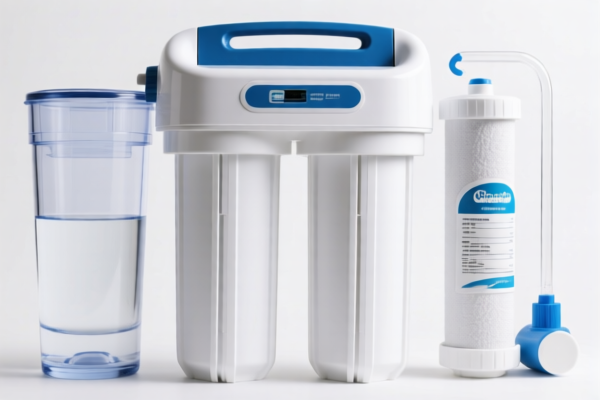
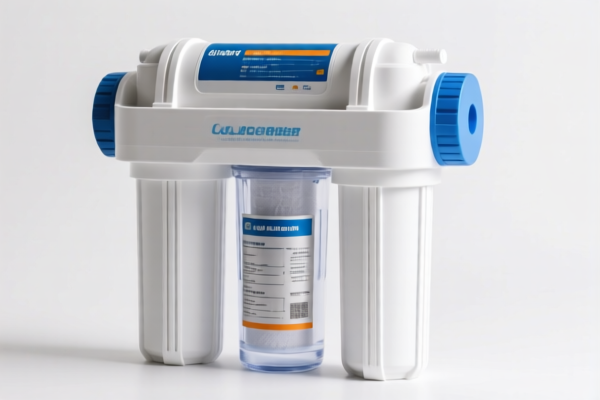
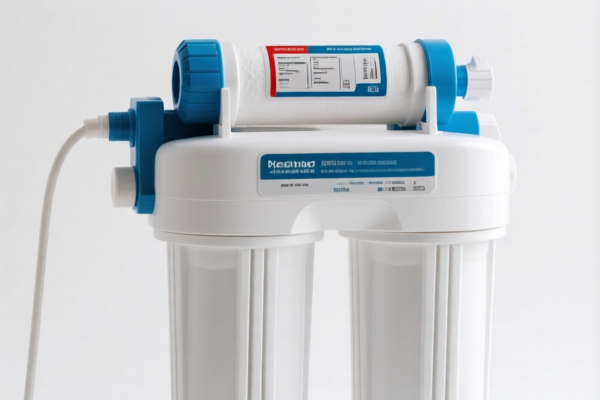
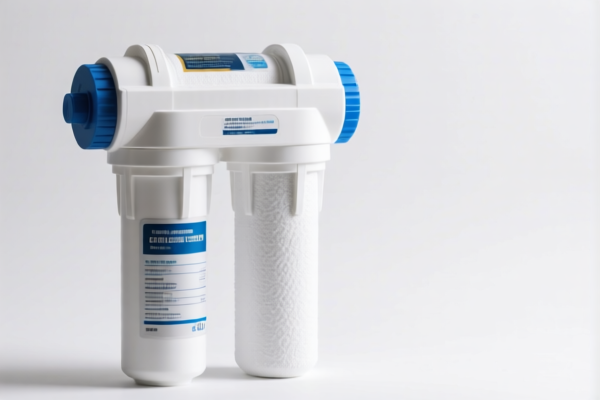
AI分析
🛡️ Air Filter Media & Technical Textiles | Global Trade & Customs Clearance Guide
🌐 HS Code Reference & Customs Clearance Strategy | 2026 Latest Tariff Analysis | Professional Import Strategy
📌 I. Product Definition & Classification: What Exactly Is "Filter Material"?
Air filter materials are not a single, unified commodity. In international trade, they are classified based on their physical structure, material composition, and end-use. Misclassification is the leading cause of customs delays and unexpected tax liabilities.
International customs authorities distinguish between:
1. Non-Woven Fabrics (Synthetic Fibers):
Often made from polypropylene (PP), polyester, or nylon. These are rigid, fibrous structures used in HVAC, automotive, and industrial air filtration.
👉 Key Indicator: "Non-woven," "Felt," "Fiber mat."
2. Textile Filtering Fabrics:
Woven or non-woven textiles specifically engineered for filtration processes in chemical, pharmaceutical, or food industries.
👉 Key Indicator: "Textile form," "Filter cloth," "Technical textile."
3. Mechanical Filtering Units (Media Only):
When the filter material is part of a larger mechanical assembly or considered a generic "medium" for filtration, it may fall under machinery parts.
👉 Key Indicator: "Filter medium," "Replacement element."
⚠️ Critical Distinction:
- If it is a non-woven synthetic mat → Look at Chapter 56 (Non-wovens).
- If it is a textile product designed for technical filtration → Look at Chapter 59 (Technical Textiles).
- If it is a generic filtering medium for machinery → Look at Chapter 84 (Machinery Parts).
📦 II. HS Code Classification Details (Based on Provided Data)
According to the provided dataset, the following HS Codes are relevant for "Filter Material." Note that while the summary descriptions vary slightly, the tariff structure is nearly identical for most entries due to US trade policies.
| HS Code | Product Description | Material/Structure | Chapter Category |
|---|---|---|---|
| 5603.11.00.70 | Air filter material, non-woven product, made of synthetic filaments or fibers | Synthetic non-woven (e.g., Polypropylene) | 56: Non-wovens |
| 5603.12.00.70 | Air filter material, non-woven fabric, usually made of fibers like polypropylene | Synthetic non-woven fabric | 56: Non-wovens |
| 8421.39.01.15 | Air filter material, form is filter medium, classified under other categories | Generic filtering medium (mechanical context) | 84: Machinery parts |
| 5911.40.01.00 | Textile filter material, meets definition of textile products for filtration | Textile-based (Woven/Non-woven textile) | 59: Technical Textiles |
| 5911.90.00.80 | Technical textile articles, possibly non-woven or fibrous material | General technical textile | 59: Technical Textiles |
🔍 Important Note:
- 5603.xxxx codes refer specifically to non-wovens with wooltopping or not, made of man-made filaments.
- 5911.xxxx codes refer to technical textile articles used for specific industrial purposes.
- 8421.39 refers to parts of mechanical appliances for filtering liquids or gases.
💰 III. 2026 Latest Tariff Rate Breakdown (US Import)
✅ Applicable Country: United States (US)
✅ Country of Origin: China (CN)
✅ Effective Date: Current trade policies apply (Section 301 & IEEPA)
🎯 1. Non-Woven Filter Media (5603.11.00.70 & 5603.12.00.70)
| Item | Detail |
|---|---|
| Base Tariff Rate | 0.0% (Most Favored Nation) |
| Section 301 Additional Duty | +25.0% (Trade Remedy Tariff) |
| IEEPA Section 122 Duty | +10.0% (Specific policy add-on) |
| Total Effective Tariff | 35.0% |
| Calculation Basis | CIF Value × 35% |
| De Minimis Eligibility | ❌ Not Eligible (Denied for Chinese-origin goods under these sections) |
| Legal Basis | Section 301: USITC 5603.xxxx + IEEPA: 10% surcharge |
📌 Explanation:
- These items are classified as non-woven synthetic fabrics.
- The 25% Section 301 tariff is standard for many Chinese textiles and non-wovens.
- The additional 10% is a specific levy (often referred to as "122 Clause" or similar policy add-on in recent trade updates).
- Total Cost Impact: High. Profit margins must account for this 35% duty.
🎯 2. Mechanical Filter Medium (8421.39.01.15)
| Item | Detail |
|---|---|
| Base Tariff Rate | 0.0% |
| Section 301 Additional Duty | +25.0% |
| IEEPA Section 122 Duty | +10.0% |
| Total Effective Tariff | 35.0% |
| Calculation Basis | CIF Value × 35% |
| De Minimis Eligibility | ❌ Not Eligible |
| Legal Basis | Section 301: USITC 8421.xxxx + IEEPA: 10% surcharge |
📌 Explanation:
- Even if classified as a "part" of a machine, Chinese-origin goods are heavily taxed.
- The tax structure is identical to the non-wovens above.
🎯 3. Textile Filter Materials (5911.40.01.00 & 5911.90.00.80)
| Item | Detail |
|---|---|
| Base Tariff Rate | 8.0% (for 5911.40) / 3.8% (for 5911.90) |
| Section 301 Additional Duty | +25.0% |
| IEEPA Section 122 Duty | +10.0% |
| Total Effective Tariff | 43.0% (for 5911.40) / 38.8% (for 5911.90) |
| Calculation Basis | CIF Value × Total Rate |
| De Minimis Eligibility | ❌ Not Eligible |
| Legal Basis | Section 301: USITC 5911.xxxx + IEEPA: 10% surcharge |
📌 Explanation:
- 5911.40.01.00: Textile filtering fabrics have a higher base rate (8%).
- 5911.90.00.80: Other technical textiles have a lower base rate (3.8%).
- Result: Even with lower base rates, the total tariff is still high (38.8% - 43%).
- Crucial: Do not assume "textile" means lower taxes. The 25% + 10% add-ons dominate the cost.
🛠️ IV. Customs Clearance Practical Advice (Risk Mitigation)
✅ 1. Required Documentation Checklist
| Document | Mandatory? | Description |
|---|---|---|
| ✅ Commercial Invoice | ✔️ | Must clearly state "Air Filter Material," material composition (e.g., "Polypropylene Non-Woven"), and HS Code. |
| ✅ Product Specification Sheet | ✔️ | Detail fiber diameter, weight (GSM), pore size, and application (e.g., "HVAC," "Industrial"). |
| ✅ Certificate of Origin (CO) | ✔️ | Required to determine eligibility for any preferential treatments (though limited for China-US currently). |
| ✅ Material Safety Data Sheet (MSDS) | ✔️ | If the filter includes chemical coatings or binders, this is critical for safety compliance. |
| ✅ Photo of Product & Label | ✔️ | Show the physical form (roll, sheet, cut piece) and any branding. |
| ✅ Third-Party Test Report | ✔️ | ISO 16890, EN 1822, or HEPA efficiency tests may be required by the end-user, not customs, but helps justify classification. |
✅ 2. Classification Strategy (Key Mnemonic)
🔥 “Non-Woven is 56, Textile is 59, Part is 84. Check the Base Rate, Add the 35-43%.”
| Scenario | Correct HS Code | Total Tariff | Risk Level |
|---|---|---|---|
| Polypropylene melt-blown mat (HEPA/Pleated) | 5603.11.00.70 or 5603.12.00.70 |
35.0% | ⚠️ High |
| Woven polyester filter cloth | 5911.40.01.00 |
43.0% | 🔴 Critical (Highest Tax) |
| Generic non-woven tech fabric | 5911.90.00.80 |
38.8% | ⚠️ High |
| Replacement filter element (as part) | 8421.39.01.15 |
35.0% | ⚠️ High |
⚠️ Warning:
- Do NOT classify a non-woven filter as a "garment accessory" or "household item" to avoid tariffs. Customs will reject this and reclassify, leading to penalties.
- Do NOT ignore the 10% IEEPA surcharge. It is applied automatically to most Chinese goods in these categories.
✅ 3. Special Cases & Edge Conditions
| Situation | Handling Advice |
|---|---|
| Filters with Aluminum Frames | If the frame is integral, the whole unit might be classified under 8421.39. If the frame is minor, the fabric dominates. Consult a broker. |
| Used/Recycled Filter Media | Generally prohibited or heavily restricted. Ensure goods are new. |
| Private Label/OEM | Provide the original manufacturer's catalog. Mislabeling "Made in China" on the invoice when origin is different is fraud. |
| De Minimis (Section 321) | Do not attempt. US Customs strictly denies de minimis entry for goods subject to Section 301 tariffs if they exceed $800 and are Chinese-origin in these categories. Expect full duty payment. |
🌍 V. Global Market Comparison (2026 Outlook)
| Market | Recommended HS Code | Approx. Tariff (China Origin) | Key Requirement |
|---|---|---|---|
| 🇺🇸 USA | 5603.11.00.70 / 5603.12.00.70 |
35.0% | Section 301 + IEEPA 10% |
| 🇺🇸 USA (Textile) | 5911.40.01.00 |
43.0% | Higher base rate |
| 🇪🇺 EU | 5603.xxxx |
~6-8% | CE Marking (if medical) |
| 🇨🇳 China | 5603.xxxx |
0-10% | Standard import |
| 🇨🇦 Canada | 5603.xxxx |
0-5% | USMCA if Canadian origin |
📌 Conclusion:
- The US market is the most expensive due to layered tariffs (Base + 301 + IEEPA).
- EU and other markets do not apply the same aggressive Section 301/IEEPA tariffs, making them more cost-effective for Chinese-sourced filter media.
- Strategy: Consider supply chain diversification (e.g., sourcing from Vietnam, Mexico, or Thailand) to bypass US additional tariffs.
📌 VI. Common Mistakes & Pitfalls (Lessons Learned)
❌ Mistake 1: Calling it "Fabric" to avoid higher "Textile" duties.
👉 Result: Customs may still classify it as 5911 if it meets technical textile definitions, leading to 43% instead of 35%.
❌ Mistake 2: Ignoring the 10% IEEPA surcharge.
👉 Result: Underpayment of duties, leading to audits, fines, and cargo hold.
❌ Mistake 3: Shipping small samples under De Minimis.
👉 Result: Customs may flag repeated small shipments as "splitting" to evade tariffs, resulting in blacklisting.
❌ Mistake 4: Using vague descriptions like "Filter Stuff."
👉 Result: Customs assigns a default (often higher) HS Code and requests additional verification, causing delivery delays.
✅ Best Practice:
Use precise descriptions: "Polypropylene Non-Woven Air Filter Media, Melt-Blown, 100gsm, for HVAC Applications, HS 5603.11.00.70"
🎯 VII. Conclusion: Precision in Classification Saves Money
🎯 Remember:
🔹 "Non-Woven: 35%, Textile: Up to 43%. No De Minimis. No Excuses."
🔹 "HS Code defines your cost. One digit difference can mean thousands in duties."
📌 Pro Tip:
If you are importing large volumes, consider applying for an Advance Ruling (CBP Ruling) from US Customs and Border Protection. This provides legal certainty on your HS Code and tariff rate before shipment, protecting you from retroactive penalties.
📣 Action Plan:
📞 Consult a Licensed Customs Broker
📄 Prepare Full Product Specifications
🚀 Calculate Landed Cost Including 35-43% Duty
✨ Professional Clearance Starts with Accurate Classification!
💼 Your Profit Margin Depends on It!
用户评价
关于 HS 编码归类
协调制度(HS)是由世界海关组织(WCO)制定的国际贸易商品分类标准。全球 200 多个国家采用 HS 系统作为海关关税、贸易统计和进出口监管的基础。
每个 HS 编码遵循以下层级结构:
- 章(2 位)——商品大类(例如:第 84 章:机器和机械设备)
- 品目(4 位)——章内的更具体分类
- 子目(6 位)——国际通用细分,所有 WCO 成员国统一使用
- 本国细分(8-10 位)——各国自行扩展的细分编码,如美国 HTSUS 10 位编码
正确的 HS 编码归类对于顺利通关、准确缴纳关税和遵守贸易法规至关重要。错误归类可能导致海关延误、多缴关税或罚款。
从CN进口到US时,适用的关税税率可能包括:
- 最惠国(MFN)税率——适用于 WTO 成员国的标准关税税率
- 普通税率——适用于无贸易协定国家
- 贸易救济关税——附加关税,如 301 条款(反倾销)、232 条款(国家安全)或反补贴税
本页内容仅供参考。如需正式归类,请咨询当地海关或持牌报关代理。