Filter Spoon
CN → US| HS编码 | 关税税率 | 原产国 | 目的国 | 文档 |
|---|---|---|---|---|
| 3924104000 | 13.4% | CN | US | 官方文档 |
| 3924101000 | 13.4% | CN | US | 官方文档 |
| 6911108010 | 38.3% | CN | US | 官方文档 |
| 6911104100 | 16.3% | CN | US | 官方文档 |
| 7323930060 | 62.0% | CN | US | 官方文档 |
| 7323999030 | 88.4% | CN | US | 官方文档 |
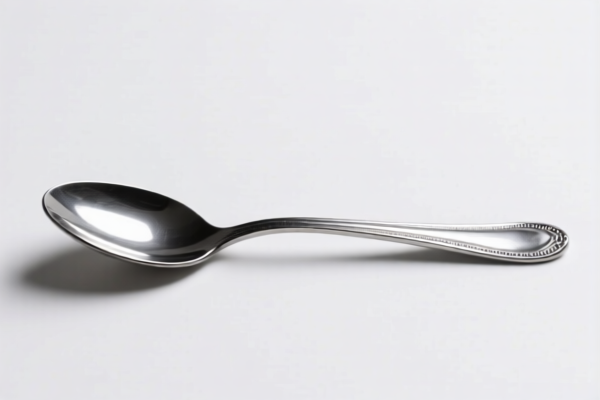
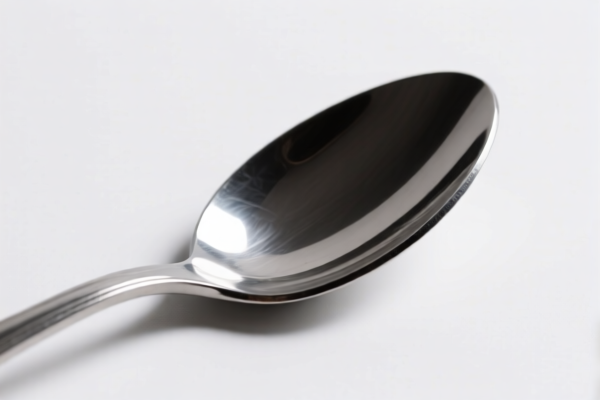
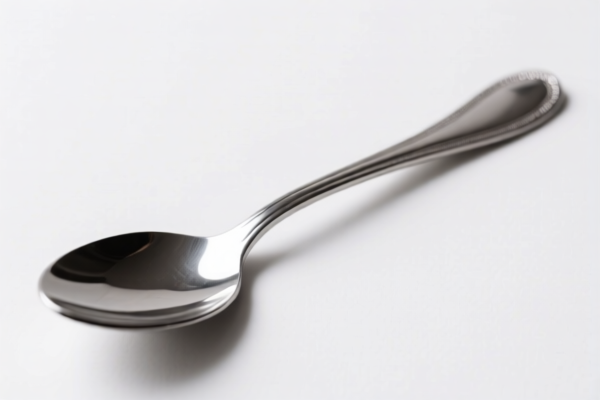
商品图片

AI分析
🥄 Filter Spoon (Culinary Tool)
🌐 HS Code Reference & Customs Clearance Guide | 2026 Latest Tariff Analysis | Strategic Compliance
📌 I. Product Definition & Classification: What Exactly Is a "Filter Spoon"?
A Filter Spoon (also known as a tea spoon, strainer spoon, or fine mesh spoon) is a specialized kitchen utensil designed to strain solids (like tea leaves, coffee grounds, or spice particles) from liquids while serving. In international trade, its classification depends strictly on the material of construction.
Key Material Categories: * Metal Filter Spoons: Typically made of stainless steel, iron, or steel. These are durable, heat-resistant, and often feature a fine mesh or perforated bowl. * Plastic Filter Spoons: Made from various polymers (PP, ABS, etc.). These are lightweight, inexpensive, and often used for disposable or low-cost kitchenware. * Ceramic/Porcelain Filter Spoons: Rare due to fragility, but exist for aesthetic dining sets.
⚠️ Critical Distinction Point:
- If made of Stainless Steel → It falls under Chapter 73 (Articles of Iron or Steel).
- If made of Plastic → It falls under Chapter 39 (Plastics and Articles Thereof).
- Note: Misclassification between metal and plastic can lead to massive tariff differences (from 3.4% to 52%+).
📦 II. HS Code Classification Details (2026 Latest Tariff Authority)
Based on the provided data, here is the precise breakdown for Filter Spoons:
| HS Code | Product Description | Material | Applicable Scenario | Tax Impact (Total) |
|---|---|---|---|---|
7323.93.00.60 |
Kitchen ware, of stainless steel | Stainless Steel | High-quality, durable, reusable filter spoons | 52.0% |
7323.99.90.30 |
Kitchen or tableware suitable for food contact (Not precious metal) | Other Iron/Steel | Non-stainless iron/steel filter spoons | 78.4% |
3924.10.40.00 |
Tableware and kitchenware (Other plastics) | Plastic | Standard plastic filter spoons, generic household use | 3.4% |
3924.10.10.00 |
Salt, pepper, mustard and ketchup dispensers and similar | Plastic | Rare for Filter Spoons – Only if designed specifically as a dispenser with filtering capability | 3.4% |
6911.10.80.10 |
Tableware suitable for food or drink contact | Porcelain/China | Ceramic filter spoons (Uncommon) | 28.3% |
6911.10.41.00 |
Steins, candy boxes, decanters, etc. | Porcelain/China | Not Applicable – Filter spoons do not fit this specific decorative/ceramic category | 6.3% |
🔍 Key Insight:
- Stainless Steel (7323.93.00.60) is the most common premium choice but carries a 52% total tax.
- Plastic (3924.10.40.00) is the most cost-effective with only 3.4% tax, but may be perceived as lower quality.
- Porcelain (6911.10.80.10) is niche and carries a 28.3% tax.
- Avoid6911.10.41.00: This code is for specific decorative ceramic items (steins, decanters), not functional filter spoons.
💰 III. 2026 Tariff Rate Breakdown (Detailed Tax Analysis)
✅ Applicable Country: United States (US)
✅ Origin: China (CN)
✅ Effective Date: 2025/2026 Trade Policies
🎯 1. 7323.93.00.60 – Stainless Steel Kitchen Ware
⚠️ HIGH TARIFF ALERT
| Item | Detail |
|---|---|
| Base Tariff | 2.0% |
| Additional Tariff (Section 301) | 50.0% |
| Total Tax | 52.0% |
| Tax Detail | "Base Tariff: 2.0%, Additional Tariff: 0.0% Steel, Aluminum, Copper Products Additional Tariff: 50%" |
| Calculation | CIF Value × 52.0% |
| De Minimis Exemption | ❌ Not Eligible (High value threshold exceeded) |
📌 Explanation:
- The 50% additional tariff applies specifically to steel articles under Section 301.
- Stainless steel filter spoons are heavily taxed in the US market.
- Cost Impact: For a $10,000 shipment, you pay $5,200 in taxes.
🎯 2. 7323.99.90.30 – Other Iron/Steel Kitchen Ware
🚫 EXTREMELY HIGH TARIFF
| Item | Detail |
|---|---|
| Base Tariff | 3.4% |
| Additional Tariff (Section 301) | 50.0% |
| Additional Surcharge | 25.0% |
| Total Tax | 78.4% |
| Tax Detail | "Base Tariff: 3.4%, Additional Tariff: 25.0% Steel, Aluminum, Copper Products Additional Tariff: 50%" |
| Calculation | CIF Value × 78.4% |
📌 Explanation:
- This code covers non-stainless iron or steel items that are not otherwise specified.
- The 78.4% rate is punitive. Avoid this code unless the product is explicitly non-stainless steel and cannot be classified elsewhere.
- Cost Impact: For a $10,000 shipment, you pay $7,840 in taxes.
🎯 3. 3924.10.40.00 – Plastic Tableware/Kitchenware
✅ LOW TARIFF OPTION
| Item | Detail |
|---|---|
| Base Tariff | 3.4% |
| Additional Tariff | 0.0% |
| Total Tax | 3.4% |
| Tax Detail | "Base Tariff: 3.4%, Additional Tariff: 0.0%" |
| Calculation | CIF Value × 3.4% |
| De Minimis Exemption | ✅ Eligible (if value < $800 per shipment, subject to current de minimis rules) |
📌 Explanation:
- Plastic kitchenware is not subject to Section 301 steel/aluminum tariffs.
- Cost Impact: For a $10,000 shipment, you pay only $340 in taxes.
- Strategic Advantage: Significant cost savings compared to metal alternatives.
🎯 4. 6911.10.80.10 – Porcelain Tableware
⚠️ MODERATE-HIGH TARIFF
| Item | Detail |
|---|---|
| Base Tariff | 20.8% |
| Additional Tariff | 7.5% |
| Total Tax | 28.3% |
| Tax Detail | "Base Tariff: 20.8%, Additional Tariff: 7.5%" |
| Calculation | CIF Value × 28.3% |
📌 Explanation:
- Porcelain items face high base tariffs but no Section 301 steel/aluminum tariffs.
- Cost Impact: For a $10,000 shipment, you pay $2,830 in taxes.
- Niche Market: Suitable for premium, aesthetic kitchen sets.
🛠️ IV. Customs Clearance Practical Advice
✅ 1. Documentation Checklist (Non-Negotiable)
| Document | Required | Notes |
|---|---|---|
| ✅ Product Specification Sheet | ✔️ | Must specify material (e.g., "18/8 Stainless Steel" or "Food-Grade PP Plastic"). |
| ✅ Product Photos | ✔️ | Clear images showing the filtering mechanism (mesh/perforation). |
| ✅ Commercial Invoice | ✔️ | Must describe item as "Filter Spoon" or "Strainer Spoon," NOT generic "Kitchen Utensil." |
| ✅ Material Declaration | ✔️ | Explicitly state if it is Stainless Steel, Iron, or Plastic. |
| ✅ FDA Compliance (if applicable) | ✔️ | For food-contact items, ensure compliance with 21 CFR (US) or local food safety standards. |
| ✅ Certificate of Origin | ✔️ | Required for tariff determination and potential FTZ benefits. |
✅ 2. Classification Strategy (Critical Rules)
🔥 "Material Dictates Tax, Description Dictates Code!"
| Scenario | Correct HS Code | Wrong Code | Consequence |
|---|---|---|---|
| Stainless Steel Filter Spoon | 7323.93.00.60 |
3924.10.40.00 |
52% Tax vs 3.4% Tax → Huge penalty |
| Plastic Filter Spoon | 3924.10.40.00 |
7323.93.00.60 |
3.4% Tax vs 52% Tax → Overpaid |
| Mixed Material (Metal Handle + Plastic Head) | Depends on Essential Character | Incorrect mix | Risk of audit, back-taxes |
| Porcelain Filter Spoon | 6911.10.80.10 |
7323.93.00.60 |
28.3% vs 52% → Overpaid |
📌 Key Rule:
- If the spoon has a metal mesh and a plastic handle, customs may classify it based on the essential character (usually the metal part for function). Declare separately if possible to optimize taxes.
- Never use generic terms like "Kitchen Tool" – always specify "Filter Spoon" and Material.
✅ 3. Special Situations
| Situation | Recommendation |
|---|---|
| OEM Custom Spoons | Provide design drawings showing material composition. |
| Set of Spoons | If sold as a set, declare the dominant material or split invoices by material. |
| Dropshipping | Ensure de minimis eligibility ($800 threshold) for plastic items (3924.10.40.00). Metal items (7323.93.00.60) likely exceed this and require formal entry. |
| Food Contact | Ensure materials are FDA-approved for direct food contact. Non-compliance leads to rejection at customs. |
🌍 V. Global Market Comparison (2026)
| Country/Region | Recommended HS Code | Tax Rate | Certification | Notes |
|---|---|---|---|---|
| 🇺🇸 USA | 3924.10.40.00 (Plastic) |
3.4% | FDA | Lowest tax for plastic |
| 🇺🇸 USA | 7323.93.00.60 (Steel) |
52.0% | FDA | High tax for steel |
| 🇨🇳 China | 3924.10.40.00 |
~3.4% | GB Standard | No Section 301 |
| 🇪🇺 EU | 7323.93.00 |
~5-10% | LFGB/FDA | No Section 301, lower base tariffs |
| 🇬🇧 UK | 7323.93.00 |
~5-10% | FSA | Post-Brexit tariffs vary |
📌 Conclusion:
- USA is the most expensive market for steel filter spoons due to Section 301 tariffs.
- Plastic filter spoons are tariff-efficient globally, including the US.
- Strategy: If targeting the US, consider plastic or silicone-based filter spoons to save ~48.6% in taxes compared to stainless steel.
📌 VI. Common Mistakes & Pitfalls (Lessons Learned)
❌ Mistake 1: Declaring Stainless Steel Spoons as "Plastic" to avoid taxes
👉 Consequence: Customs inspection reveals steel → Penalties + Back Taxes + Seizure
❌ Mistake 2: Using generic "Kitchen Utensil" description
👉 Consequence: Customs assigns highest possible rate → Unnecessary tax burden
❌ Mistake 3: Ignoring Food Contact Compliance
👉 Consequence: Product rejected at US border → Return/Destroy
❌ Mistake 4: Misclassifying Mixed-Material Items
👉 Consequence: Audit risk → Delayed clearance
✅ Correct Approach:
"Stainless Steel Filter Spoon, 18/8 Grade, with Fine Mesh Strainer, FDA Compliant"
"Plastic Filter Spoon, Food-Grade PP, Perforated Design, BPA-Free"
🎯 VII. Conclusion: Smart Classification, Lower Costs, Faster Clearance!
🎯 Remember:
🔹 "Material is King: Plastic saves 50%, Steel costs 50%."
🔹 "Describe Accurately: 'Filter Spoon' not 'Utensil'."
🔹 "Check FDA: Food contact requires compliance, or face rejection."
📌 Pro Tip:
For US imports, plastic filter spoons (3924.10.40.00) offer the best balance of cost and compliance.
For premium markets, stainless steel (7323.93.00.60) is acceptable but factor in the 52% tax in your pricing model.
Porcelain (6911.10.80.10) is a niche luxury option with 28.3% tax.
📣 Immediate Action:
📞 Consult a customs broker for Pre-Ruling on mixed-material items.
📝 Ensure FDA compliance documentation is ready before shipment.
🚀 Optimize your product mix: Plastic for volume, Steel for premium (with tax awareness).
✨ Professional Clearance Starts with Precise Classification!
💼 Your Margin is Protected by Your HS Code!
用户评价
关于 HS 编码归类
协调制度(HS)是由世界海关组织(WCO)制定的国际贸易商品分类标准。全球 200 多个国家采用 HS 系统作为海关关税、贸易统计和进出口监管的基础。
每个 HS 编码遵循以下层级结构:
- 章(2 位)——商品大类(例如:第 84 章:机器和机械设备)
- 品目(4 位)——章内的更具体分类
- 子目(6 位)——国际通用细分,所有 WCO 成员国统一使用
- 本国细分(8-10 位)——各国自行扩展的细分编码,如美国 HTSUS 10 位编码
正确的 HS 编码归类对于顺利通关、准确缴纳关税和遵守贸易法规至关重要。错误归类可能导致海关延误、多缴关税或罚款。
从CN进口到US时,适用的关税税率可能包括:
- 最惠国(MFN)税率——适用于 WTO 成员国的标准关税税率
- 普通税率——适用于无贸易协定国家
- 贸易救济关税——附加关税,如 301 条款(反倾销)、232 条款(国家安全)或反补贴税
本页内容仅供参考。如需正式归类,请咨询当地海关或持牌报关代理。