Fine Animal Fiber (Below 18.5 Microns)
CN → US| HS编码 | 关税税率 | 原产国 | 目的国 | 文档 |
|---|---|---|---|---|
| 5108208000 | 39.0% | CN | US | 官方文档 |
| 6214200000 | 24.2% | CN | US | 官方文档 |
| 5108108000 | 39.0% | CN | US | 官方文档 |
| 5112113030 | 60.0% | CN | US | 官方文档 |
| 5112113060 | 60.0% | CN | US | 官方文档 |
| 6214900090 | 28.8% | CN | US | 官方文档 |
商品图片
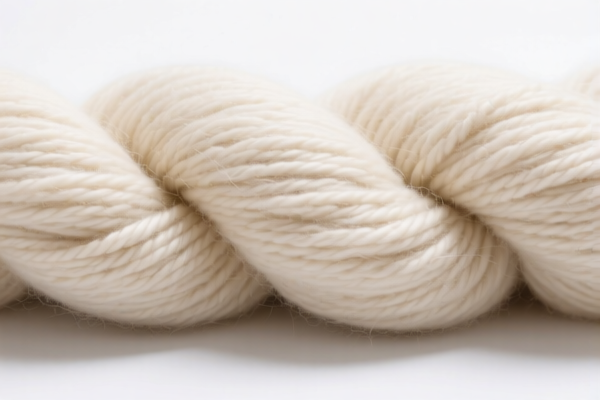
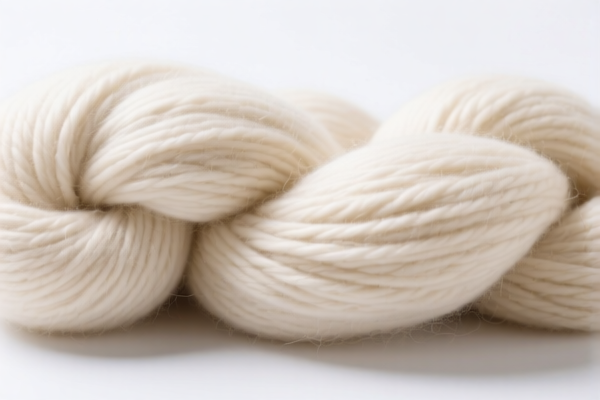
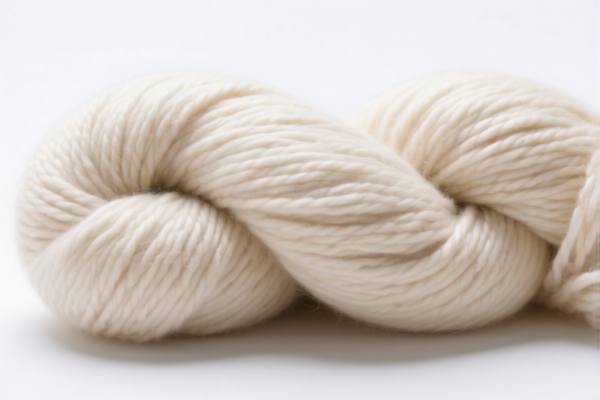
AI分析
🧶 Fine Animal Fiber (Below 18.5 Microns)
🌐 HS Code Reference & Customs Clearance Guide | 2026 Latest Tariff Full Analysis | Professional Entry Strategy
📌 Part 1: Product Definition and Classification: Do You Really Understand "Fine Animal Fiber"?
"Fine Animal Fiber (Below 18.5 Microns)" primarily refers to high-grade animal hair, typically cashmere or fine alpaca/llama wool, where the fiber diameter is strictly below 18.5 microns. In international trade, these materials are categorized differently based on their physical form:
1. Yarns (Carded or Combed): Spun threads made from the fibers. 2. Fabrics/Wovens: Finished textile sheets made from the yarns (e.g., for scarves, shawls, or suits).
⚠️ Key Distinction Point:
- If the product is spun yarn (ready for knitting or weaving) → It falls under Chapter 51 (Hors Hair, Fine or Coarse Animal Hair; Yarn and Waste of That Kind).
- If the product is a finished fabric or made-up article (like a scarf) → It falls under Chapter 61 or 62 (Articles of Apparel and Clothing Accessories).
- Crucial Note: The "18.5 Microns" threshold is critical for identifying "Fine" animal hair, which often triggers specific high tariffs under Section 122 of US trade regulations.
📦 Part 2: HS Code Classification Details (2026 Latest Tariff Authority Reference)
Below are the specific HS Codes mapped directly from the provided data for "Fine Animal Fiber (Below 18.5 Microns)."
| HS Code | Product Description | Application Scenario | Tax Rate (Total) |
|---|---|---|---|
5108.20.80.00 |
Yarn of fine animal hair (carded/combed), fiber diameter < 18.5 microns. Other specific fine yarns. | Raw cashmere yarn, fine wool yarn for knitting. | 39.0% |
5108.10.80.00 |
Yarn of fine animal hair, fiber diameter < 18.5 microns, classified under other subheadings. | Alternative fine animal hair yarns not covered in 5108.20. | 39.0% |
5112.11.30.30 |
Woven fabric of fine animal hair, fiber diameter < 18.5 microns. Specific textile category. | Woven cashmere/alpaca fabric for garments or upholstery. | 60.0% |
5112.11.30.60 |
Woven fabric of fine animal hair, fiber diameter < 18.5 microns. Fully compliant with restricted conditions. | High-compliance woven fabrics for specialized export markets. | 60.0% |
6214.20.00.00 |
Scarves, shawls, mufflers, etc., of fine animal hair (woven or knitted). | Finished accessories like cashmere scarves. | 24.2% |
6214.90.00.90 |
Other textile articles of fine animal hair, including scarves/shawls made from other textile materials mixed with fine animal hair. | Mixed-material scarves/shawls containing <100% fine animal hair. | 28.8% |
🔍 Focus Reminder:
- Yarns (5108) are subject to 39% total tax.
- Fabrics (5112) are subject to 60% total tax (highest tier).
- Finished Accessories (6214) have lower rates (24.2% - 28.8%) compared to raw materials, reflecting the value-add.
- All items above include the 18.5-micron specification, which defines them as "Fine" and triggers specific trade penalties.
💰 Part 3: 2026 Latest Tariff Rate Details (Including Surtaxes and Policy Surcharges)
✅ Applicable Country: United States (US)
✅ Origin: China (CN)
✅ Effective Time: Current regulations apply (based on Section 122 and 301 tariffs).
🎯 1. 5108.20.80.00 & 5108.10.80.00 —— Fine Animal Hair Yarn
| Item | Content |
|---|---|
| Base Duty Rate | 4.0% |
| 301 Surtax (Section 301) | +25.0% |
| Section 122 Tariff | +10.0% |
| Total Tax Rate | 39.0% |
| Tax Calculation | CIF Value × 39.0% |
| De Minimis Exemption? | ❌ Not Eligible (Value exceeds threshold and is subject to specific trade barriers) |
| Legal Basis Path | Section 301: 9903.88.01 → Section 122: 9903.01.24 → USITC: 5108.20.80.00 |
📌 Explanation:
- The 4.0% base duty is the standard MFN rate for animal hair yarns.
- The 25.0% is the Section 301 tariff applied to most Chinese textiles and yarns.
- The 10.0% is the specific Section 122 tariff targeting Chinese imports, specifically impacting labor-intensive goods including textiles.
- Total 39% makes exporting yarn highly expensive.
🎯 2. 5112.11.30.30 & 5112.11.30.60 —— Fine Animal Hair Woven Fabric
| Item | Content |
|---|---|
| Base Duty Rate | 25.0% |
| 301 Surtax (Section 301) | +25.0% |
| Section 122 Tariff | +10.0% |
| Total Tax Rate | 60.0% |
| Tax Calculation | CIF Value × 60.0% |
| De Minimis Exemption? | ❌ Not Eligible |
| Legal Basis Path | Section 301 → Section 122 → USITC: 5112.11.30.xx |
📌 Explanation:
- The base rate for these specific woven fabrics is already high at 25.0%.
- Adding 25% (301) and 10% (Section 122) results in a massive 60% total tax.
- Warning: This is the highest tax bracket in the dataset. Importers must carefully calculate margins before shipping woven fabrics.
🎯 3. 6214.20.00.00 —— Fine Animal Hair Scarves/Shawls
| Item | Content |
|---|---|
| Base Duty Rate | 6.7% |
| 301 Surtax (Section 301) | +7.5% |
| Section 122 Tariff | +10.0% |
| Total Tax Rate | 24.2% |
| Tax Calculation | CIF Value × 24.2% |
| De Minimis Exemption? | ❌ Not Eligible |
| Legal Basis Path | Section 301 → Section 122 → USITC: 6214.20.00.00 |
📌 Explanation:
- Scarves as finished accessories have a lower base duty (6.7%) compared to yarns or fabrics.
- The 301 surtax is reduced to 7.5% for this specific subcategory (likely due to different trade lists).
- Total 24.2% is significantly more favorable than raw materials.
🎯 4. 6214.90.00.90 —— Other Textile Materials (Fine Animal Hair) for Scarves/Shawls
| Item | Content |
|---|---|
| Base Duty Rate | 11.3% |
| 301 Surtax (Section 301) | +7.5% |
| Section 122 Tariff | +10.0% |
| Total Tax Rate | 28.8% |
| Tax Calculation | CIF Value × 28.8% |
| De Minimis Exemption? | ❌ Not Eligible |
| Legal Basis Path | Section 301 → Section 122 → USITC: 6214.90.00.90 |
📌 Explanation:
- For scarves made from mixed materials or other textiles containing fine animal hair, the base duty is 11.3%.
- Total 28.8% is slightly higher than 100% fine animal hair scarves due to classification nuances, but still lower than fabric imports.
🛠️ Part 4: Customs Clearance Practical Advice (Battle-Tested Pitfall Avoidance Guide)
✅ 1. Preparation Checklist (Non-Negotiable)
| Material | Must Provide | Description |
|---|---|---|
| ✅ Fiber Diameter Test Report | ✔️ | Critical: Must prove fiber diameter is < 18.5 microns. If >18.5, HS Code changes, and tax rates may differ (potentially lower base duty but still high surtax). |
| ✅ Product Photos (Clear) | ✔️ | Show texture, label, and finished state (yarn vs. fabric vs. scarf). |
| ✅ Commercial Invoice | ✔️ | Clearly state "Fine Animal Hair" and specify fiber type (Cashmere, Alpaca, etc.). |
| ✅ Origin Certificate (CO) | ✔️ | If from China, confirm Country of Origin. |
| ✅ Packing List | ✔️ | Detail quantity, weight, and packaging type. |
| ✅ Composition Statement | ✔️ | For 6214.90, specify exact percentage of fine animal hair vs. other materials. |
✅ 2. Declaration Tips (Key Mantras)
🔥 "Fiber Size Matters, Form Defines Code, Don't Split the Scarf!"
| Situation | Correct Declaration | Error to Avoid |
|---|---|---|
| Yarn only | 5108.20.80.00 or 5108.10.80.00 |
Declare as "Fabric" → 60% tax instead of 39%. |
| Woven Fabric | 5112.11.30.30/60 |
Declare as "Yarn" → Undervaluation risk or reclassification penalty. |
| Finished Scarf (100% Fine Hair) | 6214.20.00.00 |
Declare as "Fabric" → 24.2% vs 60% (Save huge money!). |
| Mixed Scarf | 6214.90.00.90 |
Declare as 100% Fine Hair → Misclassification, fines, and retroactive tax. |
| Fiber Diameter = 18.6 Microns | Different HS Code | Declare as "<18.5 Microns" → Fraud, seizure, and penalties. |
✅ 3. Special Handling for Specific Cases
| Situation | Handling Advice |
|---|---|
| OEM Custom Scarves | Provide design proofs. Ensure the "Fine Animal Hair" claim is substantiated by lab tests. |
| Mixed Fabric (e.g., Silk + Cashmere) | Must specify which material constitutes the essential character. If cashmere is minor, tax rate may change, but 301/122 may still apply. |
| Pre-122 Inventory | If goods were already imported under previous rules, check for "Retroactive Application" rules, but generally, current rates apply upon entry. |
| De Minimis (Section 321) | ❌ Not Applicable. Section 122 and 301 tariffs explicitly exclude low-value shipments from exemption for these textile categories. Do not attempt to split shipments to bypass. |
🌍 Part 5: Global Main Market Customs Comparison (2026 Latest)
| Country/Region | Recommended HS Code | Base Tariff | Surtax/Additional | Total Est. | Notes |
|---|---|---|---|---|---|
| 🇺🇸 USA | 6214.20.00.00 |
6.7% | 301 (7.5%) + 122 (10%) | 24.2% | High Cost. Section 122 is the key pain point. |
| 🇺🇸 USA | 5112.11.30.30 |
25.0% | 301 (25%) + 122 (10%) | 60.0% | Extreme Cost. Avoid importing raw fabric if possible. |
| 🇨🇳 China | 6214.20.00.00 |
~10-12% | None | ~12% | No Section 122/301. Lower cost for domestic sale. |
| 🇪🇺 EU | 6214.20.00.00 |
12% | None | 12% | No Section 301/122. More competitive than US. |
| 🇬🇧 UK | 6214.20.00.00 |
12% | None | 12% | Post-Brexit, follows similar structure to EU. |
| 🇨🇦 Canada | 6214.20.00.00 |
16% | None | 16% | No Section 122. Moderate cost. |
📌 Conclusion:
- The USA is the most expensive market due to the叠加 (stacking) of Section 301 and Section 122.
- Fabric (5112) is the most taxed item (60%).
- Finished Scarves (6214) are the most cost-effective (24.2%).
- Strategy: If possible, import finished scarves rather than yarn or fabric to mitigate tariff impact.
📌 Part 6: Common Errors & Pitfall Guide (Blood and Tears Lessons)
❌ Error 1: Declaring "Cashmere Scarf" but providing no fiber diameter test.
👉 Consequence: Customs may reject the "<18.5 micron" claim, reclassify to coarser hair (different HS), and impose fines.
❌ Error 2: Declaring "Woven Fabric" when the item is a "Finished Scarf".
👉 Consequence: Tax jumps from 24.2% to 60%. Overpayment of 35.8%!
❌ Error 3: Declaring "Yarn" when the item is "Fabric".
👉 Consequence: Tax drops from 60% to 39%, but this is Undervaluation/Fraud. Customs will detect via photos/inspection. Penalty + Seizure.
❌ Error 4: Trying to use "De Minimis" (under $800) to avoid Section 122.
👉 Consequence: Illegal. Section 122 explicitly waives de minimis for these goods. Shipment will be seized.
✅ Correct Action:
"100% Cashmere Scarf, Fine Animal Hair (<18.5 Microns), Woven, HS Code 6214.20.00.00, Labeled as Finished Article, with Lab Test Report Attached."
🎯 Part 7: Conclusion: Precise Classification Saves Money!
🎯 Remember the Mantra:
🔹 "Yarn 39, Fabric 60, Scarf 24.2. Form dictates the rate."
🔹 "Section 122 is the killer for Textiles. Don't ignore it."
🔹 "Test your fiber size. <18.5 Microns is the gold standard."
📌 Tips:
- If your supplier claims "Fine Animal Hair," demand a third-party lab test confirming the average fiber diameter is below 18.5 microns.
- For large shipments, consider Bonded Warehouses in the US to defer tax payment until the final sale, though the rate remains high.
- Explore Country of Origin Shifting: If the yarn is spun in India or Vietnam but woven in China, the rules of origin may change, potentially avoiding Section 122 (though Section 301 might still apply depending on processing).
📣 Immediate Action:
📞 Consult a licensed Customs Broker.
📸 Send product images and lab reports for pre-classification.
🚀 Optimize your supply chain to ship Finished Goods instead of Raw Materials to the US market.
✨ Professional Clearance Starts with Accurate Classification!
💼 Every percentage point saved is pure profit!
用户评价
关于 HS 编码归类
协调制度(HS)是由世界海关组织(WCO)制定的国际贸易商品分类标准。全球 200 多个国家采用 HS 系统作为海关关税、贸易统计和进出口监管的基础。
每个 HS 编码遵循以下层级结构:
- 章(2 位)——商品大类(例如:第 84 章:机器和机械设备)
- 品目(4 位)——章内的更具体分类
- 子目(6 位)——国际通用细分,所有 WCO 成员国统一使用
- 本国细分(8-10 位)——各国自行扩展的细分编码,如美国 HTSUS 10 位编码
正确的 HS 编码归类对于顺利通关、准确缴纳关税和遵守贸易法规至关重要。错误归类可能导致海关延误、多缴关税或罚款。
从CN进口到US时,适用的关税税率可能包括:
- 最惠国(MFN)税率——适用于 WTO 成员国的标准关税税率
- 普通税率——适用于无贸易协定国家
- 贸易救济关税——附加关税,如 301 条款(反倾销)、232 条款(国家安全)或反补贴税
本页内容仅供参考。如需正式归类,请咨询当地海关或持牌报关代理。