Fine Animal Fiber (Diameter Below 18.5 Microns)
CN → US| HS编码 | 关税税率 | 原产国 | 目的国 | 文档 |
|---|---|---|---|---|
| 5108208000 | 39.0% | CN | US | 官方文档 |
| 6214200000 | 24.2% | CN | US | 官方文档 |
| 5108108000 | 39.0% | CN | US | 官方文档 |
| 5112113030 | 60.0% | CN | US | 官方文档 |
| 5112113060 | 60.0% | CN | US | 官方文档 |
| 6214900090 | 28.8% | CN | US | 官方文档 |
商品图片
AI分析
🧶 Fine Animal Fiber (Diameter < 18.5 Microns) – HS Code Classification & US Customs Strategy
🌐 HS Code Reference & Customs Clearance Guide | 2026 Latest Tariff Analysis | Professional Clearance Strategy
📌 I. Product Definition & Classification: What is "Fine Animal Fiber"?
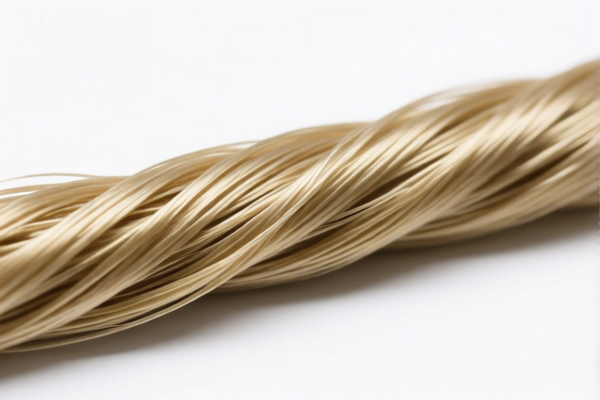
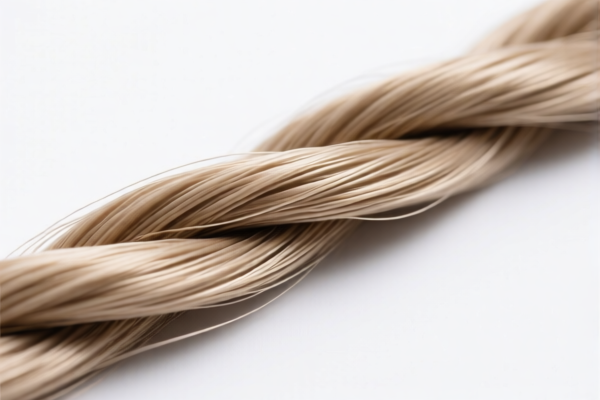
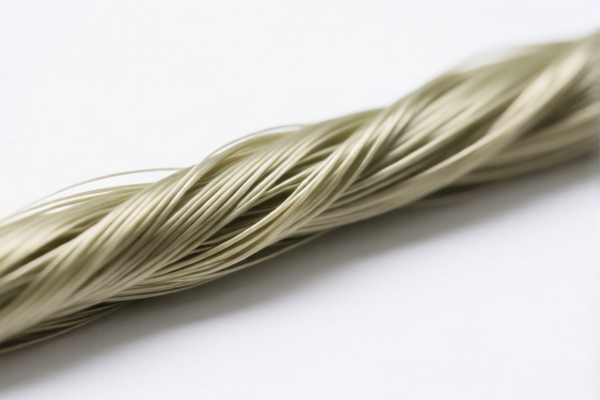
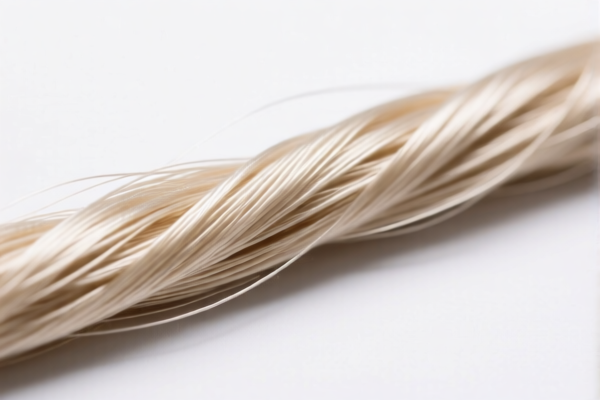
Fine Animal Fiber refers to animal hair with a fiber diameter strictly below 18.5 microns. The most prominent example is Cashmere, followed by high-quality Mohair and Angora, though technical definitions rely on micron count rather than breed name.
In international trade, this material is classified based on its state: 1. Yarn (Thread/Spun Thread): Raw or processed fibers spun into yarn. 2. Fabrics/Articles: Woven or knitted fabrics made from these fibers, or finished products (like scarves).
⚠️ Critical Distinction Point:
- If the diameter is ≥ 18.5 microns, it is NOT "Fine Animal Hair" and falls under different, often cheaper, HS codes (e.g., standard wool).
- If the diameter is < 18.5 microns, it triggers specific subheadings under Chapter 51 (Animal Hair), which are subject to higher tariffs due to trade restrictions.
📦 II. HS Code Classification Details (2026 Latest Tariff Authority)
The following HS Codes are derived directly from the provided data for Fine Animal Fiber (< 18.5 microns):
| HS Code | Product Description | Summary Match | State/Form |
|---|---|---|---|
5108.20.80.00 |
Other Yarn of Fine Animal Hair (Other) | Matched: Material fits 'Fine Animal Hair' (<18.5μm), Form is 'Yarn/Fabric'. | Yarn |
5108.10.80.00 |
Yarn of Fine Animal Hair (Other) | Matched: Material is fine animal hair (<18.5μm), Form is Yarn. | Yarn |
6214.20.00.00 |
Scarves, Shawls, etc. of Fine Animal Hair | Matched: Material 'Fine Animal Hair', Form fits 'Scarf/Fabric制品'. | Finished Article (Scarf) |
5112.11.30.30 |
Woven Fabric of Fine Animal Hair | Matched: Material is fine animal hair, Form is Fabric, Diameter <18.5μm. | Fabric |
5112.11.30.60 |
Woven Fabric of Fine Animal Hair | Matched: Name includes material, form, and key technical indicators (<18.5μm). | Fabric |
🔍 Key Insight:
- Yarn Codes (5108.xx.xx): Lower base tariff but high total tax due to additional duties.
- Fabric Codes (5112.xx.xx): Highest base tariff (25%), resulting in the highest total tax rate.
- Article Code (6214.xx.xx): Moderate base tariff, lower total tax compared to yarn/fabric in this specific dataset.
💰 III. 2026 Latest Tariff Rate Breakdown (Including Surcharge & Policy Fees)
✅ Applicable Country: USA (US)
✅ Origin: China (CN) (Implied by "122 Clause" and typical US-China trade context in data)
✅ Effective Date: Current/2026
🎯 1. 5108.20.80.00 & 5108.10.80.00 —— Fine Animal Hair Yarn
| Item | Content |
|---|---|
| Base Tariff | 4.0% (Ad Valorem) |
| Section 301 Surcharge | +25.0% |
| Section 122 Clause Tariff | +10.0% |
| Total Tariff | 39.0% |
| Tax Calculation | CIF Value × 39.0% |
| De Minimis Exemption? | ❌ No (Subject to strict scrutiny and high tariffs) |
| Legal Basis | USITC:5108 → Section 301: 25% → Section 122: 10% |
📌 Explanation:
- 39% is a significant barrier for raw materials.
- Section 301 (25%) is the standard US-China trade war tariff on wool products.
- Section 122 (10%) is an additional administrative duty often applied to prevent import surges.
🎯 2. 6214.20.00.00 —— Scarves/Shawls of Fine Animal Hair
| Item | Content |
|---|---|
| Base Tariff | 6.7% (Ad Valorem) |
| Section 301 Surcharge | +7.5% |
| Section 122 Clause Tariff | +10.0% |
| Total Tariff | 24.2% |
| Tax Calculation | CIF Value × 24.2% |
| De Minimis Exemption? | ❌ No (Finished goods are generally not exempt from high tariffs) |
| Legal Basis | USITC:6214 → Section 301: 7.5% → Section 122: 10% |
📌 Why Lower?
- Finished articles (scarves) often have different Section 301 rates (7.5% vs 25%) compared to raw yarn.
- This is the most cost-effective option among the matched codes if the product is already a finished scarf.
🎯 3. 5112.11.30.30 & 5112.11.30.60 —— Woven Fabrics of Fine Animal Hair
| Item | Content |
|---|---|
| Base Tariff | 25.0% (Ad Valorem) |
| Section 301 Surcharge | +25.0% |
| Section 122 Clause Tariff | +10.0% |
| Total Tariff | 60.0% |
| Tax Calculation | CIF Value × 60.0% |
| De Minimis Exemption? | ❌ No |
| Legal Basis | USITC:5112 → Section 301: 25% → Section 122: 10% |
📌 Critical Warning:
- 60% Total Tax is extremely high.
- This applies to fabric (intermediate goods).
- Importing fabric to finish into garments in the US is highly uneconomical due to this tax rate.
- Ensure you are not misclassifying finished goods as fabric to avoid underpayment penalties.
🛠️ IV. Customs Clearance Practical Advice (Risk Mitigation)
✅ 1. Documentation Checklist (Mandatory)
| Document | Required | Explanation |
|---|---|---|
| ✅ Fiber Diameter Certificate | ✔️ Critical | Must prove fiber diameter is < 18.5 microns. Without this, customs may reclassify to standard wool (lower tariff but different code) or seize goods for misdeclaration. |
| ✅ Product Composition Analysis | ✔️ | Confirm % of Fine Animal Hair vs. synthetic blends. |
| ✅ Commercial Invoice | ✔️ | Must clearly state "Fine Animal Hair, Diameter < 18.5μm". |
| ✅ Packing List | ✔️ | Detailed weight and volume. |
| ✅ HS Code Pre-Ruling | ✔️ Recommended | Strongly recommend applying for an Advance Ruling from US CBP to confirm the 18.5μm threshold classification. |
✅ 2. Classification Strategy & Pitfalls
🔥 Golden Rule: "Micron Count Dictates Tariff!"
| Scenario | Correct Classification | Wrong Classification | Consequence |
|---|---|---|---|
| Cashmere Yarn (<18.5μm) | 5108.10.80.00 (39%) |
Standard Wool Yarn | Penalty for Misclassification + Back Taxes |
| Cashmere Scarf | 6214.20.00.00 (24.2%) |
Fabric (5112) |
Overpayment (Paying 60% instead of 24.2%) |
| Fabric (>18.5μm) | 5111 or 5112 (non-fine) |
5112.11 (Fine) |
Penalty for claiming "Fine" status falsely |
| Blend (e.g., 80% Cashmere, 20% Silk) | Check weight % | Single category | Complex classification; may need separate entries |
✅ 3. Special Handling
| Situation | Recommendation |
|---|---|
| High-Volume Imports | Apply for Exclusions: Check if the current Section 301 exclusions apply to Fine Animal Hair. (Likely limited, but worth checking USTR lists). |
| Transshipment Risk | Never claim non-China origin if processed in China. US CBP aggressively audits "Fine Animal Hair" for origin fraud. |
| Section 122 Defense | Be prepared for the 10% Section 122 duty. It is automatic for many wool products from China. |
🌍 V. Global Market Comparison (2026)
| Country/Region | Recommended HS Code | Total Tariff (Est.) | Note |
|---|---|---|---|
| 🇺🇸 USA | 6214.20.00.00 (Scarf) |
24.2% | Best for finished goods. Fabric is 60% → Avoid. |
| 🇺🇸 USA | 5108.10.80.00 (Yarn) |
39.0% | High cost for raw materials. |
| 🇪🇺 EU | 6214.20.00.00 |
~12% | Lower base tariffs, no Section 301/122 equivalents. |
| 🇨🇳 China | 6214.20.00.00 |
~5% | Import duty is low; VAT applies. |
📌 Conclusion for US Market:
- Finished Scarves (6214.20.00.00) are the most tariff-efficient route for US entry (24.2%).
- Fabric (5112.11.30.30/60) should be avoided for direct import due to the 60% total tax burden. Consider manufacturing finished goods overseas.
- Yarn (5108) is viable only if the margin can absorb 39%.
📌 VI. Common Errors & Avoidance Guide (Lessons Learned)
❌ Error 1: Misstating Fiber Diameter
👉 Result: Customs lab tests show >18.5μm → Reclassification to Standard Wool → Penalties for Undervaluation/Tariff Evasion.
✅ Fix: Provide third-party lab report confirming <18.5μm.
❌ Error 2: Classifying Scarves as Fabric
👉 Result: Paying 60% tax instead of 24.2% → Profit Margin Erosion.
✅ Fix: Clearly declare "Finished Scarf, Woven, Fine Animal Hair".
❌ Error 3: Ignoring Section 122
👉 Result: Underpayment of 10% → Seizure or Payment Demand.
✅ Fix: Always include Section 122 duties in cost models for China-origin wool.
❌ Error 4: Blending Without Disclosure
👉 Result: If blend falls below "Fine" threshold, classification changes.
✅ Fix: Disclose all fiber percentages accurately.
🎯 VII. Conclusion: Professional Classification Saves Money
🎯 Key Takeaway:
🔹 "For Fine Animal Hair (<18.5μm), Finished Goods (Scarf) beat Raw Materials (Yarn/Fabric) in US Tariffs."
🔹 "60% Tax on Fabric vs. 24.2% on Scarves" – Choose wisely.
🔹 "Document the Micron Count!" – It is the single most important technical parameter.
📌 Pro Tip:
If you are importing fabric for US manufacturing, consider duty drawbacks or foreign trade zones (FTZ) to mitigate the 60% tariff impact. Alternatively, manufacture finished scarves in a third country (e.g., Vietnam, Bangladesh) to leverage lower US tariffs under different trade agreements (though China-origin content may still trigger penalties).
📣 Action Item:
📞 Consult a Customs Broker to verify the 18.5μm certification requirement for your specific supplier.
🚀 Optimize Your Supply Chain: Export Finished Scarves instead of Fabric to the US to save ~35.8% in tariffs.
✨ Precise Classification, Maximized Profit!
💼 Every micron counts in the world of Fine Animal Fiber.
用户评价
关于 HS 编码归类
协调制度(HS)是由世界海关组织(WCO)制定的国际贸易商品分类标准。全球 200 多个国家采用 HS 系统作为海关关税、贸易统计和进出口监管的基础。
每个 HS 编码遵循以下层级结构:
- 章(2 位)——商品大类(例如:第 84 章:机器和机械设备)
- 品目(4 位)——章内的更具体分类
- 子目(6 位)——国际通用细分,所有 WCO 成员国统一使用
- 本国细分(8-10 位)——各国自行扩展的细分编码,如美国 HTSUS 10 位编码
正确的 HS 编码归类对于顺利通关、准确缴纳关税和遵守贸易法规至关重要。错误归类可能导致海关延误、多缴关税或罚款。
从CN进口到US时,适用的关税税率可能包括:
- 最惠国(MFN)税率——适用于 WTO 成员国的标准关税税率
- 普通税率——适用于无贸易协定国家
- 贸易救济关税——附加关税,如 301 条款(反倾销)、232 条款(国家安全)或反补贴税
本页内容仅供参考。如需正式归类,请咨询当地海关或持牌报关代理。