Fine Animal Fiber Blended Fabric (Uncombed)
CN → US| HS编码 | 关税税率 | 原产国 | 目的国 | 文档 |
|---|---|---|---|---|
| 5102199000 | 0.0% | CN | US | 官方文档 |
| 5102119000 | 0.0% | CN | US | 官方文档 |
| 5105390000 | 0.0% | CN | US | 官方文档 |
| 5111909000 | 60.0% | CN | US | 官方文档 |
| 5111196020 | 60.0% | CN | US | 官方文档 |
商品图片
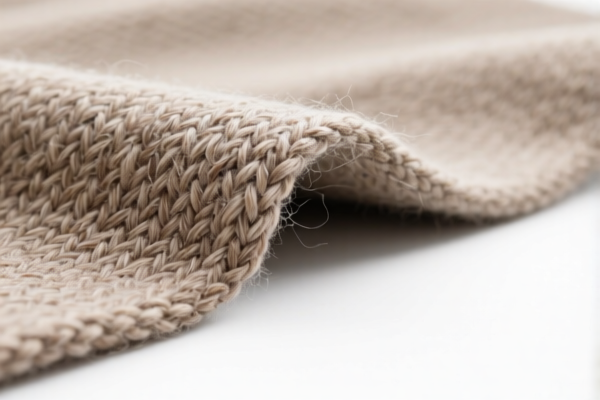
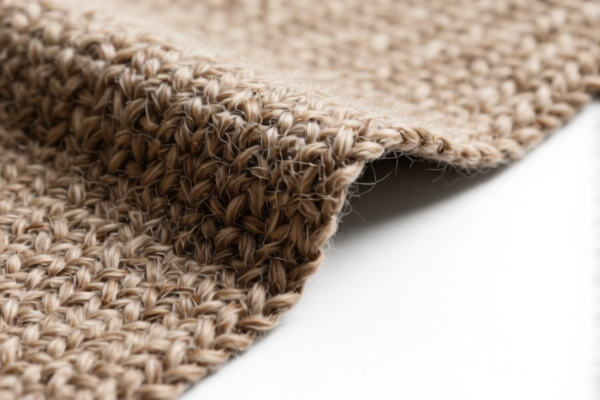
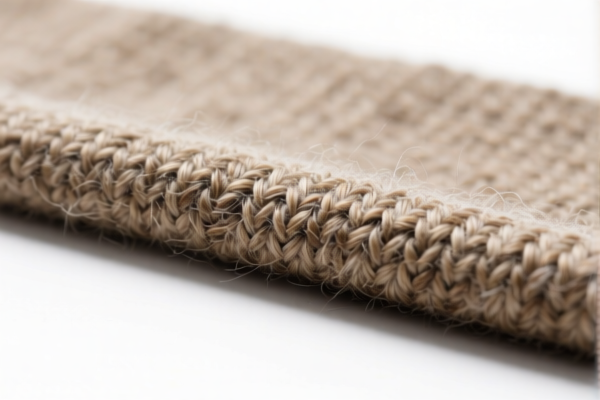
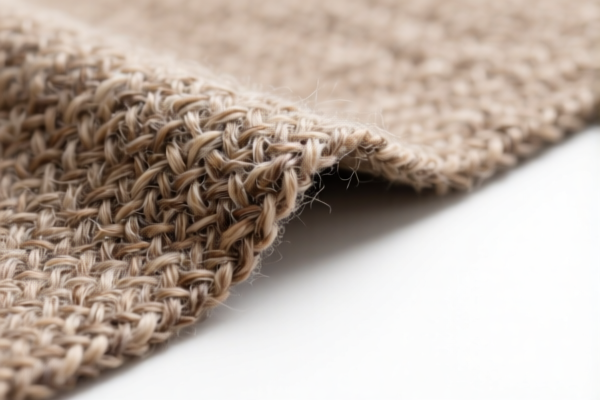
AI分析
🧵 Fine Animal Fiber Blended Fabric (Uncombed)
🌐 HS Code Reference & Customs Clearance Guide | 2026 Latest Tariff Breakdown | Professional Clearance Strategy
📌 I. Product Definition & Classification: Do You Truly Understand "Fine Animal Fiber Blended Fabric"?
Fine Animal Fiber Blended Fabric (Uncombed) refers to textile products made from high-quality animal fibers (such as wool, cashmere, alpaca, mohair) that have been blended with other materials. Crucially, the "Uncombed" state indicates the fibers have not undergone the combing process (which removes short fibers and aligns them parallel), meaning they are in a noil or sliver/carded state rather than worsted yarn.
In international trade, this product is typically classified based on its physical form: * Loose Fiber/Sliver: If it hasn't been spun into yarn yet. * Woven Fabric (Yarn): If it has been spun into yarn and woven.
⚠️ Critical Distinction Point: - If the material is in loose fiber/syn/roving form →归入 Chapter 51, Section II (e.g., 5102, 5105). - If the material is woven fabric (yarn turned into cloth) →归入 Chapter 51, Section II (e.g., 5111). - "Uncombed" specifically triggers different subheadings compared to "Combed" fibers, often falling under "Other" or "Nen" (Noil) categories depending on the exact processing stage.
📦 II. HS Code Classification Details (2026 Latest Tariff Authority Reference)
Based on the provided data, here are the precise HS Codes for "Fine Animal Fiber Blended Fabric (Uncombed)":
| HS Code | Product Description | Application Scenario | Form State |
|---|---|---|---|
5102.19.90.00 |
Fine animal hair, other, uncombed (Mixtures, not carded/combed) | Loose fiber mixtures, raw material stage, non-woven sliver | ✅ Raw Fiber / Sliver |
5102.11.90.00 |
Fine animal hair, other, uncombed (Fallback category for non-woven) | Generic fine animal fiber mixtures, not yet processed into yarn | ✅ Raw Fiber / Noil |
5105.39.00.00 |
Fine animal hair fabrics, uncombed, classified under other sub-items | Woven fabrics made from uncombed fine animal fibers | ✅ Woven Fabric |
5111.90.90.00 |
Mechanically woven fabrics containing animal fibers, uncombed category | Woven fabrics where the uncombed nature falls under "Other" | ✅ Woven Fabric |
5111.19.60.20 |
Fine animal fiber woven fabric, exact match in material & form | Specific woven fabric matching the precise definition of fine animal fiber blends | ✅ Woven Fabric |
🔍 Key Reminder: - Form Matters: The difference between
5102(fibers/slivers) and5111(woven fabric) is critical. Misdeclaring woven fabric as loose fiber can lead to severe penalties. - "Uncombed" Impact: Uncombed fibers generally have lower value and different processing characteristics than combed fibers, affecting both HS classification and duty calculation in some jurisdictions.
💰 III. 2026 Latest Tariff Rate Breakdown (Including Surtaxes, Policy Add-ons)
✅ Applicable Country: United States (US) ✅ Origin: China (CN) ✅ Effective Date: 2025/2026 (Current Trade Framework)
🎯 1. Raw Fiber Stage: 5102.19.90.00 & 5102.11.90.00
| Item | Detail |
|---|---|
| Product | Fine Animal Fiber Blend, Uncombed, Loose/Sliver |
| Base Tariff | $4.9¢/kg + 4% (Ad Valorem) |
| Section 301 Surcharge | +25.0% (Additional Duty) |
| Section 122 Tariff | +10.0% (Specific Policy Tariff) |
| Total Effective Rate | Complex Mixed Rate (Weight + Percentage) |
| Tax Calculation | (CIF Value × 4%) + (Weight × $0.049) + (CIF Value × 35% Total Surtax) |
| Legal Basis | HTSUS 5102.19.90 + USITC Footnotes 301 & 122 |
📌 Explanation: - These codes are for raw materials not yet spun into yarn. - The "35.0%" in
total_taxrepresents the sum of all surcharges (25% Section 301 + 10% Section 122) applied on the ad valorem value, in addition to the base rate and specific duty. - High Administrative Burden: Requires precise weight declaration (for $4.9¢/kg) and accurate CIF value.
🎯 2. Woven Fabric Stage: 5111.90.90.00 & 5111.19.60.20
| Item | Detail |
|---|---|
| Product | Fine Animal Fiber Woven Fabric, Uncombed |
| Base Tariff | 25.0% |
| Section 301 Surcharge | +25.0% |
| Section 122 Tariff | +10.0% |
| Total Tariff Rate | 60.0% |
| Tax Calculation | CIF Value × 60% |
| Legal Basis | HTSUS 5111.90.90 / 5111.19.60.20 + USITC Footnotes |
📌 Explanation: - These codes apply if the product is already woven. - Flat Rate: Unlike raw fibers, woven fabrics often have a straightforward ad valorem rate. - High Duty: The combined 60% duty makes this category extremely expensive to import into the US without mitigation strategies.
🎯 3. Woven Fabric (Alternative): 5105.39.00.00
| Item | Detail |
|---|---|
| Product | Fine Animal Fiber Fabric (Uncombed), Other Sub-item |
| Base Tariff | $6.8¢/kg + 5.5% |
| Section 301 Surcharge | +25.0% |
| Section 122 Tariff | +10.0% |
| Total Effective Rate | Mixed Rate (Weight + Percentage) |
| Tax Calculation | (CIF Value × 5.5%) + (Weight × $0.068) + (CIF Value × 35% Surtax) |
| Legal Basis | HTSUS 5105.39.00 + USITC Footnotes |
📌 Explanation: - This is a hybrid classification where specific duty per kg is applied alongside ad valorem. - Useful if the fabric is classified under a specific "other" fine fiber subheading rather than general woven.
🛠️ IV. Customs Clearance Practical Advice (Real-World Pitfall Avoidance)
✅ 1. Required Documentation Checklist (Must-Haves)
| Document | Mandatory? | Purpose |
|---|---|---|
| ✅ Product Specification Sheet | ✔️ | Details fiber content (%), blend ratios, fiber length, and "uncombed" status. |
| ✅ Photos of Raw Material/Fabric | ✔️ | Proof of "uncombed" state (e.g., visible noils, lack of parallel alignment). |
| ✅ Commercial Invoice | ✔️ | Must explicitly state "Fine Animal Fiber Blend, Uncombed" and HS Code. |
| ✅ Bill of Lading/Air Waybill | ✔️ | Confirm weight and volume for specific duty calculation (if applicable). |
| ✅ Origin Certificate (COO) | ✔️ | Verify China origin to apply correct surcharges. |
| ✅ Customs Broker Declaration | ✔️ | Professional verification of HS Code selection. |
✅ 2. Declaration Strategy (Key Mnemonics)
🔥 “Form Defines Code, Uncombed Triggers ‘Other’, Weight Matters for Specific Duty!”
| Scenario | Correct HS Code | Incorrect Code | Consequence of Error |
|---|---|---|---|
| Loose Fiber / Sliver | 5102.19.90.00 / 5102.11.90.00 |
5111.xxxx |
Under-declaration of duty → Penalties + Back Taxes |
| Woven Fabric | 5111.90.90.00 / 5111.19.60.20 |
5102.xxxx |
Misclassification → Delays, Seizure Risk |
| Specific Duty Applicable | 5102 or 5105 series |
5111 (if misclassified) |
Failure to declare weight → Customs Re-assessment |
| Mixed Blends | Check blend % | General "Textile" | Incorrect base rate → Financial Loss |
✅ 3. Special Circumstances Handling
| Situation | Recommendation |
|---|---|
| Low-Value Shipment | No De Minimis Exemption for these HS Codes. 60% or mixed rates still apply. Do NOT assume $800 de minimis applies. |
| OEM Custom Blends | Provide detailed fiber composition charts. "Fine animal fiber" has strict definitions (e.g., cashmere < 19 microns). |
| "Uncombed" Verification | Customs may request samples. Ensure packaging clearly labels "Uncombed" to avoid being classified as "Combed" (different duty). |
| High Duty Mitigation | Consider Foreign Trade Zones (FTZ) or Bonded Warehouses to defer duties. |
🌍 V. Global Market Comparison (2026 Latest)
| Country/Region | Recommended HS Code | Tariff Impact | Notes |
|---|---|---|---|
| 🇺🇸 USA | 5102.19.90.00 / 5111.90.90.00 |
High (35%-60%) | Heavy Section 301 & 122 surcharges. |
| 🇨🇳 China | 5102.19.90.00 / 5111.90.90.00 |
Low (~5-10%) | Standard MFN rates, no US surcharges. |
| 🇪🇺 EU | 5102.19.00 / 5111.19.00 |
Moderate (4-6%) | No 301/122 tariffs. CE/RoHS not applicable to raw fibers. |
| 🇬🇧 UK | 5102.19.00 / 5111.19.00 |
Moderate (4-6%) | Post-Brexit tariff structure similar to EU. |
| 🇯🇵 Japan | 5102.19.00 / 5111.19.00 |
Low (~5%) | JETRO guidelines apply. |
📌 Conclusion: - US Market is the most expensive due to trade policy surcharges. - China/EU/JP offer significant cost advantages for same goods. - Supply Chain Diversification is highly recommended for US-bound shipments.
📌 VI. Common Mistakes & Pitfalls (Blood & Tears Lessons)
❌ Mistake 1: Declaring woven fabric as loose fiber (5111 as 5102)
👉 Result: Underpayment of duties. Customs audits will back-charge + penalties.
❌ Mistake 2: Ignoring "Uncombed" vs. "Combed" 👉 Result: Incorrect HS subheading. Combed fibers may have different duty rates or regulatory requirements.
❌ Mistake 3: Not declaring specific weight for 5102/5105
👉 Result: Customs will estimate weight, often higher, leading to unexpected specific duty charges.
❌ Mistake 4: Assuming De Minimis ($800) applies 👉 Result: NO De Minimis for these categories. Small shipments are still subject to full duty + processing fees.
✅ Correct Practice:
“Fine Animal Fiber Blend, Uncombed, Sliver Form, 80% Wool, 20% Acrylic, Net Weight: 500kg, HTS: 5102.19.90.00”
🎯 VII. Conclusion: Precise Classification, Cost Optimization!
🎯 Key Takeaways:
🔹 “Uncombed” is a Key Descriptor: It affects HS code selection and must be clearly stated. 🔹 Form Determines Duty: Raw fiber (
5102) vs. Fabric (5111) has vastly different duty structures. 🔹 US Surtaxes are Brutal: 60% total duty on woven fabric requires strategic planning. 🔹 Specific Duty Weight Matters: For5102/5105, accurate weight declaration is crucial.
📌 Pro Tip:
If importing into the US, consider: 1. Pre-Ruling: Apply for an Advance Ruling from CBP to confirm HS Code. 2. FTZ Entry: Enter goods into a Foreign Trade Zone to defer duties. 3. Supplier Audit: Ensure your supplier provides clear "Uncombed" documentation.
📣 Immediate Action Required:
📞 Consult with a licensed Customs Broker. 📦 Provide exact fiber composition and physical form details. 🚀 Optimize your supply chain to mitigate the 60% US Tariff Risk.
✨ Professional Clearance Starts with Accurate Classification! 💼 Every cent in duty is a cent of profit lost. Get it right the first time!
用户评价
关于 HS 编码归类
协调制度(HS)是由世界海关组织(WCO)制定的国际贸易商品分类标准。全球 200 多个国家采用 HS 系统作为海关关税、贸易统计和进出口监管的基础。
每个 HS 编码遵循以下层级结构:
- 章(2 位)——商品大类(例如:第 84 章:机器和机械设备)
- 品目(4 位)——章内的更具体分类
- 子目(6 位)——国际通用细分,所有 WCO 成员国统一使用
- 本国细分(8-10 位)——各国自行扩展的细分编码,如美国 HTSUS 10 位编码
正确的 HS 编码归类对于顺利通关、准确缴纳关税和遵守贸易法规至关重要。错误归类可能导致海关延误、多缴关税或罚款。
从CN进口到US时,适用的关税税率可能包括:
- 最惠国(MFN)税率——适用于 WTO 成员国的标准关税税率
- 普通税率——适用于无贸易协定国家
- 贸易救济关税——附加关税,如 301 条款(反倾销)、232 条款(国家安全)或反补贴税
本页内容仅供参考。如需正式归类,请咨询当地海关或持牌报关代理。