Fine Animal Hair High Elastomeric Content Performance Trousers
CN → US| HS编码 | 关税税率 | 原产国 | 目的国 | 文档 |
|---|---|---|---|---|
| 6107292000 | 26.0% | CN | US | 官方文档 |
| 6115298020 | 26.0% | CN | US | 官方文档 |
| 6107199000 | 23.1% | CN | US | 官方文档 |
| 6203413010 | 0.0% | CN | US | 官方文档 |
| 6203416010 | 0.0% | CN | US | 官方文档 |
商品图片
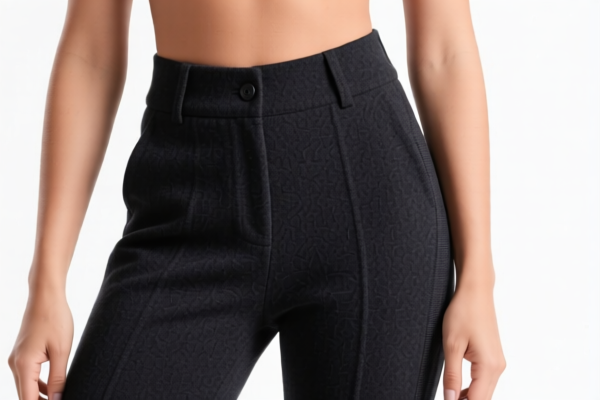
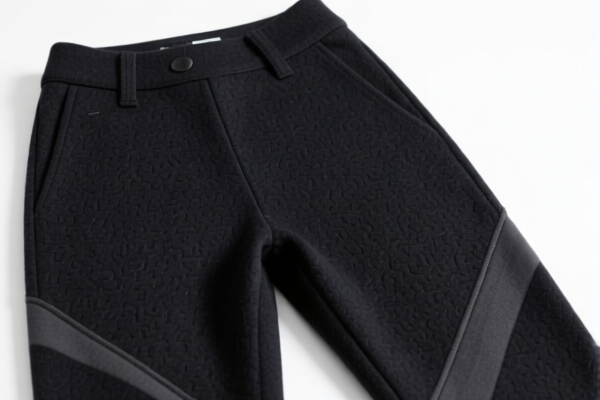
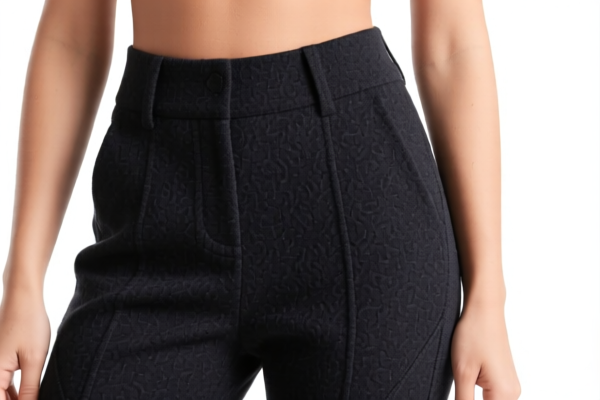
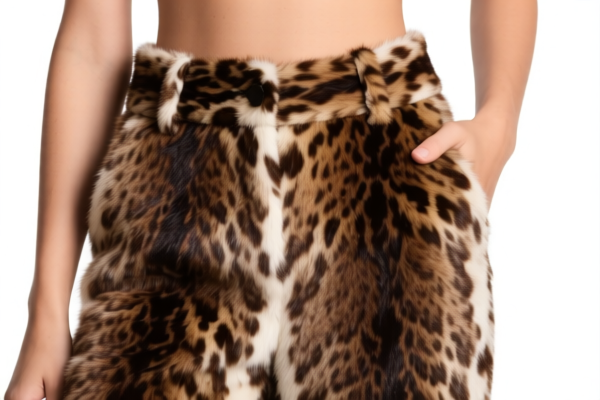
AI分析
🧶 Fine Animal Hair High Elastomeric Content Performance Trousers
🌐 HS Code Reference & Customs Clearance Guide | 2024-2025 Tariff Analysis | Professional Strategy
📌 One: Product Definition & Classification: Do You Really Understand "Performance Trousers"?
"Fine Animal Hair High Elastomeric Content Performance Trousers" represent a high-end functional apparel category. In international trade, they are categorized based on their form, material composition, and specific use. These are not generic "trousers" but specialized items combining natural animal fibers (like cashmere, mohair, or alpaca) with high-stretch elastomeric materials for athletic or thermal performance.
Key Classification Criteria: * Form: Are they loose "trousers," tight-fitting "knickers," or form-fitting "tights/stockings"? * Material: Is the primary content animal hair or other textile materials (synthetics/blend)? * Structure: Is it knitted (typical for performance wear) or woven?
⚠️ Critical Distinction:
- If the product is animal hair and acts as underwear/performance pants (knitted) → 6107.29.20.00
- If the product is animal hair and acts as pantyhose/stockings → 6115.29.80.20
- If the product is other textiles (not animal hair) acting as underwear/performance pants → 6107.19.90.00
📦 Two: HS Code Classification Details (2024-2025 Tariff Authority)
| HS Code | Product Description | Application Scenario | Material Type | Total Tax (US) |
|---|---|---|---|---|
6107.29.20.00 |
Animal Hair High-Elastic Performance Pants (Underwear Form) | Thermal underwear, base layers, athletic shorts | Animal Hair | 26.0% |
6115.29.80.20 |
Animal Hair High-Elastic Performance Tights/Stockings | Full-body tights, compression stockings, leggings | Animal Hair | 26.0% |
6107.19.90.00 |
Other Textile Material Performance Pants (Underwear Form) | Synthetic blends, nylon/spandex performance wear | Other Textiles | 23.1% |
🔍 Key Insight:
- Material is King: Switching from "Animal Hair" to "Other Textiles" drops the tax from 26.0% to 23.1%, but only if the product actually fits the "other textile" definition (i.e., no significant animal hair content). - Form Matters: "Underwear" (6107) and "Pantyhose/Stockings" (6115) have different base tariffs despite similar materials.
💰 Three: 2024-2025 Tariff Rate Breakdown (Detailed Policy Analysis)
✅ Applicable Country: United States (US)
✅ Country of Origin: China (CN)
✅ Effective Date: Current Section 301 & 122 Tariff Regimes
🎯 1. 6107.29.20.00 – Animal Hair Performance Underwear
| Item | Content |
|---|---|
| Base Tariff | 8.5% (General Duty) |
| Section 301 / "Added" Tariff | +7.5% (Targeted China Surcharge) |
| Section 122 Tariff | +10% (Specific Section 122 Provision) |
| Total Effective Rate | 26.0% |
| Calculation | CIF Value × 26.0% |
| De Minimis Exemption? | ❌ NO (High-risk category, no Section 321 de minimis) |
| Legal Path | USITC:6107.29.20.00 → Section 301 → Section 122 |
📌 Explanation:
- 8.5% is the standard Most-Favored-Nation (MFN) rate for knitted men's/boys' undergarments of other textile materials.
- 7.5% is the "Added" tariff applied under the Section 301 Trade Action Plan.
- 10% is the specific Section 122 tariff (often related to specific trade remedy actions or new legislative additions).
- Total: 26.0%. This is a heavy burden for animal hair products, as the base rate is already non-zero and layered with multiple surcharges.
🎯 2. 6115.29.80.20 – Animal Hair Pantyhose/Stockings
| Item | Content |
|---|---|
| Base Tariff | 16.0% (Specific Duty for Hosiery) |
| Section 301 / "Added" Tariff | 0.0% (No additional 301 surcharge in this specific subheading) |
| Section 122 Tariff | +10% |
| Total Effective Rate | 26.0% |
| Calculation | CIF Value × 26.0% |
| De Minimis Exemption? | ❌ NO |
| Legal Path | USITC:6115.29.80.20 → Section 122 |
📌 Explanation:
- Interestingly, while the Base Tariff is high at 16.0% (reflecting the high value of hosiery), the Section 301 "Added" Tariff is 0.0% for this specific code.
- However, the 10% Section 122 tariff brings the total back up to 26.0%.
- Crucial Note: Do not assume "no Section 301" means "low tax." The high base rate makes it equally expensive.
🎯 3. 6107.19.90.00 – Other Textile Material Performance Underwear
| Item | Content |
|---|---|
| Base Tariff | 5.6% |
| Section 301 / "Added" Tariff | +7.5% |
| Section 122 Tariff | +10% |
| Total Effective Rate | 23.1% |
| Calculation | CIF Value × 23.1% |
| De Minimis Exemption? | ❌ NO |
| Legal Path | USITC:6107.19.90.00 → Section 301 → Section 122 |
📌 Explanation:
- This is the most tax-efficient option IF the product can be legally classified as "Other Textile Materials" (i.e., synthetic blends, not animal hair).
- The Base Tariff drops to 5.6%, but the Section 301 (7.5%) and Section 122 (10%) remain, totaling 23.1%.
- Warning: Misdeclaring "Animal Hair" as "Other Textile" to save 2.9% is a major compliance risk (fraud).
🛠️ Four: Customs Clearance Practical Advice (Real-World Pitfall Avoidance)
✅ 1. Documentation Checklist (Non-Negotiable)
| Document | Must Provide? | Purpose |
|---|---|---|
| ✅ Product Specifications | ✔️ | Must explicitly state "100% Animal Hair" vs. "60% Wool/40% Nylon" |
| ✅ Material Composition Label | ✔️ | Physical label inside the garment must match HS Code definition |
| ✅ Knitted vs. Woven Proof | ✔️ | Customs needs to know it's knitted (Chapter 61) to apply these codes |
| ✅ High-Elastomeric Evidence | ✔️ | Lab report showing spandex/elastane content (essential for "Performance" claim) |
| ✅ Commercial Invoice | ✔️ | Must use specific terms: "Animal Hair Performance Underwear" or "Tights" |
| ✅ Origin Certificate | ✔️ | Essential for proving China origin to apply 26% rates correctly |
✅ 2. Declaration Strategy (The "Golden Rules")
🔥 "Material Truth, Form Accuracy, No Hidden Surprises!"
| Scenario | Correct Declaration | Risk of Wrong Declaration |
|---|---|---|
| Actual Product: Animal Hair + High Stretch | Use 6107.29.20.00 (if underwear) or 6115.29.80.20 (if tights) |
❌ Declaring as "Synthetic" → Seizure/Fraud Charge |
| Actual Product: Synthetic Blend | Use 6107.19.90.00 |
❌ Declaring as "Animal Hair" → Overpaying |
| Product: Loose "Trousers" vs. Tights | Distinguish clearly: Underwear (6107) vs. Pantyhose (6115) | ❌ Mixing categories → Customs Audit |
| Packaging: Mixed Sets | Declare as a set if sold together | ❌ Splitting items → Double Taxation |
✅ 3. Special Scenarios
| Situation | Handling Advice |
|---|---|
| Blended Materials (e.g., 50% Cashmere, 50% Nylon) | If animal hair is the essential character, use Animal Hair codes (26%). If synthetics dominate, use Other Textiles (23.1%). |
| "Performance" Marketing Claims | Ensure the product actually has "high elastomeric" properties (spandex content > 10-15%). If not, it may be reclassified as standard underwear. |
| Section 122 Specifics | This 10% tariff is volatile. Monitor USTR notices for potential expirations or expansions. |
| De Minimis ($800) | NO EXEMPTION. These are high-value or regulated textile items. All shipments must clear formal entry with duties paid. |
🌍 Five: Global Market Comparison (2024-2025)
| Region | Recommended HS Code | Total Tariff | Key Requirement | Note |
|---|---|---|---|---|
| 🇺🇸 USA | 6107.29.20.00 / 6115.29.80.20 |
26.0% | Section 301 & 122 | Highest cost due to multiple layers |
| 🇪🇺 EU | 6115.29.90 (Est.) |
~0% - 4% | CE + Labeling | No Section 301; lower base rates |
| 🇨🇦 Canada | 6115.29.90 |
~10-12% | C-TPAT | Moderate tariffs |
| 🇦🇺 Australia | 6115.29.90 |
~5% | SAA | Low base, no Section 122 |
📌 Conclusion:
The US market is the most expensive for these goods due to the "26.0%" total tariff (Base + 301 + 122).
Action: If possible, consider Third-Country Processing (e.g., Vietnam) to avoid the specific China-origin surcharges, provided the origin rules are met.
📌 Six: Common Errors & Pitfalls (Blood and Tears Lessons)
❌ Error 1: Calling "Animal Hair" as "Wool" without detail
👉 Consequence: Customs may question the "Fine" vs. "Coarse" distinction, leading to delays.
❌ Error 2: Declaring "Performance Trousers" as general "Sweatpants"
👉 Consequence: Wrong HS Code (6107.30 vs 6107.29) → 26.0% vs. 23.1% discrepancy.
❌ Error 3: Ignoring the "Section 122" 10% tariff
👉 Consequence: Profit margins crushed by the unexpected 10% charge at the border.
❌ Error 4: Assuming "Knitted" vs "Woven" doesn't matter
👉 Consequence: Chapter 60 (Knitted) vs. Chapter 62 (Woven) have drastically different rates. These products are Knitted (Chapter 61/60).
✅ Correct Practice:
"High-Elastic Knitted Underwear, 100% Animal Hair, Animal Hair Content 100%, Spandex 0%, Model XYZ, Made in China."
🎯 Seven: Conclusion: Precision Classification, Maximum Efficiency!
🎯 Remember the Mantra:
🔹 "Animal Hair = 26%, Other Textile = 23%, Form Defines the Code."
🔹 "Section 122 is the silent killer – 10% extra!"
🔹 "Never mix Underwear (6107) with Pantyhose (6115) in one declaration unless a set!"
📌 Pro Tip:
If your product is 51% animal hair and 49% synthetic, the "essential character" usually dictates the animal hair code.
Recommendation: Apply for a Binding Tariff Ruling (BTR) from US Customs (CBP) before shipping your first container. This secures your 26.0% (or 23.1%) rate and prevents surprise audits.
📣 Immediate Action:
📞 Consult a Customs Broker: "Is this 100% Animal Hair or a blend?"
📄 Update Your Invoice: Explicitly state "Fine Animal Hair" and "High Elastomeric."
🚀 Plan for 26%: Calculate your landed cost immediately. Do not underestimate the Section 301 + 122 combo.
✨ Professional Clearance Starts with Precise Classification!
💼 Your Bottom Line Depends on the First Digit of the HS Code!
用户评价
关于 HS 编码归类
协调制度(HS)是由世界海关组织(WCO)制定的国际贸易商品分类标准。全球 200 多个国家采用 HS 系统作为海关关税、贸易统计和进出口监管的基础。
每个 HS 编码遵循以下层级结构:
- 章(2 位)——商品大类(例如:第 84 章:机器和机械设备)
- 品目(4 位)——章内的更具体分类
- 子目(6 位)——国际通用细分,所有 WCO 成员国统一使用
- 本国细分(8-10 位)——各国自行扩展的细分编码,如美国 HTSUS 10 位编码
正确的 HS 编码归类对于顺利通关、准确缴纳关税和遵守贸易法规至关重要。错误归类可能导致海关延误、多缴关税或罚款。
从CN进口到US时,适用的关税税率可能包括:
- 最惠国(MFN)税率——适用于 WTO 成员国的标准关税税率
- 普通税率——适用于无贸易协定国家
- 贸易救济关税——附加关税,如 301 条款(反倾销)、232 条款(国家安全)或反补贴税
本页内容仅供参考。如需正式归类,请咨询当地海关或持牌报关代理。