Fir and Spruce Timber
CN → US| HS编码 | 关税税率 | 原产国 | 目的国 | 文档 |
|---|---|---|---|---|
| 4409104500 | 35.0% | CN | US | 官方文档 |
| 4409109040 | 35.0% | CN | US | 官方文档 |
| 4407120019 | 35.0% | CN | US | 官方文档 |
| 4403230135 | 35.0% | CN | US | 官方文档 |
| 4403240135 | 35.0% | CN | US | 官方文档 |
| 4407120020 | 35.0% | CN | US | 官方文档 |
商品图片
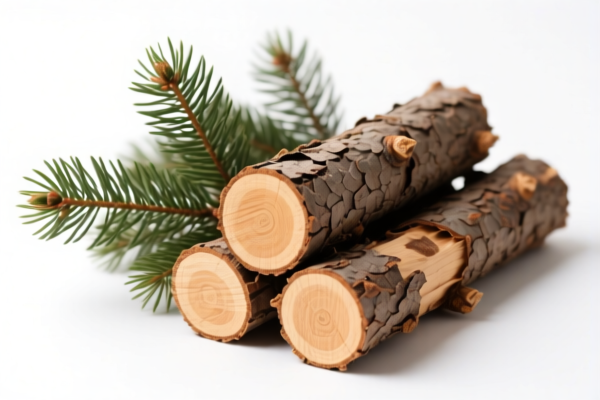
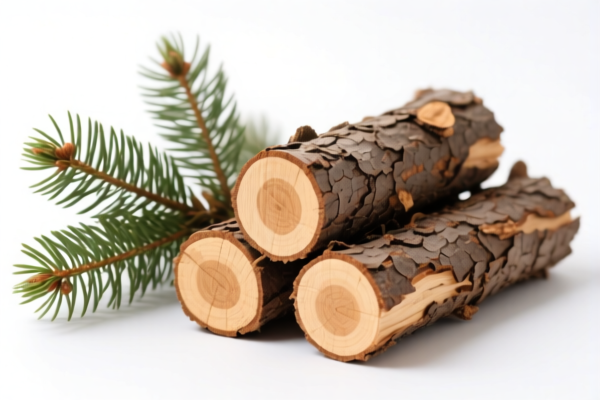
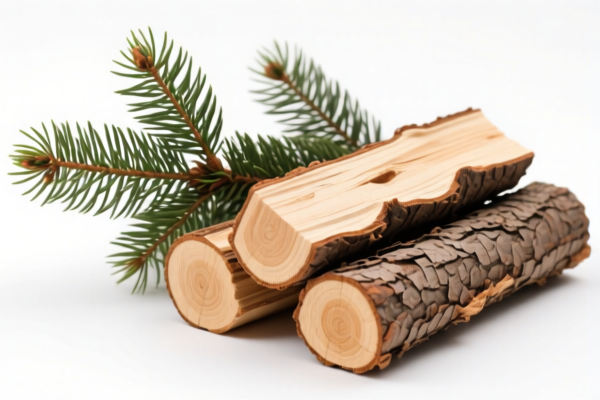
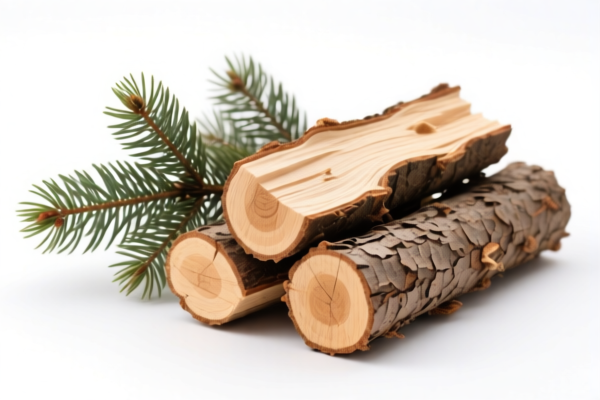
AI分析
🌲 Fir & Spruce Timber (Cold-Hardy Conifers)
🌐 HS Code Reference & Customs Clearance Guide | 2026 Latest Tariff Analysis | Professional Clearance Strategy
📌 I. Product Definition & Classification: Do You Really Understand "Fir and Spruce Timber"?
Fir and Spruce Timber refers to processed or raw wood products derived from the genera Abies (Fir) and Picea (Spruce), both belonging to the Pinaceae family (conifers/needle-leaved trees). In international trade, these products are strictly regulated due to anti-dumping measures, Section 301 tariffs, and Section 122 trade remedies, primarily affecting imports from China.
The classification depends heavily on the degree of processing: - Raw Logs/Rough Timber: Unprocessed or simply peeled/squared wood (Headings 4403, 4407). - Profiled Timber: Wood shaped along its length (tongue, groove, rebated, etc.) (Heading 4409).
⚠️ Key Distinction:
- If the wood is merely sawn to length or rough-squared without profiled edges → Heading 4407 or 4403.
- If the wood has been machined to create joints, tongues, grooves, or other profiles → Heading 4409.
- Misclassification Risk: Declaring profiled timber as raw lumber to avoid higher scrutiny or different quotas can lead to severe penalties.
📦 II. HS Code Classification Details (2026 Latest Tariff Authority Comparison)
| HS Code | Product Description | Application Scenario | Processing Level |
|---|---|---|---|
4409.10.45.00 |
Fir/Spruce Timber, Profiled Wood worked along its length (e.g., tongued, grooved, rebated). |
Flooring, wall paneling, joinery components, decking. | ✅ High (Profiled) |
4409.10.90.40 |
Other Fir/Spruce Timber, Profiled Other than those specified in 45.00, processed. |
Custom architectural woodwork, non-standard profiles. | ✅ High (Profiled) |
4407.12.00.19 |
Fir/Spruce Wood, Sawn longitudinally Planks, beams, strips, strips (strip for parquet flooring). |
Structural framing, general construction lumber. | ✅ Medium (Sawn) |
4407.12.00.20 |
Fir/Spruce Wood, Sawn longitudinally Other than strip for parquet. |
Standard dimensional lumber (2x4, 4x6), rough-sawn boards. | ✅ Medium (Sawn) |
4403.23.01.35 |
Fir/Spruce Timber, Rough Wood not further worked than sawn or chipped. |
Raw logs, unprocessed timber, bulk raw material. | ❌ Low (Rough) |
4403.24.01.35 |
Fir/Spruce Timber, Rough Logs, timber, wood of coniferous species. |
Raw logs, industrial rounds, unpeeled timber. | ❌ Low (Rough) |
🔍 Critical Reminder:
- All items above are subject to the same total tariff rate of 35% due to current US trade policies (Section 301 + Section 122).
- Even though the HS codes differ by processing level, the tax burden is identical, but customs documentation requirements vary. Profiled timber (4409) requires stricter proof of shape/process to avoid being reclassified as rough lumber.
💰 III. 2026 Latest Tariff Rate Breakdown (Including Surcharges & Policy Add-ons)
✅ Applicable Country: United States (US)
✅ Origin: China (CN)
✅ Effective Date: Ongoing (Current enforcement period)
🎯 1. All Listed HS Codes (4409.10.45.00, 4409.10.90.40, 4407.12.00.19/20, 4403.23.01.35/24.01.35)
| Item | Content |
|---|---|
| Base Tariff (MFN) | 0.0% (Most coniferous wood products have low base duties) |
| Section 301 Additional Tariff | +25% (Imposed under US Trade Representative List 3/4 on Chinese goods) |
| Section 122 Tariff | +10% (Imposed under Section 122 of the Trade Act of 1974 on certain imports affecting national security/economy) |
| Total Tariff Rate | 35.0% |
| Tax Calculation | CIF Value × 35% |
| De Minimis Exemption Eligible? | ❌ NO (These codes are explicitly excluded from $800 de minimis benefits under current enforcement) |
| Legal Basis Path | USTR: Section 301 → USITC: 44xx.xxxx.xxxx → DOJ: Section 122 |
📌 Explanation:
- "Base Tariff 0%": The Harmonized Tariff Schedule (HTS) base duty for these timber products is nominally zero.
- "Section 301 25%": This is the primary penalty for Chinese-origin goods in this category. It is non-negotiable and applies regardless of final assembly location unless specific exemptions apply (which are rare for raw/profiled wood).
- "Section 122 10%": An additional surcharge aimed at addressing import surges and national security concerns.
- Combined 35%: This is a very high effective tax rate for low-value wood products. It significantly impacts profitability.
🛠️ IV. Customs Clearance Practical Advice (Real-World Pitfall Avoidance)
✅ 1. Required Documentation Checklist (None Are Optional)
| Document | Mandatory? | Explanation |
|---|---|---|
| ✅ Product Specification Sheet | ✔️ | Must detail species (Fir/Spruce), dimensions, moisture content, treatment (e.g., heat-treated ISPM 15 if pallets involved). |
| ✅ Photographs of Goods | ✔️ | Clear images showing cross-section (to identify species) and surface profile (to confirm HS code 4409 vs. 4407). |
| ✅ Commercial Invoice | ✔️ | Must explicitly state "Fir and Spruce Timber," HS Code, and Country of Origin. Avoid vague terms like "Wood Product." |
| ✅ Packing List | ✔️ | Detailed breakdown of bundle weights and dimensions. |
| ✅ Phytosanitary Certificate | ✔️ | CRITICAL for all wood imports. Proves freedom from pests (e.g., emerald ash borer, bark beetles). Without it, goods will be seized or destroyed. |
| ✅ Bill of Lading / Air Waybill | ✔️ | Standard shipping documents. |
✅ 2. Declaration Strategy (Key Mnemonics)
🔥 “Profile vs. Plane: Check the Edge, Choose the Code, Provide the Photo!”
| Scenario | Correct Declaration | Wrong Practice | Consequence |
|---|---|---|---|
| Profiled Wood (Tongue/Groove) | HS 4409.10.45.00 |
Declare as 4407.12.00 (Sawn) |
Customs may seize goods for misclassification; fines up to 5x duty value. |
| Rough Logs | HS 4403.24.01.35 |
Declare as finished flooring | High risk of audit; requires proof of raw state. |
| Sawn Lumber (2x4s) | HS 4407.12.00.20 |
Use generic "Timber" | Vague descriptions lead to delays and possible reclassification. |
| Heat-Treated Wood | Mention ISPM 15 mark | Ignore treatment status | Rejection at border due to pest risk. |
✅ 3. Special Case Handling
| Situation | Handling Advice |
|---|---|
| Mixed Species Loads | Clearly separate Fir and Spruce in documentation. If mixed, declare the dominant species or split the entry. |
| KD (Kiln-Dried) vs. Green | Specify drying status. KD wood often has fewer pest risks but same tariff. |
| Value Determination | Ensure CIF value includes freight and insurance. Under-declaring value to reduce 35% duty is fraud. |
| Origin Fraud | Do NOT label Chinese timber as "Made in Vietnam" or "Canada." US CBP conducts rigorous forensic wood analysis to detect origin fraud. Penalties are severe. |
🌍 V. Global Market Comparison for Timber (2026 Update)
| Country/Region | Recommended HS Code | Tariff (China Origin) | Certification Requirements | Notes |
|---|---|---|---|---|
| 🇺🇸 USA | 4409 / 4407 / 4403 |
35% (0% Base + 25% Sec 301 + 10% Sec 122) | Phytosanitary Cert. + ISPM 15 | Highest barrier. Avoid direct shipping if possible. |
| 🇨🇳 China | 4409 / 4407 / 4403 |
5-10% | None (Domestic) | N/A (Domestic trade) |
| 🇪🇺 EU | 4409 / 4407 / 4403 |
0-5% (depending on origin) | FSC/PEFC Certification recommended | Strict EUDR (EU Deforestation Regulation) compliance needed by 2026. |
| 🇯🇵 Japan | 4409 / 4407 / 4403 |
3.4-5% | Fumigation Certificate | Strong demand for high-grade Fir/Spruce. |
| 🇰🇷 South Korea | 4409 / 4407 / 4403 |
0-5% | Phytosanitary Certificate | Competitive market; focus on quality grading. |
📌 Conclusion:
- The US is the most expensive market for Chinese-origin Fir/Spruce timber due to the 35% blended tariff.
- EU and Asia offer lower tariffs but have stricter sustainability (FSC/PEFC) and deforestation-free (EUDR) requirements.
- Consider transshipment or third-country processing (e.g., Vietnam, Malaysia) to mitigate US tariffs, but beware of anti-circumvention investigations.
📌 VI. Common Mistakes & Pitfall Guide (Blood Lessons)
❌ Mistake 1: Ignoring the Phytosanitary Certificate
👉 Consequence: Immediate rejection at US ports. All wood must be free of pests. Fines apply.
❌ Mistake 2: Misclassifying Profiled Timber as Rough Lumber
👉 Consequence: Although the tariff is the same (35%), the penalty for misdeclaration is severe. CBP audits look for specific HS codes based on physical shape.
❌ Mistake 3: Using De Minimis ($800) for Small Shipments
👉 Consequence: Blocked. Wood products from China are explicitly excluded from de minimis entry types. Must file formal entry.
❌ Mistake 4: Vague Product Descriptions ("Wood Planks")
👉 Consequence: Customs examiners may inspect physically, causing days of delay. Use precise terms: "Fir Dimension Lumber, KD, 2x4x8."
✅ Best Practice:
"248 Fir Dimension Lumber, Kiln-Dried, Heat-Treated, ISPM 15 Marked, HS Code 4407.12.00.20, Origin: China"
🎯 VII. Conclusion: Professional Declaration, Save Time, Reduce Costs!
🎯 Remember the Mantra:
🔹 "Check the Edge: Profiled = 4409, Sawn = 4407, Rough = 4403."
🔹 "35% Tax is Non-Negotiable: Plan Your Margin Accordingly!"
🔹 "Phyto Cert is King: No Paper, No Entry!"
📌 Pro Tip:
If you are importing into the US, calculate the landed cost including the 35% tariff before signing contracts.
Consider pre-ruling with US CBP if your product shape is ambiguous (e.g., semi-profiled).
For high-volume imports, explore bonded warehouses to defer duty payment until sale.
📣 Immediate Action Required:
📞 Engage a licensed US Customs Broker.
📄 Prepare Phytosanitary Certificates from the exporting country's NPPO.
📦 Ensure all wooden packaging is ISPM 15 compliant.
✨ Professional Clearance Starts with Accurate Classification!
💼 Every percent of tax matters in low-margin timber trades!
用户评价
关于 HS 编码归类
协调制度(HS)是由世界海关组织(WCO)制定的国际贸易商品分类标准。全球 200 多个国家采用 HS 系统作为海关关税、贸易统计和进出口监管的基础。
每个 HS 编码遵循以下层级结构:
- 章(2 位)——商品大类(例如:第 84 章:机器和机械设备)
- 品目(4 位)——章内的更具体分类
- 子目(6 位)——国际通用细分,所有 WCO 成员国统一使用
- 本国细分(8-10 位)——各国自行扩展的细分编码,如美国 HTSUS 10 位编码
正确的 HS 编码归类对于顺利通关、准确缴纳关税和遵守贸易法规至关重要。错误归类可能导致海关延误、多缴关税或罚款。
从CN进口到US时,适用的关税税率可能包括:
- 最惠国(MFN)税率——适用于 WTO 成员国的标准关税税率
- 普通税率——适用于无贸易协定国家
- 贸易救济关税——附加关税,如 301 条款(反倾销)、232 条款(国家安全)或反补贴税
本页内容仅供参考。如需正式归类,请咨询当地海关或持牌报关代理。