Fish Line Elastic Thread
CN → US| HS编码 | 关税税率 | 原产国 | 目的国 | 文档 |
|---|---|---|---|---|
| 9507902000 | 21.2% | CN | US | 官方文档 |
| 5402459030 | 43.0% | CN | US | 官方文档 |
| 5402459010 | 43.0% | CN | US | 官方文档 |
| 9507908000 | 19.0% | CN | US | 官方文档 |
| 5402113010 | 43.8% | CN | US | 官方文档 |
| 3916902000 | 38.1% | CN | US | 官方文档 |
商品图片
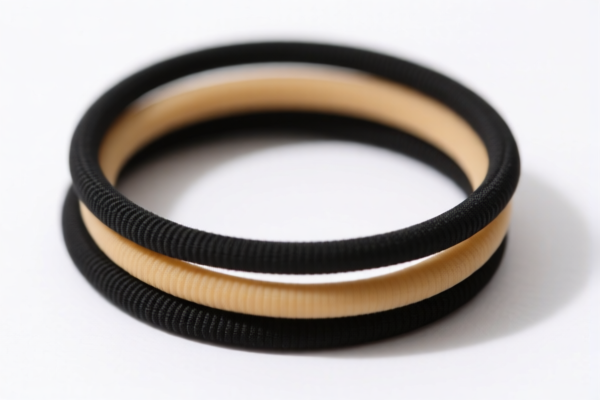
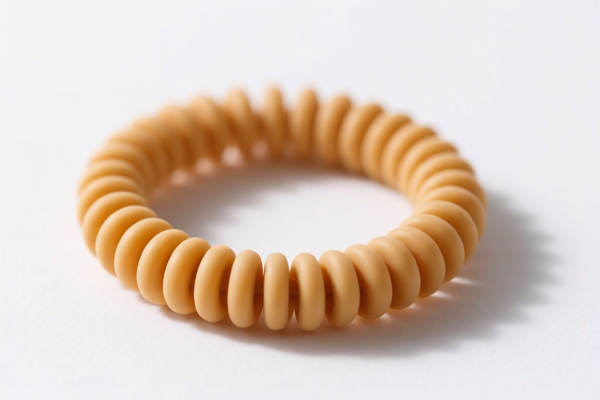
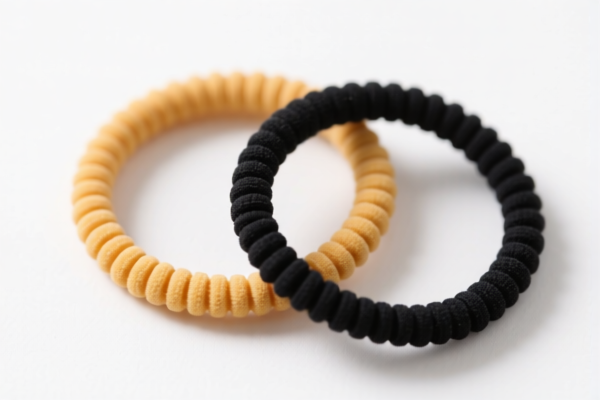
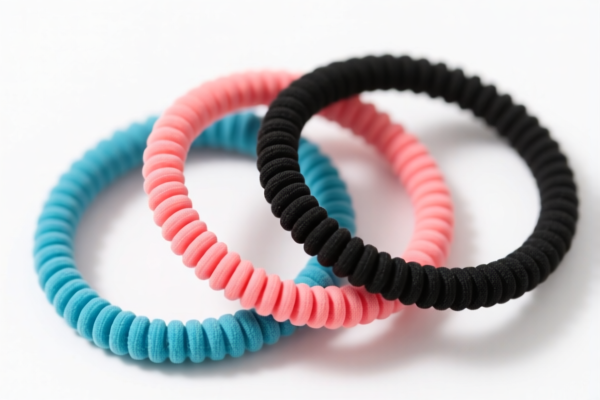
AI分析
🎣 Fish Line Elastic Thread (Fishing Line)
🌐 HS Code Reference & Customs Clearance Guide | 2026 Latest Tariff Analysis | Professional Clearance Strategy
📌 I. Product Definition & Classification: Do You Truly Understand "Fishing Line"?
Fishing line, whether elastic or synthetic, is a critical accessory in the sport of angling. In international trade, it is primarily classified based on its material composition (Nylon/Polyamide vs. Plastic) and its functional end-use (Sporting Goods Accessory vs. Raw Material).
Synthetic Fiber Monofilament (Nylon):
High-strength, transparent single filaments made from polyamide (nylon), widely used for durability and abrasion resistance.
Plastic Monofilament:
Lines classified under plastic chapter if they do not meet the specific textile fiber definitions, often used for less demanding applications.
Sporting Goods Accessory:
Finished fishing line packaged for retail sale, explicitly intended for fishing.
⚠️ Key Distinction Point:
- If the product is packaged for retail sale as a fishing accessory and matches the use, it falls under Chapter 95 (Sporting Goods).
- If it is considered a raw material or industrial fiber (unspecified use or bulk), it falls under Chapter 54 (Synthetic Fibers).
- Crucial Note: The material "Nylon" (Polyamide) triggers high additional tariffs under Section 301 if classified as a textile/fiber, but may have lower rates if classified as a sporting good accessory (depending on specific HTSUS interpretations).
📦 II. HS Code Classification Details (2026 Latest Tariff Authority Comparison)
| HS Code | Product Description | Applicability Scenario | Material/Format Logic |
|---|---|---|---|
9507.90.20.00 |
Fishing lines and leaders | Retail-packaged fishing line, matched use and material (Nylon) | ✅ Matches retail packaging definition for fishing gear |
5402.45.90.30 |
Synthetic filament yarn, other, monofilament | Nylon material, shape fits synthetic filament (monofilament) characteristics | ✅ Textile/Fiber classification |
5402.45.90.10 |
Synthetic filament yarn, partially oriented | Nylon material, fishing line fits mono/lofted multi-filament logic | ✅ Textile/Fiber classification |
9507.90.80.00 |
Other fishing tackle | Nylon material, use is fishing, classified as fishing tackle accessory | ✅ Sporting Good Accessory |
5402.11.30.10 |
Synthetic filament yarn, high tenacity, nylon | Nylon (Polyamide) material, shape is monofilament/filament | ✅ High-grade Textile/Fiber |
3916.90.20.00 |
Plastics, monofilament | Nylon considered plastic material, line shape is monofilament/strip | ✅ Plastic/Raw Material classification |
🔍 Key Reminder:
- Textile Classification (5402): High risk of high tariffs (43%) because Nylon is a synthetic fiber.
- Plastic Classification (3916): Moderate risk (38.1%).
- Sporting Good Classification (9507): Generally lower total tax burden (19%-21%) because it is viewed as a finished consumer good, not a raw industrial fiber.
💰 III. 2026 Latest Tariff Rate Details (Including Surtaxes, Policy Add-ons)
✅ Applicable Country: United States (US)
✅ Origin: China (CN)
✅ Effective Time: 2025年11月10日起 (Including subsequent imports)
🎯 1. 9507.90.20.00 —— Fishing Lines (Matched Use & Material)
| Item | Content |
|---|---|
| Base Tariff | 3.7% (ad valorem) |
| Surtax 301 | +7.5% (Additional tariff under Section 301) |
| Section 122 Tariff | +10% (Specific tariff clause) |
| Total Tariff | 21.2% |
| Tax Calculation | CIF Value × 21.2% |
| De Minimis Eligible? | ❌ No (deny_de_minimis) |
| Legal Basis Path | USITC:9507.90.20.00 → 301:7.5% → 122:10% |
📌 Explanation:
- This classification is highly recommended if the product is clearly marketed and packaged for fishing.
- The base rate is low (3.7%), and the additional tariffs are moderate compared to textile classifications.
- Why it wins: It avoids the heavy 25% Section 301 tax applied to textiles.
🎯 2. 5402.45.90.30 & 5402.45.90.10 —— Synthetic Filament Yarns (Nylon Monofilament)
| Item | Content |
|---|---|
| Base Tariff | 8.0% (ad valorem) |
| Surtax 301 | +25.0% (Heavy Section 301 surtax on textiles) |
| Section 122 Tariff | +10% |
| Total Tariff | 43.0% |
| Tax Calculation | CIF Value × 43.0% |
| De Minimis Eligible? | ❌ No |
| Legal Basis Path | USITC:5402.45.90.30 → 301:25% → 122:10% |
📌 Note:
- Extremely High Tax Cost: Classified as a textile/fiber, this triggers the maximum 25% additional tariff.
- Risk: Even if it's "fishing line," customs may reclassify it as a raw material if packaging doesn't clearly indicate "retail fishing use."
🎯 3. 9507.90.80.00 —— Other Fishing Tackle (Nylon Accessory)
| Item | Content |
|---|---|
| Base Tariff | 9.0% (ad valorem) |
| Surtax 301 | +0.0% (No Section 301 surtax on this specific subheading) |
| Section 122 Tariff | +10% |
| Total Tariff | 19.0% |
| Tax Calculation | CIF Value × 19.0% |
| De Minimis Eligible? | ❌ No |
| Legal Basis Path | USITC:9507.90.80.00 → 301:0% → 122:10% |
📌 Note:
- This is the lowest tariff option (19%) for nylon fishing lines.
- It assumes the item is a fishing tackle accessory but may not fit the precise definition of9507.90.20(which requires specific material/use matching).
- Strategy: If9507.90.20is contested, this is the strongest backup.
🎯 4. 5402.11.30.10 —— High Tenacity Nylon Filament
| Item | Content |
|---|---|
| Base Tariff | 8.8% (ad valorem) |
| Surtax 301 | +25.0% |
| Section 122 Tariff | +10% |
| Total Tariff | 43.8% |
| Tax Calculation | CIF Value × 43.8% |
| De Minimis Eligible? | ❌ No |
📌 Note:
- High-tenacity nylon is strictly regulated as an industrial fiber.
- Avoid this classification for consumer fishing lines unless explicitly sold as raw industrial thread.
🎯 5. 3916.90.20.00 —— Plastic Monofilament
| Item | Content |
|---|---|
| Base Tariff | 3.1% (ad valorem) |
| Surtax 301 | +25.0% |
| Section 122 Tariff | +10% |
| Total Tariff | 38.1% |
| Tax Calculation | CIF Value × 38.1% |
| De Minimis Eligible? | ❌ No |
📌 Note:
- If customs rejects the "Textile" argument but also rejects the "Sporting Good" argument, they may fall back to Plastic.
- Still very expensive due to 25% surtax.
🛠️ IV. Customs Clearance Practical Advice (Battle-Tested Pitfall Avoidance)
✅ 1. Preparation Checklist (Non-negotiable)
| Material | Must Provide | Explanation |
|---|---|---|
| ✅ Product Specifications | ✔️ | Include material (Nylon/Polyamide), diameter, length, tensile strength, packaging type. |
| ✅ Product Photos (with Packaging) | ✔️ | Must clearly show retail packaging, labels indicating "Fishing Line," brand, and model. |
| ✅ Commercial Invoice | ✔️ | Description must be precise: "Retail-packaged Nylon Fishing Line, for recreational angling, not for industrial textile use." |
| ✅ Bill of Lading | ✔️ | Consistency with invoice is critical. |
| ✅ Label/Tag Photos | ✔️ | Show any care instructions, warnings, or fishing-related graphics. |
✅ 2. Declaration Tips (Key Mantra)
🔥 “Retail Packaged, Fishing Use, Avoid Textile Chapter!”
| Scenario | Correct Declaration | Wrong Practice |
|---|---|---|
| Retail Fishing Line | 9507.90.20.00 (21.2%) or 9507.90.80.00 (19.0%) |
Misdeclare as 5402 (43%+) → Double Tax! |
| Bulk Industrial Nylon Thread | 5402.45.90.30 |
Declare as fishing line without proof → Penalty |
| Fishing Line + Rod Set | Declare separately if not a kit | Mixed declaration → Complexity |
| Unbranded/Generic Line | 9507.90.80.00 |
Claim 9507.90.20 without material match → Rejection |
✅ 3. Special Case Handling
| Situation | Handling Suggestion |
|---|---|
| OEM/Private Label | Provide customer order + design specs. If packaging shows fishing imagery, use 9507. |
| "Elastic" Thread | Clarify if it's truly elastic (spandex blend) or just nylon stretch. If spandex, textile rules may apply differently. |
| Sample Shipments | Still subject to tariffs. Do not mislabel as "Gift" or "Sample" to evade tax. |
| Dispute with Customs | If deemed textile, provide Use Statement proving it is finished for fishing, not raw material. |
🌍 V. Global Market Customs Comparison (2026 Latest)
| Country/Region | Recommended HS Code | Tariff | Certification Requirements | Remarks |
|---|---|---|---|---|
| 🇺🇸 USA | 9507.90.80.00 |
19.0% (Lowest) | None specific | 5402 rates are prohibitive (43%+) |
| 🇨🇳 China | 5402.45.90.30 |
5-8% | CCC (if applicable) | Lower base rates, no surtaxes |
| 🇪🇺 EU | 3916.90.90 |
6.5% | REACH | Nylon fishing lines often classified as plastics |
| 🇬🇧 UK | 9507.20.00 |
0-4.5% | UKCA | Post-Brexit rules vary; check latest UK TARIC |
| 🇯🇵 Japan | 3916.90.20 |
0% | PSE (if electrical) | Often 0% for plastics, check textile rules |
📌 Conclusion:
- USA is the most challenging market due to Section 301 surtaxes on textiles.
- Strategy: Always aim for Chapter 95 (Sporting Goods) if the product is clearly for fishing.
- Avoid Chapter 54 (Textiles) unless you cannot prove retail fishing use.
📌 VI. Common Mistakes & Pitfall Guide (Blood & Tears Lessons)
❌ Mistake 1: Declaring fishing line as "Nylon Filament" or "Polyamide Yarn"
👉 Consequence: Customs applies HS 5402 → 43% Tax instead of 19-21%.
👉 Fix: Use "Fishing Line" in description.
❌ Mistake 2: Bulk rolls of fishing line without retail packaging
👉 Consequence: May be classified as raw material → Higher Risk of 301 Surtax.
👉 Fix: Ensure packaging indicates end-use (fishing).
❌ Mistake 3: Ignoring Section 122 Tariff
👉 Consequence: Underpayment by 10% → Penalties + Interest.
👉 Fix: Include 122 surtax in all calculations.
❌ Mistake 4: Confusing "Elastic" with "Spandex"
👉 Consequence: If it contains >5% elastane, it may be textile → 43% Tax.
👉 Fix: Check material composition certificate.
✅ Correct Practice:
"Retail-packaged Nylon Fishing Line, 0.5mm diameter, 200m length, for recreational angling, Model XYZ, Not for industrial textile use."
🎯 VII. Conclusion: Professional Declaration, Save Money, Efficient Clearance!
🎯 Remember the Mantra:
🔹 "Retail Fishing Use = Chapter 95 (19-21%)"
🔹 "Raw Nylon Thread = Chapter 54 (43%+)"
🔹 "Difference is 22% Tax = Profit Destroyer!"
🔹 "HS Code Determines Destiny, Declare Accurately, Avoid Penalties!"
📌 Tips:
- If your fishing line is originally from Vietnam, Thailand, or Malaysia, you may be eligible for IEEPA Exemptions (0-5% tariff).
- Request a Pre-Ruling (Advance Ruling) from US Customs (CBP) if you are unsure. It provides legal certainty.
📣 Immediate Action:
📞 Contact a Professional Customs Broker + Provide Product Photos + Apply for HS Code Pre-Ruling
🚀 Let your fishing line clear customs smoothly, maximize profits, and dominate the market!
✨ Professional Clearance Starts with Accurate Classification!
💼 Every Cent of Cost is Worth Being Precisely Calculated!
用户评价
关于 HS 编码归类
协调制度(HS)是由世界海关组织(WCO)制定的国际贸易商品分类标准。全球 200 多个国家采用 HS 系统作为海关关税、贸易统计和进出口监管的基础。
每个 HS 编码遵循以下层级结构:
- 章(2 位)——商品大类(例如:第 84 章:机器和机械设备)
- 品目(4 位)——章内的更具体分类
- 子目(6 位)——国际通用细分,所有 WCO 成员国统一使用
- 本国细分(8-10 位)——各国自行扩展的细分编码,如美国 HTSUS 10 位编码
正确的 HS 编码归类对于顺利通关、准确缴纳关税和遵守贸易法规至关重要。错误归类可能导致海关延误、多缴关税或罚款。
从CN进口到US时,适用的关税税率可能包括:
- 最惠国(MFN)税率——适用于 WTO 成员国的标准关税税率
- 普通税率——适用于无贸易协定国家
- 贸易救济关税——附加关税,如 301 条款(反倾销)、232 条款(国家安全)或反补贴税
本页内容仅供参考。如需正式归类,请咨询当地海关或持牌报关代理。