Fish Skin Raw Material
CN → US商品图片
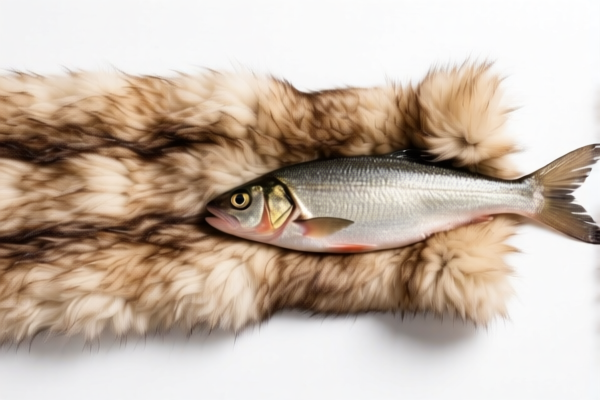
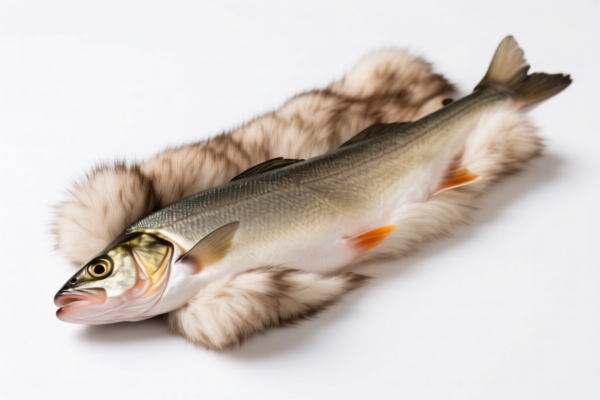
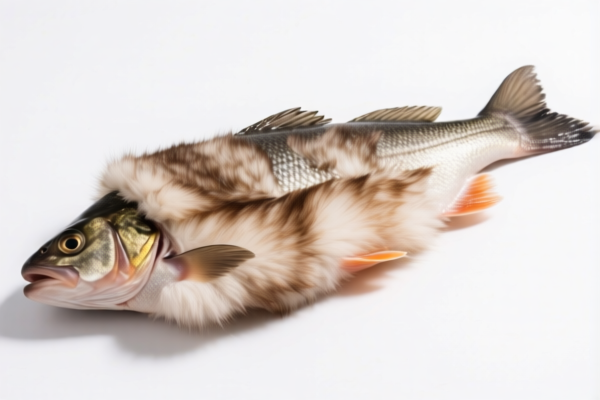
AI分析
🐟 Fish Skin Raw Material (Raw & Processed)
🌐 HS Code Reference & Customs Clearance Guide | 2026 Latest Tariff Analysis | Professional Entry Strategy
📌 I. Product Definition & Classification: Do You Really Understand “Fish Skin”?
Fish skin is a versatile biological raw material used extensively in the food industry (collagen extraction, snacks, caviar production), pharmaceuticals (gelatin, drug capsules), and materials science (leather alternatives, biodegradable films). In international trade, it is strictly categorized based on its state of preservation and processing level.
Key Distinctions:
- Raw/Fresh/Chilled Fish Skin: Unprocessed, simply cleaned and cooled. → Chapter 3
- Salted/Dried/Smoked Fish Skin: Preserved for longer shelf life but not further processed into collagen. → Chapter 3
- Flour, Meal, & Pellets: Ground fish skin used for animal feed or industrial filler. → Chapter 3
- Processed Skins (Leather): Tanned or otherwise prepared fish skin used for making goods. → Chapter 41
⚠️ Critical Classification Point:
- If the skin is raw, fresh, chilled, salted, or dried for human/animal consumption or further industrial use → Chapter 3.
- If the skin is tanned, crust, or otherwise prepared for leather goods → Chapter 41 (specifically 4102).
- Do not confuse fish skin with mammalian leather (e.g., cowhide), which falls under 4104/4105/4106.
📦 II. HS Code Classification Details (2026 Latest Tariff Authority Comparison)
| HS Code | Product Description | Application Scenario | Processing State |
|---|---|---|---|
0302.19.10.00 |
Fresh or chilled salmon skin | Food industry, premium snacks | ✅ Fresh/Chilled |
0302.90.10.00 |
Fresh/chilled fish skin (other than salmon) | General food processing, collagen source | ✅ Fresh/Chilled |
0305.59.00.00 |
Dried, salted, or smoked fish skin (not flour) | Long-term storage, traditional foods | ✅ Salted/Dried |
0305.69.00.00 |
Fish offal, including skin, frozen | Animal feed, low-grade industrial use | ✅ Frozen/Offal |
0306.29.00.00 |
Crustaceans and fish, frozen, including offal | Broad category for frozen fish parts | ✅ Frozen |
4102.21.00.00 |
Fish skins, tanned or crust, untrimmed | Leather goods, fashion accessories | ✅ Tanned/Leather |
4102.29.00.00 |
Fish skins, tanned/crust, other than untrimmed | Processed leather goods | ✅ Tanned/Leather |
0304.99.00.00 |
Fish fillets and other fish meat, fresh/chilled/frozen | General fish meat/skin mix | ✅ Mixed |
🔍 Key Reminder:
- Chapter 3 covers fish skin in its natural or simply preserved state (fresh, frozen, salted, dried).
- Chapter 41 covers fish skin only if it has undergone tanning or other leather-preparation processes.
- Do not declare raw fish skin as “leather” (4102) unless it is tanned. Misdeclaration can lead to high penalties or shipment rejection.
💰 III. 2026 Latest Tariff Rate Details (Including Surcharges & Policy Add-ons)
✅ Applicable Country: United States (US)
✅ Origin: China (CN)
✅ Effective Date: From November 10, 2025 (including subsequent imports)
🎯 1. 0302.90.10.00 —— Fresh/Chilled Fish Skin (Non-Salmon)
| Item | Content |
|---|---|
| Base Duty Rate | 0% (ad valorem) |
| USITC Surcharge | +0% (No Section 301 tariff for this subheading) |
| IEEPA Surcharge | +10% (For China/HK origin, from Nov 10, 2025) |
| Total Rate | 10% |
| Tax Calculation | CIF Value × 10% |
| De Minimis Eligibility | ❌ Not Eligible (deny_de_minimis) |
| Legal Basis Path | IEEPA:9903.01.24 → USITC:0302.90.10.00 → FOOTNOTE:9903.88.01 |
📌 Explanation:
- Base Rate 0%: Fresh/frozen fish products often enjoy zero base duties under general MFN terms.
- IEEPA 10%: Applies specifically to Chinese-origin goods under the International Emergency Economic Powers Act.
- No Section 301 Tariff: Unlike electronics or machinery, certain fish products are exempt from the 25% Section 301 tariff, but the IEEPA 10% still applies.
- Total 10%: Relatively low compared to other industrial goods, but still significant for high-volume shipments.
🎯 2. 0305.59.00.00 —— Dried/Salted Fish Skin
| Item | Content |
|---|---|
| Base Duty Rate | 0% |
| USITC Surcharge | +0% |
| IEEPA Surcharge | +10% |
| Total Rate | 10% |
| Tax Calculation | CIF × 10% |
| De Minimis Eligibility | ❌ Not Eligible |
| Legal Basis Path | IEEPA:9903.01.24 → USITC:0305.59.00.00 → FOOTNOTE:9903.88.01 |
📌 Note:
- Same tariff treatment as fresh/chilled fish skin.
- Dried/salted status does not change the IEEPA applicability.
🎯 3. 4102.21.00.00 —— Tanned Fish Skins (Leather)
| Item | Content |
|---|---|
| Base Duty Rate | 4.4% |
| USITC Surcharge | +0% (No Section 301 for leather) |
| IEEPA Surcharge | +10% |
| Total Rate | 14.4% |
| Tax Calculation | CIF × 14.4% |
| De Minimis Eligibility | ❌ Not Eligible |
| Legal Basis Path | IEEPA:9903.01.24 → USITC:4102.21.00.00 |
📌 Note:
- Tanned fish leather has a higher base rate (4.4%) than raw fish skin (0%).
- Still subject to the 10% IEEPA surcharge.
- Total 14.4%: Higher than raw fish skin due to base rate difference.
🛠️ IV. Customs Clearance Practical Advice (Combat Pitfalls Guide)
✅ 1. Required Documentation Checklist (All Mandatory)
| Document | Must Provide | Description |
|---|---|---|
| ✅ Product Specification Sheet | ✔️ | Includes species, origin, processing state (fresh/dried/tanned), intended use |
| ✅ Certificate of Origin (CO) | ✔️ | Essential for proving Chinese origin and applying IEEPA rates |
| ✅ Health Certificate / FDA Prior Notice | ✔️ | If for human consumption, FDA registration is mandatory |
| ✅ Processing Certificate | ✔️ | For tanned skins, proves Chapter 41 classification |
| ✅ Commercial Invoice | ✔️ | Clearly state “Fish Skin, [Species], [State], HS Code [XXXX.XX]” |
| ✅ Packing List | ✔️ | Detail net/gross weight, number of packages, storage conditions (frozen/chilled) |
| ✅ Third-Party Test Report | ✔️ | Heavy metal, mercury, histamine levels (for food-grade skin) |
✅ 2. Declaration Tips (Key Mnemonic)
🔥 “Raw Fish = Ch3, Tanned = Ch41, IEEPA 10%, De Minimis No!”
| Scenario | Correct Declaration | Wrong Action |
|---|---|---|
| Raw, chilled fish skin | 0302.90.10.00 |
Declare as “Leather” → Chapter 41 misclassification |
| Dried/salted fish skin | 0305.59.00.00 |
Declare as “Textile” → Wrong Chapter |
| Tanned fish leather | 4102.21.00.00 |
Declare as “Raw Skin” → Higher base rate applied incorrectly |
| Frozen fish offal (skin included) | 0305.69.00.00 or 0304.99.00.00 |
Split declaration → Risk of audit |
✅ 3. Special Circumstances Handling
| Situation | Handling Advice |
|---|---|
| OEM Contract Processing | Provide processing agreements; ensure raw material origin is clear |
| Mixed Shipments (Skin + Meat) | Declare separately if HS codes differ significantly; otherwise, declare under the primary product |
| Fish Skin for Medical Use (Collagen) | Must meet FDA/CE standards; provide GMP certificates |
| Fish Skin for Animal Feed | Declare under appropriate feed-related subheadings; ensure no prohibited additives |
🌍 V. Global Market Clearance Comparison (2026 Latest)
| Country/Region | Recommended HS Code | Tariff | Certification Requirements | Notes |
|---|---|---|---|---|
| 🇺🇸 USA | 0302.90.10.00 / 4102.21.00.00 |
10% (Raw) / 14.4% (Tanned) | FDA + HACCP (if food) | IEEPA 10% applies to China origin |
| 🇨🇳 China | 0302.90.10.00 |
0% | CCC (if processed) | No IEEPA surcharge |
| 🇪🇺 EU | 0302.90.10.00 |
0% (Raw) | EC Health Certificate | High hygiene standards |
| 🇦🇺 Australia | 0302.90.10.00 |
0% | SFI (Seafood Inspection) | Strict biosecurity |
| 🇯🇵 Japan | 0302.90.10.00 |
0% | JFSA Certificate | High safety standards |
📌 Conclusion:
- USA is the only major market imposing a 10% IEEPA surcharge on Chinese-origin fish skin.
- China, EU, Australia, and Japan offer lower or zero base duties, but strict health certifications are required.
- Cost Efficiency: Shipping to non-US markets may be more cost-effective due to lower tariffs, but compliance costs vary.
📌 VI. Common Errors & Pitfalls Guide (Lessons Learned)
❌ Error 1: Declaring raw fish skin as “Leather” (Chapter 41)
👉 Consequence: Wrong HS code, potential penalties for misdeclaration
❌ Error 2: Failing to declare Chinese origin for IEEPA purposes
👉 Consequence: Risk of underpayment, audit, and retroactive taxes + interest
❌ Error 3: Not providing FDA Prior Notice for food-grade fish skin
👉 Consequence: Shipment detention, rejection, or destruction at US port
❌ Error 4: Mixing fresh and dried fish skin in one shipment without clear separation
👉 Consequence: Confusion in customs valuation, delays, and potential fines
✅ Correct Practice:
“Raw Fish Skin, [Species], Fresh, Frozen, HS Code 0302.90.10.00, IEEPA Applicable, FDA Prior Notice Filed”
🎯 VII. Conclusion: Professional Declaration, Save Time, Cut Costs!
🎯 Remember the Mnemonic:
🔹 “Raw Fish = Ch3, Tanned = Ch41, IEEPA 10%, De Minimis No!”
🔹 “HS Code determines fate, tariff differs by 4.4%, declaration error costs thousands!”
📌 Tips:
- If your fish skin is originating from Vietnam, Thailand, or Indonesia, you may be eligible for IEEPA exemptions or lower tariffs under FTAs.
- Consider applying for Advance Ruling from US CBP to confirm HS code classification, especially for mixed or ambiguous products.
- Ensure FDA Prior Notice is filed at least 2 hours before arrival for food-grade products.
📣 Immediate Action:
📞 Contact a professional customs broker + Provide product specs + File FDA Prior Notice (if applicable)
🚀 Ensure smooth customs clearance, efficient export, and maximized profits!
✨ Professional Customs Clearance Starts with Accurate Classification!
💼 Every cent of your cost deserves precise calculation!
用户评价
关于 HS 编码归类
协调制度(HS)是由世界海关组织(WCO)制定的国际贸易商品分类标准。全球 200 多个国家采用 HS 系统作为海关关税、贸易统计和进出口监管的基础。
每个 HS 编码遵循以下层级结构:
- 章(2 位)——商品大类(例如:第 84 章:机器和机械设备)
- 品目(4 位)——章内的更具体分类
- 子目(6 位)——国际通用细分,所有 WCO 成员国统一使用
- 本国细分(8-10 位)——各国自行扩展的细分编码,如美国 HTSUS 10 位编码
正确的 HS 编码归类对于顺利通关、准确缴纳关税和遵守贸易法规至关重要。错误归类可能导致海关延误、多缴关税或罚款。
从CN进口到US时,适用的关税税率可能包括:
- 最惠国(MFN)税率——适用于 WTO 成员国的标准关税税率
- 普通税率——适用于无贸易协定国家
- 贸易救济关税——附加关税,如 301 条款(反倾销)、232 条款(国家安全)或反补贴税
本页内容仅供参考。如需正式归类,请咨询当地海关或持牌报关代理。