Fishing Float
CN → US| HS编码 | 关税税率 | 原产国 | 目的国 | 文档 |
|---|---|---|---|---|
| 4016950000 | 21.7% | CN | US | 官方文档 |
| 4016100000 | 35.0% | CN | US | 官方文档 |
| 3926907500 | 14.2% | CN | US | 官方文档 |
| 3926903000 | 39.2% | CN | US | 官方文档 |
| 9506996080 | 21.5% | CN | US | 官方文档 |
商品图片
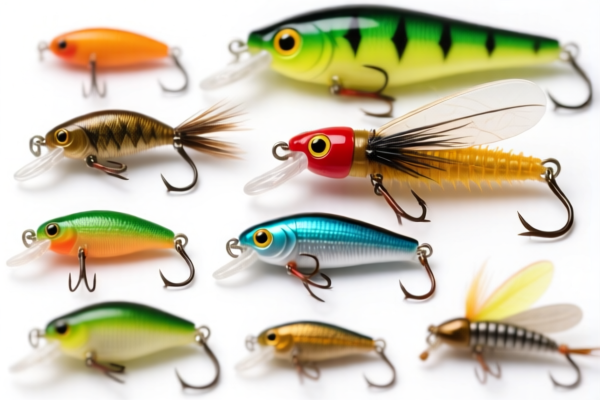
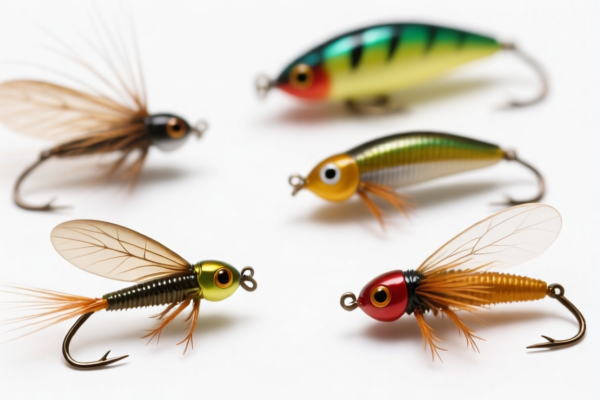
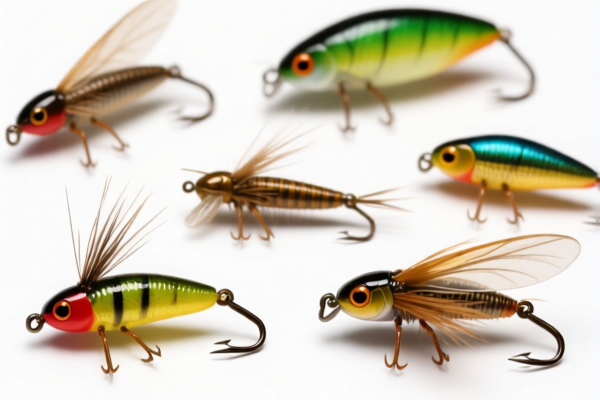
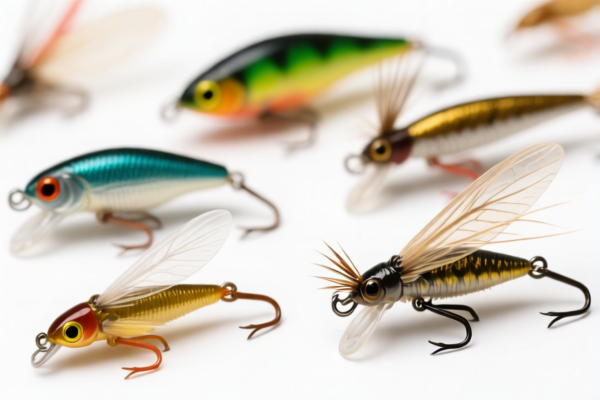
AI分析
🎣 Fishing Floats (Fishing Buoys & Floats)
🌐 HS Code Reference & Customs Clearance Guide | 2026 Latest Tariff Analysis | Professional-Level Clearance Strategy
📌 I. Product Definition & Classification: Do You Really Understand "Fishing Floats"?
Fishing floats are essential accessories in angling, used to suspend bait at a specific depth and indicate bites. In international trade, their classification depends heavily on material (Rubber vs. Plastic) and function (Sporting Goods vs. General Inflatable/Plastic Articles).
⚠️ Critical Distinction:
- If the float is made of Rubber/Rubber-like materials → It may be classified under Chapter 40 (Rubber articles).
- If the float is made of Plastic → It may be classified under Chapter 39 (Plastic articles).
- If it is explicitly designed as a sporting good (e.g., high-end composite/balsa wood floats not falling elsewhere), it might fall under Chapter 95 (Sporting goods), though many plastic/rubber floats are excluded from this chapter if they are generic.
- Key Factor: The summary notes in suggest a strong link to "Inflatable/Pad" categories for plastics and "Other inflatable articles" for rubber, or "Swimming equipment" for sporting goods.
📦 II. HS Code Classification Details (Based on Provided Data)
| HS Code | Product Description | Summary Logic from Data | Primary Material |
|---|---|---|---|
| 4016.95.00.00 | Other inflatable articles of rubber or vulcanized rubber | "Inferred as rubber/rubber-like material; form fits 'other inflatable articles'." | 🟤 Rubber |
| 4016.10.00.00 | Cellular rubber articles (Other) | "Inferred as rubber/plastic; form fits 'other vulcanized rubber articles (honeycomb/other)'." | 🟤 Rubber |
| 3926.90.75.00 | Other plastic articles | "Inferred as plastic; use fits inflatable/cushion items, covering 'other plastic articles' including air mats/inflatable items." | 🟦 Plastic |
| 3926.90.30.00 | Other plastic articles | "Inferred as plastic; use fits auxiliary accessories for non-motorized recreational boats." | 🟦 Plastic |
| 9506.99.60.80 | Other sporting goods | "Use fits swimming equipment; form fits sporting goods accessories, covering 'other' items." | 🟢 Mixed/Other |
🔍 Important Note:
- 4016.95.00.00 and 4016.10.00.00 apply to Rubber floats, especially those that are inflatable or cellular.
- 3926.90.75.00 and 3926.90.30.00 apply to Plastic floats, particularly if they resemble air mattresses, cushions, or boat accessories.
- 9506.99.60.80 applies if the float is considered a Sporting Good (e.g., specialized fishing gear), but note the high potential for additional duties depending on the material.
💰 III. 2026 Latest Tariff Rate Breakdown (Including Additional Duties & Policy Surcharges)
✅ Applicable Country: United States (US)
✅ Origin: China (CN)
✅ Effective Date: November 10, 2025 onwards
🎯 1. 4016.95.00.00 —— Inflatable Rubber Articles (Rubber Floats)
| Item | Content |
|---|---|
| Base Tariff | 4.2% (ad valorem) |
| Section 301 Surcharge | +7.5% |
| Section 122 Tariff | +10% |
| Total Tariff | 21.7% |
| Tax Calculation | CIF Value × 21.7% |
| De Minimis Exemption | ❌ Not Applicable (Deny de minimis for Section 301/122 goods) |
| Legal Basis | Base: 4016.95.00.00 → 301: 7.5% → 122: 10% |
📌 Explanation:
- Rubber floats classified here incur a 21.7% total duty.
- This is moderate compared to other categories. Ensure the product is strictly rubber-based.
🎯 2. 4016.10.00.00 —— Cellular Rubber Articles (Rubber Floats)
| Item | Content |
|---|---|
| Base Tariff | 0.0% |
| Section 301 Surcharge | +25.0% |
| Section 122 Tariff | +10% |
| Total Tariff | 35.0% |
| Tax Calculation | CIF Value × 35.0% |
| De Minimis Exemption | ❌ Not Applicable |
| Legal Basis | Base: 4016.10.00.00 → 301: 25% → 122: 10% |
📌 Explanation:
- If the float is made of cellular rubber (e.g., foam-like rubber), the tariff jumps to 35.0%.
- This is significantly higher than4016.95.00.00. Proper material identification is crucial.
🎯 3. 3926.90.75.00 —— Other Plastic Articles (Plastic Floats/Inflatables)
| Item | Content |
|---|---|
| Base Tariff | 4.2% |
| Section 301 Surcharge | 0.0% |
| Section 122 Tariff | +10% |
| Total Tariff | 14.2% |
| Tax Calculation | CIF Value × 14.2% |
| De Minimis Exemption | ❌ Not Applicable |
| Legal Basis | Base: 3926.90.75.00 → 122: 10% |
📌 Explanation:
- Plastic floats classified here have the lowest total tariff at 14.2%.
- This is because they are exempt from Section 301 (25% surcharge) but still subject to Section 122 (10%).
- Ideal for plastic-based inflatables or cushion-like floats.
🎯 4. 3926.90.30.00 —— Other Plastic Articles (Boat Accessories)
| Item | Content |
|---|---|
| Base Tariff | 4.2% |
| Section 301 Surcharge | +25.0% |
| Section 122 Tariff | +10% |
| Total Tariff | 39.2% |
| Tax Calculation | CIF Value × 39.2% |
| De Minimis Exemption | ❌ Not Applicable |
| Legal Basis | Base: 3926.90.30.00 → 301: 25% → 122: 10% |
📌 Explanation:
- If the plastic float is deemed a boat accessory (not a general inflatable item), the tariff rises to 39.2%.
- Avoid this classification if possible; aim for3926.90.75.00if the float can be argued as a general inflatable/plastic article.
🎯 5. 9506.99.60.80 —— Sporting Goods (Fishing Floats)
| Item | Content |
|---|---|
| Base Tariff | 4.0% |
| Section 301 Surcharge | +7.5% |
| Section 122 Tariff | +10% |
| Metal/Aluminum/Copper Surcharge | +50% (Only if made of metal) |
| Total Tariff (Standard) | 21.5% |
| Total Tariff (Metal) | 71.5% |
| Tax Calculation | CIF Value × 21.5% (or 71.5% if metal) |
| De Minimis Exemption | ❌ Not Applicable |
| Legal Basis | Base: 9506.99.60.80 → 301: 7.5% → 122: 10% |
📌 Explanation:
- For non-metallic fishing floats (plastic, wood, balsa), the tariff is 21.5%.
- For metal floats (e.g., lead weight floats, metal-bodied floats), the tariff explodes to 71.5% due to the additional 50% surcharge.
- Recommendation: Avoid metal floats if possible; stick to plastic/rubber/wood.
🛠️ IV. Customs Clearance Practical Advice (Real-World Pitfall Guide)
✅ 1. Preparation Checklist (Essential Documents)
| Document | Required | Notes |
|---|---|---|
| ✅ Product Specifications | ✔️ | Material (Rubber/Plastic/Wood), Dimensions, Weight |
| ✅ Product Photos | ✔️ | Clear images showing shape, color, and any markings |
| ✅ Bill of Materials (BOM) | ✔️ | To prove material composition (e.g., PVC vs. Rubber) |
| ✅ Commercial Invoice | ✔️ | Accurately describe as "Fishing Float" or "Angling Accessory" |
| ✅ Packing List | ✔️ | Ensure quantities match the invoice |
| ✅ Certification (if applicable) | ✔️ | FDA (if food-contact), RoHS (if plastic electronics) |
✅ 2. Declaration Tips (Key Phrases & Strategies)
🔥 "Material Matters: Rubber vs. Plastic vs. Sport"
| Scenario | Recommended HS Code | Why? |
|---|---|---|
| Inflatable Rubber Float | 4016.95.00.00 |
Fits "Other inflatable articles of rubber"; lower tariff (21.7%) |
| Plastic Inflatable/Cushion Float | 3926.90.75.00 |
Fits "Other plastic articles"; lowest tariff (14.2%) |
| General Plastic Float (Non-Inflatable) | 3926.90.75.00 |
Broader category avoids higher 301 surcharge |
| Specialized Sporting Float | 9506.99.60.80 |
Only if explicitly marketed as "Sporting Good"; 21.5% |
| Metal Float | ⚠️ Avoid | 71.5% tariff; consider plastic/rubber alternatives |
📌 Critical Warning:
- Do NOT classify plastic floats as3926.90.30.00(Boat Accessories) unless they are specifically designed as boat fittings (e.g., cleats, brackets). Floats are better classified under3926.90.75.00to save 25% in tariffs. - Material Proof: Customs may require proof of material. A simple "Plastic Float" description may be challenged if it looks like a rubber item. Provide material certifications.
✅ 3. Special Situations
| Situation | Handling Advice |
|---|---|
| Wood/Balsa Floats | Not explicitly covered in . May fall under 4421 (Wood articles) or 9506 (Sporting goods). Consult with a customs broker for pre-ruling. |
| Electrified Floats | If it has batteries/lights, it may fall under Chapter 85 (Electrical machinery). Complex classification; seek expert advice. |
| Sets (Float + Line) | If sold together, the primary character determines the HS Code. Usually, the float is the primary item. |
🌍 V. Global Market Comparison (2026 Latest)
| Country/Region | Recommended HS Code | Tariff (China Origin) | Certifications | Notes |
|---|---|---|---|---|
| 🇺🇸 USA | 3926.90.75.00 |
14.2% | N/A | Lowest tariff for plastic floats |
| 🇨🇳 China | 3926.90.75.00 |
0% | N/A | No additional duties for domestic sales |
| 🇪🇺 EU | 3926.90.97 |
4% | CE (if electronic) | Standard EU duty |
| 🇬🇧 UK | 3926.90.97 |
4% | UKCA | Post-Brexit standard |
| 🇯🇵 Japan | 3926.90.90 |
0-5% | JIS | Low tariff, high standards |
📌 Conclusion:
- USA imposes the highest complexity due to Section 301 and 122 tariffs.
- Plastic floats (3926.90.75.00) are the most tariff-efficient for the US market.
- Rubber floats (4016.95.00.00) are also viable at 21.7%.
- Sporting Goods (9506.99.60.80) are competitive at 21.5% but riskier if deemed metal.
📌 VI. Common Errors & Pitfalls (Lessons Learned)
❌ Error 1: Classifying plastic floats as 3926.90.30.00 (Boat Accessories)
👉 Consequence: Extra 25% Section 301 tariff → Total 39.2% instead of 14.2%.
❌ Error 2: Declaring rubber floats as 9506.99.60.80 (Sporting Goods)
👉 Consequence: While 21.5% is similar to 4016.95.00.00, customs may challenge the material classification, leading to delays.
❌ Error 3: Ignoring Section 122 Tariff (10%)
👉 Consequence: All categories in include a 10% Section 122 tariff. Failing to account for this leads to underpayment and penalties.
❌ Error 4: Using Metal Floats
👉 Consequence: 50% additional surcharge → 71.5% total tariff. Avoid metal floats for the US market.
✅ Best Practice:
"Plastic Fishing Float, Inflatable, PVC Material, Model XYZ" → Classify as
3926.90.75.00(14.2% total).
🎯 VII. Conclusion: Smart Classification Saves Money!
🎯 Key Takeaway:
🔹 Plastic Floats → Aim for
3926.90.75.00(14.2%)
🔹 Rubber Floats → Aim for4016.95.00.00(21.7%)
🔹 Sporting Floats → Aim for9506.99.60.80(21.5%)
🔹 Metal Floats → AVOID (71.5%)
📌 Pro Tip:
If you can choose between plastic and rubber, plastic (3926.90.75.00) offers the lowest tariff in the US market.
Ensure your commercial invoice clearly states "Plastic Fishing Float" to support this classification.
📣 Next Steps:
📞 Contact a Licensed Customs Broker to confirm material composition.
📄 Request a Pre-Ruling from CBP if your product is unique.
🚀 Optimize Your Supply Chain to use plastic inflatables for maximum savings.
✨ Professional Clearance Starts with Accurate Classification!
💼 Every Percent Saved is Profit Gained!
用户评价
关于 HS 编码归类
协调制度(HS)是由世界海关组织(WCO)制定的国际贸易商品分类标准。全球 200 多个国家采用 HS 系统作为海关关税、贸易统计和进出口监管的基础。
每个 HS 编码遵循以下层级结构:
- 章(2 位)——商品大类(例如:第 84 章:机器和机械设备)
- 品目(4 位)——章内的更具体分类
- 子目(6 位)——国际通用细分,所有 WCO 成员国统一使用
- 本国细分(8-10 位)——各国自行扩展的细分编码,如美国 HTSUS 10 位编码
正确的 HS 编码归类对于顺利通关、准确缴纳关税和遵守贸易法规至关重要。错误归类可能导致海关延误、多缴关税或罚款。
从CN进口到US时,适用的关税税率可能包括:
- 最惠国(MFN)税率——适用于 WTO 成员国的标准关税税率
- 普通税率——适用于无贸易协定国家
- 贸易救济关税——附加关税,如 301 条款(反倾销)、232 条款(国家安全)或反补贴税
本页内容仅供参考。如需正式归类,请咨询当地海关或持牌报关代理。