Flaked rye cereal for breakfast
CN → US| HS编码 | 关税税率 | 原产国 | 目的国 | 文档 |
|---|---|---|---|---|
| 1904201000 | 23.1% | CN | US | 官方文档 |
| 1904209000 | 32.4% | CN | US | 官方文档 |
商品图片
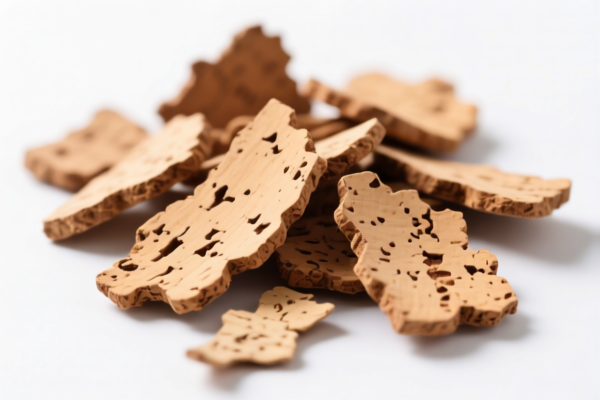
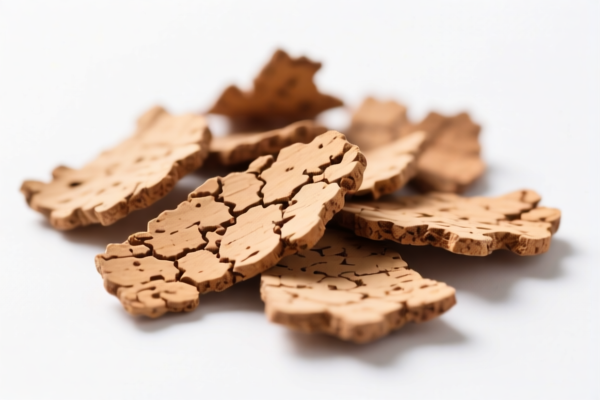
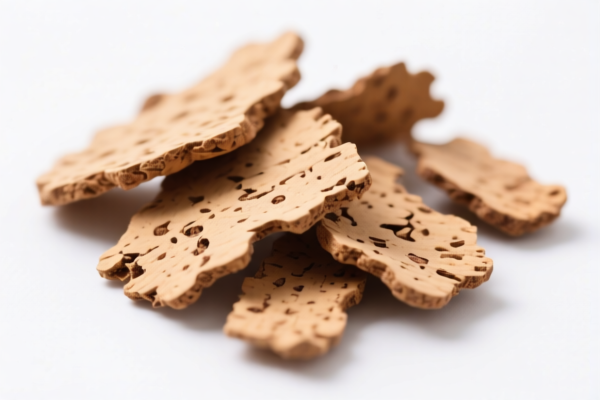
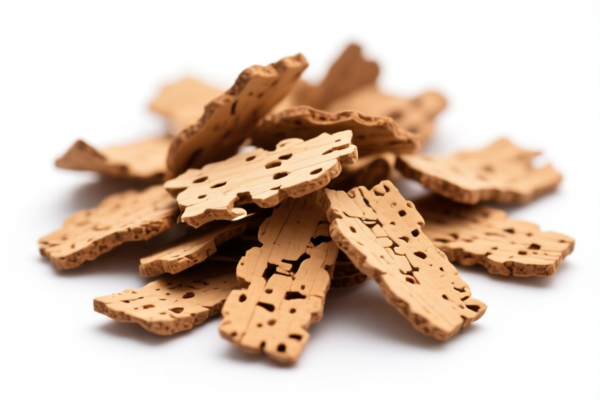
AI分析
🌾 Flaked Rye Cereal for Breakfast (Breakfast Cereals)
🌐 HS Code Reference & Customs Clearance Guide | 2026 Latest Tariff Analysis | Strategic Classification for Prepared Cereals
📌 I. Product Definition & Classification: Are You Shipping "Raw Grain" or "Prepared Food"?
Flaked Rye Cereal is a staple breakfast item. In international trade, the distinction between raw agricultural products and prepared foodstuffs is critical for duty rates.
1. Prepared Foods (The Correct Category) If the rye has been processed into flakes, swelled, or roasted, it falls under Chapter 19: Preparations of Cereals, Flour, Starch or Milk; Pastrycooks' Products. Specifically, it is categorized as "Prepared foods obtained by the swelling or roasting of cereals."
2. Key Determinants for HS Code Selection The classification within Chapter 19 depends on two main factors: * Packaging: Is it in an airtight container? * Ingredients: Does it contain specific fruits like apricots, citrus, peaches, or pears?
⚠️ Critical Distinction:
- If the product is pre-cooked, flaked, or swelled (even if not roasted) → Chapter 19.
- If the product is unprocessed rye grains (even if cleaned) → Chapter 10 (not covered in this dataset).
- Note: The dataset provided specifically covers prepared cereal flakes.
📦 II. HS Code Classification Details (2026 Latest Tariff Authority Comparison)
Based strictly on the provided <DATA>, here are the two applicable HS codes for Flaked Rye Cereal:
| HS Code | Product Description | Key Conditions | Target Scenario |
|---|---|---|---|
| 1904.20.10.00 | Prepared foods from unroasted/routed flakes or swelled cereals | In airtight containers AND Not containing apricots, citrus fruits, peaches, or pears. | Standard boxed/flaked rye cereal sold in sealed packaging without the excluded fruits. |
| 1904.20.90.00 | Prepared foods from unroasted/routed flakes or swelled cereals | Other (Includes non-airtight containers OR contains apricots/citrus/peaches/pears). | Bulk flaked rye, open-box varieties, or mixes containing the excluded fruits. |
🔍 重点提醒 (Key Reminder):
- 1904.20.10.00 is the specific sub-category for airtight containers free of certain fruits.
- 1904.20.90.00 is the "catch-all" for all other prepared flaked cereals (e.g., open bags, or those with added fruit pieces like apricots or peaches).
- Do not confuse these with raw rye flakes (Chapter 10) or rye flour (Chapter 11).
💰 III. 2026 Latest Tariff Rate Breakdown (Including Additional Duties & Policy Surcharges)
✅ Applicable Country: United States (US)
✅ Origin: China (CN) (Implied by the tax structure in<DATA>which shows "Surtax")
✅ Effective Date: 2025 onwards
🎯 1. 1904.20.10.00 — Prepared Rye Flakes (Airtight, No Excluded Fruits)
| Item | Content |
|---|---|
| Basic Tariff (MFN) | 5.6% |
| Surtax (Section 301/IEEPA) | 7.5% |
| Total Tariff Rate | 13.1% |
| Tax Calculation | CIF Value × 13.1% |
| De Minimis Exemption | ❌ No (Section 321 de minimis usually does not apply to high-volume food imports or specific HS codes subject to surtaxes; verify with current CBP guidance). |
| Legal Basis Path | HTSUS:1904.20.10.00 → USITC Surtax: 7.5% |
📌 Explanation:
- This code carries a 5.6% base tariff typical for prepared cereals.
- An additional 7.5% surtax applies to goods of Chinese origin.
- Total cost impact: 13.1%. This is a moderate duty compared to electronics but significant for low-margin food items.
🎯 2. 1904.20.90.00 — Other Prepared Rake Flakes (Non-Airtight or With Excluded Fruits)
| Item | Content |
|---|---|
| Basic Tariff (MFN) | 0.0% |
| Surtax (Section 301/IEEPA) | 0.0% |
| Total Tariff Rate | 0.0% |
| Tax Calculation | $0 |
| De Minimis Exemption | ✅ Yes (If value is <$800 per person per day). |
| Legal Basis Path | HTSUS:1904.20.90.00 → USITC Exemption |
📌 Explanation:
- This code is duty-free (0%) for both base and surtax.
- Why is it cheaper? Customs often applies 0% duties to "other" prepared foods that do not fit specific protective categories, or those deemed less sensitive.
- Warning: Do NOT misclassify an airtight, plain rye cereal as1904.20.90.00to save taxes. If it is in an airtight container and lacks apricots/citrus/peaches/pears, it MUST be1904.20.10.00. Misclassification leads to penalties.
🛠️ IV. Customs Clearance Practical Advice (Real-World Pitfall Guide)
✅ 1. Documentation Checklist (Essential)
| Document | Required? | Notes |
|---|---|---|
| ✅ Product Specification Sheet | ✔️ | Must detail: "Flaked Rye," preparation method (swelling/roasting), and ingredients. |
| ✅ Label Image | ✔️ | Must show if the container is "Airtight" and list all fruit ingredients. |
| ✅ Commercial Invoice | ✔️ | Describe goods as "Prepared Cereal Flakes, Rye, for Breakfast." Avoid vague terms like "Grain." |
| ✅ Packaging Description | ✔️ | Explicitly state: "Sealed Airtight Container" or "Open Bag/Bulk." |
| ✅ Ingredient List | ✔️ | CRITICAL: Must explicitly state if the product contains Apricots, Citrus Fruits, Peaches, or Pears. |
✅ 2. Classification Strategy (Key Mantra)
🔥 “Airtight + No Forbidden Fruits = 13.1%; Everything Else = 0%”
| Scenario | Correct HS Code | Duty Rate | Risk if Misclassified |
|---|---|---|---|
| Boxed rye flakes, sealed, no fruit | 1904.20.10.00 |
13.1% | If reported as 90.00: Penalty for undervaluation & evasion. |
| Bulk rye flakes, open sack | 1904.20.90.00 |
0.0% | If reported as 10.00: Overpaying by 13.1%. |
| Rye flakes with dried apricots | 1904.20.90.00 |
0.0% | If reported as 10.00: Overpaying by 13.1%. |
| Raw, unflaked rye grains | Chapter 10 (Not in Data) | Varies | Do NOT use 1904.xx. This is a major error. |
✅ 3. Special Circumstances Handling
| Situation | Handling Advice |
|---|---|
| Mixed Flakes (Rye + Wheat) | Still falls under 1904.xx if processed into flakes. Ensure description reflects "Prepared Cereal Preparation." |
| Flakes with Added Fruit | If apricots/citrus/peaches/pears are present, you MUST use 1904.20.90.00 (0% duty). Do not try to force 10.00. |
| Non-Airtight Packaging | If sold in open bags or non-sealed boxes, use 1904.20.90.00 (0% duty). |
| FDA/FSVP Compliance | Regardless of HS Code, ensure Foreign Supplier Verification Program (FSVP) compliance for food imports into the US. |
🌍 V. Global Market Comparison (2026 Update)
| Market | Recommended HS Code | Estimated Duty | Notes |
|---|---|---|---|
| 🇺🇸 USA | 1904.20.10.00 / 1904.20.90.00 |
13.1% / 0.0% | Depends strictly on packaging and fruit content. |
| 🇨🇳 China | 1904.20 |
Varies (Check Local Tariff) | General rate ~5-10%, but depends on FTAs. |
| 🇪🇺 EU | 1904.20 |
~12-15% | EU does not have the same "surtax" logic as US Section 301. |
| 🇬🇧 UK | 1904.20 |
~12-15% | Post-Brexit tariffs may apply. |
📌 Conclusion:
- The US market offers a 0% duty loophole for1904.20.90.00.
- Optimization Strategy: If your rye flakes do not contain apricots, citrus, peaches, or pears, consider whether non-airtight packaging is viable for your distribution channel. If you can switch from "sealed boxes" to "open bags" (for B2B), you save 13.1%. However, for B2C, sealed packaging is usually mandatory for freshness, forcing the 13.1% rate.
📌 VI. Common Errors & Pitfalls (Lessons Learned)
❌ Error 1: Classifying "Flaked Rye" as 1003.00 (Raw Rye)
👉 Consequence: Goods rejected or re-classified by CBP. Raw grains are different from prepared flakes.
❌ Error 2: Using 1904.20.90.00 for Airtight, Plain Rye Flakes
👉 Consequence: Fraud Penalty. CBP audits often check packaging photos. If it's airtight and has no fruit, it MUST be 10.00. You owe 13.1% + penalties.
❌ Error 3: Ignoring the "Excluded Fruit" Clause
👉 Consequence: If your product has 1% dried peach, you must use 90.00. If you use 10.00, you are misdeclaring.
✅ Correct Declaration Example:
"Prepared Breakfast Cereal, Flaked Rye, Packaged in Airtight Carton, No Apricots/Citrus/Peaches/Pears."
➡️ HS: 1904.20.10.00 | Duty: 13.1%
🎯 VII. Conclusion: Strategic Sourcing & Cost Saving
🎯 Remember the Mantra:
🔹 "Airtight + No Forbidden Fruit = 13.1% (The Standard)"
🔹 "Open Bag OR Contains Forbidden Fruit = 0.0% (The Loophole)"
🔹 "Raw Grain = Chapter 10 (Not This Guide)"
📌 Tips:
- If you are importing B2B (to supermarkets), consider negotiating non-airtight bulk packaging to benefit from the 0% tariff under 1904.20.90.00, provided shelf-life stability is maintained.
- If you are importing B2C (retail boxes), expect 13.1% and build this into your pricing model.
- Always verify ingredient lists for the four specific fruits (Apricots, Citrus, Peaches, Pears).
📣 Immediate Action:
📞 Consult your customs broker with packaging photos and ingredient lists.
🚀 Choose the right HS code to avoid 13.1% unexpected costs or 0% missed savings!
✨ Professional Classification Saves Money!
💼 Every percentage point counts in food import margins.
用户评价
关于 HS 编码归类
协调制度(HS)是由世界海关组织(WCO)制定的国际贸易商品分类标准。全球 200 多个国家采用 HS 系统作为海关关税、贸易统计和进出口监管的基础。
每个 HS 编码遵循以下层级结构:
- 章(2 位)——商品大类(例如:第 84 章:机器和机械设备)
- 品目(4 位)——章内的更具体分类
- 子目(6 位)——国际通用细分,所有 WCO 成员国统一使用
- 本国细分(8-10 位)——各国自行扩展的细分编码,如美国 HTSUS 10 位编码
正确的 HS 编码归类对于顺利通关、准确缴纳关税和遵守贸易法规至关重要。错误归类可能导致海关延误、多缴关税或罚款。
从CN进口到US时,适用的关税税率可能包括:
- 最惠国(MFN)税率——适用于 WTO 成员国的标准关税税率
- 普通税率——适用于无贸易协定国家
- 贸易救济关税——附加关税,如 301 条款(反倾销)、232 条款(国家安全)或反补贴税
本页内容仅供参考。如需正式归类,请咨询当地海关或持牌报关代理。