Flame Retardant Fabric Patch
CN → US| HS编码 | 关税税率 | 原产国 | 目的国 | 文档 |
|---|---|---|---|---|
| 5807102090 | 38.3% | CN | US | 官方文档 |
| 5603110070 | 35.0% | CN | US | 官方文档 |
| 5603920070 | 35.0% | CN | US | 官方文档 |
| 5807902090 | 38.3% | CN | US | 官方文档 |
| 3926909989 | 22.8% | CN | US | 官方文档 |
商品图片
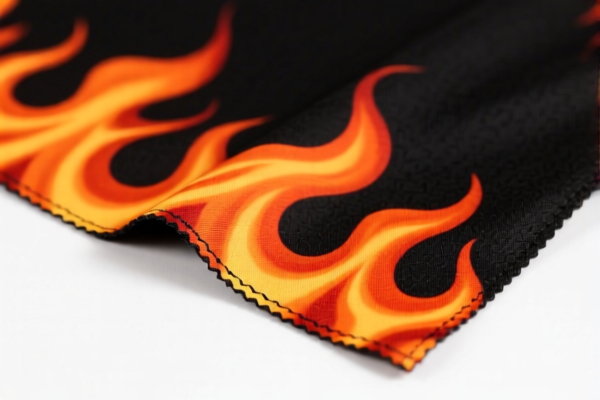
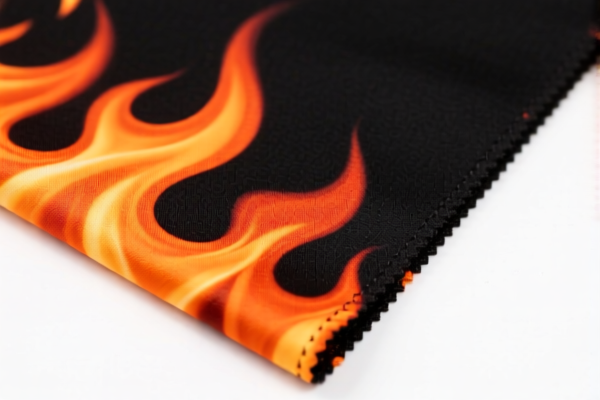
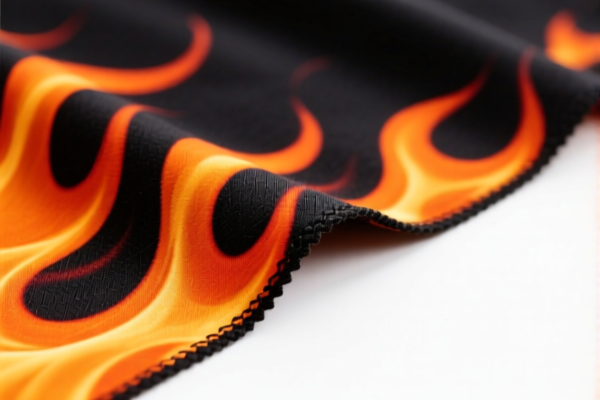
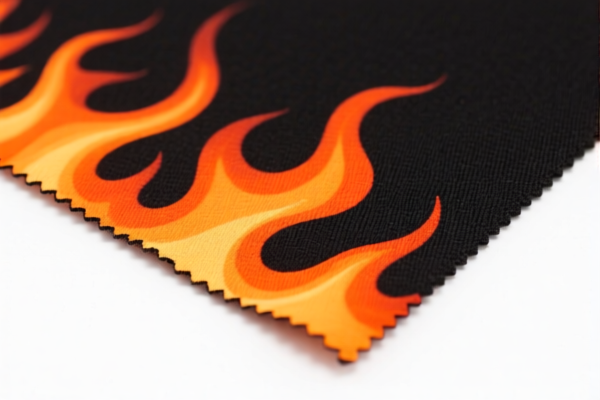
AI分析
🔥 Flame Retardant Fabric Patches (Textile Labels & Patches)
🌐 HS Code Reference & Customs Clearance Guide | 2026 Latest Tariff Analysis | Professional Clearance Strategy
📌 I. Product Definition & Classification: What Exactly Are "Flame Retardant Patches"?
Flame Retardant Fabric Patches are small, shaped textile accessories designed to be ironed, sewn, or glued onto garments, bags, or uniforms. In international trade, their classification hinges on two critical factors: Material Composition (Cotton, Synthetic, Non-woven, or Plastic-based) and Form Factor (Label, Emblem, or General Textile Article).
⚠️ Key Distinction Point:
- If the patch is primarily for identification/branding (like a logo or size tag) → It falls under Chapter 58 (Labels & Emblems).
- If the patch is made of non-woven material acting as a finished product → It may fall under Chapter 56 (Non-wovens).
- If the patch is made of plastic/synthetic materials not primarily textile-based → It may fall under Chapter 39 (Plastics).
📦 II. HS Code Classification Details (2026 Latest Tariff Authority Cross-Reference)
Based on the provided data, here are the 5 potential HS Codes for "Flame Retardant Fabric Patches," categorized by their logical inference:
| HS Code | Product Description | Application Scenario | Material/Form Inference |
|---|---|---|---|
5807.10.20.90 |
Woven labels/emblems, other than printed, of textiles other than cotton or artificial fibers | Brand labels, woven logos, size tags | ✅ Woven Textile (Non-cotton/Non-artificial) |
5603.11.00.70 |
Non-woven fabrics, weighing ≤ 25 g/m², impregnated/coated/laminated | Lightweight non-woven patches, ready-made articles | ✅ Non-woven Fabric (Lightweight/Finished) |
5603.92.00.70 |
Other non-woven fabrics, weighing > 25 g/m² and ≤ 70 g/m², impregnated/coated/laminated | Thicker non-woven patches, ready-to-use items | ✅ Non-woven Fabric (Medium Weight/Finished) |
5807.90.20.90 |
Labels/emblems, other, of textiles | General textile patches, embroidered or woven labels | ✅ General Textile (Other labels/emblems) |
3926.90.99.89 |
Other articles of plastics/plastic materials | Plastic-based patches, synthetic fiber patches classified as plastics | ✅ Plastic/Synthetic (兜底/General Plastic Item) |
🔍 重点提醒 (Key Reminder):
- Woven vs. Non-woven: If the patch is woven (threads interlaced), use 5807.xx. If it is needle-punched or chemically bonded fibers, use 5603.xx.
- Plastic Inference: If the "fabric" is actually a thin plastic film with a fabric texture, it might be classified under 3926.90.99.89.
- Finished Product: All entries here assume the patch is a "ready-to-use" item, not just raw material.
💰 III. 2026 Latest Tariff Rate Breakdown (Including Additional Taxes, Policy Add-ons)
✅ Applicable Country: United States (US)
✅ Origin: China (CN)
✅ Effective Date: 2025/2026 (Current Trade War Context)
🎯 1. 5807.10.20.90 & 5807.90.20.90 —— Woven/Textile Labels & Emblems
| Item | Content |
|---|---|
| Base Tariff Rate | 3.3% (ad valorem) |
| Section 301 Additional Tariff | +25.0% (USITC Footnote, China Origin) |
| IEEPA Section 122 Tariff | +10.0% (Targeting China/HK products) |
| Total Effective Tax Rate | 38.3% |
| Tax Calculation | CIF Value × 38.3% |
| De Minimis Eligibility | ❌ No (High tax rate, deny_de_minimis) |
| Legal Basis Path | IEEPA:122 → Section 301: 25% → HS: 5807.xx |
📌 Explanation:
- These are the most common classifications for woven brand labels or woven patches.
- The 38.3% total rate is extremely high due to the叠加 (stacking) of Section 301 and Section 122 tariffs.
- Cost Impact: For a $10,000 shipment, you pay $3,830 in taxes alone.
🎯 2. 5603.11.00.70 & 5603.92.00.70 —— Non-woven Fabric Patches
| Item | Content |
|---|---|
| Base Tariff Rate | 0.0% |
| Section 301 Additional Tariff | +25.0% |
| IEEPA Section 122 Tariff | +10.0% |
| Total Effective Tax Rate | 35.0% |
| Tax Calculation | CIF Value × 35.0% |
| De Minimis Eligibility | ❌ No |
| Legal Basis Path | IEEPA:122 → Section 301: 25% → HS: 5603.xx |
📌 Explanation:
- If the patch is made of non-woven material (like felt or needle-punched fabric), it gets 0% base duty.
- However, the 35.0% total is still high due to the 35% in additional tariffs.
- Savings Tip: This is 3.3% cheaper than the woven label classification (5807). If your product can legally be defined as non-woven, choose this!
🎯 3. 3926.90.99.89 —— Plastic/Synthetic Patches (Fallback Category)
| Item | Content |
|---|---|
| Base Tariff Rate | 5.3% |
| Section 301 Additional Tariff | +7.5% (Reduced 301 rate for some plastics) |
| IEEPA Section 122 Tariff | +10.0% |
| Total Effective Tax Rate | 22.8% |
| Tax Calculation | CIF Value × 22.8% |
| De Minimis Eligibility | ❌ No (Check specific plastic exemptions) |
| Legal Basis Path | IEEPA:122 → Section 301: 7.5% → HS: 3926.90.99.89 |
📌 Explanation:
- This is the Lowest Tax Option (22.8%)!
- Why? Plastic articles often have lower Section 301 rates (7.5%) compared to textiles (25%).
- Risk: You can only use this if the patch is primarily made of plastic/synthetic material (e.g., PVC patches, synthetic fiber patches classified as plastics). Misclassification here can lead to severe penalties.
🛠️ IV. Customs Clearance Practical Advice (Real-World Pitfall Guide)
✅ 1. Preparation Checklist (Must-Have Documents)
| Document | Required | Explanation |
|---|---|---|
| ✅ Product Specifications | ✔️ | Detail material: 100% Cotton? Polyester? Non-woven? PVC? |
| ✅ Material Composition Certificate | ✔️ | Critical for distinguishing between 5807 (Textile) and 3926 (Plastic). |
| ✅ Product Photos | ✔️ | Show texture (woven vs. felt-like vs. plastic shine). |
| ✅ Commercial Invoice | ✔️ | Must describe as "Flame Retardant Fabric Patch" with HS Code. |
| ✅ Flame Retardant Test Report | ✔️ | Proves "Flame Retardant" function, may help justify specific use cases. |
| ✅ Packing List | ✔️ | Weight and dimensions must match HS Code expectations. |
✅ 2. Declaration Tips (Key Mnemonics)
🔥 "Material First, Form Second! Don't Guess, Test!"
| Scenario | Correct Declaration | Wrong Approach | Consequence |
|---|---|---|---|
| Woven Label/Emblem | 5807.10.20.90 / 5807.90.20.90 |
Call it "Fabric" → 5603 |
❌ Penalty: Misclassification, 38.3% vs 35%. |
| Non-woven Patch | 5603.11/92.00.70 |
Call it "Woven" → 5807 |
❌ Penalty: Overpay 3.3% unnecessarily. |
| PVC/Synthetic Patch | 3926.90.99.89 |
Call it "Textile" → 5807 |
❌ Risk: If proven plastic, you might get audit, but correctly declared, you save 15.5%! |
| Mixed Material | Consult Specialist | Guess 5807 |
⚠️ Risk: May fall under the highest tax category. |
✅ 3. Special Situations
| Situation | Handling Advice |
|---|---|
| OEM Custom Patches | Provide design files. If it's a "label," use 5807. If it's a "patch" (decorative), check if 3926 is more appropriate. |
| Flame Retardant Treatment | The treatment doesn't change HS Code, but must be declared. Ensure test reports are available for safety compliance. |
| Small Quantities (De Minimis) | ❌ Not Applicable: All these HS Codes have high tax rates (>20%), so de minimis (Section 321) exemption does not apply. |
| Export from China | Ensure COO (Certificate of Origin) says "China" to trigger the correct 301/122 tariffs. |
🌍 V. Global Market Comparison (2026 Update)
| Country/Region | Recommended HS Code | Total Tax Rate (China Origin) | Notes |
|---|---|---|---|
| 🇺🇸 USA | 3926.90.99.89 (Best Case) |
22.8% | Best if plastic-based. Use 5807 (38.3%) if woven textile. |
| 🇨🇳 China | 5807.90.20.90 |
0% (Export) / Varies (Import) | Low export tax, but focus is on US import cost. |
| 🇪🇺 EU | 5807.90.90 |
0% - 4% | No Section 301/122 tariffs. Much cheaper for EU market! |
| 🇬🇧 UK | 5807.90.90 |
0% - 4% | Post-Brexit, still favorable compared to US. |
| 🇯🇵 Japan | 5807.90.90 |
0% - 14% | Varies by specific subheading. Generally lower than US. |
📌 Conclusion:
- USA is the most expensive market due to Section 301 and 122 tariffs.
- Strategy: If possible, classify as Plastic (3926) to save ~15% compared to Woven Textile (5807).
- EU/UK Market: No such high tariffs, making these patches highly competitive there.
📌 VI. Common Errors & Pitfall Guide (Lessons Learned)
❌ Error 1: Assuming all "Fabric Patches" are 5807.
👉 Result: Paying 38.3% when you could pay 35% (Non-woven) or 22.8% (Plastic).
❌ Error 2: Misdeclaring Plastic Patches as Textile.
👉 Result: While you might think it's safer, if Customs finds it's PVC, they may reclassify and penalize. If you declare it correctly as Plastic, you save money.
❌ Error 3: Ignoring Section 122 Tariffs.
👉 Result: Forgetting the 10% IEEPA tariff leads to under-declaration and post-audit fines.
❌ Error 4: Using "De Minimis" for Low-Value Shipments.
👉 Result: Denied. All these HS codes are high-tax, so packages under $800 still pay tax.
✅ Correct Approach:
"Flame Retardant Patch, Material: [100% Polyester/Non-woven/PVC], Function: Label/Decorative, Model: XYZ, Tested to UL94"
🎯 VII. Conclusion: Precise Classification Saves Money!
🎯 Remember This Mnemonic:
🔹 "Woven is 38.3%, Non-woven is 35%, Plastic is 22.8%!"
🔹 "Don't assume 'Fabric' means Textile. Check the material!"
🔹 "High Tax, No De Minimis. Plan Ahead!"
📌 Pro Tip:
If your patches are exported to the US, conduct a material test. If they can be classified as Plastic (3926.90.99.89), you save 15.5% in taxes. If not, choose Non-woven (5603) over Woven (5807) to save 3.3%.
📣 Immediate Action:
📞 Contact a Customs Broker + Provide Material Sample + Apply for Advance Ruling
🚀 Optimize your tariff rate, clear customs faster, and boost your profit margin!
✨ Professional Customs Clearance Starts with Accurate Classification!
💼 Every Percent of Tax Saved is Pure Profit!
用户评价
关于 HS 编码归类
协调制度(HS)是由世界海关组织(WCO)制定的国际贸易商品分类标准。全球 200 多个国家采用 HS 系统作为海关关税、贸易统计和进出口监管的基础。
每个 HS 编码遵循以下层级结构:
- 章(2 位)——商品大类(例如:第 84 章:机器和机械设备)
- 品目(4 位)——章内的更具体分类
- 子目(6 位)——国际通用细分,所有 WCO 成员国统一使用
- 本国细分(8-10 位)——各国自行扩展的细分编码,如美国 HTSUS 10 位编码
正确的 HS 编码归类对于顺利通关、准确缴纳关税和遵守贸易法规至关重要。错误归类可能导致海关延误、多缴关税或罚款。
从CN进口到US时,适用的关税税率可能包括:
- 最惠国(MFN)税率——适用于 WTO 成员国的标准关税税率
- 普通税率——适用于无贸易协定国家
- 贸易救济关税——附加关税,如 301 条款(反倾销)、232 条款(国家安全)或反补贴税
本页内容仅供参考。如需正式归类,请咨询当地海关或持牌报关代理。