Flame Sticker
CN → US| HS编码 | 关税税率 | 原产国 | 目的国 | 文档 |
|---|---|---|---|---|
| 5810921000 | 0.0% | CN | US | 官方文档 |
| 5807100510 | 42.9% | CN | US | 官方文档 |
| 5810929030 | 0.0% | CN | US | 官方文档 |
| 5807100520 | 42.9% | CN | US | 官方文档 |
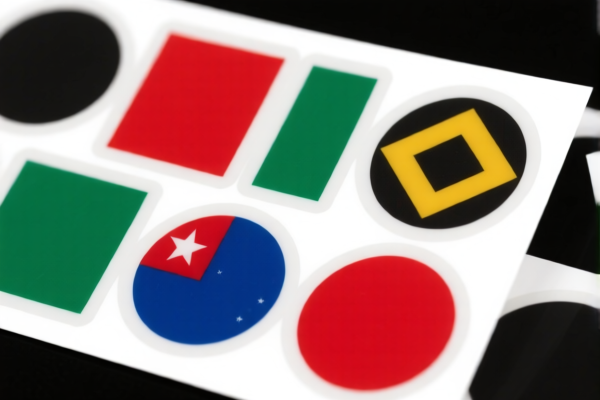
商品图片


AI分析
🔥 Flame Stickers (Iron-on Embroidered Patches)
🌐 HS Code Reference & Customs Clearance Guide | 2026 Latest Tariff Analysis | Professional通关 Strategy for Chinese Imports to the US
📌 Part 1: Product Definition & Classification – Do You Really Understand "Flame Stickers"?
In international trade, "Flame Stickers" (often referred to as Embroidered Patches, Iron-on Badges, or Appliqués) are textile-based decorative or functional items. They are NOT paper labels or simple printed stickers.
Key Characteristics:
- Material: Usually cotton (棉) or man-made fibers (人造纤维).
- Structure: Embroidered or woven patterns, often with a heat-activated adhesive backing for iron-on application.
- Function: Used for branding, decoration, or identification on apparel, bags, or helmets.
⚠️ Critical Distinction:
- If it is embroidered on fabric backing → Falls under Chapter 58 (Special Woven Fabrics; Tufted Fabrics; Lace; Tapestry; Embroidery) or Chapter 56 (Wadding, Felt and Nonwovens; Specialty Yarns) depending on exact construction.
- If it is a woven label/tag with a flame motif → Falls under 5807 (Labels, Badges, and Similar Articles of Textile Materials).
- Do NOT misclassify as printed paper stickers (Chapter 49) or general accessories.
📦 Part 2: HS Code Classification Details (2026 Latest Tariff Authority Comparison)
Based on the product description "Flame Sticker" (火焰布贴), customs authorities typically classify these into four primary HS Codes depending on the specific manufacturing method and material composition.
| HS Code | Product Description | Application Scenario | Key Classification Basis |
|---|---|---|---|
5810.92.10.00 |
Embroidery without stitch on a basis of textile materials; other embroidery; patches (badges) of textile materials | Embroidered Patches: Flame motif, stitched/embroidered on cloth backing, used as badges/decorations. | ✅ Embroidery/Appliqué |
5807.10.05.10 |
Woven labels, badges, and similar articles; of cotton or man-made fibers; other | Woven Labels/Badges: Flame pattern woven into the textile, used as tags or identifiers. | ✅ Woven Textile Label |
5810.92.90.30 |
Other embroidery; other | Embroidery (General): Flame motif as a general embroidered design, falling under the "other" category if not specifically a badge. | ✅ General Embroidery |
5807.10.05.20 |
Woven labels, badges, and similar articles; of cotton or man-made fibers; other | Woven Labels (Other): Flame pattern on woven material, not meeting specific sub-heading criteria for cotton-specific badges. | ✅ Woven Textile Label |
🔍 Key Insight:
- The core difference between 5810 and 5807 is Embroidery vs. Woven Label.
- 5810.92: Focuses on embroidered patches (stitched designs on fabric).
- 5807.10: Focuses on woven labels/badges (integrated woven pattern, often with a specific shape for labeling).
- Both categories are heavily impacted by Section 301 and IEEPA tariffs for Chinese imports.
💰 Part 3: 2026 Latest Tariff Rate Breakdown (Including Additional Taxes & Policy Surcharges)
✅ Applicable Country: United States (US)
✅ Country of Origin: China (CN)
✅ Effective Date: November 10, 2025 onwards (including subsequent imports)
🎯 1. HS Code 5810.92.10.00 – Embroidered Patches (Badge Type)
| Item | Details |
|---|---|
| Base Tariff Rate | See additional U.S. note 2 (Generally 6.5% - 8.5% depending on exact fiber content, but note 2 may imply specific conditions. Note: Data source states "See additional U.S. note 2") |
| Section 301 Additional Tariff | +25.0% |
| Section 122 Tariff | +10.0% (Specific to certain textile/apparel imports under IEEPA authority) |
| Total Tariff Rate | See additional U.S. note 2 + 35.0% |
| Tax Calculation | (Base Rate + 35%) × CIF Value |
| De Minimis Eligibility | ❌ NOT Eligible (Section 301 and Section 122 tariffs apply to all imports, regardless of value) |
| Legal Basis Path | USITC Note 2 → Section 301: 9903.01.25 → IEEPA: Section 122 (10%) |
📌 Explanation:
- The "See additional U.S. note 2" indicates a variable base rate. However, the fixed additional burden is 35% (25% Section 301 + 10% Section 122).
- This is a high-tariff category. Importers must budget for significantly higher landed costs.
🎯 2. HS Code 5807.10.05.10 – Woven Labels/Badges (Cotton/Man-made Fiber)
| Item | Details |
|---|---|
| Base Tariff Rate | 7.9% |
| Section 301 Additional Tariff | +25.0% |
| Section 122 Tariff | +10.0% |
| Total Tariff Rate | 42.9% |
| Tax Calculation | CIF Value × 42.9% |
| De Minimis Eligibility | ❌ NOT Eligible |
| Legal Basis Path | USITC: 5807.10.05.10 → Section 301: 9903.01.25 → IEEPA: Section 122 (10%) |
📌 Note:
- The base rate is fixed at 7.9%.
- The total effective tariff is 42.9%.
- This applies to woven labels/badges made of cotton or man-made fibers with a flame motif.
🎯 3. HS Code 5810.92.90.30 – Other Embroidery (General)
| Item | Details |
|---|---|
| Base Tariff Rate | See additional U.S. note 3 |
| Section 301 Additional Tariff | +25.0% |
| Section 122 Tariff | +10.0% |
| Total Tariff Rate | See additional U.S. note 3 + 35.0% |
| Tax Calculation | (Base Rate + 35%) × CIF Value |
| De Minimis Eligibility | ❌ NOT Eligible |
| Legal Basis Path | USITC Note 3 → Section 301: 9903.01.25 → IEEPA: Section 122 (10%) |
📌 Explanation:
- Similar to5810.92.10.00, the base rate is conditional.
- The additional 35% is mandatory.
- Use this code only if the product does not fit the specific "badge/patch" definition of5810.92.10.00but is clearly embroidered.
🎯 4. HS Code 5807.10.05.20 – Woven Labels/Badges (Other Material Specs)
| Item | Details |
|---|---|
| Base Tariff Rate | 7.9% |
| Section 301 Additional Tariff | +25.0% |
| Section 122 Tariff | +10.0% |
| Total Tariff Rate | 42.9% |
| Tax Calculation | CIF Value × 42.9% |
| De Minimis Eligibility | ❌ NOT Eligible |
| Legal Basis Path | USITC: 5807.10.05.20 → Section 301: 9903.01.25 → IEEPA: Section 122 (10%) |
📌 Note:
- Identical tax treatment to5807.10.05.10.
- The distinction between.10and.20is based on specific fiber content or manufacturing nuances not detailed in the summary, but the tax impact is the same.
🛠️ Part 4: Customs Clearance Practical Advice (Avoid Pitfalls)
✅ 1. Essential Documentation Checklist (Non-negotiable)
| Document | Required? | Explanation |
|---|---|---|
| ✅ Product Specifications | ✔️ | Must state: Material (Cotton/Man-made), Method (Embroidery/Woven), Adhesive Type. |
| ✅ Technical Drawing/Photo | ✔️ | Clear image of the flame pattern, backing, and adhesive layer. |
| ✅ Commercial Invoice | ✔️ | Must clearly describe as "Embroidered Textile Patches" or "Woven Badges", NOT "Stickers" (to avoid misclassification as paper/plastic). |
| ✅ Origin Certificate | ✔️ | To confirm Chinese origin and apply correct tariff rates. |
| ✅ Fiber Content Declaration | ✔️ | Critical for distinguishing between 5807.10.05.10 and .20. |
| ✅ HS Code Pre-Ruling | ⭐️ Recommended | Given the high tariffs (42.9% or variable + 35%), a pre-ruling can prevent disputes. |
⚠️ Warning: Do NOT use the term "Sticker" in the commercial invoice description if possible. Use "Textile Patch", "Embroidered Badge", or "Woven Label". "Sticker" may trigger scrutiny for paper/plastic classifications (Chapter 49), leading to delays or reclassification.
✅ 2. Declaration Tips (Key Mnemonics)
🔥 "Textile Base, Not Paper! Embroidery vs Woven, Check Base Rate!"
| Scenario | Correct Declaration | Risk of Misclassification |
|---|---|---|
| Flame design stitched on cloth | 5810.92.10.00 |
If declared as "woven label", may be audited for embossing/stitching evidence. |
| Flame pattern woven into fabric | 5807.10.05.10 |
If declared as "embroidered", customs may request cross-section photos. |
| Generic embroidered flame | 5810.92.90.30 |
Only use if it doesn't fit the specific "badge" definition. High risk of audit. |
| Any Flame Patch/Badge from China | Declare as Textile, Not Sticker | Using "Sticker" may lead to classification under Chapter 39 (Plastics) or 49 (Paper), which have different (potentially higher or lower) rates but trigger fraud investigations. |
✅ 3. Special Case Handling
| Situation | Handling Advice |
|---|---|
| Mixed Shipments | If a container has both embroidered patches (5810) and woven labels (5807), separate line items in the invoice. Do not lump together. |
| De Minimis (Section 321) | ❌ Do NOT attempt to use De Minimis for these items. Section 301 and Section 122 tariffs apply to all shipments, regardless of value (< $800). |
| Origin Marking | Ensure each patch or the packaging is marked "Made in China". Failure to mark can lead to penalties. |
| Section 122 Justification | Ensure the product falls under the specific text descriptions for Section 122 tariffs. Most textile patches/badges are included. |
🌍 Part 5: Global Market Comparison (2026 Latest)
| Country/Region | Recommended HS Code | Tariff Rate (China Origin) | Certification Requirements | Notes |
|---|---|---|---|---|
| 🇺🇸 United States | 5810.92.10.00 / 5807.10.05.10 |
35%+ (Base + 25% Sec 301 + 10% Sec 122) | None specific | Highest tariff burden. No de minimis. |
| 🇨🇳 China | 5810.92.10.00 / 5807.10.05.10 |
Varies (0-10%) | None | Domestic trade only. |
| 🇪🇺 European Union | 5810.92 / 5807.10 |
0-6.5% (Most Favored Nation) | CE (if functional), REACH | No Section 301/122 equivalents. Much lower cost. |
| 🇬🇧 United Kingdom | 5810.92 / 5807.10 |
0-6.5% | UKCA (if functional) | Post-Brexit, no US-style trade war tariffs. |
| 🇨🇦 Canada | 5810.92 / 5807.10 |
0-6.5% | None | No Section 301/122 equivalents. |
📌 Conclusion:
- The US is the ONLY major market with this 35%+ additional tariff burden on textile patches/badges from China.
- Strategy: If targeting the US, consider sourcing from Vietnam, Bangladesh, or Cambodia to avoid Section 301 and Section 122 tariffs.
- For US imports: Factor in at least 40-45% total tax in your landed cost calculation.
📌 Part 6: Common Errors & Pitfalls (Blood & Tears Lessons)
❌ Error 1: Declaring "Flame Stickers" as "Paper Stickers" (Chapter 49)
👉 Consequence: Customs will reclassify as Textiles + apply 42.9% tariff + penalties for false declaration.
❌ Error 2: Ignoring Section 122 Tariff
👉 Consequence: Underpayment by 10%. Customs will assess back duties + interest + penalties.
❌ Error 3: Using De Minimis for shipments < $800
👉 Consequence: Package seized. Section 301 and Section 122 do not apply to the de minimis exemption.
❌ Error 4: Mixing Embroidered and Woven items in one line item
👉 Consequence: Customs will audit. If they cannot determine the mix, they may apply the highest applicable tariff to the entire shipment.
✅ Correct Practice:
Description: "Embroidered Textile Patches, Flame Motif, Cotton/Man-made Fiber, Iron-on Backing, Model XYZ, Made in China"
HS Code:5810.92.10.00(or5807.10.05.10if woven)
Tax: Prepare for 42.9% - 45% total duty.
🎯 Part 7: Conclusion – Professional Declaration Saves Money!
🎯 Remember the Mantra:
🔹 "Textile, Not Paper! Embroidery/Woven, Check Base!"
🔹 "US Tariffs are High (35%+), Plan Costs Accordingly!"
🔹 "No De Minimis for Section 301/122!"
📌 Pro Tip:
If your customer is in the US, consider shifting supply chain to non-China countries (e.g., Vietnam, Bangladesh) for these items to save ~35% in duties.
Alternatively, apply for a Section 301 Exclusion if applicable (though difficult for general patches), or negotiate FOB pricing to share the tariff burden.
📣 Immediate Action:
📞 Contact a licensed Customs Broker + Provide Product Photos + Verify Fiber Content
🚀 Ensure Accurate HS Code Declaration to Avoid Seizure!
✨ Professional Customs Clearance Starts with Accurate Classification!
💼 Every Percent of Tariff Counts in the Profit Margin!
用户评价
关于 HS 编码归类
协调制度(HS)是由世界海关组织(WCO)制定的国际贸易商品分类标准。全球 200 多个国家采用 HS 系统作为海关关税、贸易统计和进出口监管的基础。
每个 HS 编码遵循以下层级结构:
- 章(2 位)——商品大类(例如:第 84 章:机器和机械设备)
- 品目(4 位)——章内的更具体分类
- 子目(6 位)——国际通用细分,所有 WCO 成员国统一使用
- 本国细分(8-10 位)——各国自行扩展的细分编码,如美国 HTSUS 10 位编码
正确的 HS 编码归类对于顺利通关、准确缴纳关税和遵守贸易法规至关重要。错误归类可能导致海关延误、多缴关税或罚款。
从CN进口到US时,适用的关税税率可能包括:
- 最惠国(MFN)税率——适用于 WTO 成员国的标准关税税率
- 普通税率——适用于无贸易协定国家
- 贸易救济关税——附加关税,如 301 条款(反倾销)、232 条款(国家安全)或反补贴税
本页内容仅供参考。如需正式归类,请咨询当地海关或持牌报关代理。