Flange Mounting Base
CN → US| HS编码 | 关税税率 | 原产国 | 目的国 | 文档 |
|---|---|---|---|---|
| 8487900080 | 88.9% | CN | US | 官方文档 |
| 8487900040 | 38.9% | CN | US | 官方文档 |
| 8431499084 | 85.0% | CN | US | 官方文档 |
| 7326908630 | 87.9% | CN | US | 官方文档 |
| 8431499005 | 85.0% | CN | US | 官方文档 |
商品图片
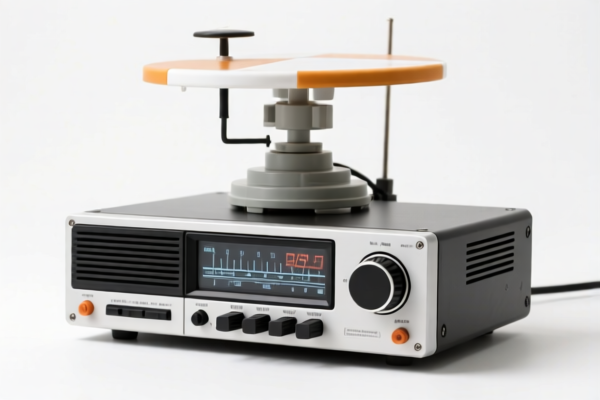
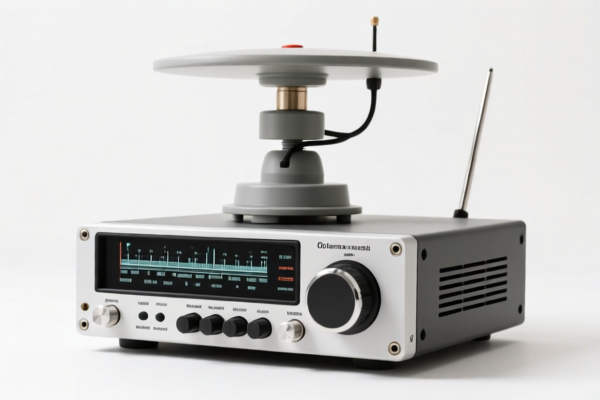
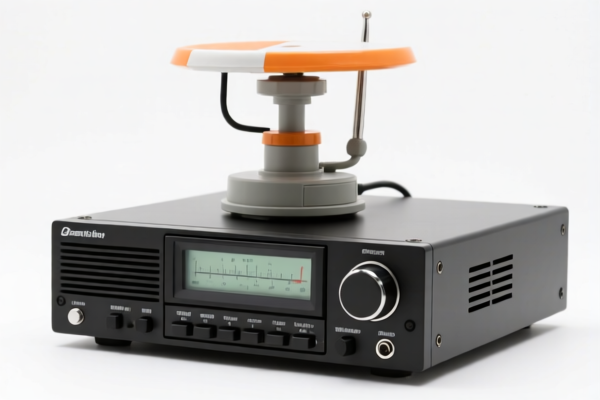
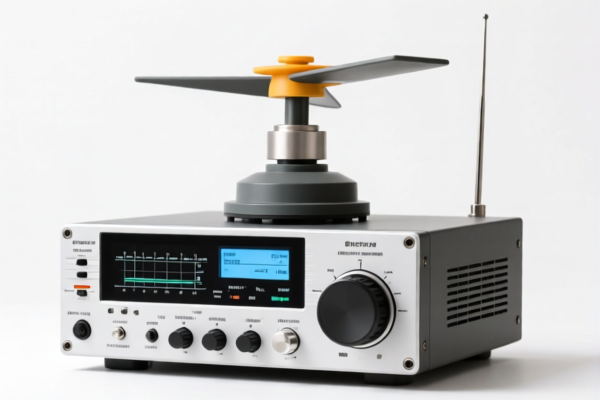
AI分析
🔩 Flange Mounting Base: The Silent Workhorse of Industrial Assembly
🌐 HS Code Reference & Customs Clearance Guide | 2026 Latest Tariff Analysis | Professional Strategy for Mechanical Parts
📌 Part 1: Product Definition & Classification Logic
The Flange Mounting Base is a critical mechanical component used to secure, support, and align other machinery, pipes, or structural elements. In international trade, its classification is not straightforward because it lacks a unique "Flange Mount" category in the Harmonized System (HS). Instead, it is classified based on its primary function, material, and specific application context.
⚠️ Key Classification Challenge:
- Is it a general mechanical part? → HS 8487
- Is it a specific machinery spare part (e.g., for lifting machinery)? → HS 8431
- Is it a steel/iron structure (pipe support)? → HS 7326Misclassification here can lead to tariff jumps from 3.9% to 88.9% due to Section 301 and IEEPA duties!
📦 Part 2: HS Code Classification Details (2026 Latest Tariff Concordance)
Based on the provided data, here are the five most likely HS Code classifications for a "Flange Mounting Base," ranked by logical fit and tax implication.
| HS Code | Product Description & Logic | Material Assumption | Total Tax Rate | Risk Level |
|---|---|---|---|---|
8487.90.00.80 |
Other mechanical parts (General Mechanical Parts) Logic: Best fit for generic mounting bases not specific to a single machine type. |
Mixed/Unknown | 88.9% | 🔴 HIGH (Due to Aluminum/Steel Section 122 Duty) |
8431.49.90.84 |
Parts suitable for use solely or principally with machinery of heading 84.25, 84.26, 84.27, 84.28, or 84.29 Logic: Classified under "Parts" for lifting/handling machinery. Inferred as Metal. |
Metal (Steel/Al) | 85.0% | 🔴 HIGH (Due to Aluminum/Steel Section 122 Duty) |
7326.90.86.30 |
Other articles of iron or steel (Pipe Supports/Brackets) Logic: If the base is primarily a pipe support or bracket structure. |
Iron or Steel | 87.9% | 🔴 HIGH (Due to Aluminum/Steel Section 122 Duty) |
8431.49.90.05 |
Parts for machinery of heading 84.25-84.29 (Other) Logic: Similar to above but different sub-category. No material conflict. |
Mixed/Metal | 85.0% | 🔴 HIGH (Due to Aluminum/Steel Section 122 Duty) |
8487.90.00.40 |
Other mechanical parts (General Mechanical Parts) Logic: Generic mechanical component classification. Lower base tariff. |
Mixed/Unknown | 38.9% | 🟡 MED (Avoids Steel/Aluminum Section 122 Duty) |
🔍 Critical Insight:
The difference between 38.9% and 88.9% is massive. It hinges on whether customs officers classify the item as a "General Mechanical Part" (8487) or a "Steel/Aluminum Product" subject to Section 122 (often applied to 8431, 7326, and some 8487 subcategories if material is declared as steel/aluminum).
- Section 122 Duty: +50% on steel/aluminum products of China.
- Section 301 Duty: +25% on most Chinese mechanical parts.
- IEEPA Duty: +10% on Chinese goods (effective Nov 2025).
💰 Part 3: 2026 Latest Tariff Rate Breakdown (Including Surcharges)
✅ Applicable Country: United States (US)
✅ Country of Origin: China (CN)
✅ Effective Date: Post-November 2025 (Current 2026 Tariff Structure)
🎯 1. The "Lowest Risk" Option: 8487.90.00.40
Recommended if the base is not made of pure steel/aluminum or can be argued as a general assembly component.
| Item | Content |
|---|---|
| Base Duty Rate | 3.9% (ad valorem) |
| Section 301 Surcharge | +25.0% (USITC Footnote 9903.88.01) |
| IEEPA Surcharge | +10.0% (Against Chinese Origin) |
| Section 122 Duty | 0% (Assumed not primarily steel/aluminum or classified under exempt subcategory) |
| Total Effective Rate | 38.9% |
| Calculation | CIF Value × 38.9% |
| De Minimis Exemption | ❌ NO (De Minimis does not apply to Section 301/IEEPA goods from China) |
| Legal Path | IEEPA:9903.01.24 → Section 301: USITC:8487.90.00.40 |
📌 Explanation:
This is the cheapest legal path if material constraints allow. It avoids the heavy 50% "Section 122" tariff on steel/aluminum.
🎯 2. The "High Risk" Options: 8487.90.00.80, 8431.49.90.84, 7326.90.86.30, 8431.49.90.05
These codes trigger the maximum punitive tariffs due to material classification.
| Item | Content |
|---|---|
| Base Duty Rate | 0.0% - 3.9% (Varies by subheading) |
| Section 301 Surcharge | +25.0% |
| IEEPA Surcharge | +10.0% |
| Section 122 Duty | +50.0% (On Steel/Aluminum Products) |
| Total Effective Rate | 85.0% - 88.9% |
| Calculation | CIF Value × (Base + 25% + 10% + 50%) |
| De Minimis Exemption | ❌ NO |
| Legal Path | IEEPA:9903.01.24 → Section 122: USITC: [Specific Code] → Section 301 |
📌 Explanation:
- Section 122: Targeted at steel and aluminum products of China. If your flange base is steel or aluminum, this 50% tariff applies regardless of the HS code's first digit.
- Why so high? The 50% + 25% + 10% = 85%+ creates a nearly prohibitive cost barrier.
🛠️ Part 4: Customs Clearance Practical Advice (Avoid Pitfalls)
✅ 1. Essential Documentation Checklist
| Document | Required? | Purpose |
|---|---|---|
| ✅ Product Specifications | ✔️ | Must detail dimensions, weight, and material composition (e.g., "Stainless Steel 304", "Cast Iron", "Aluminum Alloy"). |
| ✅ Material Test Report | ✔️ | Crucial! Proves if the item is primarily steel/aluminum. If it’s a composite (e.g., plastic housing with metal flange), you may argue against Section 122. |
| ✅ Commercial Invoice | ✔️ | Must clearly state: "Flange Mounting Base, Mechanical Part, For [Specific Machine]". Avoid vague terms like "Metal Part". |
| ✅ Packing List | ✔️ | Shows unit weight and quantity. |
| ✅ Photos of Product | ✔️ | Show the item from multiple angles, including any markings or material tags. |
| ✅ Certificate of Origin (CO) | ✔️ | Confirms China origin. If shipped from Vietnam/Mexico, you might claim IEEPA exemption (but verify Substantial Transformation rules!). |
✅ 2. Declaration Strategy (The "Golden Rules")
🔥 Rule #1: Material is Destiny
If the base is Steel or Aluminum, expect 85-89% tax.
If it is Plastic, Ceramic, or Composite, you can aim for 38.9% by classifying under8487.90.00.40.🔥 Rule #2: Function Over Form
- If the base is generic (used with many machines), use8487.90.00.40.
- If it is specific to lifting machinery (e.g., crane part), use8431. But beware:8431items are heavily scrutinized for steel content.🔥 Rule #3: Avoid "Steel Article" Descriptions
On the commercial invoice, do NOT write: "Steel Flange Mounting Base".
Instead, write: "Mechanical Mounting Assembly, Composite Construction, Stainless Steel Components".
Note: This is a gray area. Honest declaration is required, but highlighting non-steel primary materials can help in classification disputes.
✅ 3. Special Case Handling
| Scenario | Recommendation |
|---|---|
| Composite Material Base (e.g., Aluminum frame with steel bolts) | Declare the primary material of the main structure. If aluminum > 50% by weight/value, argue for non-steel classification to avoid Section 122. |
| Shipped from Vietnam/Mexico | Apply for IEEPA Exemption. If the base is substantially transformed in these countries, the 10% IEEPA duty may be waived. However, Section 301 (25%) and Section 122 (50%) may still apply if steel/aluminum content is high. |
| Small Value Shipments (< $800) | NO De Minimis Exemption for Chinese goods subject to Section 301/IEEPA/122. All taxes apply. |
| Pre-Ruling | Strongly Recommended. File an HTSUS Pre-Ruling with US Customs and Border Protection (CBP) before shipment. This locks in the 38.9% rate if supported by material data. |
🌍 Part 5: Global Market Comparison (2026)
| Market | HS Code Focus | Tariff Impact | Key Action |
|---|---|---|---|
| 🇺🇸 USA | 8487.90.00.40 vs 8487.90.00.80 |
38.9% vs 88.9% | Avoid Steel/Aluminum classification if possible. Seek pre-ruling. |
| 🇨🇳 China | 8487.90.90 |
~3.9% | Low duty. Focus on export compliance. |
| 🇪🇺 EU | 8487.90 |
~2.5% + Anti-Dumping (if applicable) | No Section 301/IEEPA. Check for EU-specific anti-dumping duties on steel products. |
| 🇬🇧 UK | 8487.90 |
~2.5% | Similar to EU. Post-Brexit rules apply. |
📌 Conclusion:
The US market is the most hostile for Chinese steel/aluminum mechanical parts due to the叠加 (stacked) tariffs of Section 301 (25%), IEEPA (10%), and Section 122 (50%).
For all other markets, the tax burden is significantly lower.
📌 Part 6: Common Mistakes & Pitfalls
❌ Mistake 1: Declaring a Steel Flange Base as 8487.90.00.40 without material proof.
👉 Consequence: CBP reclassifies it under Section 122 rules → Back duties + Penalties.
❌ Mistake 2: Using generic terms like "Metal Part" on the invoice.
👉 Consequence: CBP defaults to the highest applicable duty rate (often the steel/aluminum category) → 88.9% Tax.
❌ Mistake 3: Ignoring Section 122.
👉 Consequence: Many importers forget that steel/aluminum products from China face an additional 50% tariff on top of Section 301. This is a silent profit killer.
✅ Correct Action:
"Flange Mounting Base, Mechanical Assembly, Primary Material: Aluminum Alloy, For Industrial Machinery Use, Model XYZ, FCC/CE Certified (if applicable)."
🎯 Part 7: Conclusion: Professional Declaration, Cost Optimization!
🎯 Remember the Formula:
Base Tariff (3.9%) + Section 301 (25%) + IEEPA (10%) + Section 122 (50% if Steel/Al) = Total Duty
🔹 Low Cost Path: Composite/Non-Steel Material → 38.9%
🔹 High Cost Path: Steel/Aluminum Material → 88.9%
🚀 Strategic Advice:
1. Material Selection: If designing new products, consider using engineering plastics or composites for mounting bases to qualify for the 38.9% rate.
2. Pre-Ruling: Always file a CBP Pre-Ruling for bulk imports.
3. Supply Chain Diversification: Consider sourcing from non-China origins if Section 122 duties are unavoidable and material is steel.
📌 Pro Tip:
If your Flange Mounting Base is stainless steel, note that Section 122 often applies to carbon steel and aluminum. Some stainless steel alloys may have different treatment, but verify with CBP. Stainless steel is often still subject to Section 301 and IEEPA.
📣 Immediate Action Required:
📞 Contact a Licensed Customs Broker
📄 Prepare Material Test Reports
📝 File for HTSUS Pre-Ruling
💰 Calculate CIF Value + 38.9% (Ideal) or 88.9% (Reality)
✨ Precision Classification is the Key to Profitability!
💼 Don't let hidden tariffs eat your margins!
用户评价
关于 HS 编码归类
协调制度(HS)是由世界海关组织(WCO)制定的国际贸易商品分类标准。全球 200 多个国家采用 HS 系统作为海关关税、贸易统计和进出口监管的基础。
每个 HS 编码遵循以下层级结构:
- 章(2 位)——商品大类(例如:第 84 章:机器和机械设备)
- 品目(4 位)——章内的更具体分类
- 子目(6 位)——国际通用细分,所有 WCO 成员国统一使用
- 本国细分(8-10 位)——各国自行扩展的细分编码,如美国 HTSUS 10 位编码
正确的 HS 编码归类对于顺利通关、准确缴纳关税和遵守贸易法规至关重要。错误归类可能导致海关延误、多缴关税或罚款。
从CN进口到US时,适用的关税税率可能包括:
- 最惠国(MFN)税率——适用于 WTO 成员国的标准关税税率
- 普通税率——适用于无贸易协定国家
- 贸易救济关税——附加关税,如 301 条款(反倾销)、232 条款(国家安全)或反补贴税
本页内容仅供参考。如需正式归类,请咨询当地海关或持牌报关代理。