Flat Paper Roll
CN → US| HS编码 | 关税税率 | 原产国 | 目的国 | 文档 |
|---|---|---|---|---|
| 4810291025 | 35.0% | CN | US | 官方文档 |
| 4810297025 | 35.0% | CN | US | 官方文档 |
| 3919102055 | 40.8% | CN | US | 官方文档 |
| 4821902000 | 35.0% | CN | US | 官方文档 |
| 4811492100 | 35.0% | CN | US | 官方文档 |
商品图片
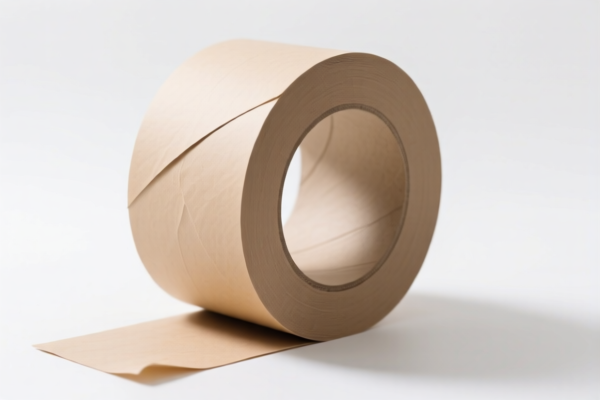

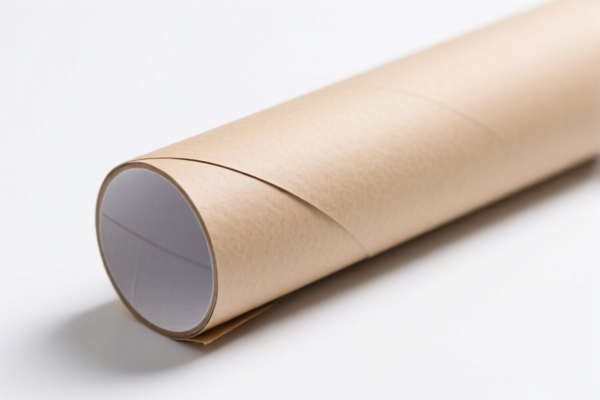

AI分析
📜 Flat Paper Roll (卷状纸张与标签制品)
🌐 HS Code Reference & Customs Clearance Guide | 2026 Latest Tariff Analysis | Professional Clearance Strategy
📌 I. Product Definition & Classification: What Exactly Is "Flat Paper Roll"?
In international trade, "Flat Paper Roll" is a broad term that covers various forms of paper products. To determine the correct HS Code and tariff rate, you must distinguish between the material composition (Paper vs. Plastic/Film) and the functional attribute (Writing/Printing vs. Self-adhesive Label).
Core Distinction Points: * Pure Paper (Non-adhesive): Used for writing, printing, or wrapping. Falls under Chapter 48 (Paper & Paperboard). * Self-Adhesive Labels (Paper-based): Paper or cardboard backing with adhesive. Falls under Chapter 48 (Specific Label Codes). * Self-Adhesive Labels (Plastic/Film-based): Plastic or synthetic film backing. Falls under Chapter 39 (Plastics).
⚠️ Critical Warning:
- Misclassifying plastic stickers as paper can lead to significant tariff discrepancies and customs delays. - "Roll" shape alone is not enough; the adhesive property and material dictate the code.
📦 II. HS Code Classification Matrix (Based on Provided Data)
| HS Code | Product Description | Material | Key Attribute | Total Tax Rate |
|---|---|---|---|---|
4810.29.10.25 |
Flat Paper Rolls, Writing/Printing Grade | Paper | Non-adhesive, for writing/printed paper | 35.0% |
4810.29.70.25 |
Flat Paper Rolls, Other/General Use | Paper | Non-adhesive, "Other" category fallback | 35.0% |
4821.90.20.00 |
Roll Adhesive Labels (Paper/Film Mix) | Paper/Film | Self-adhesive, "Other" label category | 35.0% |
4811.49.21.00 |
Roll Adhesive Labels (Paper/Cardboard) | Paper/Cardboard | Self-adhesive, coated paper backing | 35.0% |
3919.10.20.55 |
Roll Adhesive Stickers (Plastic) | Plastic | Self-adhesive, plastic/film material | 40.8% |
🔍 Key Insight:
- Paper-based items (Codes starting with48xx) generally have a 0% base duty but face high additional tariffs. - Plastic-based items (Code3919) have a 5.8% base duty and face the same additional tariffs, resulting in a higher total rate. - All listed HS Codes are subject to US Section 301 (25%) and Section 1221/IEEPA (10%) surcharges.
💰 III. 2026 Tariff Rate Breakdown (US Market, Chinese Origin)
✅ Applicable Country: United States (US)
✅ Country of Origin: China (CN)
✅ Effective Date: Current policies (Section 301 & IEEPA additions active)
🎯 1. Paper-Based Rolls & Labels (4810, 4811, 4821)
Examples: Writing paper rolls, printing paper rolls, paper-based adhesive labels.
| Item | Detail |
|---|---|
| Base Duty (MFN) | 0.0% |
| Section 301 Add-on | +25.0% (USITC Footnote 9903.88.01 / 301 List 4B) |
| IEEPA/Section 1221 Add-on | +10.0% (China-specific additional duty) |
| Total Effective Rate | 35.0% |
| De Minimis Exemption | ❌ Not Eligible (Value > $800 requires formal entry; small shipments still face scrutiny if misclassified) |
| Legal Basis Path | HTSUS:4810/4811/4821 → Section 301: 25% → IEEPA: 10% |
📌 Explanation:
- Although the base duty for many paper products is 0%, the 25% Section 301 tariff is strictly applied to Chinese-origin paper goods. - The additional 10% reflects recent trade measures (often referred to as "1221" or IEEPA-related surcharges in customs software). - Total: 35%. This is a hard cost that must be calculated into your CIF price.
🎯 2. Plastic-Based Roll Stickers (3919.10.20.55)
Examples: Vinyl stickers, plastic film labels, synthetic paper labels.
| Item | Detail |
|---|---|
| Base Duty (MFN) | 5.8% |
| Section 301 Add-on | +25.0% |
| IEEPA/Section 1221 Add-on | +10.0% |
| Total Effective Rate | 40.8% |
| De Minimis Exemption | ❌ Not Eligible |
| Legal Basis Path | HTSUS:3919.10.20.55 → Section 301: 25% → IEEPA: 10% |
📌 Explanation:
- Plastic-based adhesives are taxed differently because the base duty is not 0%. - Total: 40.8%. This is 5.8% higher than paper-based alternatives due to the base duty component. - Cost-Saving Tip: If the product can be manufactured with a paper backing instead of plastic, you can save 5.8% on the base duty layer (though the add-ons remain).
🛠️ IV. Customs Clearance Practical Advice (Pitfall Avoidance)
✅ 1. Documentation Checklist (Non-Negotiable)
| Document | Required? | Reason |
|---|---|---|
| Product Specification Sheet | ✔️ | Must clearly state Material (Paper vs. Plastic) and Adhesive Status (Self-adhesive vs. Non-adhesive). |
| Product Photos | ✔️ | Show the roll structure, core, and any labels on the outer packaging. |
| Commercial Invoice | ✔️ | Description must match HS Code definition (e.g., "Paper Roll for Printing" vs. "Plastic Adhesive Sticker"). |
| Customs Label Declaration | ✔️ | Explicitly declare: "Self-Adhesive" if applicable. Do not just write "Paper Roll." |
| Certificate of Origin (CO) | ✔️ | Required for determining Section 301 applicability. |
✅ 2. Classification Strategy & Tips
🔥 "Material Defines Tax, Adhesion Defines Chapter!"
| Scenario | Correct Classification | Why? |
|---|---|---|
| Roll of A4 Paper (Unprinted/Printed) | 4810.29.10.25 |
Pure paper, non-adhesive. |
| Roll of Stickers on Paper Backing | 4811.49.21.00 |
Paper backing + adhesive = Chapter 48. |
| Roll of Stickers on Plastic/Vinyl Backing | 3919.10.20.55 |
Plastic material = Chapter 39. |
| Mixed/Unknown Material | 4821.90.20.00 (Paper Fallback) |
If you can prove it's paper-based, use 4821. If plastic, use 3919. Do not guess; customs will assess based on sample. |
✅ 3. Common Mistakes & Consequences
❌ Mistake 1: Labeling plastic stickers as "Paper Rolls" to get 35% instead of 40.8%.
👉 Consequence: Customs audit will reveal plastic material. Penalties, back-tariffs, and potential seizure.
❌ Mistake 2: Declaring self-adhesive labels as non-adhesive paper (4810).
👉 Consequence: Misclassification. The item is technically a label (4811/4821). While the rate might be similar (35%), it triggers a red flag for incorrect product description.
❌ Mistake 3: Ignoring the "Roll" vs. "Cut" distinction.
👉 Consequence: Some paper products have different rates if cut into sheets. Ensure your declaration matches the physical state (Roll vs. Sheet).
🌍 V. Global Market Comparison (2026 Outlook)
| Market | Recommended HS Code | Total Est. Tax (China Origin) | Notes |
|---|---|---|---|
| 🇺🇸 USA | 4810.29.10.25 / 3919.10.20.55 |
35.0% / 40.8% | High Section 301 + IEEPA tariffs. |
| 🇨🇳 China (Import) | 4810.29.10 / 3919.10 |
0% - 5.8% | Base duty only, no add-ons. |
| 🇪🇺 EU | 4810.29 / 3919.10 |
0% - 6.5% | No Section 301. Base duty applies. |
| 🇬🇧 UK | 4810.29 / 3919.10 |
0% - 6.5% | Post-Brexit tariffs, no US add-ons. |
📌 Conclusion:
- The US market is significantly more expensive for paper/plastic rolls from China due to layered tariffs. - Strategy: If possible, source plastic rolls from non-China countries (e.g., Vietnam, Malaysia) to avoid Section 301, potentially reducing costs by ~25%.
📌 VI. Summary & Action Plan
- Identify Material: Is it Paper or Plastic?
- Paper → Go to
48xxseries. - Plastic → Go to
39xxseries.
- Paper → Go to
- Identify Adhesion: Is it Self-Adhesive?
- Yes →
4811(Paper backing) or3919(Plastic). - No →
4810(General paper).
- Yes →
- Calculate Cost:
- Paper Items: 35% Total Duty.
- Plastic Items: 40.8% Total Duty.
- Documentation: Ensure your invoice explicitly states "Material: [Paper/Plastic]" and "Adhesive: [Yes/No]".
💡 Pro Tip: For "Flat Paper Roll" inquiries, always provide photos to customs brokers. Visual confirmation prevents misclassification of adhesive vs. non-adhesive products, which is the most common error in Chapter 48/39.
✨ Precise Classification Saves Money!
💼 35% vs. 40.8% might seem small, but on large volumes, it’s significant savings!
用户评价
关于 HS 编码归类
协调制度(HS)是由世界海关组织(WCO)制定的国际贸易商品分类标准。全球 200 多个国家采用 HS 系统作为海关关税、贸易统计和进出口监管的基础。
每个 HS 编码遵循以下层级结构:
- 章(2 位)——商品大类(例如:第 84 章:机器和机械设备)
- 品目(4 位)——章内的更具体分类
- 子目(6 位)——国际通用细分,所有 WCO 成员国统一使用
- 本国细分(8-10 位)——各国自行扩展的细分编码,如美国 HTSUS 10 位编码
正确的 HS 编码归类对于顺利通关、准确缴纳关税和遵守贸易法规至关重要。错误归类可能导致海关延误、多缴关税或罚款。
从CN进口到US时,适用的关税税率可能包括:
- 最惠国(MFN)税率——适用于 WTO 成员国的标准关税税率
- 普通税率——适用于无贸易协定国家
- 贸易救济关税——附加关税,如 301 条款(反倾销)、232 条款(国家安全)或反补贴税
本页内容仅供参考。如需正式归类,请咨询当地海关或持牌报关代理。