Flexible plastic protective sheet
CN → US| HS编码 | 关税税率 | 原产国 | 目的国 | 文档 |
|---|---|---|---|---|
| 3920992000 | 39.2% | CN | US | 官方文档 |
| 3920591000 | 41.0% | CN | US | 官方文档 |
| 3919905060 | 40.8% | CN | US | 官方文档 |
| 3919905040 | 40.8% | CN | US | 官方文档 |
| 3920991000 | 41.0% | CN | US | 官方文档 |
商品图片
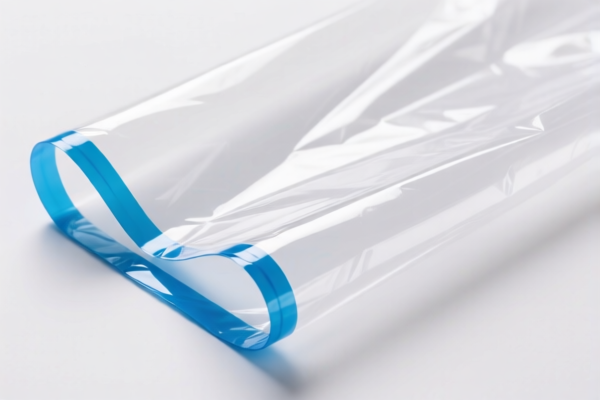
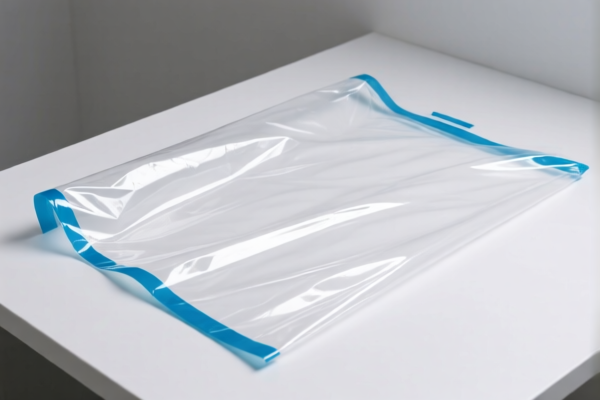
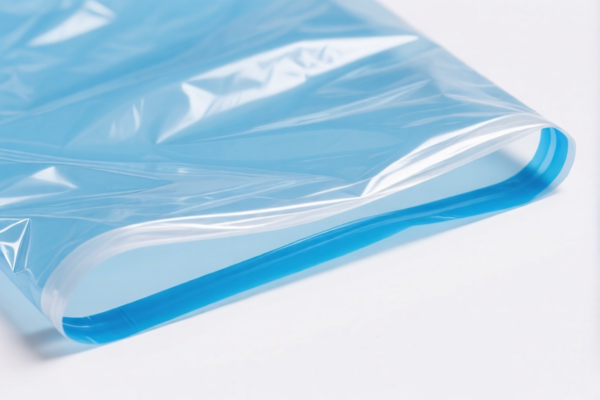
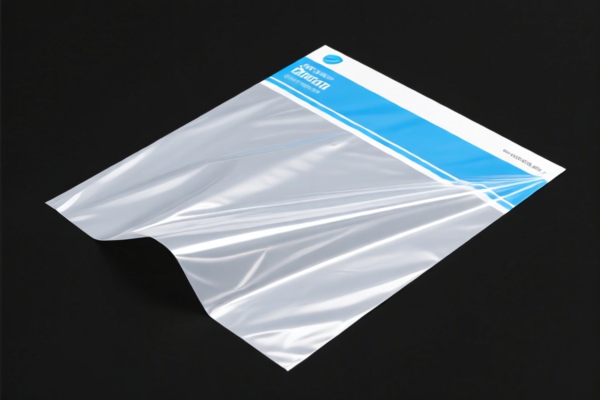
AI分析
🛡️ Flexible Plastic Protective Sheet (UV-Blocking Film)
🌐 HS Code Reference & Customs Clearance Guide | 2024/2025 Latest Tariff Analysis | Professional通关 Strategy
📌 I. Product Definition & Classification: What Exactly Is It?
Flexible plastic protective sheets (specifically UV-blocking films) are critical materials used in industrial packaging, construction, automotive, and consumer electronics. They serve as barriers against UV radiation, moisture, and physical abrasion.
In international trade, these products are primarily classified under Chapter 39: Plastics and Articles Thereof. However, the specific HS Code depends heavily on the physical form (self-adhesive vs. non-adhesive), structure (foamed vs. non-foamed/monolithic), and intended use.
⚠️ Key Distinction Points:
- Self-Adhesive vs. Non-Adhesive: If the back is coated with glue/tape, it likely falls under3919(Self-adhesive plates, sheets...). If it is just a plain film meant to be attached via other means, it falls under3920(Other plates, sheets, film...).
- Foamed vs. Non-Foamed: Is the plastic expanded (bubble wrap-like, lightweight) or dense/solid?
- Non-foamed/Non-reinforced: Typically3920.59or3920.99.
- Foamed/Cellular: Often excluded from the codes below or classified differently depending on thickness/density.
- Function (UV Blocking): Note that "UV Blocking" is a functional description. Unless specifically regulated for solar control in buildings (which might fall under Ch. 70 or 85), most generic UV protective plastic films are treated as standard plastic films with specific material characteristics.
📦 II. HS Code Classification Details (Based on Provided Data)
The following HS Codes are derived from the specific characteristics of Flexible Plastic UV-Blocking Protective Sheets.
| HS Code | Product Description | Key Characteristics | Application Scenario |
|---|---|---|---|
| 3920.99.20.00 | Flexible Plastic UV-Blocking Film | Non-cellular plastic; Film form; Flexible | General-purpose protective packaging, general UV shielding where no specific polymer is dominant. |
| 3920.59.10.00 | Flexible Plastic UV-Blocking Film | Plastic-made; Non-foamed; Non-reinforced sheets/film | Specific use cases requiring strict adherence to "non-foamed" and "non-reinforced" definitions. Often used in industrial lining. |
| 3919.90.50.60 | Flexible Plastic UV-Blocking Film | Self-adhesive; Flat shape; Other plastic products | Self-adhesive films (e.g., sticker-like UV protection for windows or surfaces). Includes adhesive backing. |
| 3919.90.50.40 | Flexible Plastic UV-Blocking Film | Flat shape; Plastic-made; Other descriptions | Another sub-category for self-adhesive flat plastic products. Distinct from 3920 due to the adhesive property. |
| 3920.99.10.00 | Flexible Plastic Stretch Material | Non-cellular plastic; Film form; Specifically "Stretch Material" | Stretch wrap films (e.g., pallet wrap) that offer UV protection. Distinguished by its elastic/stretchable nature. |
🔍 Critical Note on Classification:
- 3919 Codes: Choose if your product has an adhesive backing. The key here is "Self-Adhesive".
- 3920 Codes: Choose if your product is a plain film (no adhesive) that is attached via tension, tape, or static cling.
- 3920.99.10.00: Reserve this only if the material is explicitly a stretch film (elastic). If it is rigid or semi-rigid UV film, use 3920.99.20.00 or 3920.59.10.00.
💰 III. 2024/2025 Tariff Rate Breakdown (Including Additional Taxes)
✅ Applicable Country: United States (US)
✅ Origin: China (CN)
✅ Effective Date: Current Trade Policies (Post-2025 Adjustments)
🎯 1. 3920.99.20.00 —— Flexible Plastic UV-Blocking Film (General)
| Item | Details |
|---|---|
| Basic Duty Rate | 4.2% |
| Section 301 Additional Duty | +25.0% |
| Section 122 Duty | +10.0% |
| Total Effective Rate | 39.2% |
| Calculation Basis | CIF Value × 39.2% |
| De Minimis Eligibility | ❌ No (High duty rate typically excludes it from $800 de minimis benefits in practice, or attracts high scrutiny) |
| Legal Pathway | HTSUS:3920.99.20.00 → Section 301 List 4 → Section 122 Statute |
📌 Explanation:
- This code applies to general non-adhesive, non-foamed, flexible plastic films that don't fit more specific polymer categories (like PVC or PE which might have different sub-headings).
- The 39.2% rate is significant. Importers must factor this into landed cost.
🎯 2. 3920.59.10.00 —— Flexible Plastic UV-Blocking Film (Non-Foamed/Non-Reinforced)
| Item | Details |
|---|---|
| Basic Duty Rate | 6.0% |
| Section 301 Additional Duty | +25.0% |
| Section 122 Duty | +10.0% |
| Total Effective Rate | 41.0% |
| Calculation Basis | CIF Value × 41.0% |
| De Minimis Eligibility | ❌ No |
| Legal Pathway | HTSUS:3920.59.10.00 → Section 301 → Section 122 |
📌 Note:
- Although the base duty is higher (6.0% vs 4.2%), the total is still high. This code is for films that strictly meet the "non-foamed, non-reinforced" criteria.
- Misclassifying a foamed film here could lead to customs re-classification and penalties.
🎯 3. 3919.90.50.60 & 3919.90.50.40 —— Self-Adhesive UV-Blocking Films
| Item | Details |
|---|---|
| Basic Duty Rate | 5.8% (Both codes) |
| Section 301 Additional Duty | +25.0% |
| Section 122 Duty | +10.0% |
| Total Effective Rate | 40.8% (Both codes) |
| Calculation Basis | CIF Value × 40.8% |
| De Minimis Eligibility | ❌ No |
| Legal Pathway | HTSUS:3919.90.50.xx → Section 301 → Section 122 |
📌 Distinction:
- 3919 is for self-adhesive products.
- If your product is a "sticky" UV protective sheet (like a window tint or adhesive protective cover), you must use 3919.
- Using 3920 for an adhesive product is a common error that triggers audits.
🎯 4. 3920.99.10.00 —— Flexible Plastic Stretch Material (UV-Protective)
| Item | Details |
|---|---|
| Basic Duty Rate | 6.0% |
| Section 301 Additional Duty | +25.0% |
| Section 122 Duty | +10.0% |
| Total Effective Rate | 41.0% |
| Calculation Basis | CIF Value × 41.0% |
| De Minimis Eligibility | ❌ No |
| Legal Pathway | HTSUS:3920.99.10.00 → Section 301 → Section 122 |
📌 Usage:
- Specifically for stretch wrap films that have UV-blocking additives.
- If the film is not elastic/stretchable, do not use this code. Use3920.99.20.00instead.
🛠️ IV. Customs Clearance Practical Advice (Avoid Pitfalls)
✅ 1. Documentation Checklist (Essential)
| Document | Required? | Notes |
|---|---|---|
| Product Specification Sheet | ✅ Yes | Must clearly state: Material (e.g., PE, PET, PP), Thickness, Width, UV-Blocking Property, Adhesive vs. Non-Adhesive. |
| Commercial Invoice | ✅ Yes | Description must match HS Code. Avoid vague terms like "Plastic Sheet". Use "Flexible UV-Blocking Plastic Film". |
| Packing List | ✅ Yes | Include net/gross weight and dimensions. |
| Certificate of Origin | ✅ Yes | Required for Section 301 duty calculation (China origin triggers 25%+10%). |
| Material Safety Data Sheet (MSDS) | ✅ Recommended | Especially if UV blockers involve specific chemicals. |
| Test Report (UV Blocking) | ✅ Optional but Helpful | Proof of UV blocking percentage can support the product description, though HS classification is primarily physical. |
✅ 2. Classification Strategy (Key Mnemonic)
🔥 "Adhesive = 3919, Plain = 3920, Stretch = 10, General = 20/59"
| Scenario | Correct HS Code | Risk if Wrong |
|---|---|---|
| Sticky UV Film (Window Tint, Adhesive Cover) | 3919.90.50.60 or 3919.90.50.40 |
Misclassifying as 3920 leads to Duty Evasion claims. |
| Non-Sticky, Standard UV Film | 3920.99.20.00 |
Safe default for most flexible, non-foamed, non-adhesive films. |
| Non-Sticky, Explicitly Non-Foamed/Non-Reinforced | 3920.59.10.00 |
Ensure it truly has no foam/reinforcement. |
| Elastic Stretch Wrap with UV Additive | 3920.99.10.00 |
Only for elastic/stretch materials. |
✅ 3. Special Considerations
| Situation | Advice |
|---|---|
| De Minimis ($800) | Due to the 39.2% - 41.0% total duty, many carriers or CBP may scrutinize shipments for duty evasion. Ensure accurate valuation. |
| Section 122 (806.3) | This duty is often applied to goods from countries not meeting specific free trade agreement criteria or under specific trade actions. Verify if your supplier qualifies for any exclusions. |
| UV Blocking Additives | Ensure the chemical composition of UV blockers does not violate EPA or FDA regulations if used in food contact or medical applications. |
| China Origin | Be aware of Section 301 exclusions. Some plastic films may have been excluded in previous rounds. Check the latest USTR exclusion list. If excluded, the 25% duty may be waived, reducing total tax to 14.2%-16.0%. |
🌍 V. Global Market Comparison (Quick Reference)
| Market | Typical HS Code | Base Duty | US Section 301 | Section 122 | Total Est. Tax |
|---|---|---|---|---|---|
| 🇺🇸 USA | 3920.99.20.00 |
4.2% | +25% | +10% | 39.2% |
| 🇨🇳 China | 3920.99.20.00 |
6.5% | N/A | N/A | 6.5% |
| 🇪🇺 EU | 3920.99 |
6.5% | N/A | N/A | 6.5% |
| 🇯🇵 Japan | 3920.99 |
8.0% | N/A | N/A | 8.0% |
📌 Insight:
- The US market is the most expensive due to the layered tariffs (Base + 301 + 122).
- Importers should explore Section 301 Exclusions or consider Third-Country Transshipment (where legally compliant) to mitigate costs.
📌 VI. Common Errors & Pitfalls
❌ Error 1: Calling it "Protective Sheet" without specifying "Plastic" or "UV-Blocking"
👉 Consequence: Customs may reclassify to a higher-duty general plastic article.
❌ Error 2: Misidentifying Adhesive vs. Non-Adhesive
👉 Consequence: Using 3920 for a 3919 product (or vice versa) results in wrong duty payment and potential penalties.
❌ Error 3: Ignoring Section 122 Duty
👉 Consequence: Underpayment by 10%. CBP audits frequently catch this on Chinese-origin plastics.
❌ Error 4: Assuming "UV Blocking" changes the HS Code significantly
👉 Consequence: HS is based on material/physical form. UV is a function. Don't look for a specific "UV Code" unless it's a specialized optical product (Ch. 90).
✅ Correct Practice:
"Flexible Plastic UV-Blocking Film, Non-Adhesive, Polyethylene, 0.5mm Thickness, for Industrial Packaging"
🎯 VII. Conclusion: Precise Classification, Lower Costs!
🎯 Remember the Rule:
🔹 "Adhesive? Go to 3919. Plain? Go to 3920. Stretch? Go to .10. General? Go to .20 or .59."
🔹 "China Origin = 301 + 122 = ~40% Tax. Plan for Landed Cost!"
📌 Pro Tip:
Check the USTR Section 301 Exclusion List for HTS 3920.99.20.00 and others. If your product is excluded, you save 25%. That’s a 10% total tax reduction (from 39.2% to ~29.2%). Always verify current exclusions!
📣 Next Steps:
📞 Consult a Customs Broker for pre-classification.
📄 Prepare Detailed Specs highlighting material and adhesive status.
🚀 Optimize Supply Chain to mitigate high US tariffs.
✨ Accurate Classification Saves Money!
💼 Don't let tariff layers eat your profit margins!
用户评价
关于 HS 编码归类
协调制度(HS)是由世界海关组织(WCO)制定的国际贸易商品分类标准。全球 200 多个国家采用 HS 系统作为海关关税、贸易统计和进出口监管的基础。
每个 HS 编码遵循以下层级结构:
- 章(2 位)——商品大类(例如:第 84 章:机器和机械设备)
- 品目(4 位)——章内的更具体分类
- 子目(6 位)——国际通用细分,所有 WCO 成员国统一使用
- 本国细分(8-10 位)——各国自行扩展的细分编码,如美国 HTSUS 10 位编码
正确的 HS 编码归类对于顺利通关、准确缴纳关税和遵守贸易法规至关重要。错误归类可能导致海关延误、多缴关税或罚款。
从CN进口到US时,适用的关税税率可能包括:
- 最惠国(MFN)税率——适用于 WTO 成员国的标准关税税率
- 普通税率——适用于无贸易协定国家
- 贸易救济关税——附加关税,如 301 条款(反倾销)、232 条款(国家安全)或反补贴税
本页内容仅供参考。如需正式归类,请咨询当地海关或持牌报关代理。