Fluororubber Raw Material for Seals
CN → US| HS编码 | 关税税率 | 原产国 | 目的国 | 文档 |
|---|---|---|---|---|
| 4016935020 | 37.5% | CN | US | 官方文档 |
| 8484100000 | 37.5% | CN | US | 官方文档 |
| 3926904590 | 38.5% | CN | US | 官方文档 |
| 3926904510 | 38.5% | CN | US | 官方文档 |
| 4016935050 | 37.5% | CN | US | 官方文档 |
商品图片
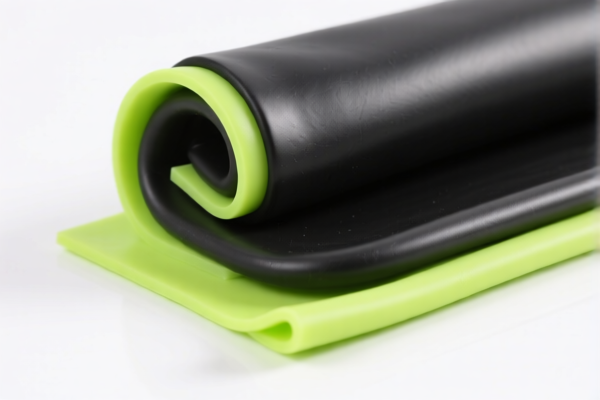
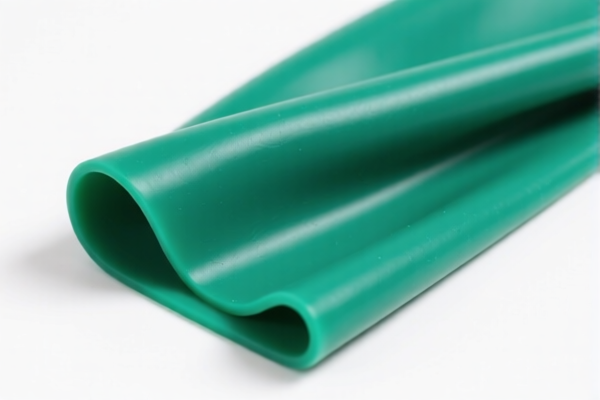
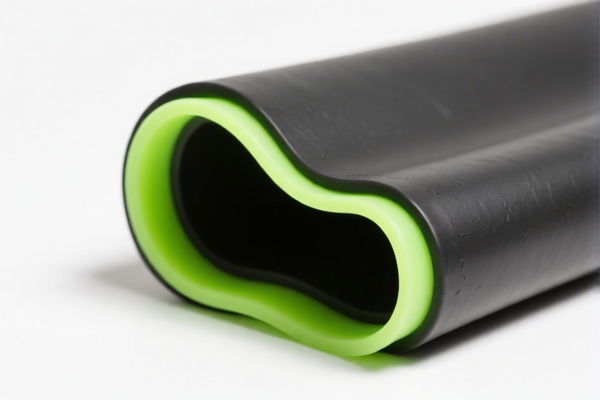
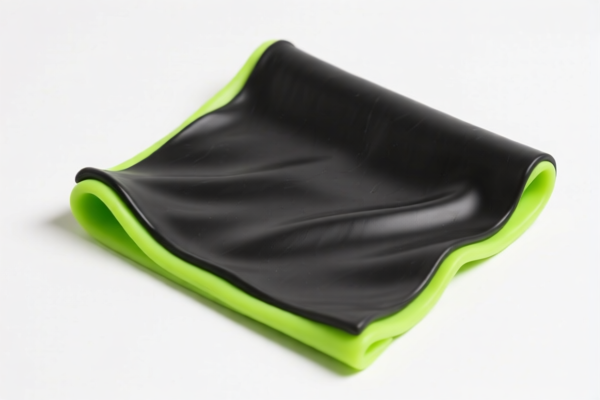
AI分析
🛡️ Fluororubber Raw Material for Seals (FKM/Viton®)
🌐 HS Code Reference & Customs Clearance Guide | 2026 Latest Tariff Analysis | Professional Strategy for US Imports
📌 I. Product Definition & Classification: What is Fluororubber?
Fluororubber (often known by the brand name Viton® or generic FKM) is a high-performance synthetic elastomer renowned for its resistance to heat, oils, fuels, and chemicals. In the context of international trade and US customs, it is classified based on its material nature (raw/semi-finished rubber vs. finished article) and form.
Key Distinction: * Raw/Semi-finished State: Uncured or partially cured rubber compounds, sheets, or extrusions intended for further manufacturing. * Finished State: Cured seals, gaskets, O-rings, or diaphragms ready for installation.
⚠️ Critical Classification Point:
- If the product is uncured/partially cured rubber (raw material state) → It falls under Chapter 40 (Rubber) or potentially Chapter 39 (Plastics/Polymers) depending on specific polymer composition and form.
- If the product is a finished seal/gasket → It falls under 8484 (Gaskets, washers, seals).
- Note on Provided Data: The provided data suggests classification under both 4016.93 (Rubber parts) and 8484.10 (Gaskets), as well as 3926.90 (Plastic articles). This indicates potential ambiguity based on whether the item is considered a "rubber article" or a "plastic-derived seal."
📦 II. HS Code Classification Details (Based on Provided Data)
| HS Code | Product Description | Logic & Justification | Tax Rate |
|---|---|---|---|
4016.93.50.20 |
Rubber Articles (Seals) | Fluororubber is a vulcanized rubber. Used for sealing materials, fitting the category of "sealing components" under rubber. | 37.5% |
8484.10.00.00 |
Gaskets & Similar Joints | Fluororubber is a chemical/elastic material used as a sealing material. Fits the use case of "gaskets and similar joints of sheeting or strip." | 37.5% |
3926.90.45.90 |
Plastic Articles (Seals) | Fluororubber is categorized as a synthetic rubber/plastic polymer. Form is a sealing material, fitting "other plastic articles" like gaskets/seals. | 38.5% |
3926.90.45.10 |
Plastic Articles (Seals) | Fluororubber is a plastic/synthetic rubber product. Form is sealing material, consistent with "gaskets, washers, and other sealing devices." | 38.5% |
4016.93.50.50 |
Rubber Articles (Seals) | Fluororubber is a type of vulcanized rubber. Usage matches sealing materials, gaskets, washers, and other sealing components. | 37.5% |
🔍 重点提醒 (Key Observation):
- The data presents a split between Rubber (Ch. 40) and Plastic (Ch. 39) classifications. While technically FKM is an elastomer (rubber), some customs interpretations may classify certain fluoropolymer compounds under Chapter 39 if they are considered thermoplastic or if the specific legal notes define them as plastic articles.
- 8484.10 is the most direct "use-based" classification for finished gaskets, but 4016 is the "material-based" classification for rubber parts.
- 3926 is less common for pure rubber but may apply if the material is classified as a plastic polymer compound.
💰 III. 2026 Latest Tariff Rate Breakdown (Including Surcharges)
✅ Applicable Country: United States (US)
✅ Origin: China (CN)
✅ Effective Date: Post-November 2025 (Includes subsequent imports)
🎯 1. 4016.93.50.20 & 4016.93.50.50 — Rubber Sealing Articles
| Item | Content |
|---|---|
| Base Duty Rate | 2.5% (ad valorem) |
| Section 301 Surcharge | +25.0% (USITC Footnote for Chinese rubber/plastics) |
| IEEPA Surcharge | +10.0% (Section 122 tariffs for Chinese origin) |
| Total Effective Rate | 37.5% |
| Calculation Method | CIF Value × 37.5% |
| De Minimis Eligibility | ❌ No (Section 301 and IEEPA tariffs generally deny de minimis exemptions for Section 321/861 entries) |
| Legal Pathway | USITC:4016.93.50.20 → Section 301: 9903.01.25 → IEEPA: 9903.01.24 |
📌 Explanation:
- Base 2.5%: Standard MFN rate for rubber articles.
- 25% Surcharge: Part of the US-China trade war tariffs (Section 301).
- 10% Surcharge: Additional tariffs under IEEPA (Section 122).
- Total 37.5%: A significant cost increase that must be factored into landed cost calculations.
🎯 2. 8484.10.00.00 — Gaskets and Similar Joints
| Item | Content |
|---|---|
| Base Duty Rate | 2.5% |
| Section 301 Surcharge | +25.0% |
| IEEPA Surcharge | +10.0% |
| Total Effective Rate | 37.5% |
| Calculation Method | CIF Value × 37.5% |
| De Minimis Eligibility | ❌ No |
| Legal Pathway | USITC:8484.10.00.00 → Section 301: 9903.01.25 → IEEPA: 9903.01.24 |
📌 Explanation:
- Same tariff structure as the rubber classification.
- Why this code? If the product is clearly defined as a "gasket" or "joint," CBP often prefers 8484 over 4016 because it is more specific to the function rather than the material. However, both attract the same 37.5% rate for Chinese origin.
🎯 3. 3926.90.45.90 & 3926.90.45.10 — Other Plastic Articles
| Item | Content |
|---|---|
| Base Duty Rate | 3.5% |
| Section 301 Surcharge | +25.0% |
| IEEPA Surcharge | +10.0% |
| Total Effective Rate | 38.5% |
| Calculation Method | CIF Value × 38.5% |
| De Minimis Eligibility | ❌ No |
| Legal Pathway | USITC:3926.90.45.90 → Section 301: 9903.01.25 → IEEPA: 9903.01.24 |
📌 Explanation:
- Base 3.5%: Slightly higher base rate than rubber/gaskets.
- Total 38.5%: The highest rate among the options provided.
- Risk: Classifying fluororubber as a "plastic article" (Ch. 39) is less common unless it is a specific fluoropolymer (like PTFE) rather than FKM elastomer. If CBP disagrees with this classification, you may face penalties for misclassification.
🛠️ IV. Customs Clearance Operational Advice (Practical Pitfall Guide)
✅ 1. Preparation Checklist (Essential Documents)
| Document | Required? | Description |
|---|---|---|
| ✅ Product Specification Sheet | ✔️ | Detail material composition (FKM/Viton®), hardness (Shore A), chemical resistance. |
| ✅ HS Code Justification Letter | ✔️ | Explain why the specific code (4016 vs 8484 vs 3926) applies. |
| ✅ Commercial Invoice | ✔️ | Clearly state "Fluororubber Sealing Material" and HS Code. |
| ✅ Certificate of Origin (CO) | ✔️ | Confirm Chinese origin to ensure correct surcharge application (or verify exemption status). |
| ✅ Packing List | ✔️ | List quantity, weight, and dimensions. |
| ✅ Prior Ruling (If Available) | ✔️ | If you have a CBP Binding Ruling, cite it. |
✅ 2. Declaration Tips (Key Mnemonics)
🔥 "Material First, Function Second; Check Chapter 40 vs 8484; Don't Guess 3926!"
| Scenario | Correct Declaration | Error to Avoid |
|---|---|---|
| Uncured Rubber Sheets/Extrusions | 4016.93.50.20 (Rubber Parts) |
Misdeclaring as raw material under 4002 (Liquid rubber) |
| Finished O-Rings/Gaskets | 8484.10.00.00 (Gaskets) |
Misdeclaring as general "rubber parts" (4016) — 8484 is more specific |
| Fluoropolymer (PTFE) Parts | 3926.90.45.10 (Plastic) |
Misdeclaring FKM as PTFE to change classification |
| Mixed Containers | Split Declaration | Declaring all items under one HS code → Penalty risk |
✅ 3. Special Case Handling
| Case | Handling Advice |
|---|---|
| OEM Custom Seals | Provide design drawings to prove they are "parts" (4016) or "gaskets" (8484). |
| High-Performance Grade | Specify "FKM" or "Viton®" to justify classification under synthetic rubber/plastic, not natural rubber. |
| Samples | Even for samples, declare accurately. De minimis does not apply to Section 301/IEEPA goods. |
| Re-imports | If returning damaged goods, ensure proper "Returned American Goods" procedures (though surcharges may still apply depending on origin). |
🌍 V. Global Market Comparison (2026 Latest)
| Country/Region | Recommended HS Code | Duty Rate (China Origin) | Certification Requirements | Notes |
|---|---|---|---|---|
| 🇺🇸 USA | 8484.10.00.00 or 4016.93.50.20 |
37.5% | No specific FDA/UL required for industrial seals, but RoHS may apply if electronics | High tariffs! Verify origin carefully. |
| 🇨🇳 China | 4016.93.50 |
2.5% | None | Low import duty. |
| 🇪🇺 EU | 8484.10.00 |
0% | REACH (Chemical Registration) | No additional tariffs for China. |
| 🇦🇺 Australia | 8484.10.00 |
5% | None | Moderate duty. |
| 🇯🇵 Japan | 8484.10.00 |
0% | JIS Standards | Free trade agreement benefits may apply. |
📌 Conclusion:
- The US is the only major market with significant surcharges (37.5%) for Chinese-origin fluororubber seals.
- EU, Japan, and Australia offer much more favorable rates (0%-5%).
- Strategy: If exporting to the US, consider tariff engineering (e.g., importing semi-finished goods and finishing them in a third country, if feasible and compliant with rules of origin) or supplier diversification.
📌 VI. Common Mistakes & Pitfalls (Lessons Learned)
❌ Mistake 1: Declaring "Rubber Material" under 4002 (Liquid/Semi-finished) when it is actually finished seals.
👉 Consequence: Misclassification, potential penalty, and delayed clearance.
❌ Mistake 2: Ignoring Section 301 and IEEPA surcharges.
👉 Consequence: Underpayment of duties → Retroactive billing + Interest + Penalties.
❌ Mistake 3: Using "Plastic" classification (3926) for FKM without justification.
👉 Consequence: CBP may reclassify to 4016 or 8484 and assess the correct (similar) rate, but cause delays and disputes.
❌ Mistake 4: Assuming De Minimis ($800) exemption applies.
👉 Consequence: Fines! Section 301 and IEEPA tariffs do not apply to Section 321 de minimis entries. You must pay the full 37.5% even on small packages.
✅ Best Practice:
"Fluororubber (FKM) Sealing Gaskets, Custom-Made for Industrial Oil Seals, Origin China, HS Code 8484.10.00.00"
🎯 VII. Conclusion: Professional Declaration, Cost Control, Compliance
🎯 Remember the Golden Rules:
🔹 "Check Chapter 40 vs 8484; Function vs Material"
🔹 "37.5% is the Reality for US Imports; Plan Ahead!"
🔹 "No De Minimis Exemption for Section 301/IEEPA Goods"
📌 Pro Tip:
If your fluororubber raw material is originating from Vietnam, Mexico, or Thailand, you may qualify for IEEPA exemptions or lower tariffs. Verify the Country of Origin meticulously.
Recommend applying for an Advance Ruling from CBP if the classification is ambiguous.
📣 Immediate Action:
📞 Contact a licensed customs broker + Provide product specs + Verify Origin
🚀 Ensure smooth customs clearance, minimize duty costs, and avoid compliance risks!
✨ Professional Clearance Starts with Accurate Classification!
💼 Every Cent of Duty Counts!
用户评价
关于 HS 编码归类
协调制度(HS)是由世界海关组织(WCO)制定的国际贸易商品分类标准。全球 200 多个国家采用 HS 系统作为海关关税、贸易统计和进出口监管的基础。
每个 HS 编码遵循以下层级结构:
- 章(2 位)——商品大类(例如:第 84 章:机器和机械设备)
- 品目(4 位)——章内的更具体分类
- 子目(6 位)——国际通用细分,所有 WCO 成员国统一使用
- 本国细分(8-10 位)——各国自行扩展的细分编码,如美国 HTSUS 10 位编码
正确的 HS 编码归类对于顺利通关、准确缴纳关税和遵守贸易法规至关重要。错误归类可能导致海关延误、多缴关税或罚款。
从CN进口到US时,适用的关税税率可能包括:
- 最惠国(MFN)税率——适用于 WTO 成员国的标准关税税率
- 普通税率——适用于无贸易协定国家
- 贸易救济关税——附加关税,如 301 条款(反倾销)、232 条款(国家安全)或反补贴税
本页内容仅供参考。如需正式归类,请咨询当地海关或持牌报关代理。