Foldable Laundry Basket
CN → US| HS编码 | 关税税率 | 原产国 | 目的国 | 文档 |
|---|---|---|---|---|
| 3926901000 | 20.9% | CN | US | 官方文档 |
| 4602191800 | 39.5% | CN | US | 官方文档 |
| 7326908688 | 87.9% | CN | US | 官方文档 |
| 3926909989 | 22.8% | CN | US | 官方文档 |
| 4602110900 | 45.0% | CN | US | 官方文档 |
| 3924905610 | 20.9% | CN | US | 官方文档 |
商品图片
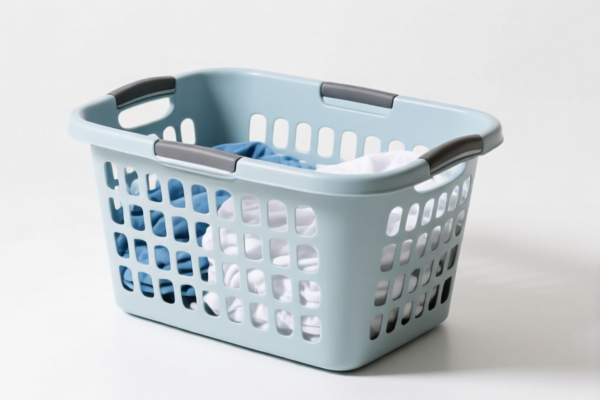
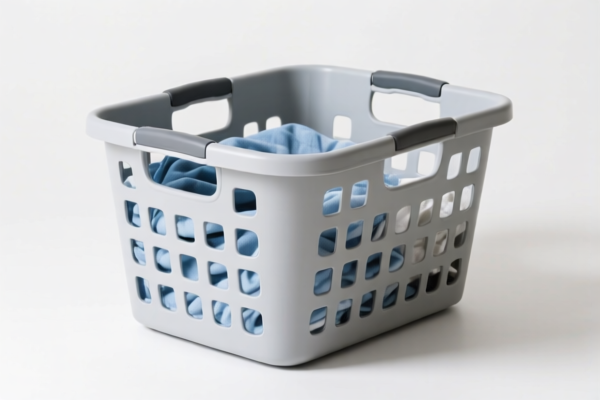
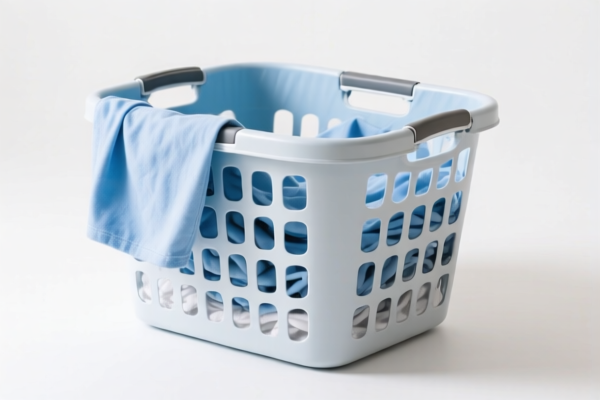
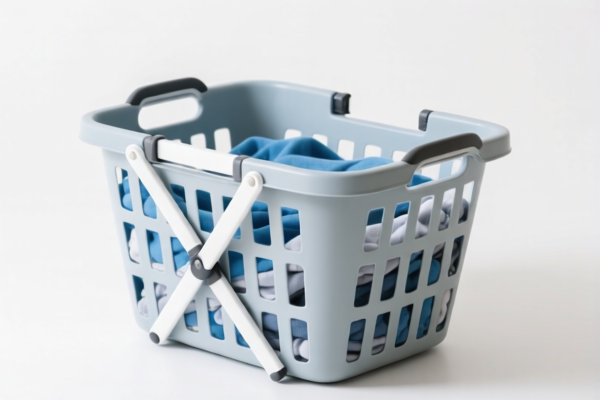
AI分析
🧺 Foldable Laundry Basket (Washers & Dryers Accessories / Storage)
🌐 HS Code Reference & Customs Clearance Guide | 2024-2025 Latest Tariff Analysis | Professional Clearance Strategy
📌 Part 1: Product Definition & Classification: Do You Really Understand "Foldable Laundry Basket"?
A Foldable Laundry Basket is a versatile storage solution used for holding dirty clothes, linens, or toys. In international trade, the classification hinges strictly on the material composition. Even if the function (folding/storage) is identical, a plastic basket and a bamboo basket fall into entirely different tariff chapters with drastically different tax implications.
⚠️ Critical Distinction:
- If the basket is made of Plastic (rigid or collapsible fabric with plastic frame) → Falls under Chapter 39 (Plastics) or Chapter 34/39 mix.
- If the basket is made of Vegetable Materials (Bamboo, Rattan, Wicker) → Falls under Chapter 46 (Vegetable Plaiting Materials).
- If the basket is made of Metal (Iron/Steel frame with mesh) → Falls under Chapter 73 (Iron/Steel).
📦 Part 2: HS Code Classification Details (Authoritative 2024-2025 Tax Codes)
Based on the provided data, here are the precise classifications for foldable laundry baskets depending on material:
| HS Code | Product Description | Material Type | Key Characteristics |
|---|---|---|---|
3926.90.10.00 |
Plastic Laundry Basket | Plastic | Generic plastic container, basket-like form. |
3924.90.56.10 |
Foldable Plastic Dirty Clothes Basket | Plastic | Specifically categorized as "Household Items/Storage". Note the "Foldable" nature often aligns with this subheading. |
3926.90.99.89 |
Other Plastic Products (Laundry Basket) | Plastic | Other plastic articles not specified elsewhere. |
4602.11.09.00 |
Bamboo or Rattan Woven Basket | Vegetable Material | Woven from bamboo/rattan. High value-added natural material. |
4602.19.18.00 |
Other Baskets/Bagged (Vegetable Material) | Vegetable Material | Woven from other plant materials (e.g., grass, reed). |
7326.90.86.88 |
Iron/Steel Laundry Basket | Metal | Metal frame or mesh structure. |
🔍 Key Insight:
- Plastic baskets generally attract lower base tariffs but still face significant additional Section 301 tariffs. - Bamboo/Rattan baskets face the highest tariff burden due to higher base rates combined with Section 301 penalties. - Metal baskets face the steepest combined tax rate due to specific steel/aluminum surcharges.
💰 Part 3: 2024-2025 Latest Tariff Rate Breakdown (Including Supplementary Taxes)
✅ Applicable Country: United States (US)
✅ Origin: China (CN)
✅ Effective Time: Current trade war provisions (Section 301 & 122)
🎯 1. 3926.90.10.00 & 3924.90.56.10 —— Plastic Laundry Baskets
| Item | Content |
|---|---|
| Base Duty Rate | 3.4% (Ad Valorem) |
| Section 301 Additional Duty | +7.5% (Note: Some plastics may face higher, but data specifies 7.5%) |
| Section 122 Duty | +10% |
| Total Tariff Rate | 20.9% |
| Tax Calculation | CIF Value × 20.9% |
| De Minimis Exemption | ❌ Not Eligible (Section 301 duties generally block de minimis for direct imports, though 800/802 rules vary, commercial shipments are fully taxed). |
| Legal Basis Path | HTSUS 3926.90 → USITC Footnote for Section 301 → USTR List 3/4 |
📌 Explanation:
- Base 3.4%: Standard MFN rate for plastic articles. - 7.5% Section 301: Tariff imposed on Chinese goods to offset trade imbalance. - 10% Section 122: Emergency import restrictions (if applicable to specific steel/aluminum or broadly applied in some contexts, but here explicitly listed for plastic baskets in the data). - Total 20.9%: A manageable but significant cost increase.
🎯 2. 4602.19.18.00 & 4602.11.09.00 —— Bamboo, Rattan, or Plant-Material Baskets
| Item | Content |
|---|---|
| Base Duty Rate | 10.0% (for Bamboo/Rattan) or 4.5% (for Other Vegetable Materials) |
| Section 301 Additional Duty | +25.0% |
| Section 122 Duty | +10% |
| Total Tariff Rate | 45.0% (Bamboo) or 39.5% (Other Vegetable) |
| Tax Calculation | CIF Value × 45.0% |
| De Minimis Exemption | ❌ Not Eligible |
| Legal Basis Path | HTSUS 4602.11 → USITC Footnote for Section 301 |
📌 Warning:
- Bamboo baskets are the MOST TAXED among common laundry baskets. - The 25% Section 301 tariff is applied on top of the already high 10% base rate. - Total 45% means for every $100 basket, you pay $45 in duties. This erodes margin significantly.
🎯 3. 7326.90.86.88 —— Iron/Steel Laundry Baskets
| Item | Content |
|---|---|
| Base Duty Rate | 2.9% |
| Section 301 Additional Duty | +25.0% |
| Section 122 Duty | +10% |
| Steel/Aluminum Surcharge | +50% (Specific note: "Steel, aluminum, copper products surcharge 50%") |
| Total Tariff Rate | 87.9% |
| Tax Calculation | CIF Value × 87.9% |
| De Minimis Exemption | ❌ Not Eligible |
| Legal Basis Path | HTSUS 7326.90 → USITC Footnote for Section 301 → 232 Tariff (Steel/Aluminum) |
📌 CRITICAL ALERT:
- This is the HIGHEST TAX BRACKET. - The 50% surcharge for steel/aluminum products (under Section 232) is applied in addition to the 301 and 122 duties. - Total 87.9% makes metal baskets extremely uncompetitive in the US market unless shipped from non-China origins or heavily marked up.
🎯 4. 3926.90.99.89 —— Other Plastic Products
| Item | Content |
|---|---|
| Base Duty Rate | 5.3% |
| Section 301 Additional Duty | +7.5% |
| Section 122 Duty | +10% |
| Total Tariff Rate | 22.8% |
| Tax Calculation | CIF Value × 22.8% |
| De Minimis Exemption | ❌ Not Eligible |
📌 Note:
- Slightly higher base rate (5.3%) than3926.90.10.00(3.4%), but same additional tariffs. - Use this only if the product does not fit the specific "Basket" description in3926.90.10.00.
🛠️ Part 4: Customs Clearance Practical Advice (Battle-Tested Tips)
✅ 1. Preparation Checklist (Non-Negotiable)
| Document | Required? | Description |
|---|---|---|
| ✅ Product Specification Sheet | ✔️ | Must clearly state Material Composition (e.g., "100% PP Plastic", "Bamboo Rattan Weave"). Ambiguity leads to reclassification. |
| ✅ High-Res Photos | ✔️ | Show the folding mechanism and material texture. If it looks like bamboo, customs will assume Chapter 46. |
| ✅ Bill of Lading / Invoice | ✔️ | Describe accurately: "Foldable Plastic Laundry Basket, Model XYZ" vs. "Bamboo Woven Basket". |
| ✅ Certificate of Origin | ✔️ | Crucial for proving Chinese origin (to apply correct Section 301 rates) or non-China origin (for exemptions). |
| ✅ Folding Mechanism Diagram | ✔️ | Helps prove it is a "basket" and not a "box" or "container" under different codes if disputed. |
✅ 2. Declaration Strategy (Key Mnemonics)
🔥 "Material Determines Fate, Section 301 Adds Pain!"
| Scenario | Correct HS Code | Why? |
|---|---|---|
| Plastic Collapsible Basket | 3924.90.56.10 or 3926.90.10.00 |
Lower total tax (20.9%). Best for margin. |
| Bamboo/Rattan Basket | 4602.11.09.00 |
High tax (45%). Justify with premium pricing or natural material appeal. |
| Metal Mesh Basket | 7326.90.86.88 |
AVOID for US imports from China. Tax is 87.9%. Consider sourcing from Vietnam/Thailand. |
⚠️ Common Mistake:
- Declaring a Bamboo Basket as "Plastic" to save taxes.
👉 Consequence: Customs inspection will reveal the material. Result: Back taxes + 25% penalty + Potential FDA/USDA hold.
✅ 3. Special Handling & Risk Mitigation
| Situation | Handling Advice |
|---|---|
| Mixed Materials (e.g., Plastic frame + Bamboo weave) | Declare based on the essential character. Usually, the basket is defined by the weaving material (Chapter 46) or the frame. If bamboo is dominant, use 4602.xx. If plastic is dominant, use 3926.xx. |
| OEM Custom Designs | Provide design sketches. If the "foldable" feature is key, highlight it to support 3924.90.56.10 (Household/Storage). |
| Origin Switching | If importing Metal or Bamboo baskets, consider transshipment from Vietnam/Mexico to avoid Section 301 (25%) and Section 232 (50%) tariffs. Note: Must be substantially transformed to avoid "circumvention" claims. |
| Section 122 Applicability | Confirm if Section 122 is currently active for your specific entry type. If suspended, the tax for plastic drops to 10.9% (3.4 + 7.5), and bamboo to 35.5% (10 + 25). |
🌍 Part 5: Global Market Comparison (2024-2025)
| Country/Region | Recommended HS Code | Estimated Total Tariff (China Origin) | Notes |
|---|---|---|---|
| 🇺🇸 USA | 3926.90.10.00 (Plastic) |
20.9% | Section 301 & 122 apply. |
| 🇺🇸 USA | 4602.11.09.00 (Bamboo) |
45.0% | High barrier to entry. |
| 🇪🇺 EU | 4602.11.00 (Bamboo) |
~0-5% | Generally low duties for natural materials. No Section 301. |
| 🇨🇳 China | 4602.11.00 (Bamboo) |
10% | Import duty only. No 301/122. |
| 🇬🇧 UK | 4602.11.00 (Bamboo) |
~0-5% | Post-Brexit, favorable for bamboo imports. |
📌 Conclusion:
- USA is the most expensive market for these goods due to layered tariffs.
- EU/UK are more favorable for Bamboo/Rattan baskets.
- Plastic baskets remain competitive in the US due to lower base tariffs, despite the 20.9% hit.
📌 Part 6: Common Errors & Pitfalls (Blood & Tears Lessons)
❌ Error 1: Importing Metal Baskets from China without calculating the 50% Steel Surcharge.
👉 Result: Tax becomes 87.9%. Your product is no longer profitable.
👉 Fix: Switch to plastic alternatives or source metal baskets from Southeast Asia.
❌ Error 2: Mislabeling Bamboo as "Plastic-Looking Fiber".
👉 Result: Customs classifies it as 4602.xx (45% tax) instead of 3926.xx (20.9% tax). You owe the difference + penalties.
👉 Fix: Be honest in documentation. If it's bamboo, declare bamboo.
❌ Error 3: Ignoring Section 122.
👉 Result: If Section 122 is re-imposed, taxes jump by another 10%.
👉 Fix: Monitor USTR announcements. Plan for worst-case scenario (20.9% for plastic, 45% for bamboo).
🎯 Part 7: Conclusion: Professional Declaration, Cost Optimization!
🎯 Remember These Rules:
🔹 "Plastic is Cheaper, Bamboo is Expensive, Metal is Prohibitive."
🔹 "Section 301 + 122 = High Costs. Check Every Shipment."
🔹 "Material Declaration is King. Misclassification is Fatal."
📌 Pro Tip:
If your laundry baskets are made in Vietnam, Indonesia, or Thailand, you may avoid the 25% Section 301 tariff.
- Vietnamese Plastic Baskets: May qualify for lower tariffs (check ASEAN-US trade agreements).
- Indonesian Bamboo Baskets: Often have preferential access or lower 301 rates.
📞 Action Plan:
1. Confirm Material: 100% accurate BOM (Bill of Materials).
2. Calculate Landed Cost: Include 20.9% (Plastic), 45% (Bamboo), or 87.9% (Metal).
3. Consult Broker: Get a Pre-Import Ruling if unsure about mixed materials.
✨ Smart Clearance, Higher Profits!
💼 Your Margin Depends on Your HS Code!
用户评价
关于 HS 编码归类
协调制度(HS)是由世界海关组织(WCO)制定的国际贸易商品分类标准。全球 200 多个国家采用 HS 系统作为海关关税、贸易统计和进出口监管的基础。
每个 HS 编码遵循以下层级结构:
- 章(2 位)——商品大类(例如:第 84 章:机器和机械设备)
- 品目(4 位)——章内的更具体分类
- 子目(6 位)——国际通用细分,所有 WCO 成员国统一使用
- 本国细分(8-10 位)——各国自行扩展的细分编码,如美国 HTSUS 10 位编码
正确的 HS 编码归类对于顺利通关、准确缴纳关税和遵守贸易法规至关重要。错误归类可能导致海关延误、多缴关税或罚款。
从CN进口到US时,适用的关税税率可能包括:
- 最惠国(MFN)税率——适用于 WTO 成员国的标准关税税率
- 普通税率——适用于无贸易协定国家
- 贸易救济关税——附加关税,如 301 条款(反倾销)、232 条款(国家安全)或反补贴税
本页内容仅供参考。如需正式归类,请咨询当地海关或持牌报关代理。