Food Delivery Insulated Bag
CN → US| HS编码 | 关税税率 | 原产国 | 目的国 | 文档 |
|---|---|---|---|---|
| 6307909891 | 24.5% | CN | US | 官方文档 |
| 4202920809 | 42.0% | CN | US | 官方文档 |
| 6307908940 | 17.0% | CN | US | 官方文档 |
| 3926903300 | 16.5% | CN | US | 官方文档 |
| 3926904800 | 13.4% | CN | US | 官方文档 |
商品图片
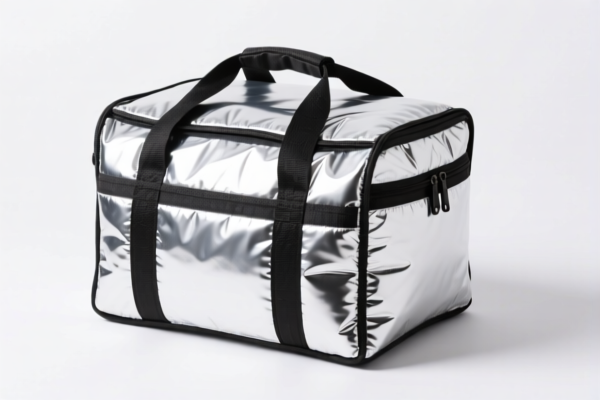
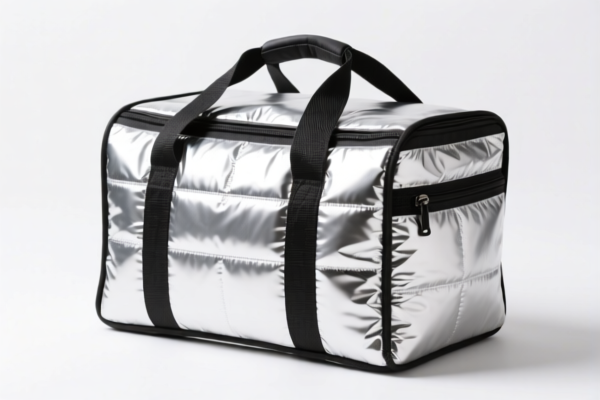
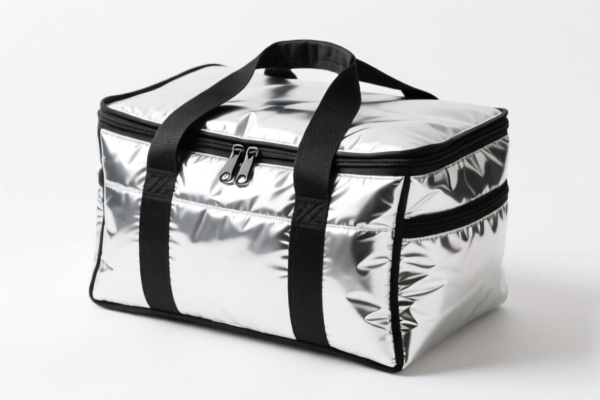
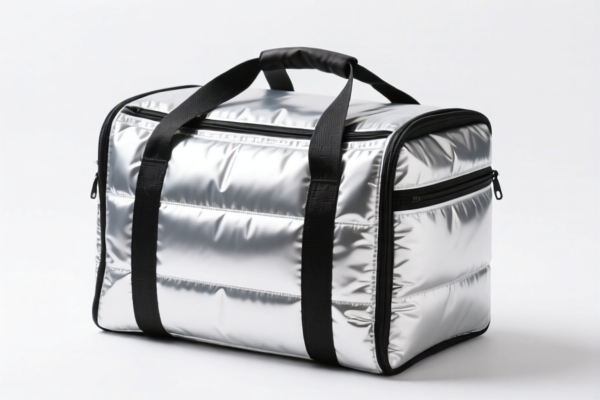
AI分析
🥗 保温食品袋(Food Delivery Insulated Bag)
🌐 HS Code Reference & Customs Clearance Guide | 2026 Tax Rate Full Analysis | Professional Clearance Strategy
📌 I. Product Definition & Classification: What Exactly is an "Insulated Food Bag"?
An insulated food delivery bag is a specialized container designed to maintain the temperature of food items during transport. In international trade, these bags are classified based on their primary material (textile vs. plastic) and structure.
Key Distinction:
Textile Bags: Made primarily of fabrics (cotton, polyester, nylon) with insulation lining (e.g., foam, aluminum). Regulated under Chapter 63 or 42.
Plastic Bags: Made primarily of plastics (PE, PVC, etc.), even if they contain thin aluminum foil layers. Regulated under Chapter 39.
⚠️ Critical Classification Point:
- If the outer surface is textile/fabric → Look at 6307 or 4202.
- If the outer surface is plastic/synthetic sheeting → Look at 3926.
- Note: The presence of aluminum foil for insulation does not automatically make it a "plastic" article if the structural integrity comes from fabric.
📦 II. HS Code Classification Details (2026 Latest Tariff Authority Comparison)
| HS Code | Product Description | Material Basis | Key Characteristics |
|---|---|---|---|
6307.90.98.91 |
Commercial Textile Thermal Food Bags | Textile | General "other made-up articles" category. The catch-all for textile food bags not specifically listed elsewhere. |
4202.92.08.09 |
Insulated Bags with Textile Outer Surface | Textile | Specifically identifies bags with an outer surface of textile materials. Fits the "thermos/flask/bag" usage for food. |
6307.90.89.40 |
Finished Food Bag Consumer Goods | Textile (Cotton/Synthetic) | Classified under "other made-up articles." Assumes cotton or synthetic fiber fabric structure. |
3926.90.33.00 |
Other Plastic Articles | Plastic | Inferred as plastic or synthetic fiber, structured as a food bag. Plastic-heavy construction. |
3926.90.48.00 |
Other Plastic Articles | Plastic/Aluminum | Inferred as plastic, aluminum foil, or synthetic fiber. Common for low-cost, thin-walled insulated bags. |
🔍 Key Reminder:
- Textile vs. Plastic: Customs often disputes this. If the bag feels like a backpack or tote, it’s likely 6307/4202. If it crinkles like a disposable lunch bag, it’s likely 3926.
- Insulation Material: The presence of Styrofoam or aluminum foil inside does not change the outer material classification unless the bag is essentially a rigid plastic container.
💰 III. 2026 Latest Tariff Rate Details (Including Surcharges & Policy Add-ons)
✅ Applicable Country: United States (US)
✅ Country of Origin: China (CN)
✅ Effective Date: Post-2025 tariffs (Current enforcement)
🎯 1. 6307.90.98.91 — Commercial Textile Thermal Food Bags
| Item | Content |
|---|---|
| Base Duty | 7.0% (Ad Valorem) |
| Section 301 Surcharge | 7.5% |
| Section 122 Surcharge | 10.0% (Specific to certain textile/apparel-related items under trade enforcement) |
| Total Effective Rate | 24.5% |
| Calculation | CIF Value × 24.5% |
| De Minimis Eligibility | ❌ NO (Below $800 threshold does not apply to Section 301/122 goods) |
| Legal Basis Path | USITC:6307.90.98.91 → SECTION_301:7.5% → SECTION_122:10% |
📌 Explanation:
- This is a textile-heavy classification.
- The Section 122 (10%) surcharge is critical here, often applied to textile imports under specific trade provisions.
- Total Tax: 24.5%. This is moderate-high, but significantly lower than the plastic alternatives in some cases due to lower Section 301 rates on this specific subheading.
🎯 2. 4202.92.08.09 — Insulated Bags with Textile Outer Surface
| Item | Content |
|---|---|
| Base Duty | 7.0% |
| Section 301 Surcharge | 25.0% (High tariff hit on Chapter 42 articles) |
| Section 122 Surcharge | 10.0% |
| Total Effective Rate | 42.0% |
| Calculation | CIF Value × 42.0% |
| De Minimis Eligibility | ❌ NO |
| Legal Basis Path | USITC:4202.92.08.09 → SECTION_301:25.0% → SECTION_122:10% |
📌 Warning:
- Although the base duty is low (7%), the 25% Section 301 tariff applies heavily to "articles of apparel, clothing accessories, and other made-up goods" in Chapter 42.
- Total Tax: 42.0%. This is the most expensive option for textile-like insulated bags. Avoid this if possible unless the product is distinctly a "handbag/vanity case" type.
🎯 3. 6307.90.89.40 — Finished Food Bag Consumer Goods (Textile)
| Item | Content |
|---|---|
| Base Duty | 7.0% |
| Section 301 Surcharge | 0.0% (Exempt or lower tier for this specific textile subheading) |
| Section 122 Surcharge | 10.0% |
| Total Effective Rate | 17.0% |
| Calculation | CIF Value × 17.0% |
| De Minimis Eligibility | ❌ NO |
| Legal Basis Path | USITC:6307.90.89.40 → SECTION_122:10% |
📌 Advantage:
- This is a strategic classification for textile bags.
- The 0% Section 301 rate makes it very competitive.
- Total Tax: 17.0%. This is likely the best option for high-quality fabric insulated bags if you can justify the "other made-up article" description.
🎯 4. 3926.90.33.00 — Other Plastic Articles (Plastic/Synthetic)
| Item | Content |
|---|---|
| Base Duty | 6.5% |
| Section 301 Surcharge | 0.0% |
| Section 122 Surcharge | 10.0% |
| Total Effective Rate | 16.5% |
| Calculation | CIF Value × 16.5% |
| De Minimis Eligibility | ❌ NO |
| Legal Basis Path | USITC:3926.90.33.00 → SECTION_122:10% |
📌 Note:
- Applies to bags that are predominantly plastic.
- Total Tax: 16.5%. Very similar to Option 3. However, proving "plastic" dominance over "textile" can be tricky if the bag has a thick fabric exterior.
🎯 5. 3926.90.48.00 — Other Plastic Articles (Plastic/Aluminum)
| Item | Content |
|---|---|
| Base Duty | 3.4% |
| Section 301 Surcharge | 0.0% |
| Section 122 Surcharge | 10.0% |
| Total Effective Rate | 13.4% |
| Calculation | CIF Value × 13.4% |
| De Minimis Eligibility | ❌ NO |
| Legal Basis Path | USITC:3926.90.48.00 → SECTION_122:10% |
📌 Best Price Option:
- This is the lowest tax rate (13.4%).
- Typically applies to thin, disposable-style insulated bags or those with significant aluminum foil/plastic lamination.
- Risk: If US Customs determines the bag is actually "textile" (due to fabric straps/lining), they may reclassify it to4202(42%) or6307(17-24.5%), leading to penalties.
🛠️ IV. Customs Clearance Practical Advice (Real-World Pitfall Guide)
✅ 1. Preparation Checklist (Non-Negotiable)
| Document | Required? | Description |
|---|---|---|
| ✅ Product Specifications | ✔️ | Detail materials: "Outer: 600D Polyester, Lining: Aluminum Foam." |
| ✅ Material Composition % | ✔️ | Crucial for 6307 vs. 3926 dispute. e.g., "70% Textile, 30% Plastic." |
| ✅ Product Photos | ✔️ | Show texture, stiffness, and interior lining. |
| ✅ Commercial Invoice | ✔️ | Describe as "Insulated Tote Bag for Food Transport," not "Plastic Bag." |
| ✅ Bill of Lading | ✔️ | Ensure weight/volume matches invoice. |
✅ 2. Declaration Strategy (Key Mantra)
🔥 "Material Dictates Code, Textile Wins if Thick, Plastic Wins if Thin!"
| Scenario | Recommended HS Code | Estimated Tax | Why? |
|---|---|---|---|
| Heavy Fabric Bag (Backpack style, thick straps) | 6307.90.89.40 |
17.0% | Best balance of low Section 301 and high duty. |
| Thin Foil/Lined Bag (Disposal style, crinkly) | 3926.90.48.00 |
13.4% | Lowest tax, but high risk of reclassification if deemed "textile." |
| Premium Insulated Lunch Box (Hard shell, textile exterior) | 4202.92.08.09 |
42.0% | Avoid unless necessary. High tax burden due to Ch 42 Section 301. |
| Generic Fabric Bag (Soft, no hard structure) | 6307.90.98.91 |
24.5% | Safe default for textile, but higher than 6307.89.40. |
✅ 3. Special Handling & Risk Mitigation
| Situation | Advice |
|---|---|
| Mixed Material Bags | If the bag has both fabric and plastic parts, customs may apply the "essential character" rule. Fabric usually wins if it defines the shape. |
| Aluminum Foil Lining | Does not make it a plastic article (3926) if the outer layer is fabric. It remains a textile article. |
| De Minimis ($800) Myth | ❌ Do not rely on De Minimis. Section 301 and Section 122 taxes apply even on small shipments from China. Do not ship via USPS/Express to avoid taxes. |
| Pre-Ruling | For large volumes, request an Binding Ruling from US CBP to lock in the HS Code. |
🌍 V. Global Market Comparison (2026 Update)
| Region | Recommended HS Code | Est. Duty (China Origin) | Key Compliance |
|---|---|---|---|
| 🇺🇸 USA | 6307.90.89.40 or 3926.90.48.00 |
13.4% - 17.0% | Pay attention to Section 122 (10%) |
| 🇨🇳 China | 6307.90 or 3926.90 |
5% - 8% | Standard import duty, no surcharges |
| 🇪🇺 EU | 6307.90 |
4% - 6% | EPR (Extended Producer Responsibility) registration required |
| 🇨🇦 Canada | 6307.90 |
5% - 10% | B3 Form required |
📌 Conclusion:
- The USA is the most expensive market due to Section 122 (10%) and Section 301 (up to 25%) tariffs.
- Option 5 (3926.90.48.00) offers the lowest tax (13.4%) but carries classification risk.
- Option 3 (6307.90.89.40) is the safest "high-quality fabric" option at 17.0%.
📌 VI. Common Mistakes & Pitfalls (Lessons Learned)
❌ Mistake 1: Declaring a fabric bag as "Plastic Bag" (3926) to get 13.4% tax.
👉 Consequence: Customs inspects, sees fabric, reclassifies to 4202 (42%) or 6307 (24.5%), adds penalties and interest.
❌ Mistake 2: Ignoring Section 122 (10%).
👉 Consequence: All these HS codes include a 10% Section 122 surcharge for Chinese textiles/plastics. Forgetting this leads to underpayment.
❌ Mistake 3: Using De Minimis for bulk shipments.
👉 Consequence: Packages held at border, taxes assessed, delays in delivery. Always declare fully.
✅ Correct Approach:
"Insulated Food Carrier Bag, 600D Polyester Outer, Aluminum Foil Inner Lining, Handle Made of Woven Polypropylene."
Use this description to support6307.90.89.40(17.0% tax).
🎯 VII. Conclusion: Professional Declaration Saves Money!
🎯 Remember the Mantra:
🔹 "Fabric? Check 6307. Plastic? Check 3926. Avoid 4202 if you hate taxes!"
🔹 "Section 122 is the Silent Killer: 10% on All Items!"
🔹 "Lowest Tax is 13.4%, but Highest Risk is De Minimis Fraud!"
📌 Pro Tip:
If your bags are manufactured in Vietnam or Mexico, you may qualify for zero Section 301/122 tariffs under USMCA or FTZ rules.
Action Step:
📞 Consult a licensed customs broker.
🚀 Submit product photos and material breakdowns for pre-clearance.
💰 Optimize for6307.90.89.40or3926.90.48.00to minimize costs!
✨ Smart Classification is Your Best Defense Against High Tariffs!
💼 Save 25% on duties by choosing the right HS Code!
用户评价
关于 HS 编码归类
协调制度(HS)是由世界海关组织(WCO)制定的国际贸易商品分类标准。全球 200 多个国家采用 HS 系统作为海关关税、贸易统计和进出口监管的基础。
每个 HS 编码遵循以下层级结构:
- 章(2 位)——商品大类(例如:第 84 章:机器和机械设备)
- 品目(4 位)——章内的更具体分类
- 子目(6 位)——国际通用细分,所有 WCO 成员国统一使用
- 本国细分(8-10 位)——各国自行扩展的细分编码,如美国 HTSUS 10 位编码
正确的 HS 编码归类对于顺利通关、准确缴纳关税和遵守贸易法规至关重要。错误归类可能导致海关延误、多缴关税或罚款。
从CN进口到US时,适用的关税税率可能包括:
- 最惠国(MFN)税率——适用于 WTO 成员国的标准关税税率
- 普通税率——适用于无贸易协定国家
- 贸易救济关税——附加关税,如 301 条款(反倾销)、232 条款(国家安全)或反补贴税
本页内容仅供参考。如需正式归类,请咨询当地海关或持牌报关代理。