Food Processing Machinery
CN → US| HS编码 | 关税税率 | 原产国 | 目的国 | 文档 |
|---|---|---|---|---|
| 8438800000 | 35.0% | CN | US | 官方文档 |
| 8438100090 | 17.5% | CN | US | 官方文档 |
| 8509400040 | 14.2% | CN | US | 官方文档 |
| 8509400015 | 14.2% | CN | US | 官方文档 |
| 8210000000 | 38.7% | CN | US | 官方文档 |
商品图片
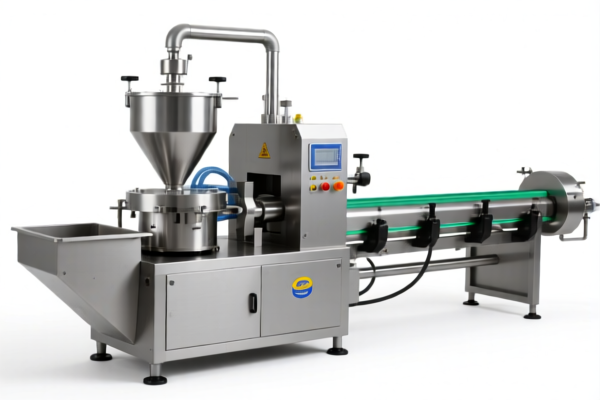
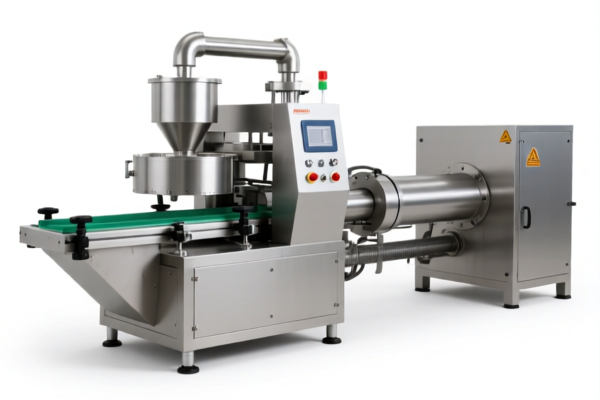
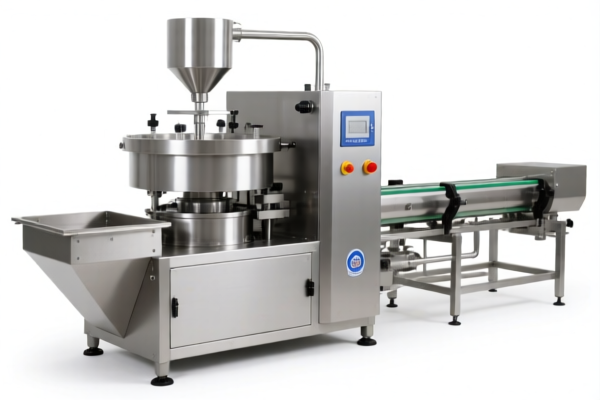
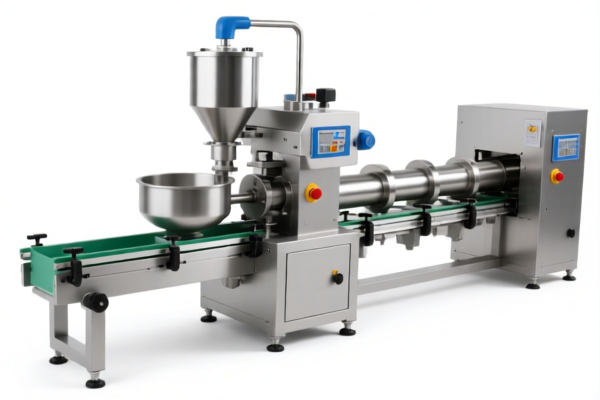
AI分析
🍳 Food Processing Machinery
🌐 HS Code Reference & Customs Clearance Guide | 2026 Latest Tariff Analysis | Professional Entry Strategy
📌 I. Product Definition & Classification: Understanding Industrial & Household Food Machines
Food processing machinery is a broad category encompassing devices used for the preparation, conditioning, or supply of food and beverages. In international trade, classification heavily depends on intended use (Industrial vs. Household) and mechanical nature (Motorized/Powered vs. Manual).
⚠️ Key Distinction Points:
- Industrial Scale: Large-scale machines for factories/processing plants → Usually Chapter 84.
- Household/Small Business: Countertop blenders, mixers, small food processors → Usually Chapter 85.
- Manual/Simple Tools: Hand-operated devices or very small mechanical tools → Usually Chapter 82.
📦 II. HS Code Classification Details (2026 Latest Tariff Authority Match)
Based on the provided data, here are the specific HS Codes and their tax implications for Food Processing Machinery.
| HS Code | Product Description | Applicability Scenario | Total Tax Rate (China Origin to US)* |
|---|---|---|---|
8438.80.00.00 |
Food Processing Machinery: Other industrial machinery for preparing/making food/beverages. | Large Industrial Machines not covered elsewhere (e.g., large mixers, extruders, industrial slicers). | 35.0% |
8438.10.00.90 |
Food Processing Machinery: Other industrial machinery (catch-all clause). | Industrial Machinery that does not fit specific sub-headings but is still for industrial preparation. | 17.5% |
8509.40.00.40 |
Food Processing Machinery: Matches Food Processor usage exactly. | Home Electric Appliances specifically designed as food processors (chopping, mixing). | 14.2% |
8509.40.00.15 |
Food Processing Machinery: Highly matches Processor & Blender usage; Home electrical appliance. | Home Blenders/Mixers. Small countertop units for household use. | 14.2% |
8210.00.00.00 |
Food Processing Machinery: Preparation/conditioning of food/beverages; Manual or small mechanical scope. | Manual Tools or very small hand-held mechanical devices for food prep. | 38.7% |
🔍 Critical Reminder:
- Industrial vs. Home: The difference between8438(Industrial) and8509(Home) is the most critical factor. Misclassifying an industrial machine as home-use can lead to severe penalties or retroactive tax bills.
- Motorized vs. Manual: Machines with built-in motors generally fall under Ch 84/85. Manual tools (even if metal) fall under Ch 82.
💰 III. 2026 Latest Tariff Rate Breakdown (Including Surcharges & Policy Add-ons)
✅ Applicable Country: USA (US)
✅ Country of Origin: China (CN)
✅ Effective Time: Current rates apply as per the provided data.
🎯 1. 8438.80.00.00 —— Industrial Food Machinery (Other)
| Item | Details |
|---|---|
| Base Duty Rate | 0.0% |
| Section 301 Surcharge | 25.0% |
| Section 122 Tariff | 10.0% |
| Total Tax Rate | 35.0% |
| Tax Calculation | CIF Value × 35% |
| De Minimis Exemption | ❌ Not Applicable (High risk, always declare) |
| Legal Basis Path | Base: 0% → Section 301: 25% → Section 122: 10% |
📌 Explanation:
- This is for industrial-grade equipment.
- The total burden is 35%, driven largely by the 25% Section 301 tariff and the additional 10% Section 122 tariff.
🎯 2. 8438.10.00.90 —— Industrial Food Machinery (Catch-all)
| Item | Details |
|---|---|
| Base Duty Rate | 0.0% |
| Section 301 Surcharge | 7.5% |
| Section 122 Tariff | 10.0% |
| Total Tax Rate | 17.5% |
| Tax Calculation | CIF Value × 17.5% |
| De Minimis Exemption | ❌ Not Applicable |
| Legal Basis Path | Base: 0% → Section 301: 7.5% → Section 122: 10% |
📌 Explanation:
- This code applies to industrial machines that don’t fit specific sub-categories.
- It has a lower surcharge (7.5%) compared to8438.80, resulting in a significantly lower total rate of 17.5%. Proper classification here can save massive costs for industrial buyers.
🎯 3. 8509.40.00.40 & 8509.40.00.15 —— Home Food Processors & Blenders
| Item | Details |
|---|---|
| Base Duty Rate | 4.2% |
| Section 301 Surcharge | 0.0% |
| Section 122 Tariff | 10.0% |
| Total Tax Rate | 14.2% |
| Tax Calculation | CIF Value × 14.2% |
| De Minimis Exemption | ❌ Not Applicable (if >$800 value per entry, but subject to high rate) |
| Legal Basis Path | Base: 4.2% → Section 301: 0% → Section 122: 10% |
📌 Explanation:
- These are household electrical appliances.
- They benefit from zero Section 301 surcharge, but still face a 10% Section 122 tariff.
- Total rate is 14.2%, which is the most competitive rate among the options for small-scale/commercial-use units that qualify as "home appliances."
🎯 4. 8210.00.00.00 —— Manual/Small Mechanical Food Tools
| Item | Details |
|---|---|
| Base Duty Rate | 3.7% |
| Section 301 Surcharge | 25.0% |
| Section 122 Tariff | 10.0% |
| Total Tax Rate | 38.7% |
| Tax Calculation | CIF Value × 38.7% |
| De Minimis Exemption | ❌ Not Applicable |
| Legal Basis Path | Base: 3.7% → Section 301: 25% → Section 122: 10% |
📌 Explanation:
- Despite being "small" or "manual," these items are hit hard by the 25% Section 301 tariff.
- This is the highest tax burden (38.7%). Avoid this classification if your item can be classified under Ch 85 (if it has a motor) or Ch 84 (if industrial).
🛠️ IV. Customs Clearance Practical Advice (Real-World Pitfall Guide)
✅ 1. Documentation Checklist (Must-Haves)
| Document | Required | Notes |
|---|---|---|
| ✅ Product Specification Sheet | ✔️ | Must clearly state: Motor HP, Voltage, Capacity (Liters/Kg), Intended Use (Home vs. Industrial). |
| ✅ Product Photos (With Nameplate) | ✔️ | Show labels, power cords, blades, and any industrial certifications. |
| ✅ Commercial Invoice | ✔️ | Description must be precise: e.g., "Electric Food Processor, 500W, For Home Use" vs. "Industrial Food Mixer, 5HP". |
| ✅ Packing List | ✔️ | Detail contents to avoid "unidentified goods" flags. |
| ✅ Certificate of Origin (CO) | ✔️ | Crucial for verifying China origin and applying correct surcharges. |
✅ 2. Classification Strategy (Key Mantra)
🔥 “Motor decides Chapter, Use decides Sub-heading, Precision saves 25%!”
| Scenario | Correct HS Code | Risk of Wrong Classification |
|---|---|---|
| Home Blender (Electric) | 8509.40.00.15 |
Misclassifying as Industrial (8438) → Pay extra 3.3% + scrutiny. |
| Industrial Mixer (Electric) | 8438.80.00.00 or 8438.10.00.90 |
Misclassifying as Home (8509) → 20%+ penalty risk (Tax evasion). |
| Hand-Crank Mincer | 8210.00.00.00 |
No better alternative; accept 38.7% high duty. |
| Large Factory Line | 8438.80.00.00 |
Ensure it’s not classified as parts (8438.90) which may have different duties. |
✅ 3. Special Handling Tips
| Situation | Recommendation |
|---|---|
| OEM Branding | Provide customer orders and design specs. If it’s a "Home Appliance" branded by a store (e.g., Walmart), it still falls under 8509. |
| "Commercial" vs. "Home" Ambiguity | If a machine is used in a cafe (small business), it might still qualify as 8509 if it meets the physical/electrical standards of a home appliance. Consult a customs broker! |
| Components/Spare Parts | Blades, motors, and containers shipped separately have different HS Codes. Do not ship parts of a machine as a single "Food Processor" unit to avoid misclassification. |
🌍 V. Global Market Clearance Comparison (2026 Update)
| Market | Recommended HS Code | Estimated Total Duty (China Origin) | Remarks |
|---|---|---|---|
| 🇺🇸 USA | 8509.40.00.15 |
14.2% | Most favorable for electric home units. |
| 🇺🇸 USA | 8438.80.00.00 |
35.0% | High duty for industrial machinery. |
| 🇨🇳 China | 8438 / 8509 |
~10-13% | Varies by specific sub-heading; no Section 122. |
| 🇪🇺 EU | 8438 / 8509 |
0-6.5% | Generally lower base duties; no Section 301/122 equivalents. |
📌 Conclusion:
- The US market is the most challenging for Chinese-manufactured food machinery due to Section 301 and Section 122 tariffs.
- Home Appliances (8509) are significantly cheaper to clear into the US (14.2%) compared to Industrial Machinery (35.0% or 17.5%).
- If your product is a countertop blender, strongly consider classifying under8509.40.00.15if it meets household specifications.
📌 VI. Common Errors & Pitfalls (Blood & Tears Lessons)
❌ Error 1: Classifying a 5HP Industrial Mixer as a Home Blender (8509)
👉 Consequence: Customs will reject it for misclassification, demand back-taxes (difference between 14.2% and 35%), and impose fines.
👉 Solution: If it’s heavy, industrial-grade, and lacks a standard home power plug, it’s likely 8438.
❌ Error 2: Declaring Electric Appliances as Manual Tools (8210)
👉 Consequence: High duty (38.7%) due to 25% Section 301.
👉 Solution: If it has a plug and a motor, it is NOT a manual tool.
❌ Error 3: Ignoring the 122 Tariff
👉 Consequence: All categories above include a 10% Section 122 tariff. Failing to account for this in pricing models leads to lost profits.
👉 Solution: Always add 10% to your cost calculations for US imports.
🎯 VII. Conclusion: Professional Declaration, Cost Efficiency
🎯 Remember the Mantra:
🔹 "Electric Home?
8509(14.2%). Industrial Big?8438(17.5%-35%). Manual?8210(38.7%).”
🔹 "Don’t mix Home and Industrial—classification saves thousands!”
🔹 "122 Tariff is 10% across the board—budget for it!”
📌 Pro Tip:
If you are exporting high-value industrial machinery, consider applying for a HS Code Pre-Ruling (Advance Ruling) from US Customs (CBP) to confirm if
8438.10.00.90(17.5%) applies instead of8438.80.00.00(35.0%). This could save 17.5% on duty.
📣 Immediate Action:
📞 Contact a Licensed Customs Broker
📄 Provide Product Specs & Photos
🚀 Optimize Classification for Maximum Savings
✨ Professional clearance starts with precise classification!
💼 Every percentage point of duty affects your bottom line.
用户评价
关于 HS 编码归类
协调制度(HS)是由世界海关组织(WCO)制定的国际贸易商品分类标准。全球 200 多个国家采用 HS 系统作为海关关税、贸易统计和进出口监管的基础。
每个 HS 编码遵循以下层级结构:
- 章(2 位)——商品大类(例如:第 84 章:机器和机械设备)
- 品目(4 位)——章内的更具体分类
- 子目(6 位)——国际通用细分,所有 WCO 成员国统一使用
- 本国细分(8-10 位)——各国自行扩展的细分编码,如美国 HTSUS 10 位编码
正确的 HS 编码归类对于顺利通关、准确缴纳关税和遵守贸易法规至关重要。错误归类可能导致海关延误、多缴关税或罚款。
从CN进口到US时,适用的关税税率可能包括:
- 最惠国(MFN)税率——适用于 WTO 成员国的标准关税税率
- 普通税率——适用于无贸易协定国家
- 贸易救济关税——附加关税,如 301 条款(反倾销)、232 条款(国家安全)或反补贴税
本页内容仅供参考。如需正式归类,请咨询当地海关或持牌报关代理。