Food Safety Antigen Antibody Reagents
CN → US| HS编码 | 关税税率 | 原产国 | 目的国 | 文档 |
|---|---|---|---|---|
| 3822190010 | 10.0% | CN | US | 官方文档 |
| 3822190030 | 10.0% | CN | US | 官方文档 |
| 3002130090 | 10.0% | CN | US | 官方文档 |
商品图片
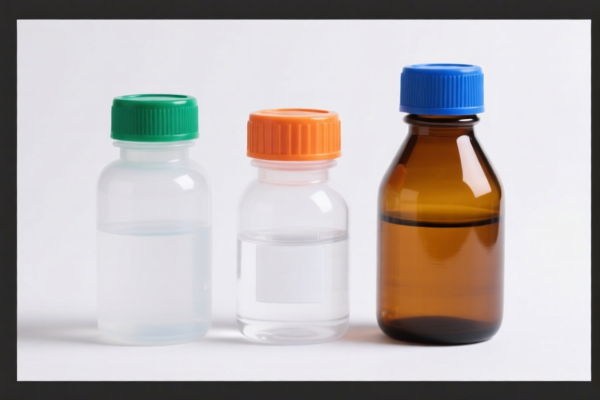
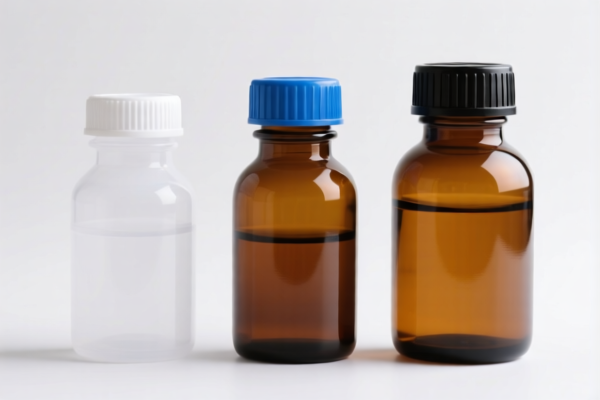
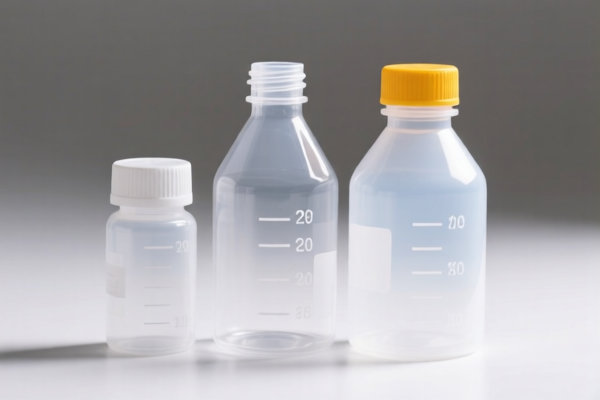
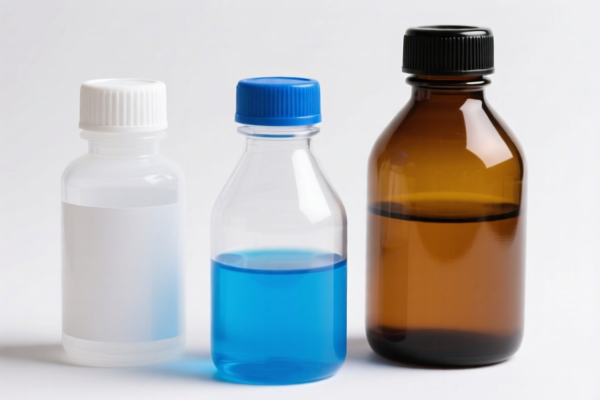
AI分析
🧪 Food Safety Antigen Antibody Reagents (Immunoassays)
🌐 HS Code Reference & Customs Clearance Guide | 2026 Latest Tariff Analysis | Professional Clearance Strategy
📌 1. Product Definition & Classification: Do You Really Understand "Antigen Antibody Reagents"?
In international trade, "Food Safety Antigen Antibody Reagents" are biological products primarily used for diagnostic or laboratory testing purposes. Their core function is to detect specific antigens or antibodies related to food safety issues (e.g., pesticide residues, veterinary drugs, pathogens).
According to the provided data, these reagents are classified into three specific HS Codes based on their material characteristics and specific application scope. It is crucial to distinguish between general immunological products and those specifically tailored for food safety or containing specific antiserum/antigen compositions.
⚠️ Key Distinction Point:
- If the product is a general immunological product (excluding monoclonal antibodies), it may fall under 3002.13.00.90.
- If the product is specifically designed for food safety detection and contains antigens or antiserum, it must be classified under 3822.19.00.10 or 3822.19.00.30.
- Misclassification can lead to significant tax discrepancies or customs delays.
📦 2. HS Code Classification Details (2026 Latest Tariff Authority Comparison)
| HS Code | Product Description | Applicable Scenario | Key Characteristics |
|---|---|---|---|
3822.19.00.10 |
Antigen-antibody reagents for food safety fields | Food safety testing, lab diagnostics | Contains antigen or antiserum; specific to food safety |
3822.19.00.30 |
Antigen-antibody reagents for food safety detection | Food safety detection, lab diagnostics | Contains antigen or antiserum; diagnostic/lab reagent scope |
3002.13.00.90 |
Antigen reagents in the field of immunology | Immunology testing, non-monoclonal | Immunological product; excludes monoclonal antibodies |
🔍 Important Reminder:
- All reagents explicitly mentioned as "Food Safety Antigen Antibody Reagents" should primarily be evaluated under 3822.19.00.10 or 3822.19.00.30.
- The distinction between.10and.30often lies in specific material features or sub-category definitions within the food safety diagnostic scope.
-3002.13.00.90is a broader category for immunological products but does not specifically highlight "food safety" or "antiserum/antigen" material features in the same way as the 3822 codes.
💰 3. 2026 Latest Tariff Rate Details (Including Surtaxes, Policy Additions)
✅ Applicable Country: United States (US)
✅ Origin: China (CN)
✅ Effective Time: 2025 November 10 onwards (including subsequent imports)
🎯 1. 3822.19.00.10 —— Antigen-Antibody Reagents for Food Safety
| Item | Content |
|---|---|
| Base Tariff | 0.0% (ad valorem) |
| Section 301 Surtax | 0.0% |
| Section 122 Tariff | +10% |
| Total Tariff | 10.0% |
| Tax Calculation | CIF Value × 10% |
| De Minimis Eligibility | ❌ Not specified in data (assume standard rules apply, but surtaxes often restrict benefits) |
| Legal Basis Path | Tariff: 3822.19.00.10 → Section 122: 10% |
📌 Explanation:
- The base tariff is 0%, and there is no Section 301 surtax (0%).
- However, a specific Section 122 tariff of 10% applies. This is a unique surtax provision.
- Total Rate: 10%. This is relatively low compared to many other Chinese-origin goods, but still requires accurate declaration to avoid misclassification into higher-tariff categories.
🎯 2. 3822.19.00.30 —— Antigen-Antibody Reagents for Food Safety Detection
| Item | Content |
|---|---|
| Base Tariff | 0.0% |
| Section 301 Surtax | 0.0% |
| Section 122 Tariff | +10% |
| Total Tariff | 10.0% |
| Tax Calculation | CIF Value × 10% |
| De Minimis Eligibility | ❌ Not specified in data |
| Legal Basis Path | Tariff: 3822.19.00.30 → Section 122: 10% |
📌 Note:
- Identical tariff structure to3822.19.00.10.
- Both codes fall under the diagnostic or laboratory reagent scope with antigen or antiserum material features.
- The key is to ensure the product documentation explicitly states "Food Safety" application to justify these codes.
🎯 3. 3002.13.00.90 —— Antigen Reagents in the Field of Immunology
| Item | Content |
|---|---|
| Base Tariff | 0.0% |
| Section 301 Surtax | 0.0% |
| Section 122 Tariff | +10% |
| Total Tariff | 10.0% |
| Tax Calculation | CIF Value × 10% |
| De Minimis Eligibility | ❌ Not specified in data |
| Legal Basis Path | Tariff: 3002.13.00.90 → Section 122: 10% |
📌 Caution:
- While the tax rate is the same (10%), this code is for general immunological products excluding monoclonal antibodies.
- If the product is specifically for food safety, using this code might be considered less accurate than 3822.19 codes, potentially raising questions during customs inspection regarding the product's intended use.
🛠️ 4. Customs Clearance Practical Advice (Practical Pitfall Avoidance Guide)
✅ 1. Required Documentation Checklist (None Can Be Missing)
| Document | Mandatory? | Explanation |
|---|---|---|
| ✅ Product Specification Sheet | ✔️ | Must specify "Antigen/Antibody" composition and "Food Safety" application. |
| ✅ Material Safety Data Sheet (MSDS) | ✔️ | For biological reagents, especially those containing antiserum. |
| ✅ Product Photos (with Label) | ✔️ | Clear display of model, brand, and usage instructions. |
| ✅ Third-Party Test Report | ✔️ | Certifications from recognized labs (if applicable). |
| ✅ Commercial Invoice | ✔️ | Must clearly state "Antigen Antibody Reagents for Food Safety" or "Immunological Reagents". |
| ✅ Packing List | ✔️ | Detail contents to avoid confusion with other lab supplies. |
| ✅ Declaration of Non-Monoclonal | ✔️ | If using 3002.13.00.90, explicitly state it is not monoclonal. |
✅ 2. Declaration Tips (Key Mantra)
🔥 "Specify Use, Highlight Material, Avoid Ambiguity!"
| Situation | Correct Declaration | Wrong Practice |
|---|---|---|
| Reagents for food safety testing | 3822.19.00.10 or .30 |
Declaring as "General Lab Chemicals" → Higher risk, unclear usage |
| General immunological reagent (non-food) | 3002.13.00.90 |
Declaring as "Food Safety Reagent" → Misclassification |
| Monoclonal Antibodies | Not Covered in Data | Declaring as 3002.13.00.90 → Rejection (Excluded in description) |
| Reagents without antigen/antiserum | Different HS Code | Using 3822 codes |
✅ 3. Special Case Handling
| Situation | Handling Advice |
|---|---|
| Dual-Use Reagents (Food Safety & General Lab) | Prefer 3822.19 codes if food safety is a primary function; provide detailed usage instructions. |
| Mixed Shipments (Food Safety & Other Lab Items) | Separate Declarations. Do not combine food safety reagents with other lab chemicals to ensure accurate tax application. |
| Biological Origin Products | Ensure compliance with CDC/FDA regulations for biological materials in addition to customs clearance. |
🌍 5. Global Market Customs Comparison (2026 Latest)
| Country/Region | Recommended HS Code | Tariff Rate | Certification Requirements | Notes |
|---|---|---|---|---|
| 🇺🇸 USA | 3822.19.00.10 / .30 |
10% (Section 122) | FDA/CDC Guidelines | No Section 301 surtax for these codes |
| 🇨🇳 China | 3822.19.00.10 / .30 |
Varies | N/A | Import duties apply |
| 🇪🇺 EU | 3822.90 (General) |
Varies | CE/REACH | Different classification system |
| 🇯🇵 Japan | 3822.00 (General) |
Varies | PSE (if applicable) | Different classification system |
📌 Conclusion:
- The USA imposes a 10% Section 122 tariff but no Section 301 surtax for these specific reagent codes.
- This is a favorable rate compared to many other Chinese-origin goods.
- Accurate declaration of "Food Safety" purpose is critical to justify the use of3822.19codes.
📌 6. Common Errors & Pitfall Guide (Blood and Tears Lessons)
❌ Error 1: Declaring "Antigen Antibody Reagents" as generic "Laboratory Chemicals"
👉 Consequence: Risk of misclassification, potential audits, or delays.
❌ Error 2: Using 3002.13.00.90 for products explicitly labeled "Food Safety"
👉 Consequence: Customs may question the accuracy, though the tax rate is the same. Best to use specific food safety codes.
❌ Error 3: Including Monoclonal Antibodies under 3002.13.00.90
👉 Consequence: Rejection. The data explicitly states "excluding monoclonal antibodies."
❌ Error 4: Not specifying "Antigen/Antiserum" content in documentation
👉 Consequence: Customs may classify under general diagnostic reagents with different tax rates.
✅ Correct Approach:
"Food Safety Diagnostic Kit: Antigen-Antibody Reagents (Antiserum), for Pesticide Residue Detection, Model XYZ, Contains Antigens"
🎯 7. Conclusion: Professional Declaration, Time-Saving, Cost-Effective!
🎯 Remember the Mantra:
🔹 "Food Safety + Antigen/Antiserum = 3822.19 (10%)"
🔹 "General Immunology (No Mono) = 3002.13 (10%)"
🔹 "Monoclonal = Exclude from 3002.13!"
📌 Tips:
- Ensure all product labels and documentation explicitly mention "Food Safety" to support the use of 3822.19.00.10 or .30.
- Verify that the reagents do not contain monoclonal antibodies if declaring under 3002.13.00.90.
- Consult with a customs broker to confirm the latest regulatory requirements for biological reagents.
📣 Immediate Action:
📞 Contact a licensed customs broker + Provide product specs + Verify biological compliance
🚀 Ensure smooth clearance, efficient export, and maximize profit!
✨ Professional clearance starts with accurate classification!
💼 Every cent of your cost deserves precise calculation!
用户评价
关于 HS 编码归类
协调制度(HS)是由世界海关组织(WCO)制定的国际贸易商品分类标准。全球 200 多个国家采用 HS 系统作为海关关税、贸易统计和进出口监管的基础。
每个 HS 编码遵循以下层级结构:
- 章(2 位)——商品大类(例如:第 84 章:机器和机械设备)
- 品目(4 位)——章内的更具体分类
- 子目(6 位)——国际通用细分,所有 WCO 成员国统一使用
- 本国细分(8-10 位)——各国自行扩展的细分编码,如美国 HTSUS 10 位编码
正确的 HS 编码归类对于顺利通关、准确缴纳关税和遵守贸易法规至关重要。错误归类可能导致海关延误、多缴关税或罚款。
从CN进口到US时,适用的关税税率可能包括:
- 最惠国(MFN)税率——适用于 WTO 成员国的标准关税税率
- 普通税率——适用于无贸易协定国家
- 贸易救济关税——附加关税,如 301 条款(反倾销)、232 条款(国家安全)或反补贴税
本页内容仅供参考。如需正式归类,请咨询当地海关或持牌报关代理。