Food grade Cork Stopper
CN → US| HS编码 | 关税税率 | 原产国 | 目的国 | 文档 |
|---|---|---|---|---|
| 4504104700 | 35.0% | CN | US | 官方文档 |
| 4503106000 | 35.0% | CN | US | 官方文档 |
| 3926909989 | 22.8% | CN | US | 官方文档 |
| 4503102000 | 35.0% | CN | US | 官方文档 |
| 4503106000 | 35.0% | CN | US | 官方文档 |
商品图片
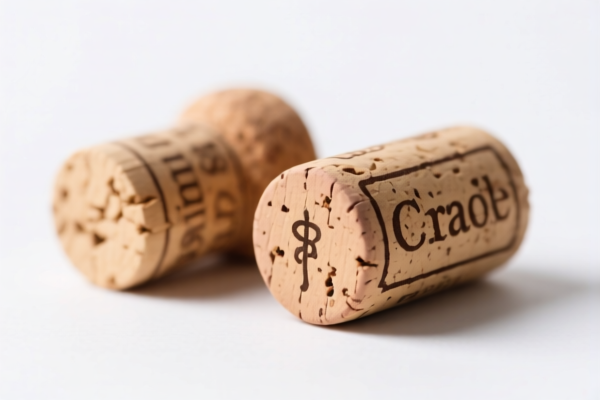
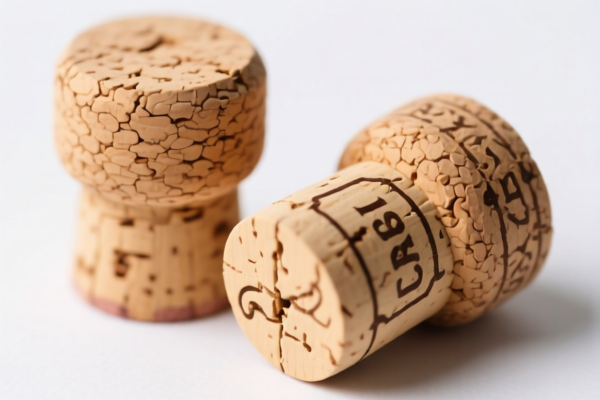
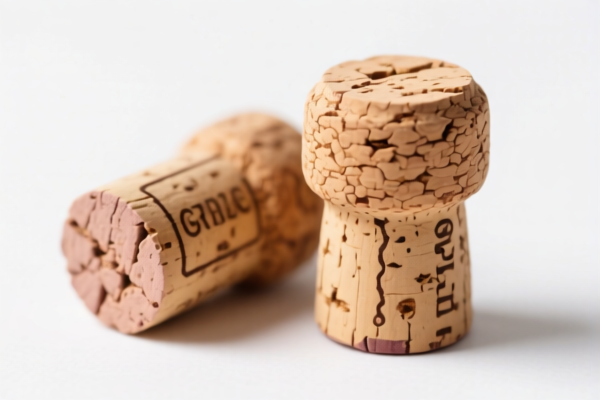
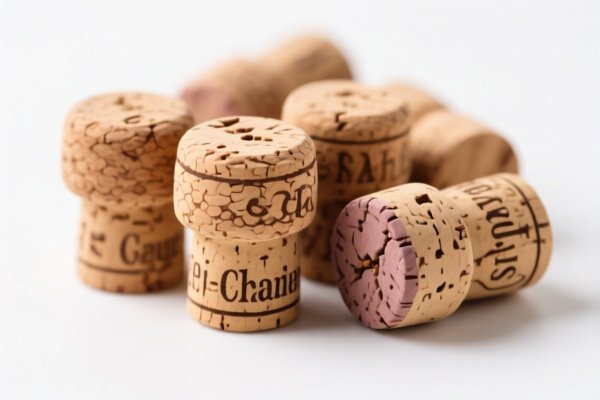
AI分析
🍷 Food Grade Cork Stopper (Softwood Plugs)
🌐 HS Code Reference & Customs Clearance Guide | 2026 Latest Tariff Analysis | Professional Compliance Strategy
📌 I. Product Definition & Classification: What is a "Food Grade Cork Stopper"?
A Food Grade Cork Stopper is a closure device made primarily from the bark of the Quercus suber (Cork Oak tree). In international trade, its classification depends heavily on the material purity and intended use.
1. Pure Natural Cork Plugs: Made entirely or predominantly from natural cork. These fall under Chapter 45.
2. Composite/Medical Plugs: If mixed with plastic, synthetic polymers, or used for pharmaceutical purposes, they may fall under Chapter 39 or specific subheadings within Chapter 45.
⚠️ Key Distinction Point:
- If the product is pure natural cork used for sealing bottles (wine, spirits, etc.) →归类 to 4503.10
- If the product is a composite material (e.g., cork + plastic binding agent) and does not meet the "pure cork" definition →归类 to 3926.90
- Note on "Food Grade": This is a regulatory status, not a tariff classification driver. Customs looks at the material composition, not just the certification.
📦 II. HS Code Classification Details (Based on Provided Data)
| HS Code | Product Description | Material/Use | Total Tax Rate |
|---|---|---|---|
4503.10.47.00 |
Cork stoppers, matched material is cork, form is plug | Pure Cork, Beverage/Food Sealing | 35.0% |
4503.10.60.00 |
Cork stoppers, matched material is cork, use is stopper | Pure Cork, General/Pharmaceutical Sealing | 35.0% |
3926.90.99.89 |
Inferred as Cork/Plastic Composite, fits "other articles of plastics and other materials" | Composite (Cork + Plastic), Non-pure | 22.8% |
4503.10.20.00 |
Pharmaceutical Cork Stoppers, material is cork, form is plug | Pure Cork, Medical/Pharma Use | 35.0% |
4503.10.60.00 |
Pharmaceutical Cork Stoppers, material is cork, form is plug | Pure Cork, Medical/Pharma Use (Duplicate Entry) | 35.0% |
🔍 Critical Insight:
- Pure Cork products attract a 35% total tariff.
- Composite Cork/Plastic products may be classified under 3926.90.99.89 with a lower rate of 22.8%, but this requires proving the item is primarily a plastic article or composite, not pure cork.
- Misclassifying a pure cork stopper as a composite (to save ~12.2% tax) is a high-risk customs violation.
💰 III. 2026 Latest Tariff Rate Breakdown (Detailed Policy Additions)
✅ Applicable Country: United States (US)
✅ Origin: China (CN)
✅ Effective Date: From Nov 10, 2025 (and subsequent imports)
🎯 1. 4503.10.47.00 / 4503.10.60.00 / 4503.10.20.00 —— Pure Cork Stoppers
| Item | Content |
|---|---|
| Base Tariff | 0.0% (Most Favored Nation rate for cork products) |
| Section 301 Surcharge | +25.0% (USITC Footnote related to Chinese imports) |
| Section 122 Tariff | +10.0% (Specific clause for certain Chinese goods) |
| Total Effective Rate | 35.0% |
| Calculation Basis | CIF Value × 35% |
| De Minimis Eligibility | ❌ NO (High value threshold; likely denied de minimis due to total rate) |
| Legal Basis Path | USITC:4503.10 → Section 301: +25% → Section 122: +10% |
📌 Explanation:
- Although the base tariff is 0%, the add-on tariffs (301 + 122) total 35%.
- This makes pure cork stoppers expensive for US importers.
- Crucial: Even though the base is low, the final cost is high. Do not assume "0% tariff" means "cheap clearance."
🎯 2. 3926.90.99.89 —— Cork/Plastic Composite Articles
| Item | Content |
|---|---|
| Base Tariff | 5.3% |
| Section 301 Surcharge | +7.5% |
| Section 122 Tariff | +10.0% |
| Total Effective Rate | 22.8% |
| Calculation Basis | CIF Value × 22.8% |
| De Minimis Eligibility | ❌ NO (High rate typically disqualifies de minimis) |
| Legal Basis Path | USITC:3926.90 → Section 301: +7.5% → Section 122: +10% |
📌 Explanation:
- This classification applies only if the product is legally defined as a "plastic article" or composite that doesn't meet the definition of pure cork.
- Savings: 12.2% lower than pure cork.
- Risk: If customs inspects and finds it's 95%+ pure cork, they will reclassify to 4503.10, backdate the 35% tax, and impose penalties.
🛠️ IV. Customs Clearance Practical Advice (Risk Mitigation Guide)
✅ 1. Documentation Checklist (Mandatory)
| Document | Required | Purpose |
|---|---|---|
| ✅ Material Composition Statement | ✔️ | Must explicitly state % of natural cork vs. plastic/adhesives. Critical for choosing 4503 vs. 3926. |
| ✅ Food Grade Certification | ✔️ | FDA compliance, EU Regulation 1935/2004. Proves "food grade" status (doesn't change HS, but required for entry). |
| ✅ Product Photos | ✔️ | Show texture, cross-section (if composite), and packaging. |
| ✅ Commercial Invoice | ✔️ | Clearly describe as "Natural Cork Stopper" or "Composite Cork Plug." Avoid vague terms like "Bottle Cap." |
| ✅ Packing List | ✔️ | Weight and quantity details. |
| ✅ Origin Certificate | ✔️ | To confirm CN origin (triggers 301/122). |
✅ 2. Classification Strategy & Tips
🔥 "Pure Cork = 4503, Composite = 3926. Be Honest, Be Accurate!"
| Scenario | Recommended HS Code | Risk |
|---|---|---|
| 100% Natural Cork (e.g., wine stoppers) | 4503.10.47.00 or 4503.10.60.00 |
Safe. 35% tax is unavoidable. |
| Pharma Grade Pure Cork | 4503.10.20.00 |
Safe. 35% tax. |
| Cork + Plastic Binder (e.g., mushroom shape with plastic core) | 3926.90.99.89 |
High Risk. Must provide proof of composite nature. If challenged, face back-taxes. |
| Agglomerated Cork (Cork dust + binder) | Consult Expert | Often still falls under 4503 if cork content is dominant. |
✅ 3. Common Mistakes to Avoid
❌ Mistake 1: Claiming "Food Grade" changes the HS Code.
👉 Reality: No. "Food Grade" is a safety standard, not a material classification. It does not lower tariffs.
❌ Mistake 2: Misclassifying pure cork as "Plastic Articles" (3926) to save tax.
👉 Consequence: Customs audit → Repatriation or Back-tariffs (35% - 22.8% = 12.2% difference + penalties).
❌ Mistake 3: Ignoring Section 122.
👉 Reality: Section 122 adds 10% regardless of base tariff. Do not calculate tax without it.
🌍 V. Global Market Comparison (2026)
| Country/Region | Recommended HS Code | Estimated Duty | Notes |
|---|---|---|---|
| 🇺🇸 USA | 4503.10.xxxx |
35.0% | High due to 301 + 122 tariffs. |
| 🇨🇳 China | 4503.10 |
~0-5% | No Section 301/122. Low duty. |
| 🇪🇺 EU | 4503.90 |
~3-4% | No punitive tariffs. CE/Food safety certs required. |
| 🇯🇵 Japan | 4503.90 |
~3-5% | Stable tariffs. |
📌 Conclusion:
- The US market is the most expensive for Chinese-origin cork stoppers due to 35% effective duty.
- Strategy: Consider sourcing from non-China origins (e.g., Portugal, Spain) if possible, or factor the 35% into pricing.
📌 VI. Final Recommendations
- Verify Composition: If you are importing composite corks, ensure you have technical data proving they are not "pure cork" to justify
3926.90.99.89(22.8%). - Budget for Taxes: If using pure cork (
4503), budget for 35% total duty. - Pre-Ruling: For large shipments, consider applying for an Advance Ruling from US Customs (CBP) to confirm the HS Code classification and avoid surprises.
- Documentation: Keep FDA Compliance Documents ready, as food-grade products are subject to FSVP (Foreign Supplier Verification Program) requirements in the US.
🎯 Remember:
🔹 "Cork is Cork, but Composite is Different."
🔹 "35% is the Price of Pure Cork in the US."
🔹 "De Minimis is NOT your friend for Cork Stopper Imports."
📣 Action Step:
📞 Consult your customs broker with material composition sheets.
📄 Ensure Food Grade Certificates are up-to-date.
💰 Calculate landed cost including 35% duty before finalizing orders.
✨ Professional Clearance, Start with Accurate Classification!
💼 Every Percent of Duty Matters!
用户评价
关于 HS 编码归类
协调制度(HS)是由世界海关组织(WCO)制定的国际贸易商品分类标准。全球 200 多个国家采用 HS 系统作为海关关税、贸易统计和进出口监管的基础。
每个 HS 编码遵循以下层级结构:
- 章(2 位)——商品大类(例如:第 84 章:机器和机械设备)
- 品目(4 位)——章内的更具体分类
- 子目(6 位)——国际通用细分,所有 WCO 成员国统一使用
- 本国细分(8-10 位)——各国自行扩展的细分编码,如美国 HTSUS 10 位编码
正确的 HS 编码归类对于顺利通关、准确缴纳关税和遵守贸易法规至关重要。错误归类可能导致海关延误、多缴关税或罚款。
从CN进口到US时,适用的关税税率可能包括:
- 最惠国(MFN)税率——适用于 WTO 成员国的标准关税税率
- 普通税率——适用于无贸易协定国家
- 贸易救济关税——附加关税,如 301 条款(反倾销)、232 条款(国家安全)或反补贴税
本页内容仅供参考。如需正式归类,请咨询当地海关或持牌报关代理。