Foot Pad Black
CN → US| HS编码 | 关税税率 | 原产国 | 目的国 | 文档 |
|---|---|---|---|---|
| 5703292090 | 41.7% | CN | US | 官方文档 |
| 4016910000 | 37.7% | CN | US | 官方文档 |
| 4016990500 | 20.9% | CN | US | 官方文档 |
| 5703392090 | 41.0% | CN | US | 官方文档 |
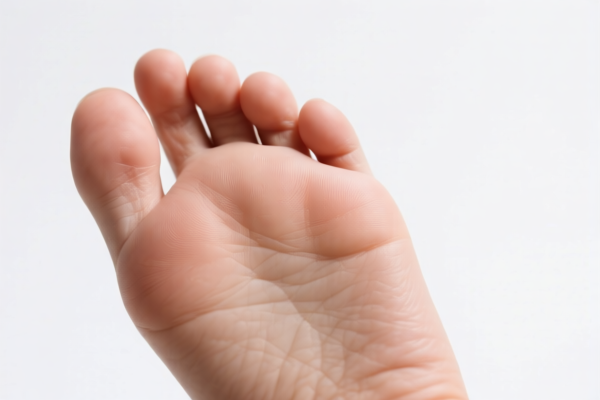
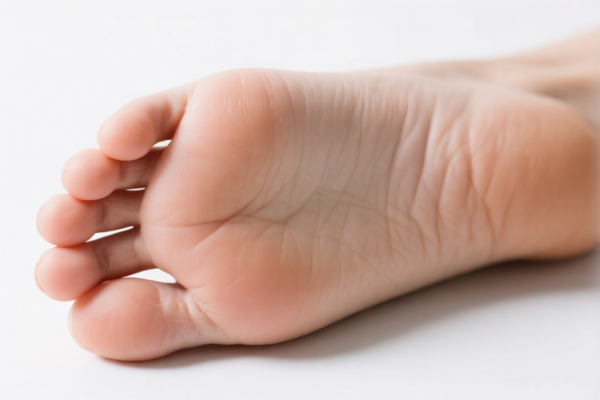
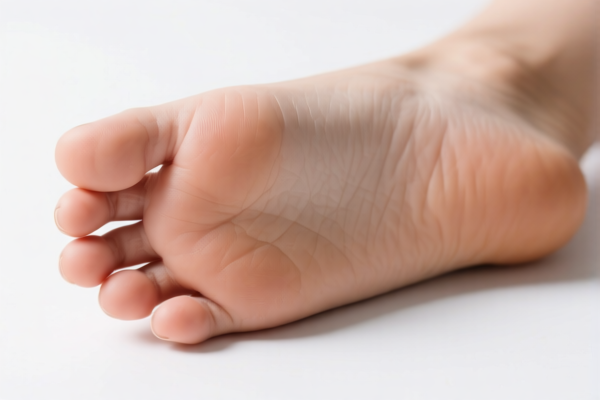
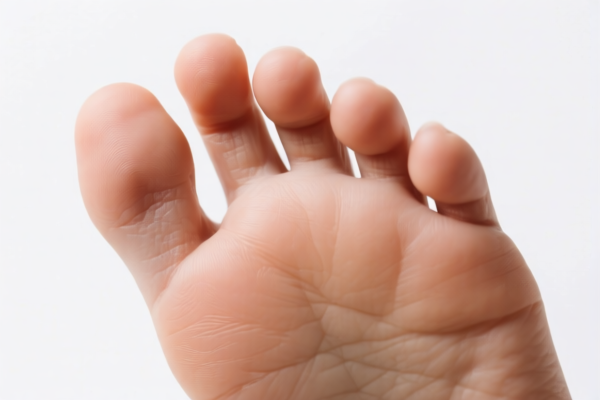
商品图片
AI分析
🧷 Foot Pad (Black) – Comprehensive HS Code & Tariff Guide (2026 Update)
🌐 HS Code Classification & Customs Clearance Strategy | 2026 Latest Tariff Rules | Pro-Level Import Planning
📌 One Product, Multiple Classifications – Why This Matters for Your Bottom Line
A black foot pad may seem simple — but in international trade, its HS Code classification determines whether you pay 20.9% or 41.7% in tariffs. Misclassify it, and you risk delays, penalties, or even seizure.
This guide breaks down four possible HS Codes for black foot pads based on material, form, and intended use — with full tariff breakdowns, legal references, and real-world clearance tips.
⚠️ Critical Insight:
- Material (PVC, rubber, nylon, plastic) → Drives HS Code choice
- Form (carpet-like, pad-like, molded) → Determines classification
- Use Case (car, home, industrial) → Impacts duty rate
- U.S. Trade Policies → Add 25% + 10% extra taxes on Chinese-origin goods
📦 二、HS Code Classification Breakdown (2026 U.S. Tariff Authority)
| HS Code | Product Description | Material Clue | Use Case | Key Differentiator |
|---|---|---|---|---|
5703.29.20.90 |
Other floor coverings (non-woven), not knitted or felted | Polymer (PVC, rubber, nylon) | Car, home, office | Carpet-like structure |
4016.91.00.00 |
Other rubber or plastic floor mats, not specified | Vulcanized rubber or plastic | Car, garage, industrial | Molded or sheet-like |
4016.99.05.00 |
Other rubber or plastic articles, not elsewhere specified | Rubber-based | Home, vehicle | Generic "other" category |
5703.39.20.90 |
Other floor coverings, made of plastic or artificial textile | Plastic or synthetic fiber | Car, home, industrial | Textile-like appearance |
🔍 Why So Many Options?
The same black foot pad can be classified differently depending on how it’s made, how it looks, and where it’s used.
Example:
- A PVC-backed, non-woven fabric pad →5703.29.20.90
- A solid rubber mat with molded edges →4016.91.00.00
- A simple rubber sheet with no design →4016.99.05.00
- A nylon fiber mat with stitched edges →5703.39.20.90
💰 三、2026 U.S. Tariff Breakdown (With Full Legal Justification)
✅ Applicable Country: United States (US)
✅ Origin: China (CN)
✅ Effective Date: November 10, 2025 (and ongoing)
✅ Key Laws: IEEPA, USITC Section 301, U.S. Tariff Schedule
🎯 1. 5703.29.20.90 – Floor Coverings (Polymer-Based, Carpet-Like)
| Item | Detail |
|---|---|
| Base Duty | 6.7% (ad valorem) |
| USITC Section 301 Tariff | +25.0% |
| IEEPA Emergency Tariff (Section 122) | +10.0% |
| Total Effective Duty | 41.7% |
| Tax Calculation | CIF Value × 41.7% |
| De Minimis Exemption | ❌ Not applicable (denied) |
| Legal Basis Path | IEEPA:9903.01.25 → IEEPA:9903.01.24 → USITC:5703.29.20.90 → FOOTNOTE:9903.88.01 |
📌 Explanation:
- This code applies to non-woven, polymer-based floor coverings that resemble carpets or rugs.
- Even if used as a car foot mat, if it has a textile-like structure, this code applies.
- The 25% + 10% add-ons are mandatory for Chinese-origin goods under U.S. trade law.
🎯 2. 4016.91.00.00 – Rubber or Plastic Floor Mats (Molded/Sheet Form)
| Item | Detail |
|---|---|
| Base Duty | 2.7% |
| USITC Section 301 Tariff | +25.0% |
| IEEPA Emergency Tariff (Section 122) | +10.0% |
| Total Effective Duty | 37.7% |
| Tax Calculation | CIF Value × 37.7% |
| De Minimis Exemption | ❌ Not applicable |
| Legal Basis Path | IEEPA:9901.25 → IEEPA:9903.01.24 → USITC:4016.91.00.00 → FOOTNOTE:9903.88.01 |
📌 Explanation:
- Applies to solid rubber or plastic mats — often molded, sheet-like, or shaped.
- Common for car foot mats, garage mats, industrial mats.
- Despite low base rate (2.7%), the 25% + 10% push it to 37.7% — still very high.
🎯 3. 4016.99.05.00 – Other Rubber or Plastic Articles (Generic)
| Item | Detail |
|---|---|
| Base Duty | 3.4% |
| USITC Section 301 Tariff | +7.5% |
| IEEPA Emergency Tariff (Section 122) | +10.0% |
| Total Effective Duty | 20.9% |
| Tax Calculation | CIF Value × 20.9% |
| De Minimis Exemption | ✅ Applicable (if value ≤ $800) |
| Legal Basis Path | IEEPA:9901.25 → IEEPA:9903.01.24 → USITC:4016.99.05.00 → FOOTNOTE:9903.88.01 |
📌 Explanation:
- Used for simple rubber or plastic items not covered elsewhere.
- Often applies to plain rubber sheets, basic mats without design or structure.
- Lower tariff because USITC 301 tariff is reduced to 7.5% (vs. 25%) — likely due to lower perceived risk.
- De Minimis applies — great for small shipments under $800!
🎯 4. 5703.39.20.90 – Floor Coverings (Plastic or Artificial Textile)
| Item | Detail |
|---|---|
| Base Duty | 6.0% |
| USITC Section 301 Tariff | +25.0% |
| IEEPA Emergency Tariff (Section 122) | +10.0% |
| Total Effective Duty | 41.0% |
| Tax Calculation | CIF Value × 41.0% |
| De Minimis Exemption | ❌ Not applicable |
| Legal Basis Path | IEEPA:9903.01.25 → IEEPA:9903.01.24 → USITC:5703.39.20.90 → FOOTNOTE:9903.88.01 |
📌 Explanation:
- Applies to plastic or synthetic fiber mats that look like textiles but are not woven.
- Common for car foot mats with a "fabric" appearance but made from non-woven plastic.
- Highest tariff among all — 41.0% — due to 25% + 10% add-ons.
🛠️ 四、Customs Clearance Best Practices (Pro Tips)
✅ 1. Critical Documentation Checklist
| Document | Required? | Why It Matters |
|---|---|---|
| ✅ Product Photos (360°, close-up, label) | ✔️ | Shows material, structure, and design |
| ✅ Material Safety Data Sheet (MSDS) | ✔️ | Confirms PVC, rubber, or plastic content |
| ✅ Technical Specs (thickness, size, weight) | ✔️ | Helps determine if it's "carpet-like" or "molded" |
| ✅ Commercial Invoice | ✔️ | Must state "Black Foot Pad, Car Use, PVC/Rubber" |
| ✅ Bill of Lading | ✔️ | Proves shipment origin and route |
| ✅ Certificate of Origin (CO) | ✔️ | If from Vietnam/Mexico, may reduce tariffs |
| ✅ Test Report (RoHS, REACH, UL) | ✔️ | Avoids rejection for hazardous materials |
✅ 2.申报技巧(Key Rules to Avoid Penalties)
🔥 "Material First, Form Second, Use Last" — The Golden Rule of Foot Pad Classification
| Scenario | Correct HS Code | Common Mistake |
|---|---|---|
| PVC mat with non-woven fabric backing | 5703.29.20.90 |
Wrong: 4016.91.00.00 |
| Solid rubber mat with molded edges | 4016.91.00.00 |
Wrong: 5703.29.20.90 |
| Plain rubber sheet, no design | 4016.99.05.00 |
Wrong: 4016.91.00.00 |
| Plastic mat with textile-like surface | 5703.39.20.90 |
Wrong: 4016.99.05.00 |
✅ Pro Tip:
- Use "non-woven", "molded", "sheet-like", "textile-like" in your invoice description.
- Example:"Black PVC Foot Pad, Non-Woven Fabric Backing, Car Use, 20x30cm, Molded Edges"
✅ 3. Special Cases & Risk Mitigation
| Situation | Recommended Action |
|---|---|
| Shipment under $800 | Use 4016.99.05.00 → De Minimis applies → No duty |
| Shipment from Vietnam/Mexico | Apply for CO → May qualify for 0% or lower tariff |
| Custom-designed foot pad | Submit pre-ruling request (Advance Ruling) to lock in HS Code |
| High-volume shipments | Consider relocating production to non-China country to avoid 301+IEEPA tariffs |
🌍 五、Global Market Comparison (2026)
| Country | Recommended HS Code | Duty Rate | Certification | Notes |
|---|---|---|---|---|
| 🇺🇸 USA | 5703.29.20.90 / 4016.91.00.00 |
37.7%–41.7% | FCC, RoHS | High risk – 25% + 10% tariffs |
| 🇨🇳 China | 5703.29.20.90 |
5% | CCC | No extra tariffs |
| 🇪🇺 EU | 5703.29.20.90 |
0% (if CE) | CE | No 301/IEEPA |
| 🇦🇺 Australia | 4016.91.00.00 |
5% | RCM | No extra tariffs |
| 🇯🇵 Japan | 4016.91.00.00 |
0% | PSE | No extra tariffs |
📌 Takeaway:
- The U.S. is the only market with 25% + 10% add-ons on Chinese goods.
- Vietnam/Mexico origin can avoid 301 tariffs — consider shifting production.
📌 六、常见错误 & 避坑指南(Real-World Pitfalls)
❌ Mistake 1: Using "foot mat" in invoice without material description
👉 Result: Customs can’t classify → delays, higher duty, or rejection
❌ Mistake 2: Misclassifying a PVC-backed mat as 4016.99.05.00
👉 Result: Underpaid duty → penalty + back taxes
❌ Mistake 3: Not providing photos or specs
👉 Result: Customs may assume worst-case scenario → 41.7% duty applied
❌ Mistake 4: Shipment under $800 but still paying duty
👉 Result: Wasted money — 4016.99.05.00 qualifies for de minimis
✅ Correct Way to Declare:
"Black PVC Foot Pad, Non-Woven Fabric Backing, Car Use, 20x30cm, Molded Edges, Material: PVC & Rubber, Origin: China"
🎯 七、Final Verdict: Know Your HS Code, Save Your Profit
🎯 Remember the Rule of 3:
🔹 Material → PVC/Rubber/Plastic
🔹 Form → Carpet-like / Molded / Sheet
🔹 Use → Car / Home / Industrial🔹 If material = PVC + fabric →
5703.29.20.90→ 41.7%
🔹 If material = solid rubber →4016.91.00.00→ 37.7%
🔹 If material = plain rubber →4016.99.05.00→ 20.9% (and de minimis applies!)
📣 Act Now: Avoid Costly Mistakes
📞 Contact a U.S. Customs Broker + Request HS Code Pre-Ruling
🚀 Get your foot pad classified before shipment
💼 Save thousands in tariffs — one correct code at a time
✨ Professional Clearance Starts with Precision
💼 Your profit depends on the right HS Code — don’t gamble with duty!
用户评价
关于 HS 编码归类
协调制度(HS)是由世界海关组织(WCO)制定的国际贸易商品分类标准。全球 200 多个国家采用 HS 系统作为海关关税、贸易统计和进出口监管的基础。
每个 HS 编码遵循以下层级结构:
- 章(2 位)——商品大类(例如:第 84 章:机器和机械设备)
- 品目(4 位)——章内的更具体分类
- 子目(6 位)——国际通用细分,所有 WCO 成员国统一使用
- 本国细分(8-10 位)——各国自行扩展的细分编码,如美国 HTSUS 10 位编码
正确的 HS 编码归类对于顺利通关、准确缴纳关税和遵守贸易法规至关重要。错误归类可能导致海关延误、多缴关税或罚款。
从CN进口到US时,适用的关税税率可能包括:
- 最惠国(MFN)税率——适用于 WTO 成员国的标准关税税率
- 普通税率——适用于无贸易协定国家
- 贸易救济关税——附加关税,如 301 条款(反倾销)、232 条款(国家安全)或反补贴税
本页内容仅供参考。如需正式归类,请咨询当地海关或持牌报关代理。