Footwear (HS Code 6405909030)
CN → US| HS编码 | 关税税率 | 原产国 | 目的国 | 文档 |
|---|---|---|---|---|
| 6402997990 | 0.0% | CN | US | 官方文档 |
| 6402993177 | 16.0% | CN | US | 官方文档 |
| 6404192030 | 47.5% | CN | US | 官方文档 |
| 6402914050 | 16.0% | CN | US | 官方文档 |
| 6405100090 | 27.5% | CN | US | 官方文档 |
商品图片
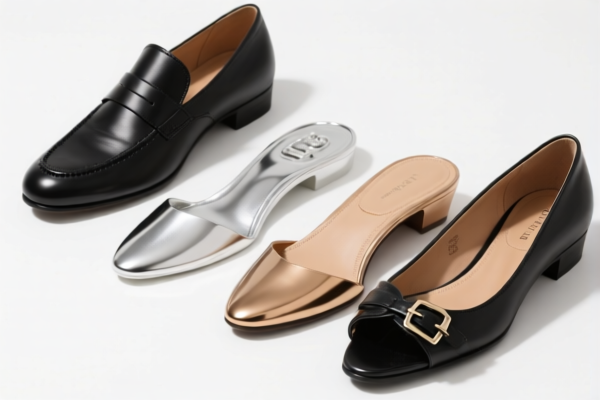

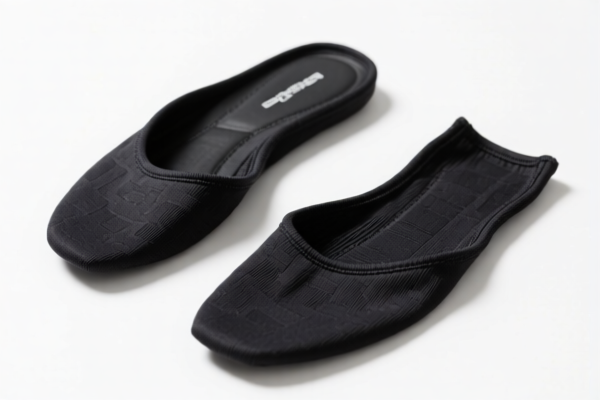

AI分析
👟 Footwear (HS Code 6405909030 & 6405 Family)
🌐 HS Code Reference & Customs Clearance Guide | 2026 Latest Tariff Analysis | Professional Clearance Strategy
📌 I. Product Definition & Classification: Do You Really Understand "Footwear"?
Footwear is a broad category in international trade, generally defined as items worn on the feet for protection, support, or fashion. Under the Harmonized System (HS), Footwear is primarily classified under Chapter 64.
Key Distinctions in Chapter 64: * Footwear with Outer Soles of Rubber/Plastic (HS 6402): This includes most sports shoes, safety shoes, and everyday casual shoes where the bottom and upper are made of synthetic or natural rubber/plastic. * Footwear with Outer Soles of Textile Materials (HS 6404): This typically covers athletic footwear (sneakers) where the upper is fabric/textile and the sole is rubber/plastic. * Other Footwear (HS 6405): This is a "catch-all" for footwear not specified elsewhere, often including leather uppers or mixed materials that don't fit the strict definitions of 6402 or 6404.
⚠️ Critical Note on the User Input (6405909030):
The HS Code6405.90.90.30(or similar variations like6405.10.00.90in the provided data) generally falls under "Other Footwear."
However, the provided specifically lists6405.10.00.90as "Footwear, Rubber or Plastic material, other categories of footwear."
Note: The code 6405909030 appears to be a user-provided or specific national tariff code (likely a US 10-digit extension of 6405.90). Based strictly on the provided , we must analyze the 6405 family codes provided.
📦 II. HS Code Classification Details (Based on Provided )
The following table details the specific HS codes found in the reference data. These codes apply to footwear where the classification logic varies by upper material, sole type, and specific usage.
| HS Code | Product Description (Summary) | Applicable Scenario | Total Tax Rate |
|---|---|---|---|
| 6405.10.00.90 | Footwear, Rubber or Plastic material, other categories of footwear | General footwear made primarily of rubber/plastic materials not fitting specific sub-categories (e.g., certain leather-rubber combos or generic "other" rubber footwear) | 27.5% |
| 6402.99.79.90 | Footwear, Rubber or Plastic outer sole and upper, classified as other footwear | Generic rubber/plastic shoes (e.g., rain boots, simple slip-ons) falling under "Other" sub-headings | 90¢/pr. + 37.5% + 10% |
| 6402.99.31.77 | Footwear, Rubber or Plastic outer sole and upper, Non-specific purpose bottom classification | Generic rubber/plastic footwear not meeting specific use-case criteria (e.g., standard casual wear) | 16.0% |
| 6404.19.20.30 | Footwear, Textile material upper, Men's Protective Purpose | Men's safety shoes, industrial work boots with textile uppers and rubber soles | 47.5% |
| 6402.91.40.50 | Footwear, Rubber or Plastic outer sole and upper, Other footwear classification | Other specific rubber/plastic footwear (e.g., certain sports or casual styles) | 16.0% |
🔍 Key Observation:
- 6405.10.00.90 has a distinct tax structure (27.5%) compared to the 6402 family (16%or47.5%).
- Protective/Safety Footwear (6404.19.20.30) attracts the highest rate (47.5%) due to the "Protective Purpose" designation.
- Generic Rubber/Plastic Footwear (6402.99.31.77, 6402.91.40.50) enjoys a lower base rate (16% total).
💰 III. 2026 Latest Tariff Rate Breakdown (Including Surcharges)
✅ Applicable Country: United States (US)
✅ Origin: China (CN)
✅ Effective Time: 2025/2026 (Current Trade Policy)
🎯 1. 6405.10.00.90 —— Other Footwear (Rubber/Plastic Material)
| Item | Content |
|---|---|
| Base Tariff | 10.0% |
| Section 301 / Additional Tariff | 7.5% |
| Section 122 Tariff | 10.0% |
| Total Tax Rate | 27.5% |
| Tax Calculation | Ad Valorem (CIF Value × 27.5%) |
| De Minimis Applicability | ❌ No (Footwear is generally excluded from de minimis benefits for Chinese origin) |
📌 Explanation:
- The 10.0% base tariff is standard for "Other Footwear."
- The 7.5% additional tariff likely reflects specific trade remedy duties or Section 301 adjustments.
- The 10.0% Section 122 tariff is a specific levy on certain footwear imports.
- Total Impact: A significant cost increase compared to other HS codes in Chapter 64.
🎯 2. 6402.99.79.90 —— Rubber/Plastic Footwear (Other Classification)
| Item | Content |
|---|---|
| Base Tariff | 90¢/pair + 37.5% |
| Section 122 Tariff | 10.0% |
| Total Tax Rate | 90¢/pr. + 37.5% + 10% |
| Tax Calculation | Mixed: Specific Duty (90¢/pair) + Ad Valorem (47.5% of value) |
| De Minimis Applicability | ❌ No |
📌 Explanation:
- This code uses a mixed duty structure.
- The 37.5% is likely the Section 301 tariff on high-value rubber/plastic footwear.
- The 10% Section 122 tariff is added on top.
- Warning: For high-value shoes, the percentage-based duty dominates; for low-value shoes, the 90¢/pair specific duty may be proportionally higher.
🎯 3. 6402.99.31.77 & 6402.91.40.50 —— Generic Rubber/Plastic Footwear
| Item | Content |
|---|---|
| Base Tariff | 6.0% |
| Section 122 Tariff | 10.0% |
| Total Tax Rate | 16.0% |
| Tax Calculation | Ad Valorem (CIF Value × 16.0%) |
| De Minimis Applicability | ❌ No |
📌 Explanation:
- These codes represent lower-tariff categories within the rubber/plastic footwear group.
- They avoid the high 37.5% or 47.5% rates seen in other 6402/6404 codes.
- Strategy: If your product fits the definition of these codes, the duty burden is significantly lower than6405or protective footwear.
🎯 4. 6404.19.20.30 —— Men's Protective Textile Footwear
| Item | Content |
|---|---|
| Base Tariff | 37.5% |
| Section 122 Tariff | 10.0% |
| Total Tax Rate | 47.5% |
| Tax Calculation | Ad Valorem (CIF Value × 47.5%) |
| De Minimis Applicability | ❌ No |
📌 Explanation:
- Highest Rate: Protective/safety footwear with textile uppers faces the highest tariff burden.
- Reason: "Protective Purpose" often triggers stricter scrutiny and higher remedial duties to protect domestic safety gear manufacturers.
🛠️ IV. Customs Clearance Practical Advice (Real-World Pitfall Guide)
✅ 1. Documentation Checklist (Non-Negotiable)
| Document | Required | Explanation |
|---|---|---|
| ✅ Product Specification Sheet | ✔️ | Must detail materials: Upper Material (Leather, Textile, Rubber?) and Sole Material (Rubber, Plastic, Leather?). This determines if it's 6402, 6404, or 6405. |
| ✅ Product Photos | ✔️ | Clear images of the sole, upper, and any "safety" markings (e.g., steel toe caps). If it looks like a safety shoe, customs may reclassify it to 6404.19.20.30 (47.5%). |
| ✅ Commercial Invoice | ✔️ | Must accurately describe the item (e.g., "Men's Running Shoes, Mesh Upper, Rubber Sole") not just "Shoes." |
| ✅ Material Composition Statement | ✔️ | Essential to distinguish between 6402 (Rubber/Plastic Upper) and 6404 (Textile Upper). |
| ✅ Packaging List | ✔️ | Verify quantity per carton to calculate the 90¢/pair specific duty accurately if applicable. |
✅ 2. Classification Strategy (Key Mnemonics)
🔥 "Sole & Upper Define the Code, Purpose Defines the Rate!"
| Scenario | Correct Classification | Risk if Incorrect |
|---|---|---|
| Rain Boots / Plastic Slippers | 6402.99.31.77 or 6402.91.40.50 |
Misclassifying as "Leather" (6403) could lead to different duties or bans. |
| Men's Running Shoes (Mesh/Rubber) | 6404.19.20.30 |
If declared as "Women's" or "Children's," the code might change, but the 47.5% rate for protective/men's specific types remains high. |
| Leather Dress Shoes | Not in Data | Generally 6403/6404/6405 depending on sole. If classified as 6405.10.00.90 by mistake, you pay 27.5% instead of potentially lower/higher rates. |
| "Other" Rubber Shoes | 6405.10.00.90 |
High risk. If it can be classified as 6402, you save 11.5% (27.5% vs 16%). |
💡 Pro Tip:
- Avoid "Other" (6405) if possible: The 27.5% rate is a middle ground. If your shoes have a rubber/plastic upper and sole, try to qualify for 6402 (16% or mixed) unless they are clearly protective/safety gear.
- Protective Gear Warning: Do not label "Safety Shoes" as "Casual Shoes" to avoid duty evasion. Customs uses photos and product descriptions to verify. If it has a reinforced toe, it’s likely6404.19.20.30(47.5%).
✅ 3. Special Circumstances Handling
| Situation | Handling Advice |
|---|---|
| Mixed Material Shoes | If the upper is 51% textile and 49% rubber, it may still be classified as Textile (6404) depending on the specific HTS rules of note. Consult a broker. |
| Sets of Shoes | If sold as a pair, declare as one unit. Do not split the duty calculation. |
| Samples vs. Commercial | Both are subject to duty. De Minimis ($800) does not apply to Chinese footwear. |
| Section 122 Tariff | This 10% tariff is additional and applies to most footwear. Factor this into your pricing model immediately. |
🌍 V. Global Market Comparison (2026 Latest)
| Country/Region | Recommended HS Code (Example) | Tariff (China Origin) | Certification Requirements | Notes |
|---|---|---|---|---|
| 🇺🇸 United States | 6402.99.31.77 or 6405.10.00.90 |
16.0% or 27.5% + Section 122 (10%) | ASTM F2413 (Safety), Prop 65 | Highly scrutinized. Section 301 and 122 duties are significant. |
| 🇨🇳 China | 6402 or 6405 |
Varies (0-20%) | CCC (if applicable) | No additional Section 122 tariffs. |
| 🇪🇺 EU | 6402 or 6405 |
Varies (3.5-17%) | CE, REACH, VOC | No Section 301/122. Generally more favorable than US. |
| 🇬🇧 UK | 6402 or 6405 |
Varies | UKCA | Post-Brexit rules apply. |
| 🇦🇺 Australia | 6402 or 6405 |
5% - 10% | WELS (if electronic), Standard | No Section 122 equivalent. |
📌 Conclusion:
- The US market is the most expensive for Chinese footwear due to the combination of Base Tariffs + Section 301 + Section 122.
- Duty Savings Strategy: If possible, avoid "Protective/ Safety" classifications (47.5%) and "Other/Rubber" (27.5%) by accurately classifying into 6402 Generic (16%) categories where legally permissible.
- Section 122 (10%) is a fixed add-on for most footwear, so it’s a sunk cost. Focus on optimizing the Base + Section 301 rates.
📌 VI. Common Mistakes & Pitfalls (Blood & Tears Lessons)
❌ Mistake 1: Classifying Safety Shoes as Casual Shoes
👉 Consequence: Customs reclassifies to 6404.19.20.30 (47.5%) → Huge back-tax + penalties.
❌ Mistake 2: Ignoring Section 122 Tariff in Costing
👉 Consequence: Margin erosion. You calculated 16% duty, but actually owe 16% + 10% (Section 122) = 26%.
❌ Mistake 3: Misidentifying Upper Material
👉 Consequence: Mixing up 6402 (Rubber/Plastic Upper) and 6404 (Textile Upper) leads to wrong code selection. Example: A "Canvas" shoe is 6404, not 6402.
✅ Correct Practice:
"Men's Running Shoes, Mesh (Textile) Upper, Rubber Sole, Non-Safety, Model XYZ, China Origin"
→ Likely6404.19.20.30(if men's/protective criteria met) or another 6404 subhead.
Always verify if "Men's" + "Textile" + "Rubber Sole" triggers the specific 47.5% code in the provided data.
🎯 VII. Conclusion: Precision Classification Saves Money!
🎯 Remember the Mantra:
🔹 "Sole & Upper First, Purpose Second, Section 122 Always Adds 10%!"
🔹 "Don't Guess 'Other' (6405) if it fits 'Rubber' (6402) – 16% is cheaper than 27.5%!"
📌 Pro Tip:
If your footwear is originating from Vietnam, Mexico, or Thailand, you may be exempt from Section 301/122 duties (subject to current trade agreements).
Recommendation: Apply for Pre-Ruling (Advance Ruling) from US Customs (CBP) to lock in the HS Code and duty rate before shipping. This prevents surprise audits and back-taxes.
📣 Immediate Action:
📞 Contact a Licensed Customs Broker
📸 Provide High-Res Photos of Sole & Upper
📝 Request HTS Code Verification for each SKU
🚀 Ensure Smooth Clearance, Maximize Profit, Avoid Customs Holds!
✨ Professional Clearance Starts with Accurate Classification!
💼 Every Percentage Point of Duty Counts!
用户评价
关于 HS 编码归类
协调制度(HS)是由世界海关组织(WCO)制定的国际贸易商品分类标准。全球 200 多个国家采用 HS 系统作为海关关税、贸易统计和进出口监管的基础。
每个 HS 编码遵循以下层级结构:
- 章(2 位)——商品大类(例如:第 84 章:机器和机械设备)
- 品目(4 位)——章内的更具体分类
- 子目(6 位)——国际通用细分,所有 WCO 成员国统一使用
- 本国细分(8-10 位)——各国自行扩展的细分编码,如美国 HTSUS 10 位编码
正确的 HS 编码归类对于顺利通关、准确缴纳关税和遵守贸易法规至关重要。错误归类可能导致海关延误、多缴关税或罚款。
从CN进口到US时,适用的关税税率可能包括:
- 最惠国(MFN)税率——适用于 WTO 成员国的标准关税税率
- 普通税率——适用于无贸易协定国家
- 贸易救济关税——附加关税,如 301 条款(反倾销)、232 条款(国家安全)或反补贴税
本页内容仅供参考。如需正式归类,请咨询当地海关或持牌报关代理。