Foundry Binder Corrosion Resistant Agent
CN → US| HS编码 | 关税税率 | 原产国 | 目的国 | 文档 |
|---|---|---|---|---|
| 3903901000 | 41.5% | CN | US | 官方文档 |
| 3901909000 | 41.5% | CN | US | 官方文档 |
| 3901905501 | 41.5% | CN | US | 官方文档 |
| 3903905000 | 41.5% | CN | US | 官方文档 |
| 3506915000 | 37.1% | CN | US | 官方文档 |
商品图片

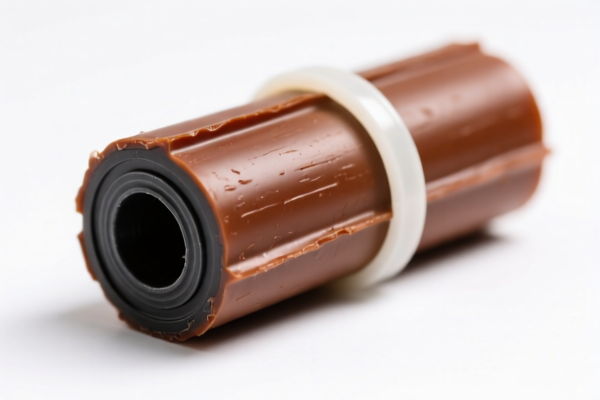
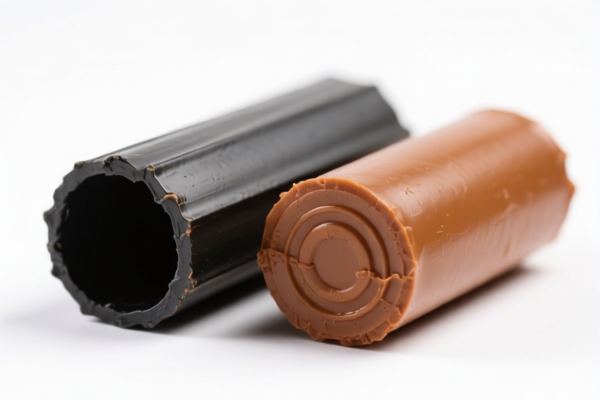
AI分析
🏭 Foundry Binder Corrosion Resistant Agent (Polymer Casting Binders)
🌐 HS Code Reference & Customs Clearance Guide | 2026 Latest Tariff Analysis | Professional Clearance Strategy
📌 I. Product Definition & Classification: What is a "Foundry Binder" Really?
A Foundry Binder Corrosion Resistant Agent (commonly referred to in trade as Polymer Casting Binder) is a critical chemical additive used in the sand casting process. Its primary function is to bind sand grains together to form molds and cores, while providing resistance against metal penetration and corrosion.
In international trade, the classification of these binders depends heavily on their chemical composition (the base polymer) and their physical state (usually primary shape, i.e., granules, powders, or liquids).
Key Distinction Points: - Styrene-based Polymers: Binders where the main component is derived from styrene. These fall under HS 3903. - Ethylene-based Polymers: Binders where the main component is derived from ethylene. These fall under HS 3901. - General Polymer Binders: If the specific polymer type isn't the defining factor, or if it's classified broadly as an adhesive for other uses, it may fall under HS 3506.
⚠️ Critical Note:
- Most polymer casting binders are classified in Chapter 39 (Plastics) because the polymer itself is the functional carrier.
- Only binders that are explicitly defined as "adhesives" for general use and don't fit the specific polymer headings may fall under Chapter 35.
- State: All items in the reference data are in "Primary Shape", meaning they are raw materials, not finished ready-to-use mixtures.
📦 II. HS Code Classification Matrix (2026 Latest Tariff Authority)
| HS Code | Product Description (Summary) | Material Composition | Physical State |
|---|---|---|---|
3903.90.10.00 |
Polymer Casting Binder | Styrene Polymer | Primary Shape |
3903.90.50.00 |
Polymer Casting Binder | Styrene Polymer | Primary Shape |
3901.90.90.00 |
Polymer Casting Binder | Ethylene Polymer | Primary Shape |
3901.90.55.01 |
Polymer Casting Binder | Ethylene Copolymer | Primary Shape |
3506.91.50.00 |
Polymer Casting Binder | General Polymer (Adhesive) | Primary Shape |
🔍 Classification Logic:
- Styrene Polymers (3903): If the binder is based on polystyrene or styrene copolymers, use3903.90.10.00or3903.90.50.00. The difference between these two codes often relates to specific sub-heading nuances (e.g., specific copolymer types or grades), but both carry the same total tax rate in this dataset.
- Ethylene Polymers (3901): If the binder is based on polyethylene (PE) or ethylene copolymers, use3901.90.90.00or3901.90.55.01.
- General Adhesive (3506): If the product is marketed primarily as an "adhesive" for other purposes and doesn't fit the specific polymer headings, it may be classified here. This category has a lower base tariff but still incurs significant additional duties.
💰 III. 2026 Latest Tariff Rate Breakdown (Including Surcharges)
✅ Applicable Country: USA (US)
✅ Country of Origin: China (CN)
✅ Effective Date: Post-2025 tariffs apply (Section 301 + 122)
🎯 1. Styrene & Ethylene-Based Binders (3903.90.10.00, 3903.90.50.00, 3901.90.90.00, 3901.90.55.01)
| Item | Details |
|---|---|
| Base Tariff | 6.5% (Ad Valorem) |
| Section 301 Surcharge | +25.0% (Retaliatory tariffs on Chinese plastics/chemicals) |
| Section 122 Tariff | +10.0% (Specific tariff under Section 122 provisions) |
| Total Tax Rate | 41.5% |
| Tax Calculation | CIF Value × 41.5% |
| De Minimis Exemption | ❌ Not Applicable (Deny De Minimis) |
| Legal Basis Path | USITC:3903.90.10.00 → Footnote: 301 (25%) + Section 122 (10%) |
📌 Explanation:
- These codes fall under Chapter 39 (Plastics), which are heavily targeted by US trade policies.
- The 25% Section 301 tariff is standard for many Chinese plastic products.
- The 10% Section 122 tariff is an additional layer specific to certain chemical/plastic imports.
- Total burden: 41.5%. This is a high-cost category. Profit margins must account for this.
🎯 2. General Polymer Adhesive (3506.91.50.00)
| Item | Details |
|---|---|
| Base Tariff | 2.1% (Ad Valorem) |
| Section 301 Surcharge | +25.0% (Retaliatory tariffs on Chinese adhesives/chemicals) |
| Section 122 Tariff | +10.0% (Specific tariff under Section 122 provisions) |
| Total Tax Rate | 37.1% |
| Tax Calculation | CIF Value × 37.1% |
| De Minimis Exemption | ❌ Not Applicable (Deny De Minimis) |
| Legal Basis Path | USITC:3506.91.50.00 → Footnote: 301 (25%) + Section 122 (10%) |
📌 Explanation:
- Although the base tariff is lower (2.1% vs 6.5%), the total effective rate (37.1%) is still significant due to the same surcharges.
- Savings: ~4.4% compared to Chapter 39 binders.
- Risk: Misclassification. If customs determines the product is primarily a styrene/ethylene polymer, they may reclassify it to Chapter 39, leading to back taxes + penalties.
🛠️ IV. Customs Clearance Practical Advice (Avoiding Pitfalls)
✅ 1. Documentation Checklist (Non-Negotiable)
| Document | Required? | Notes |
|---|---|---|
| Product Specification Sheet | ✅ Yes | Must clearly state: 1. Chemical Name: e.g., "Polystyrene-based casting binder" 2. Form: Primary Shape (granules/powder) 3. Usage: Foundry casting, not general adhesives |
| Formula/Composition | ✅ Yes | Provide % composition of base polymers (Styrene vs Ethylene) to justify HS Code |
| Safety Data Sheet (SDS) | ✅ Yes | Required for hazardous material review. Ensure it matches the declared chemical identity |
| Commercial Invoice | ✅ Yes | Must describe items as "Polymer Casting Binder, Primary Shape" – Do NOT use vague terms like "Glue" |
| Certificate of Origin | ✅ Yes | To confirm China origin (triggering surcharges) |
| Third-Party Lab Report | ✅ Optional but Recommended | To prove polymer type if customs challenges classification |
✅ 2. Classification Strategy (Key Tips)
🔥 "Know Your Polymer: Styrene = 3903, Ethylene = 3901, Adhesive = 3506!"
| Scenario | Recommended HS Code | Reason |
|---|---|---|
| Styrene-based binder | 3903.90.10.00 or 3903.90.50.00 |
Matches chemical composition under Chapter 39 |
| Ethylene-based binder | 3901.90.90.00 or 3901.90.55.01 |
Matches chemical composition under Chapter 39 |
| Unclear polymer, sold as "Adhesive" | 3506.91.50.00 |
Only if it truly functions as a general adhesive and not a casting-specific binder |
| Mixed Polymer Binder | Consult with a Customs Broker | May require ruling. Do not guess. |
⚠️ Warning:
- Do NOT misclassify a styrene binder as3506to save 4.4%. Customs often audits Chapter 35 items for misclassification from Chapter 39.
- Do NOT declare as "Raw Plastic Pellets" without specifying "Casting Binder" usage. Usage helps justify the specific sub-heading.
✅ 3. Special Cases
| Situation | Advice |
|---|---|
| Copolymer Composition | If it’s an ethylene-styrene copolymer, check which monomer provides the essential character. This determines 3901 vs 3903. |
| Liquid vs. Solid | The data specifies "Primary Shape." If liquid, ensure it still fits the heading. Some liquid binders may fall under different codes. |
| Pre-blended with Additives | If mixed with silica flour or other foundry sands, it may be considered a "prepared mixture" and could fall under 3824 (Prepared Binders for Foundry Molds), which has different tariffs. Check this carefully! |
🌍 V. Global Market Comparison (2026 Update)
| Country/Region | Recommended HS Code | Estimated Total Duty (CN Origin) | Certification |
|---|---|---|---|
| 🇺🇸 USA | 3903 or 3506 |
37.1% – 41.5% | SDS, Labeling |
| 🇨🇳 China | 3903 or 3506 |
~5-10% (Import Duty) | No surcharges |
| 🇪🇺 EU | 3903 or 3506 |
~5-6% (MFN) | REACH Registration |
| 🇲🇽 Mexico | 3903 or 3506 |
~5% (USMCA may apply) | NOM Certification |
📌 Conclusion:
- USA is the most expensive market due to Section 301 and 122 tariffs.
- EU and China have significantly lower burdens but require strict chemical compliance (REACH in EU).
- Strategy: If exporting to the US, consider supply chain diversification (e.g., production in Vietnam or Mexico) to avoid the 41.5% total duty, if feasible.
📌 VI. Common Errors & Pitfalls (Lessons Learned)
❌ Error 1: Declaring "Casting Binder" under 3506 when it’s actually 3903
👉 Consequence: Customs reclassifies, back taxes 4.4% + penalties + interest.
✅ Fix: Provide chemical analysis to prove polymer type.
❌ Error 2: Using vague description "Plastic Pellets"
👉 Consequence: Delayed clearance, request for additional info.
✅ Fix: Use precise name: "Styrene Polymer Foundry Binder, Primary Shape."
❌ Error 3: Ignoring "Primary Shape" requirement
👉 Consequence: If it’s a pre-mixed sand-binder blend, it may not fit these codes.
✅ Fix: Confirm it’s a pure polymer binder, not a ready-to-use sand mixture.
🎯 VII. Conclusion: Smart Classification Saves Money
🎯 Remember:
🔹 "Styrene = 3903, Ethylene = 3901, Total Duty ~41.5%"
🔹 "Adhesive = 3506, Total Duty ~37.1%, but High Risk of Rejection"
🔹 "Know Your Polymer, Save Your Dollars!"
📌 Pro Tip:
- If your product is a copolymers (e.g., Ethylene-Styrene), consult a Customs Ruling before shipping.
- For large volumes, consider duty drawback or FTZ (Foreign Trade Zone) strategies to defer or reduce tax burden.
📣 Immediate Action:
📞 Contact a Licensed Customs Broker to verify your specific product’s polymer composition.
📄 Request a Binding Ruling from US CBP if unsure.
🚀 Optimize your supply chain to mitigate the 41.5% US tariff impact.
✨ Professional Clearance, Starting with Precise Classification!
💼 Every percentage point in duty matters for your bottom line!
用户评价
关于 HS 编码归类
协调制度(HS)是由世界海关组织(WCO)制定的国际贸易商品分类标准。全球 200 多个国家采用 HS 系统作为海关关税、贸易统计和进出口监管的基础。
每个 HS 编码遵循以下层级结构:
- 章(2 位)——商品大类(例如:第 84 章:机器和机械设备)
- 品目(4 位)——章内的更具体分类
- 子目(6 位)——国际通用细分,所有 WCO 成员国统一使用
- 本国细分(8-10 位)——各国自行扩展的细分编码,如美国 HTSUS 10 位编码
正确的 HS 编码归类对于顺利通关、准确缴纳关税和遵守贸易法规至关重要。错误归类可能导致海关延误、多缴关税或罚款。
从CN进口到US时,适用的关税税率可能包括:
- 最惠国(MFN)税率——适用于 WTO 成员国的标准关税税率
- 普通税率——适用于无贸易协定国家
- 贸易救济关税——附加关税,如 301 条款(反倾销)、232 条款(国家安全)或反补贴税
本页内容仅供参考。如需正式归类,请咨询当地海关或持牌报关代理。