French Satin Hair Tie
CN → US| HS编码 | 关税税率 | 原产国 | 目的国 | 文档 |
|---|---|---|---|---|
| 6117803010 | 12.3% | CN | US | 官方文档 |
| 6217101010 | 19.8% | CN | US | 官方文档 |
| 6117808500 | 32.1% | CN | US | 官方文档 |
| 6217108500 | 24.6% | CN | US | 官方文档 |
商品图片
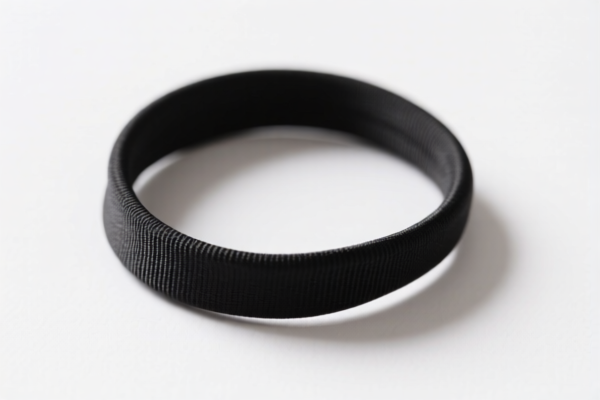
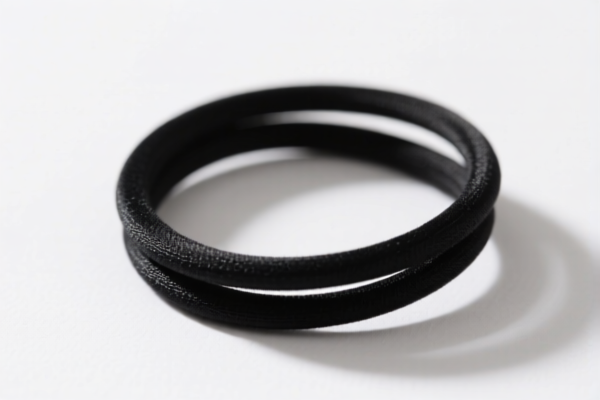
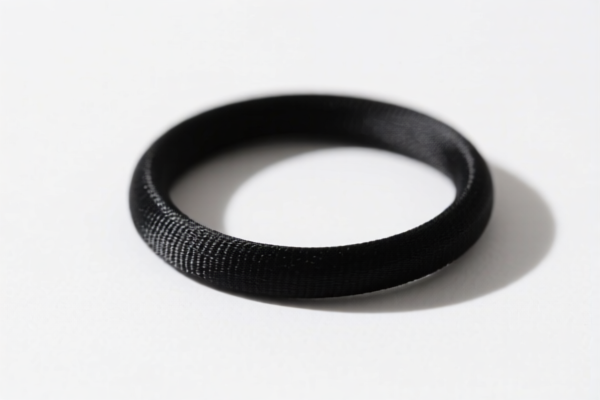
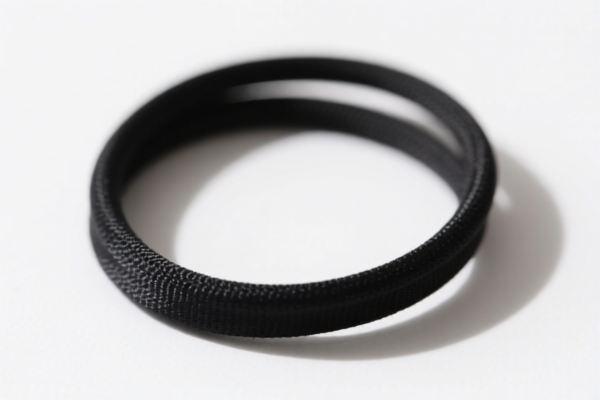
AI分析
🎀 French Satin Hair Ties (Chic Hair Accessories)
🌐 HS Code Reference & Clearance Guide | 2026 Latest Tariff Analysis | Professional Customs Strategy 📌 I. Product Definition & Classification: Do You Really Understand "French Satin Hair Ties"?
French Satin Hair Ties (commonly known as "Scrunchies" or "Satin Hair Ties") are stylish hair accessories designed to hold hair without causing breakage or creasing. In international trade, they are classified based on their material composition (silk vs. synthetic), construction method (knitted vs. woven), and functional form (elastic band, clip, or tie).
⚠️ Key Distinction Points: - If the material is Knitted/Crocheted (e.g., soft, stretchy fabric) → Classified under Chapter 61. - If the material is Woven/Other Fabric (e.g., structured satin ribbon, stiff ties) → Classified under Chapter 62. - If it includes Plastic/Metal Components (e.g., clips, snaps) → The classification may shift to "fastening devices" or "accessories."
📦 II. HS Code Classification Details (2026 Latest Tariff Authority Comparison)
Based on the specific product data provided, here are the four potential HS Codes for French Satin Hair Ties, depending on their exact physical attributes:
| HS Code | Product Description | Scenario/Attribute | Construction Type |
|---|---|---|---|
6117.80.30.10 |
French Satin Scrunchie, Shape: Hair Tie, Material: Silk/Satin Fiber | Soft, knitted/crocheted scrunchies made of silk fibers | ✅ Knitted/Crocheted |
6217.10.10.10 |
French Satin Hair Tie, Shape: Band/Tie, Material: Silk/Silk-blend | Woven satin bands or ponytail ties, not knitted | ✅ Woven/Other |
6117.80.85.00 |
French Satin Scrunchie, Shape: Ponytail Clip/Holder, Material: Silk Fabric | Includes clips or complex fasteners, knitted base | ✅ Knitted/Crocheted |
6217.10.85.00 |
French Satin Scrunchie, Shape: Ponytail Button/Holder, Material: Fabric Accessory | Woven fabric accessories with buttons/holders | ✅ Woven/Other |
🔍 Key Reminder: - Knitted (6117) generally applies to stretchy, jersey-like, or crocheted fabrics. - Woven (6217) applies to structured satin, ribbon, or non-stretch woven fabrics. - The presence of clips or snaps can shift the classification from a simple "tie" to a "clip/holder," often impacting the tax rate significantly.
💰 III. 2026 Latest Tariff Rate Breakdown (Including Surtaxes & Policy Add-ons)
✅ Applicable Country: United States (US)
✅ Origin: China (CN)
✅ Effective Date: Current rates apply (including Section 301 and Section 122 tariffs)
🎯 1. 6117.80.30.10 — Knitted/Crocheted Silk Hair Ties (Best Rate)
| Item | Content |
|---|---|
| Base Tariff | 2.3% |
| Surtax (301) | 0.0% |
| Section 122 Tariff | 10% |
| Total Tax Rate | 12.3% |
| Tax Calculation | CIF Value × 12.3% |
| Section 122 Note | Applies to certain textile articles under specific conditions |
📌 Explanation: - This is the most favorable classification if the product is knitted/crocheted and made of silk fibers. - Zero Section 301 surtax makes this significantly cheaper than other categories. - Section 122 adds a flat 10%, but total cost remains low.
🎯 2. 6217.10.10.10 — Woven Silk Hair Bands (High Risk)
| Item | Content |
|---|---|
| Base Tariff | 2.3% |
| Surtax (301) | 7.5% |
| Section 122 Tariff | 10% |
| Total Tax Rate | 19.8% |
| Tax Calculation | CIF Value × 19.8% |
| Section 301 Note | 7.5% surtax applies to woven textile accessories |
📌 Note: - Woven silk items are subject to Section 301 surtax (7.5%). - Total tariff is 6.6% higher than the knitted version. - Misclassifying a woven item as knitted can lead to penalties and back taxes.
🎯 3. 6117.80.85.00 — Knitted Silk Ponytail Clips (Highest Tariff)
| Item | Content |
|---|---|
| Base Tariff | 14.6% |
| Surtax (301) | 7.5% |
| Section 122 Tariff | 10% |
| Total Tax Rate | 32.1% |
| Tax Calculation | CIF Value × 32.1% |
| Base Tariff Note | Higher base duty for "other accessories" with clips |
📌 Warning: - The highest tax rate in this dataset. - The presence of clips/fasteners increases the base tariff from 2.3% to 14.6%. - Only use this code if the product definitively includes clips or complex mechanical parts.
🎯 4. 6217.10.85.00 — Woven Fabric Accessories (Moderate Risk)
| Item | Content |
|---|---|
| Base Tariff | 14.6% |
| Surtax (301) | 0.0% |
| Section 122 Tariff | 10% |
| Total Tax Rate | 24.6% |
| Tax Calculation | CIF Value × 24.6% |
| Base Tariff Note | High base duty, but no Section 301 surtax |
📌 Note: - Woven items with buttons/holders have a high base tariff (14.6%) but no Section 301 surtax. - Total rate is lower than the clipped knitted version but higher than simple woven ties.
🛠️ IV. Customs Clearance Practical Advice (Pitfall Avoidance Guide)
✅ 1. Preparation Checklist (Missing Documents Will Cause Delays)
| Document | Required? | Explanation |
|---|---|---|
| ✅ Product Specification Sheet | ✔️ | Must specify: Material (100% Silk? Silk-blend?), Construction (Knitted/Woven), Form (Tie/Clip). |
| ✅ High-Resolution Photos | ✔️ | Clear shots of texture (to prove knit vs. weave) and any clips/snaps. |
| ✅ Commercial Invoice | ✔️ | Must list "Hair Accessories" or "Scrunchies," NOT generic "Textiles." |
| ✅ Material Composition Label | ✔️ | Proof of fiber content (e.g., "100% Mulberry Silk") affects Chapter 61 vs 62. |
| ✅ Packing List | ✔️ | Show if clips are included as separate items or integrated. |
✅ 2. Declaration Tips (Golden Rules)
🔥 “Know Your Fabric, Know Your Form, Avoid High Rates!”
| Scenario | Correct HS Code | Incorrect Practice | Consequence |
|---|---|---|---|
| Soft, stretchy, knitted silk scrunchie | 6117.80.30.10 (12.3%) |
Declare as "Woven" → 6217.10.10.10 |
+7.5% Surcharge |
| Woven satin ribbon tie | 6217.10.10.10 (19.8%) |
Declare as "Knitted" → 6117.80.30.10 |
Misclassification Penalty |
| Scrunchie with plastic clip | 6117.80.85.00 (32.1%) |
Omit clip info → 6117.80.30.10 |
Heavy Back Tax + Fine |
| Woven tie with snap button | 6217.10.85.00 (24.6%) |
Declare as simple band | Overpayment (if no surtax) or Underpayment (if base rate differs) |
✅ 3. Special Handling Cases
| Situation | Recommendation |
|---|---|
| Mixed Materials | If >50% silk → Use Silk codes. If synthetic blend → Verify Chapter 61/62 rules for blends. |
| Gift Sets | If hair tie is packaged with a comb or mirror, the entire set may be classified under the primary accessory or the most expensive component. |
| OEM/Private Label | Provide branding details. Ensure no trademark violations in the destination country. |
| Section 122 Impact | Confirm if your supplier has already accounted for Section 122 tariffs in the FOB price. |
🌍 V. Global Market Clearance Comparison (2026 Latest)
| Country/Region | Recommended HS Code | Estimated Total Tariff | Certification | Notes |
|---|---|---|---|---|
| 🇺🇸 USA | 6117.80.30.10 |
12.3% | No special cert | Best rate for knitted silk. |
| 🇺🇸 USA | 6217.10.10.10 |
19.8% | No special cert | Woven silk faces 301 surtax. |
| 🇪🇺 EU | 6117.80.30 (approx) |
~0-4% | CE (if synthetic) | No Section 301/122. Lower base duty. |
| 🇨🇳 China | 6117.80.30 |
~10% | CCC (if applicable) | Import duty + VAT. |
| 🇬🇧 UK | 6117.80.30 |
~4-5% | UKCA | Post-Brexit tariffs apply. |
📌 Conclusion: - USA is the most complex market due to Section 301 and Section 122 tariffs. - Knitted silk (6117.80.30.10) is the optimal classification for cost efficiency. - Avoid "Clip" classifications unless necessary, as they triple the tax burden.
📌 VI. Common Mistakes & Pitfall Guide (Lessons Learned)
❌ Mistake 1: Calling all satin items "Woven" when they are actually "Knitted." 👉 Consequence: Paying 19.8% instead of 12.3% → Loss of 7.5% profit margin.
❌ Mistake 2: Ignoring the presence of clips or snaps.
👉 Consequence: Declaring 6117.80.30.10 for a clipped item → Audit risk, back taxes of 32.1%.
❌ Mistake 3: Vague description "Silk Hair Tie." 👉 Consequence: Customs may classify based on the worst-case scenario or delay shipment for inspection.
✅ Correct Practice:
"French Satin Scrunchie, Knitted, 100% Mulberry Silk, Elastic Core, No Clips, Model A, Size M"
🎯 VII. Conclusion: Precise Classification, Maximum Savings!
🎯 Remember the Rules:
🔹 “Knitted is King (12.3%)” — If it’s soft and stretchy, aim for
6117.80.30.10.
🔹 “Woven is Wise (19.8%)” — If it’s structured ribbon, accept6217.10.10.10.
🔹 “Clips are Costly (32.1%)” — Avoid clips if possible, or prepare for high tariffs.
🔹 “Section 122 is Always 10%” — Budget for this regardless of classification.
📌 Pro Tip: If your product is 100% Silk and Knitted, you are in the best position. Work with your supplier to ensure the knitted structure is documented in the product specs. For woven items, consider if adding elastic bands might allow for a different classification, but consult a customs broker first.
📣 Immediate Action:
📞 Contact a Licensed Customs Broker + Provide Product Photos + Confirm Material Construction (Knit vs. Woven)
🚀 Clear Your Goods Smoothly, Protect Your Margins, and Scale Your Business!
✨ Professional Clearance Starts with Accurate Classification!
💼 Every Percentage Point Saved is Pure Profit!
用户评价
关于 HS 编码归类
协调制度(HS)是由世界海关组织(WCO)制定的国际贸易商品分类标准。全球 200 多个国家采用 HS 系统作为海关关税、贸易统计和进出口监管的基础。
每个 HS 编码遵循以下层级结构:
- 章(2 位)——商品大类(例如:第 84 章:机器和机械设备)
- 品目(4 位)——章内的更具体分类
- 子目(6 位)——国际通用细分,所有 WCO 成员国统一使用
- 本国细分(8-10 位)——各国自行扩展的细分编码,如美国 HTSUS 10 位编码
正确的 HS 编码归类对于顺利通关、准确缴纳关税和遵守贸易法规至关重要。错误归类可能导致海关延误、多缴关税或罚款。
从CN进口到US时,适用的关税税率可能包括:
- 最惠国(MFN)税率——适用于 WTO 成员国的标准关税税率
- 普通税率——适用于无贸易协定国家
- 贸易救济关税——附加关税,如 301 条款(反倾销)、232 条款(国家安全)或反补贴税
本页内容仅供参考。如需正式归类,请咨询当地海关或持牌报关代理。