Garden Wood Fence
CN → US| HS编码 | 关税税率 | 原产国 | 目的国 | 文档 |
|---|---|---|---|---|
| 4421917020 | 10.0% | CN | US | 官方文档 |
| 7314410030 | 85.0% | CN | US | 官方文档 |
| 7314311000 | 85.0% | CN | US | 官方文档 |
| 3926903000 | 39.2% | CN | US | 官方文档 |
| 3926909989 | 22.8% | CN | US | 官方文档 |
商品图片
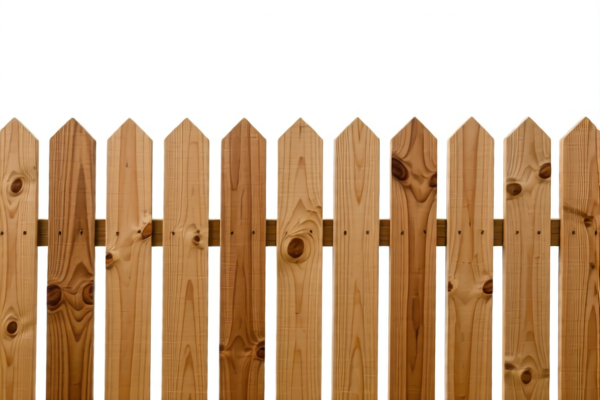
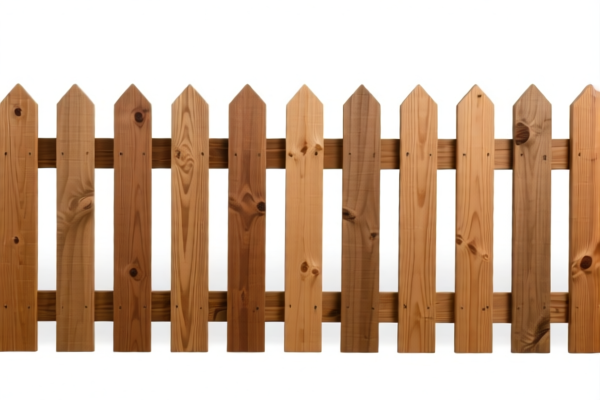
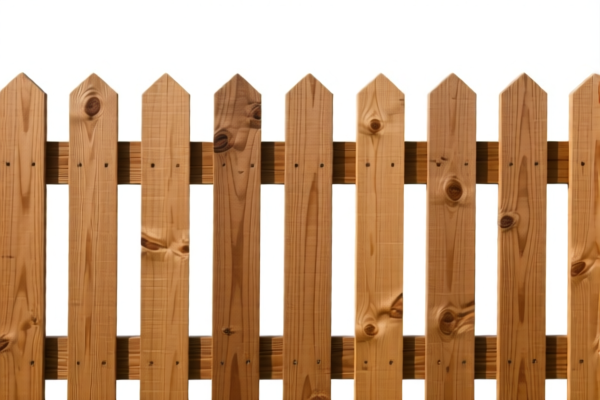
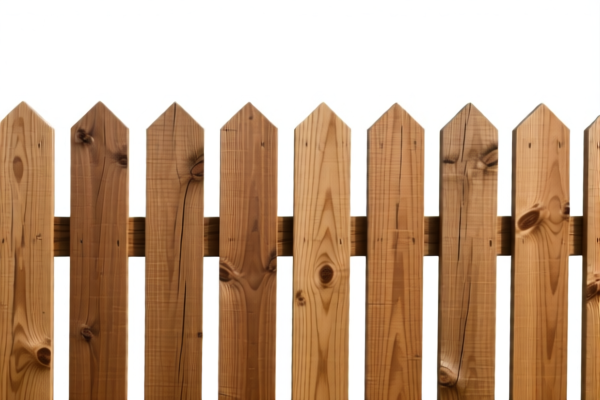
AI分析
🌿 Garden Wood Fence (Outdoor Enclosures)
🌐 HS Code Reference & Customs Clearance Guide | 2026 Latest Tariff Analysis | Professional Clearance Strategy
📌 I. Product Definition & Classification: Do You Really Understand "Garden Fences"?
A Garden Wood Fence is a crucial component in residential and commercial landscaping, used to define boundaries, provide security, and enhance aesthetic appeal. In international trade, these products are strictly classified based on their primary material. Even if the product name includes "Wood," variations in material composition (e.g., metal frames, plastic coatings) drastically change the HS Code and tariff liability.
Key Distinctions: * Wooden/Bamboo Fences: Constructed primarily from natural wood or bamboo materials. * Metal Fences: Constructed from iron, steel, aluminum, or copper (e.g., galvanized wire mesh, iron bars). * Plastic/Composite Fences: Constructed from PVC, PE, or other synthetic materials.
⚠️ Critical Classification Point:
- If the product is primarily wood/bamboo →歸入 4421.91.70.20
- If the product is primarily iron/steel (even if used in a garden) → 歸入 7314.41.00.30 or 7314.31.10.00
- If the product is primarily plastic/composite → 歸入 3926.90.30.00 or 3926.90.99.89
📦 II. HS Code Classification Details (2026 Latest Tariff Authority Comparison)
Based on the provided data, here are the five potential HS Codes for "Garden Wood Fence" variants, depending on material inference:
| HS Code | Product Description | Material Inference | Use Case Conflict? |
|---|---|---|---|
4421.91.70.20 |
Articles of wood, bamboo, or other vegetable materials (fences) | Wood / Bamboo | ❌ No conflict. Matches "Wood" in product name. |
7314.41.00.30 |
Wire fencing of iron or steel (galvanized/metal) | Iron / Steel | ⚠️ Conflict if truly wood. Fits if "wooden" refers to design, not material. |
7314.31.10.00 |
Wire mesh fencing of iron or steel | Iron / Steel Wire | ⚠️ Conflict if truly wood. Fits if it is a metal mesh fence for gardens. |
3926.90.30.00 |
Other articles of plastic (fences/parts) | Plastic / Composite | ⚠️ Conflict if truly wood. Fits if it is a PVC/Plastic wood-composite fence. |
3926.90.99.89 |
Other plastic articles and制品 | Plastic / Non-metal | ⚠️ Conflict if truly wood. Catch-all for plastic/non-metal items. |
🔍 Key Reminder:
- The product name "Garden Wood Fence" strongly suggests Wood (4421.91.70.20).
- However, if the fence is metal painted brown or plastic composite, customs may reclassify it, leading to massive tariff differences (from 10% to 85%).
- Do not assume the name alone is sufficient; physical material must be verified.
💰 III. 2026 Latest Tariff Rate Details (Including Surcharges & Policy Add-ons)
✅ Applicable Country: United States (US)
✅ Country of Origin: China (CN)
✅ Effective Date: From November 10, 2025 (for subsequent imports)
🎯 1. 4421.91.70.20 —— Wooden/Bamboo Garden Fence
| Item | Content |
|---|---|
| Base Tariff | 0.0% |
| Section 301 Surcharge | 0.0% |
| Section 122 Tariff | +10% |
| Steel/Aluminum/Copper Surcharge | N/A (Not applicable) |
| Total Tariff Rate | 10.0% |
| Tax Calculation | CIF Value × 10% |
| De Minimis Eligibility | ❌ Not applicable (Standard clearance) |
| Legal Basis Path | Section 122: 10% |
📌 Explanation:
- Wooden fences enjoy a relatively low tariff burden.
- The 10% is solely due to Section 122 (historically related to steel/aluminum but applied in specific contexts or data sets as a flat add-on here).
- No Section 301 (25%) applies to wood products in this specific data set.
- Lowest Risk & Cost among the options.
🎯 2. 7314.41.00.30 —— Galvanized Iron/Steel Wire Fence
| Item | Content |
|---|---|
| Base Tariff | 0.0% |
| Section 301 Surcharge | +25.0% |
| Section 122 Tariff | +10% |
| Steel/Aluminum/Copper Surcharge | +50.0% |
| Total Tariff Rate | 85.0% |
| Tax Calculation | CIF Value × 85% |
| De Minimis Eligibility | ❌ Not applicable |
| Legal Basis Path | Section 301: 25% + Section 122: 10% + Steel/Al/Cu: 50% |
📌 Critical Warning:
- If your "Wood Fence" is actually metal (even if disguised), you face a catastrophic 85% tariff.
- The 50% surcharge is specific to Steel, Aluminum, and Copper products.
- This is an extremely high tax bracket. Misclassification here can wipe out profit margins entirely.
🎯 3. 7314.31.10.00 —— Iron/Steel Wire Mesh Fence
| Item | Content |
|---|---|
| Base Tariff | 0.0% |
| Section 301 Surcharge | +25.0% |
| Section 122 Tariff | +10% |
| Steel/Aluminum/Copper Surcharge | +50.0% |
| Total Tariff Rate | 85.0% |
| Tax Calculation | CIF Value × 85% |
| De Minimis Eligibility | ❌ Not applicable |
| Legal Basis Path | Section 301: 25% + Section 122: 10% + Steel/Al/Cu: 50% |
📌 Note:
- Identical tariff structure to7314.41.00.30.
- Applies to wire mesh fences.
- Any confusion between "Wood Fence" and "Metal Mesh Fence" results in an 85% tax liability.
🎯 4. 3926.90.30.00 —— Other Plastic Articles (Fences)
| Item | Content |
|---|---|
| Base Tariff | 4.2% |
| Section 301 Surcharge | +25.0% |
| Section 122 Tariff | +10% |
| Steel/Aluminum/Copper Surcharge | N/A |
| Total Tariff Rate | 39.2% |
| Tax Calculation | CIF Value × 39.2% |
| De Minimis Eligibility | ❌ Not applicable |
| Legal Basis Path | Base: 4.2% + Section 301: 25% + Section 122: 10% |
📌 Explanation:
- Plastic fences incur a medium-high tariff of 39.2%.
- Higher than wood (10%) but significantly lower than metal (85%).
- Applies to PVC, PE, or composite plastic fences.
🎯 5. 3926.90.99.89 —— Other Plastic/Non-Metal Articles
| Item | Content |
|---|---|
| Base Tariff | 5.3% |
| Section 301 Surcharge | +7.5% |
| Section 122 Tariff | +10% |
| Steel/Aluminum/Copper Surcharge | N/A |
| Total Tariff Rate | 22.8% |
| Tax Calculation | CIF Value × 22.8% |
| De Minimis Eligibility | ❌ Not applicable |
| Legal Basis Path | Base: 5.3% + Section 301: 7.5% + Section 122: 10% |
📌 Note:
- This is a catch-all for other plastic/non-metal articles.
- Lowest tariff among non-wood options at 22.8%.
- However, if the product is truly wood, using this code is misclassification and risks penalties.
🛠️ IV. Customs Clearance Practical Advice (Real-World Pitfall Avoidance)
✅ 1. Required Documentation Checklist (Mandatory)
| Document | Required | Explanation |
|---|---|---|
| ✅ Product Specification Sheet | ✔️ | Must clearly state Material Composition (e.g., "100% Pine Wood," "Galvanized Steel," "PVC Composite"). |
| ✅ Material Test Report | ✔️ | Third-party lab report confirming wood species or plastic/metal content. Crucial for disputes. |
| ✅ Product Photos (Clear) | ✔️ | Show texture, joints, and labels. Wooden grain vs. metal sheen vs. plastic mold lines. |
| ✅ Commercial Invoice | ✔️ | Describe as "Wooden Garden Fence, Pine Wood" or "Metal Garden Fence, Steel." Do not use ambiguous terms. |
| ✅ Packing List | ✔️ | Ensure weight and dimensions match the declared material density. |
| ✅ Country of Origin Certificate | ✔️ | If not China, claim free trade agreement benefits if applicable. |
✅ 2. Declaration Strategy (Key Mantra)
🔥 "Material is King, Name is Secondary. Misclassify, Pay 85%!"
| Scenario | Correct Declaration | Wrong Practice | Result |
|---|---|---|---|
| True Wooden Fence | HS 4421.91.70.20 |
Declare as 3926 (Plastic) |
❌ Penalty + Back Taxes |
| True Metal Fence | HS 7314.41.00.30 |
Declare as 4421 (Wood) |
❌ 85% Tax + Smuggling Risk |
| Plastic Composite Fence | HS 3926.90.30.00 |
Declare as 4421 (Wood) |
❌ 39.2% vs 10% Discrepancy |
| Mixed Material Fence | Split Declaration | Single HS Code for entire lot | ❌ Customs Rejection |
📌 Tip:
- If the fence has a wood frame but metal mesh, declare the primary material or split the shipment.
- "Wooden" in the name does not protect you if the item is metal. Customs inspectors check physical goods.
✅ 3. Special Handling Cases
| Situation | Recommendation |
|---|---|
| Treated Wood (Chromated Copper Arsenate - CCA) | Must declare as treated wood. May require EPA compliance docs for US. |
| Bamboo Fence | Still classified under HS 4421. Ensure it's processed bamboo, not raw poles. |
| Wood-Plastic Composite (WPC) | Often classified as Plastic (HS 3926) due to polymer content. Check polymer ratio. |
| OEM Custom Fence | Provide design specs showing material layers. Avoid "Wood" label if it's metal. |
🌍 V. Global Market Comparison (2026 Latest)
| Country/Region | Recommended HS Code (Wood) | Tariff Rate | Remarks |
|---|---|---|---|
| 🇺🇸 USA | 4421.91.70.20 |
10% | Low tariff. Avoid metal/plastic misclassification. |
| 🇨🇳 China | 4421.91.70.20 |
~5-10% | Varies by wood type. No Section 301/122 issues. |
| 🇪🇺 EU | 4421.91.70.20 |
0-2.5% | FSC certification often required for sustainability. |
| 🇬🇧 UK | 4421.91.70.20 |
0-2.5% | Post-Brexit rules apply. Verify UKCA marking. |
| 🇦🇺 Australia | 4421.91.70.20 |
5% | Biosecurity inspections strict for wood. |
📌 Conclusion:
- USA is the most complex market due to Section 122 and potential Section 301 triggers if material is misidentified.
- Wood fences are tariff-friendly in the US ONLY IF they are truly wood.
- Metal fences are penalized heavily in the US.
📌 VI. Common Errors & Pitfalls (Lessons Learned)
❌ Error 1: Declaring a Steel Fence as "Wood Fence" to save tax
👉 Consequence: Customs inspects physical goods → Finds steel → Assesses 85% tax + Penalties.
❌ Error 2: Ignoring Composite Materials
👉 Consequence: WPC fences classified as wood (10%) → Should be plastic (22.8% or 39.2%) → Underpayment.
❌ Error 3: Ambiguous Product Description
👉 Consequence: "Garden Fence" without material specification → Customs chooses highest duty → Audit Risk.
❌ Error 4: Assuming "Garden" implies Lower Duty
👉 Consequence: No such rule. Duty is based on HS Code, not end-use. Garden steel fences still face 85%.
✅ Correct Approach:
"Garden Fence, Solid Pine Wood, Natural Finish, Model XYZ, Material: 100% Southern Yellow Pine"
🎯 VII. Conclusion: Professional Declaration, Risk Mitigation, Cost Optimization
🎯 Remember the Mantra:
🔹 "Wood is 10%, Metal is 85%, Plastic is 23-39%. Know your material!"
🔹 "HS Code determines tax. Material determines HS. One mistake costs 75% extra!"
📌 Pro Tip:
If your fence is manufactured in Vietnam, Mexico, or Thailand, you may be eligible for IEEPA Exemptions or lower Section 301 rates.
Recommend Applying for a Binding Ruling (Pre-Decision) with US Customs (CBP) before shipping high-volume orders.
📣 Immediate Action:
📞 Contact a Licensed Customs Broker + Provide Material Test Report + Apply for HS Code Pre-Ruling
🚀 Let your Garden Fence Clear Smoothly, Pay Only 10%, and Maximize Profit!
✨ Professional Clearance Starts with Accurate Classification!
💼 Every Dollar of Tax Saved is Pure Profit!
用户评价
关于 HS 编码归类
协调制度(HS)是由世界海关组织(WCO)制定的国际贸易商品分类标准。全球 200 多个国家采用 HS 系统作为海关关税、贸易统计和进出口监管的基础。
每个 HS 编码遵循以下层级结构:
- 章(2 位)——商品大类(例如:第 84 章:机器和机械设备)
- 品目(4 位)——章内的更具体分类
- 子目(6 位)——国际通用细分,所有 WCO 成员国统一使用
- 本国细分(8-10 位)——各国自行扩展的细分编码,如美国 HTSUS 10 位编码
正确的 HS 编码归类对于顺利通关、准确缴纳关税和遵守贸易法规至关重要。错误归类可能导致海关延误、多缴关税或罚款。
从CN进口到US时,适用的关税税率可能包括:
- 最惠国(MFN)税率——适用于 WTO 成员国的标准关税税率
- 普通税率——适用于无贸易协定国家
- 贸易救济关税——附加关税,如 301 条款(反倾销)、232 条款(国家安全)或反补贴税
本页内容仅供参考。如需正式归类,请咨询当地海关或持牌报关代理。