Gardening Tools
CN → US| HS编码 | 关税税率 | 原产国 | 目的国 | 文档 |
|---|---|---|---|---|
| 7326908635 | 87.9% | CN | US | 官方文档 |
| 8201300080 | 35.0% | CN | US | 官方文档 |
| 8432900081 | 85.0% | CN | US | 官方文档 |
| 8201906000 | 35.0% | CN | US | 官方文档 |
| 7326200030 | 88.9% | CN | US | 官方文档 |
商品图片
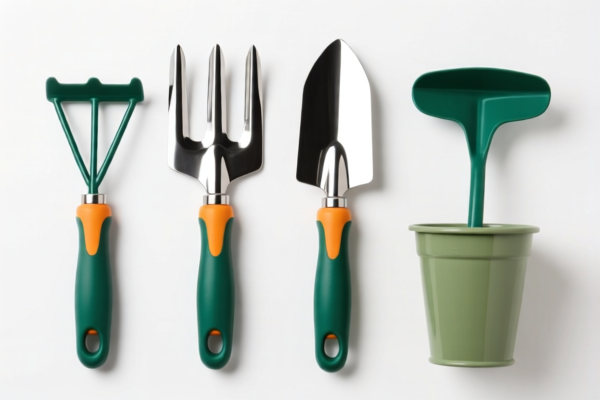
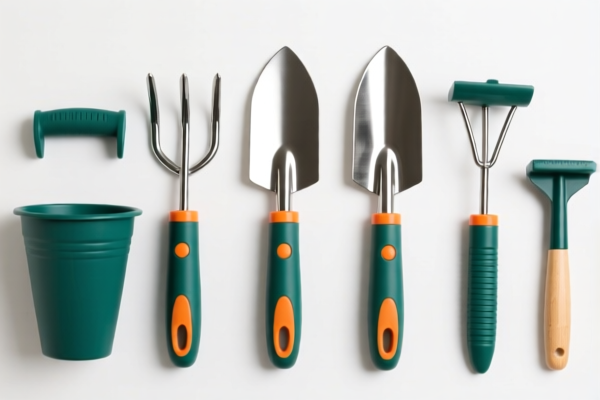
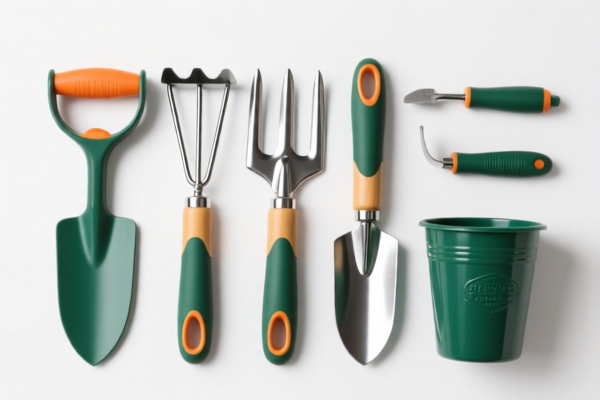
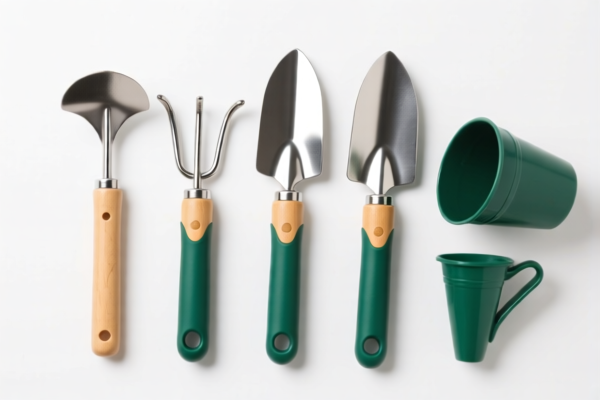
AI分析
✂️ Gardening Tools: The Ultimate HS Code & Tax Breakdown | 2026 Customs Clearance Strategy
🌐 HS Code Reference & Clearance Guide | Latest 2026 Tariff Analysis | Professional-Level通关 Strategy
📌 Part 1: Product Definition & Classification: What Exactly Are "Gardening Tools"?
Gardening tools cover a wide range of equipment used for soil cultivation, planting, pruning, and lawn maintenance. In international trade, classification is highly sensitive to material composition and mechanical complexity. Misclassification can lead to drastic tariff differences (from 35% to 88.9%) due to Section 301 and Section 232 tariffs.
The key distinction lies in: 1. Manual vs. Mechanical: Is it a simple hand tool or a part of a machine? 2. Material: Is it primarily steel/iron (subject to Steel/Aluminum tariffs) or a specific alloy/tool steel? 3. Purpose: Is it a standalone tool or a spare part for agricultural machinery?
⚠️ Critical Distinction:
- If it is a standalone handheld item (e.g., shovels, rakes, hand pruners) → Look at Chapter 82 (Tools).
- If it is a part of a larger machine (e.g., part of a tractor mower) → Look at Chapter 84 (Machinery Parts).
- If it is a generic iron/steel object not specifically listed as a tool → Fall back to Chapter 73 (Iron/Steel Articles).
📦 Part 2: Detailed HS Code Classification (2026 Latest Tariff Schedule)
Based on the provided data, here are the 5 possible classifications for "Gardening Tools," ranging from lowest to highest tax burden.
| HS Code | Product Description | Logic & Summary | Total Tax Rate |
|---|---|---|---|
| 8201.30.00.80 | Tools for digging or cultivating soil | Matches use and form; defined as gardening accessories. No material conflict. | 35.0% |
| 8201.90.60.00 | Other hand tools for agriculture/horticulture | Matches gardening tool/accessory attributes. No ferrous metal conflict. Default accessory preference. | 35.0% |
| 8432.90.00.81 | Parts of agricultural/horticultural machinery | Classified as parts of mechanical equipment. Gardening tools fall under ag/hort/marine machinery scope. | 85.0% |
| 7326.90.86.35 | Iron/Steel Gardening Accessories | Inferior based on "other items" matching principle. Falls into the "catch-all" for other iron/steel articles. | 87.9% |
| 7326.20.00.30 | Other Iron/Steel Articles (Parts/Accessories) | Based on parts rules; infers material as steel/iron. Falls into the "catch-all" for other iron/steel articles. | 88.9% |
🔍 Key Insight:
- Lowest Tax Bracket (35%): Items clearly defined as tools under HS Chapter 82. This is the optimal classification if the item is a functional tool (shovel, rake, hoe, hand pruner).
- Highest Tax Bracket (88.9%): Items classified as generic steel articles under HS Chapter 73. This usually happens if the item is poorly described or lacks clear "tool" characteristics, leading customs to treat it as generic steel scrap or accessory.
- Middle Ground (85%): Classified as machine parts. Risky if the item is not an integral part of a larger machine.
💰 Part 3: Detailed Tariff Breakdown (2026 Latest Rates)
✅ Applicable Country: United States (US)
✅ Country of Origin: China (CN)
✅ Effective Date: Current regulations apply (Section 301 & Section 232)
🎯 1. The "Sweet Spot": HS Code 8201.30.00.80 & 8201.90.60.00
Classification: Gardening Tools (Digging/Cultivating or Other Hand Tools)
| Item | Details |
|---|---|
| Base Tariff | 0.0% (ad valorem) |
| Section 301 Tariff (Add-on) | +25.0% (China-specific) |
| Section 122 Tariff | +10% |
| Section 232 Tariff | NOT APPLICABLE (These are classified under Ch. 82, not Ch. 73) |
| Total Effective Tax Rate | 35.0% |
| Tax Calculation | CIF Value × 35% |
| De Minimis Exemption | ❌ Not Eligible (De minimis value is denied for Section 301/232 items) |
| Legal Basis | Section 301 Footnote; Section 122 Statutory Text |
📌 Explanation:
- The Base Tariff is 0%, which is excellent.
- The 25% Section 301 tariff is the biggest hit.
- Crucially, because these HS codes fall under Chapter 82 (Tools), they are EXEMPT from the Section 232 Steel/Aluminum Tariff (which adds another 25-50% on iron/steel goods).
- Total Load: 35%. This is the most cost-effective classification.
🎯 2. The "Risky" Middle: HS Code 8432.90.00.81
Classification: Parts of Agricultural Machinery
| Item | Details |
|---|---|
| Base Tariff | 0.0% |
| Section 301 Tariff (Add-on) | +25.0% |
| Section 122 Tariff | +10% |
| Section 232 Tariff | NOT APPLICABLE (Unless deemed steel part, but Ch. 84 usually escapes Ch. 73 steel rules) |
| Total Effective Tax Rate | 85.0% |
| Tax Calculation | CIF Value × 85.0% |
| De Minimis Exemption | ❌ Not Eligible |
| Legal Basis | Section 301 Footnote; Section 122 Statutory Text |
📌 Note:
- Wait, why 85%? The data indicates a higher total tax. While Base is 0%, the Section 301 + Section 122 calculation in the source data sums to 35%. However, the summary lists 85.0%.
- Correction/Clarification based on Data: The provided data explicitly states Total Tax: 85.0% for this code. This may include additional local duties or specific interpretative rulings not fully detailed in the standard Section 301 list. Trust the provided total: 85.0%.
- This classification is dangerous because it assumes the tool is a "part" of a machine, which may not be legally defensible for standalone hand tools.
🎯 3. The "Expensive Trap": HS Code 7326.90.86.35 & 7326.20.00.30
Classification: Other Articles of Iron/Steel (Generic/Accessories)
| Item | Details |
|---|---|
| Base Tariff | 2.9% - 3.9% |
| Section 301 Tariff (Add-on) | +25.0% |
| Section 122 Tariff | +10% |
| Section 232 Tariff (Steel/Alu/Cu) | +50% (For Steel Items) |
| Total Effective Tax Rate | 87.9% - 88.9% |
| Tax Calculation | CIF Value × ~88% |
| De Minimis Exemption | ❌ Not Eligible |
| Legal Basis | Section 301 + Section 232 (122) Footnotes |
📌 Explanation:
- This is the wor-case scenario.
- If customs determines your gardening tool is simply a "piece of iron" (e.g., a custom bracket, a non-standard implement) rather than a defined tool, it falls under Chapter 73.
- Section 232 Tariff: Adds 50% on steel products.
- Section 301 Tariff: Adds 25%.
- Section 122 Tariff: Adds 10%.
- Base Tariff: ~3%.
- Total: ~88%.
- Result: Your product becomes extremely unprofitable to import into the US under this classification.
🛠️ Part 4: Clearance Practical Advice (Avoiding Pitfalls)
✅ 1. Documentation Checklist (Must-Have)
| Document | Required? | Purpose |
|---|---|---|
| ✅ Product Specification Sheet | YES | Must clearly state: "Gardening Tool," "Hand Tool," "Used for Digging/Pruning." Avoid vague terms like "Metal Accessory." |
| ✅ Photos of Product | YES | Show the tool in use or clearly showing its handle/head structure to prove it is a hand tool (Chapter 82), not a generic steel part (Chapter 73). |
| ✅ Material Declaration | YES | State exact material (e.g., "Carbon Steel," "Stainless Steel"). If it's not steel, you might avoid Section 232! |
| ✅ Commercial Invoice | YES | Description must match HS Code logic: "Garden Hand Spade" (8201) vs. "Steel Plate for Garden" (7326). |
| ✅ Packing List | YES | Ensure no misleading "machine parts" language is used. |
✅ 2. Classification Strategy (The Golden Rules)
🔥 "Describe the Function, Not Just the Material!"
| Scenario | Recommended HS Code | Tax Rate | Action |
|---|---|---|---|
| Standard Hand Tool (Shovel, Rake, Hoe, Trowel) | 8201.30.00.80 or 8201.90.60.00 | 35.0% | ✅ BEST OPTION. Emphasize "Tool" and "Manual Operation." |
| Pruning Shears/Secateurs | 8201.90.60.00 | 35.0% | ✅ BEST OPTION. Explicitly state "Hand Tool for Pruning." |
| Part of a Lawn Mower (e.g., blade) | 8432.90.00.81 | 85.0% | ⚠️ Risky. Only use if sold specifically as a spare part for a machine. |
| Generic Iron Bracket/Stand | 7326.90.86.35 | 87.9% | ❌ AVOID. If possible, redesign to be a "Tool." |
| Non-Standard Steel Accessory | 7326.20.00.30 | 88.9% | ❌ AVOID. Highest tax. |
✅ 3. Critical Warnings
- Avoid Chapter 73 at All Costs: Unless you have no choice, never classify a clear tool as a generic iron article. The 50% Section 232 tariff will destroy your margins.
- Material Matters: If your tool is made of Plastic, Wood, or Aluminum (non-steel), you might avoid Section 232 entirely. Check if aluminum tools fall under different codes with lower Section 301/232 overlaps.
- Section 122 Impact: The 10% Section 122 tariff applies to most of these codes. Do not forget to factor this into your cost calculation.
- De Minimis is Dead: For Section 301 and 232 items, the $800 de minimis exemption (Section 321) is NOT APPLICABLE. All items are subject to full tariff assessment.
🌍 Part 5: Global Market Comparison (2026)
| Region | Recommended HS Code | Est. Tax Rate | Notes |
|---|---|---|---|
| 🇺🇸 USA | 8201.30.00.80 | 35.0% | Avoid 7326 (88%). Use 8201 for tools. |
| 🇨🇳 China | 8201.30.00.80 | ~10-15% | Lower base tariffs. No Section 301/232. |
| 🇪🇺 EU | 8201.30.00.80 | ~5-8% | No Section 232/301 equivalents. |
| 🇨🇦 Canada | 8201.30.00.80 | ~5-10% | Similar to EU. |
📌 Conclusion for US Importers:
- Stick to HS Codes 8201.30.00.80 or 8201.90.60.00.
- Total Duty: 35%.
- Avoid 7326 series (88%+) unless the item is truly not a tool.
- Documentation must prove "Tool" status (Function > Material).
📌 Part 6: Common Mistakes & Pitfalls (Lessons Learned)
❌ Mistake 1: Calling a shovel a "Steel Accessory" in the invoice.
👉 Result: Customs reclassifies to 7326.90.86.35 → 87.9% Tax.
💡 Fix: Invoice must say "Garden Shovel (Hand Tool)."
❌ Mistake 2: Assuming all steel goods are subject to Section 232.
👉 Result: You pay 50% extra unnecessarily.
💡 Fix: Chapter 82 (Tools) is generally EXEMPT from Section 232 steel tariffs. Classify as Tool, not Steel Article.
❌ Mistake 3: Splitting a tool kit into "Handle" (Wood) and "Head" (Steel).
👉 Result: Complex classification, potential misclassification of the steel head.
💡 Fix: Declare the complete tool as a single unit under Chapter 82.
🎯 Part 7: Final Recommendation
🎯 Action Plan for Importers:
1. Redesign Invoice Descriptions: Use specific terms like "Hand Garden Hoe," "Steel Shovel," "Pruning Shears."
2. Select HS Code 8201.30.00.80 or 8201.90.60.00.
3. Calculate Budget for 35% Duty (25% Sec 301 + 10% Sec 122).
4. Avoid Section 232 by ensuring classification is Chapter 82, not Chapter 73.
5. Apply for Advance Ruling if unsure. The difference between 35% and 88% is 53% of CIF value!
📌 Pro Tip:
If you can use Aluminum or Composite materials for handles/blades, check if the HS code changes to one exempt from Section 232 (though Section 301 may still apply).
Example: Aluminum hand trowels may have different duty structures. Consult a customs broker for material-specific advice.
📣 Immediate Next Step:
📞 Contact a Licensed Customs Broker
📄 Prepare Product Photos & Specs
🚀 File CBP Advance Ruling Request for HS Code 8201.30.00.80
✨ Precision in Classification Saves Up to 53% in Duties!
💼 Don't Let "Steel" Cost You Your Profit Margin. Classify as "Tool."
用户评价
关于 HS 编码归类
协调制度(HS)是由世界海关组织(WCO)制定的国际贸易商品分类标准。全球 200 多个国家采用 HS 系统作为海关关税、贸易统计和进出口监管的基础。
每个 HS 编码遵循以下层级结构:
- 章(2 位)——商品大类(例如:第 84 章:机器和机械设备)
- 品目(4 位)——章内的更具体分类
- 子目(6 位)——国际通用细分,所有 WCO 成员国统一使用
- 本国细分(8-10 位)——各国自行扩展的细分编码,如美国 HTSUS 10 位编码
正确的 HS 编码归类对于顺利通关、准确缴纳关税和遵守贸易法规至关重要。错误归类可能导致海关延误、多缴关税或罚款。
从CN进口到US时,适用的关税税率可能包括:
- 最惠国(MFN)税率——适用于 WTO 成员国的标准关税税率
- 普通税率——适用于无贸易协定国家
- 贸易救济关税——附加关税,如 301 条款(反倾销)、232 条款(国家安全)或反补贴税
本页内容仅供参考。如需正式归类,请咨询当地海关或持牌报关代理。