Gasket
CN → US| HS编码 | 关税税率 | 原产国 | 目的国 | 文档 |
|---|---|---|---|---|
| 8484900000 | 37.5% | CN | US | 官方文档 |
| 4016935010 | 37.5% | CN | US | 官方文档 |
| 3926904510 | 38.5% | CN | US | 官方文档 |
| 4016931010 | 37.5% | CN | US | 官方文档 |
| 8484900000 | 37.5% | CN | US | 官方文档 |
商品图片
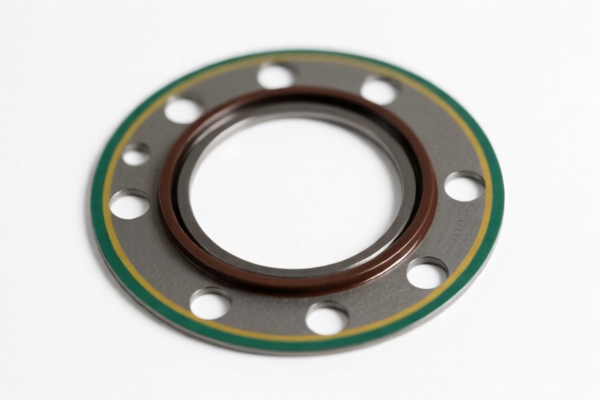
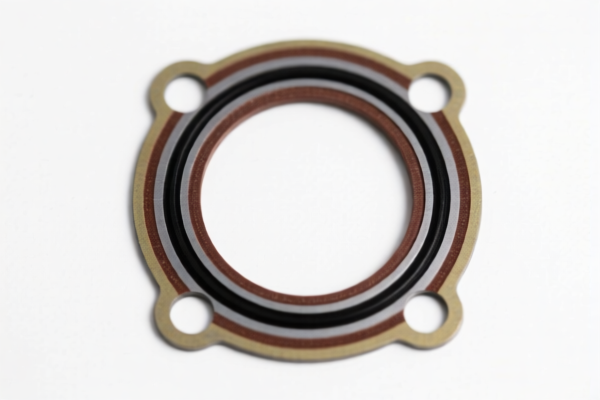
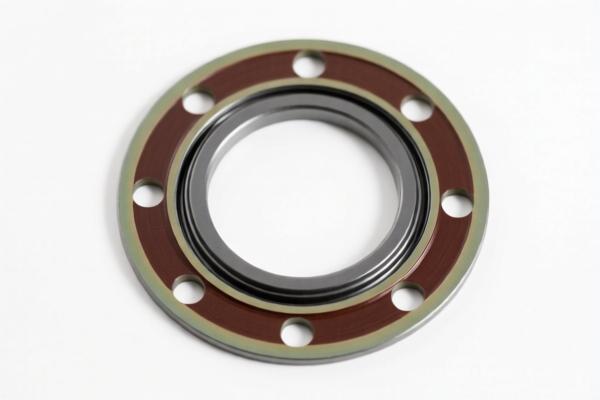
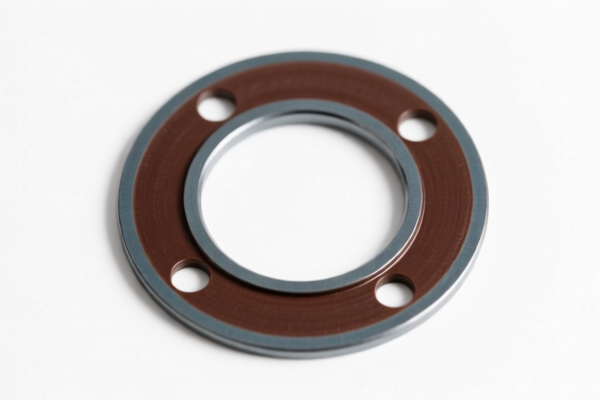
AI分析
🛠️ Gaskets & Seals (Rubber, Metal, and Composite)
🌐 HS Code Reference & Customs Clearance Guide | 2026 Latest Tariff Analysis | Professional Clearance Strategy
📌 I. Product Definition & Classification: Do You Really Understand “Gaskets”?
Gaskets are critical sealing components used in mechanical systems to prevent leakage of fluids or gases under pressure. In international trade, they are not a single homogeneous category. They are strictly classified based on material composition, function, and structural integrity.
Misclassification is the #1 cause of customs delays and tariff penalties for gaskets.
Two Main Categories:
- Rubber/Elastomeric Gaskets (HS Chapter 40 & 39): Made from natural/synthetic rubber or plastic-based elastomers. These are flexible, non-metallic sealing rings or discs.
- Mechanical/Metallic Gaskets (HS Chapter 84): Made of metal, or combinations of metal with non-metallic fillers (e.g., spiral wound gaskets, metallic ring joints). These are often considered "parts of machinery" rather than simple material goods.
⚠️ Key Distinction Point:
- If it is pure rubber or plastic/elastomer → It belongs to Chapter 40 (Rubber) or Chapter 39 (Plastics).
- If it is metal-based or a composite mechanical seal (designed as a specific machine part) → It belongs to Chapter 84 (Machinery Parts).
📦 II. HS Code Classification Details (2026 Latest Tariff Authority对照)
Based on the provided data, here is the authoritative breakdown for Gaskets/Seals:
| HS Code | Product Description | Material Composition | Key Application Scenario | Total Tax Rate (China Origin → US) |
|---|---|---|---|---|
8484.90.00.00 |
Mechanical Seals or Metallic Gaskets | Metal / Composite | Heavy machinery, industrial piping, high-pressure seals | 37.5% |
4016.93.50.10 |
Rubber Gaskets (Sulfurized Rubber) | Sulfurized Rubber | General sealing, automotive, hoses, standard rubber washers | 37.5% |
4016.93.10.10 |
Rubber Gaskets (General) | Rubber (General) | Standard rubber discs, seals, non-specific rubber gaskets | 37.5% |
3926.90.45.10 |
Plastic/Synthetic Rubber Gaskets | Plastic / Synthetic Rubber | Synthetic elastomers, non-natural rubber composites, plastic seals | 38.5% |
🔍 Critical Note:
- All listed codes carry significant additional tariffs due to US-China trade policies (Section 301 and IEEPA).
-8484.90.00.00is often used for metallic gaskets or complex mechanical seals that are integral parts of pumps, compressors, or valves.
-4016series is for rubber gaskets. The sub-code depends on the specific rubber type (e.g., vulcanized vs. other).
-3926is for plastic/synthetic gaskets, which may have a slightly higher base tariff (3.5% vs 2.5%).
💰 III. 2026 Latest Tariff Rate Breakdown (Including Surtaxes)
✅ Applicable Country: United States (US)
✅ Origin: China (CN)
✅ Effective Date: November 10, 2025 (and ongoing)
🎯 1. 8484.90.00.00 – Mechanical Seals / Metallic Gaskets
| Item | Content |
|---|---|
| Base Duty | 2.5% (Ad Valorem) |
| Section 301 Surtax | +25.0% (USITC Footnote) |
| IEEPA Surtax | +10.0% (China-specific) |
| Total Tax Rate | 37.5% |
| Tax Calculation | CIF Value × 37.5% |
| De Minimis Exemption | ❌ Not Eligible (Section 301 goods are excluded from $800 de minimis) |
| Legal Basis Path | USITC:8484.90.00.00 → Section 301: +25% → IEEPA: +10% |
📌 Explanation:
- Metallic gaskets are often viewed as "parts of machinery" (Chapter 84), which retains the 2.5% base rate.
- However, because they are subject to Section 301 (25%) and IEEPA (10%), the total effective duty is 37.5%.
- Risk: Customs may scrutinize whether a composite gasket should be classified as "rubber" (4016) or "mechanical seal" (8484). Misclassification can lead to back-taxes.
🎯 2. 4016.93.50.10 & 4016.93.10.10 – Rubber Gaskets
| Item | Content |
|---|---|
| Base Duty | 2.5% (Ad Valorem) |
| Section 301 Surtax | +25.0% (USITC Footnote) |
| IEEPA Surtax | +10.0% (China-specific) |
| Total Tax Rate | 37.5% |
| Tax Calculation | CIF Value × 37.5% |
| De Minimis Exemption | ❌ Not Eligible |
| Legal Basis Path | USITC:4016.93.xx.xx → Section 301: +25% → IEEPA: +10% |
📌 Explanation:
- Natural rubber and vulcanized rubber gaskets fall under Heading 4016.
- The base duty is low (2.5%), but the Section 301 and IEEPA surcharges apply equally.
- Distinction between .50.10 and .10.10:
-.50.10is for sulfurized rubber (vulcanized).
-.10.10is for other rubber forms.
- Ensure your Bill of Lading and Invoice specify the rubber type clearly.
🎯 3. 3926.90.45.10 – Plastic/Synthetic Rubber Gaskets
| Item | Content |
|---|---|
| Base Duty | 3.5% (Ad Valorem) |
| Section 301 Surtax | +25.0% (USITC Footnote) |
| IEEPA Surtax | +10.0% (China-specific) |
| Total Tax Rate | 38.5% |
| Tax Calculation | CIF Value × 38.5% |
| De Minimis Exemption | ❌ Not Eligible |
| Legal Basis Path | USITC:3926.90.45.10 → Section 301: +25% → IEEPA: +10% |
📌 Explanation:
- Synthetic rubbers or plastic-based seals may fall under Chapter 39.
- Higher Base Rate: The base duty is 3.5% (1% higher than rubber), resulting in a 38.5% total rate.
- Classification Risk: Many "synthetic rubbers" are actually vulcanized elastomers that should be classified under 4016. Misclassifying as plastic (3926) can lead to overpayment (if 4016 was correct) or underpayment penalties (if 3926 was incorrect for a rubber-like material).
🛠️ IV. Customs Clearance Practical Advice (Avoid Pitfalls)
✅ 1. Required Documentation Checklist
| Document | Mandatory? | Purpose |
|---|---|---|
| ✅ Material Specification Sheet | ✔️ | Must specify: Natural Rubber, Vulcanized Rubber, Synthetic Rubber, or Metal. |
| ✅ Technical Data Sheet | ✔️ | Shows dimensions, hardness (Shore A), temperature resistance. |
| ✅ Commercial Invoice | ✔️ | Must list: "Gasket", "Seal", "Rubber/Metal", Material, Quantity, Unit Price. |
| ✅ Packing List | ✔️ | Include packaging weight to calculate CIF accurately. |
| ✅ Origin Certificate (CO) | ✔️ | Proof of China origin for tariff calculation. |
✅ 2. Declaration Tips (Key Mantras)
🔥 “Material First, Function Second, Name Precise!”
| Scenario | Correct Declaration | Common Error |
|---|---|---|
| Rubber O-ring | 4016.93.10.10 – Rubber Gasket, Sulfurized |
❌ "Seal" (Too vague) |
| Metallic Flat Gasket | 8484.90.00.00 – Mechanical Seal, Metallic |
❌ "Rubber Gasket" |
| Plastic Washer | 3926.90.45.10 – Plastic Part, Gasket |
❌ "Rubber Gasket" |
| Composite Spiral Wound Gasket | 8484.90.00.00 – Mechanical Seal |
❌ Splitting into metal + rubber parts |
📌 Key Rule:
- Do not simply declare "Gasket".
- Do not split a composite gasket (e.g., metal ring + rubber filler) into separate HS codes unless they are packed separately and billed separately. They must be classified as a single machine part under 8484.90.00.00.
✅ 3. Special Handling Cases
| Situation | Handling Advice |
|---|---|
| OEM Custom Gaskets | Provide drawings showing material composition. If it’s a custom seal for a specific pump, classify under 8484. |
| Small Rubber Rings (O-Rings) | Ensure they are classified as 4016 (Rubber), not 8484 (Mechanical Part), unless they are part of a larger assembled seal. |
| High-Temperature Metal Gaskets | Must be 8484.90.00.00. Do not misclassify as rubber if they are metal. |
| Pre-Insured Shipments | All gaskets from China are subject to Section 301. Do not assume de minimis exemption applies. |
🌍 V. Global Market Comparison (2026)
| Country/Region | Recommended HS Code | Base Duty | Additional Surtaxes | Total Effective Rate | Notes |
|---|---|---|---|---|---|
| 🇺🇸 USA | 4016 / 8484 |
2.5% – 3.5% | +25% (301) +10% (IEEPA) | 37.5% – 38.5% | High barrier. No de minimis. |
| 🇨🇳 China | 4016 / 8484 |
2.5% – 5% | None | ~2.5% – 5% | Low import cost. |
| 🇪🇺 EU | 4016 / 8484 |
0% – 4.5% | None | 0% – 4.5% | No trade war surtaxes. |
| 🇲🇽 Mexico | 4016 / 8484 |
0% – 3% | None (USMCA) | 0% – 3% | If manufactured in Mexico. |
| 🇻🇳 Vietnam | 4016 / 8484 |
0% – 5% | None (Check Rules of Origin) | Low | Potential tariff avoidance route, but strict origin verification. |
📌 Conclusion:
- The US is the most expensive market for Chinese-made gaskets due to layered tariffs.
- Europe and Asia offer significantly lower duties.
- Supply Chain Strategy: Consider sourcing gaskets from Vietnam, Mexico, or Thailand to avoid IEEPA and Section 301 surtaxes, provided the substantial transformation rule is met.
📌 VI. Common Mistakes & Pitfalls (Blood & Tears Lessons)
❌ Mistake 1: Declaring a Metallic Gasket as Rubber Gasket (4016)
👉 Consequence: Customs will reclassify it to 8484 (or penalize for fraud). 37.5% still applies, but you face delay + storage fees.
❌ Mistake 2: Splitting a Composite Gasket into separate line items
👉 Consequence: If not properly justified, customs may assess 8484 for the whole item, or deny the lower duty for the rubber portion. Always declare as one unit.
❌ Mistake 3: Using "Gasket" without specifying Material
👉 Consequence: Customs will use the highest applicable duty or request additional documentation, causing clearance delays.
❌ Mistake 4: Assuming De Minimis ($800) applies
👉 Consequence: Section 301 and IEEPA goods are EXCLUDED from de minimis. Even a $100 shipment of rubber gaskets from China is subject to 37.5% duty.
✅ Correct Practice:
“Rubber Gasket, Vulcanized, 50mm OD, 30mm ID, 5mm Thick, For Hydraulic System, Material: Nitrile Rubber, Model XYZ”
🎯 VII. Conclusion: Precise Classification Saves Money!
🎯 Remember the Mantra:
🔹 “Metal = 8484, Rubber = 4016, Plastic = 3926.”
🔹 “China Origin = +35% Surtax, No De Minimis.”
🔹 “Composite = One HS Code, Never Split.”
📌 Pro Tip:
If you are exporting gaskets to the US, consider origin diversification.
- Vietnam/Mexico may offer 0% duty if the rubber/plastic is sourced from non-China regions or if substantial transformation occurs.
- Apply for an Advance Ruling (CBP Ruling) before your first shipment to confirm the correct HS code and tax liability.
📣 Immediate Action:
📞 Verify Material Composition with your supplier.
📄 Prepare Detailed Technical Specs for Customs.
🚀 Consult a Customs Broker to confirm HS Code for your specific gasket type.
✨ Professional Clearance, Start with Accurate Classification!
💼 Your Margins Depend on Correct Tariff Codes!
用户评价
关于 HS 编码归类
协调制度(HS)是由世界海关组织(WCO)制定的国际贸易商品分类标准。全球 200 多个国家采用 HS 系统作为海关关税、贸易统计和进出口监管的基础。
每个 HS 编码遵循以下层级结构:
- 章(2 位)——商品大类(例如:第 84 章:机器和机械设备)
- 品目(4 位)——章内的更具体分类
- 子目(6 位)——国际通用细分,所有 WCO 成员国统一使用
- 本国细分(8-10 位)——各国自行扩展的细分编码,如美国 HTSUS 10 位编码
正确的 HS 编码归类对于顺利通关、准确缴纳关税和遵守贸易法规至关重要。错误归类可能导致海关延误、多缴关税或罚款。
从CN进口到US时,适用的关税税率可能包括:
- 最惠国(MFN)税率——适用于 WTO 成员国的标准关税税率
- 普通税率——适用于无贸易协定国家
- 贸易救济关税——附加关税,如 301 条款(反倾销)、232 条款(国家安全)或反补贴税
本页内容仅供参考。如需正式归类,请咨询当地海关或持牌报关代理。