General Purpose Plastic Handles
CN → US| HS编码 | 关税税率 | 原产国 | 目的国 | 文档 |
|---|---|---|---|---|
| 3926902500 | 24.0% | CN | US | 官方文档 |
| 8205513060 | 38.7% | CN | US | 官方文档 |
| 3926301000 | 24.0% | CN | US | 官方文档 |
| 8205595560 | 40.3% | CN | US | 官方文档 |
| 8481909085 | 85.0% | CN | US | 官方文档 |
商品图片
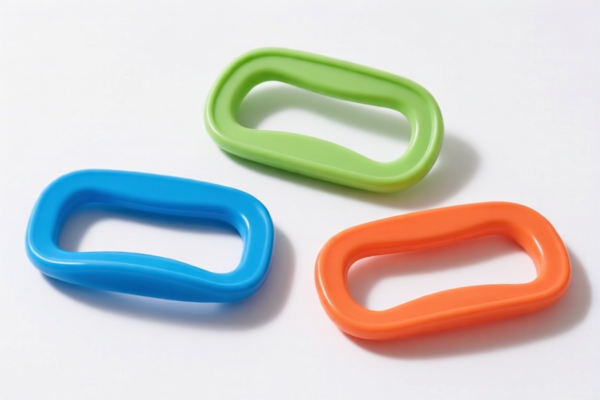
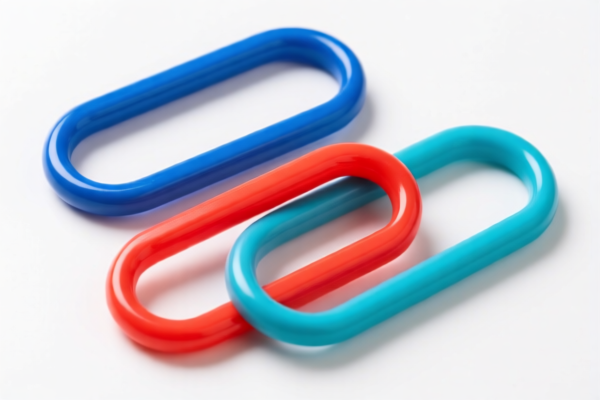
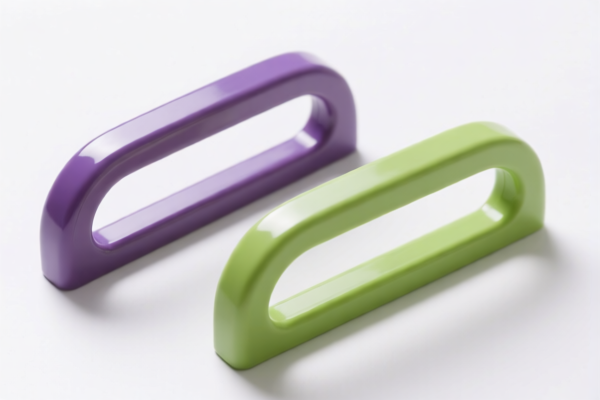
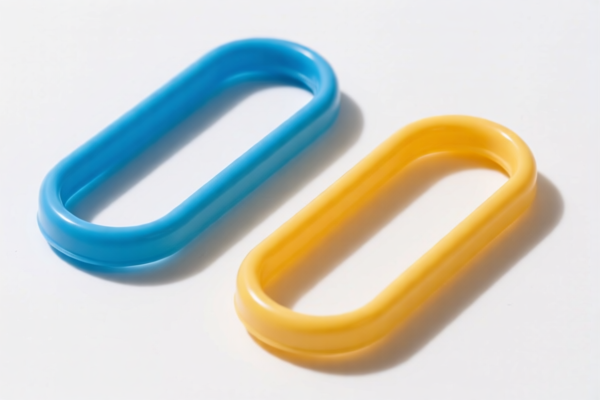
AI分析
🧰 General Purpose Plastic Handles (The "Swiss Army Knife" of Hardware)
🌐 HS Code Reference & Clearance Guide | 2026 Latest Tariff Analysis | Professional Customs Strategy
📌 I. Product Definition & Classification: What Exactly Are You Importing?
"General Purpose Plastic Handles" is a broad term that covers everything from cabinet knobs to tool grips. However, in international trade, function and material dictate the HS Code. Misclassifying these can lead to drastic tax differences (from 24% to 85%).
The Core Dilemma:
Are these handles:
1. Plastic Articles (Classified under Chapter 39)?
2. Parts of Hand Tools (Classified under Chapter 82)?
3. Parts of Valves/Pipes (Classified under Chapter 84)?
⚠️ Key Distinction Point:
- If the handle is a standalone consumer good (e.g., for furniture, doors, generic knobs) → Chapter 39.
- If the handle is a critical component of a manual tool (e.g., screwdriver, hammer, wrench) → Chapter 82.
- If the handle operates a valve or fluid control system → Chapter 84.
📦 II. HS Code Classification Matrix (2026 Data Based)
Based on the provided data, here are the 5 possible HS Codes for plastic handles, ranging from low to high tax implications.
| HS Code | Product Description & Logic | Total Tax Rate | Tax Breakdown |
|---|---|---|---|
| 3926.90.25.00 | Plastic Handles, Knobs, & Controls Generic plastic handles not specified elsewhere (e.g., furniture, appliances). |
24.0% | Base: 6.5% Add-on: 7.5% Section 301 (122): 10% |
| 3926.30.10.00 | Plastic Handles & Knobs (Specific) Similar to above, often used for industrial knobs or specific plastic fittings. |
24.0% | Base: 6.5% Add-on: 7.5% Section 301 (122): 10% |
| 8205.51.30.60 | Parts of Hand Tools: Plastic Handles Plastic handles specifically designed as grips for manual tools (screwdrivers, pliers). |
38.7% | Base: 3.7% Add-on: 25.0% Section 301 (122): 10% |
| 8205.59.55.60 | Other Parts of Hand Tools Plastic handles inferred as parts of other hand tools not specified elsewhere. |
40.3% | Base: 5.3% Add-on: 25.0% Section 301 (122): 10% |
| 8481.90.90.85 | Plastic Valve Handles Handles used for operating valves (plumbing, industrial fluid control). |
85.0% (or 135% for Steel/Alu/Cu) |
Base: 0.0% Add-on: 25.0% Section 301 (122): 10% Note: Metal valves attract +50% extra! |
💰 III. Detailed Tariff Structure & Legal Basis
✅ Applicable Country: USA
✅ Origin: China (CN)
✅ Effective Time: 2025/2026 Regulations
🎯 1. The "Low Tax" Route: Chapter 39 (Plastics)
HS Codes: 3926.90.25.00 & 3926.30.10.00
Total Rate: 24%
| Component | Rate | Source |
|---|---|---|
| Base Duty | 6.5% | HTSUS General Rate |
| Section 301 (45% List) | 7.5% | USITC Trade Remedy |
| Section 301 (122 List) | 10% | IEEPA Executive Order |
| Total | 24.0% | Ad Valorem |
📌 Interpretation:
- This is the most favorable classification if the item is a generic plastic handle not tied to a specific tool mechanism.
- Risk: Customs may challenge this if the handle is clearly a part of a tool (e.g., a screwdriver handle). They may reclassify it under Chapter 82.
🎯 2. The "Tool Part" Route: Chapter 82 (Miscellaneous Articles of Iron/Steel)
HS Codes: 8205.51.30.60 & 8205.59.55.60
Total Rate: 38.7% – 40.3%
| Component | Rate | Source |
|---|---|---|
| Base Duty | 3.7% - 5.3% | HTSUS General Rate |
| Section 301 (45% List) | 25.0% | USITC Trade Remedy (High!) |
| Section 301 (122 List) | 10% | IEEPA Executive Order |
| Total | 38.7% - 40.3% | Ad Valorem |
📌 Interpretation:
- Why is the base duty low (3.7-5.3%) but total high (40%)? Because Part 3 of Section 301 imposes a 25% surcharge on "parts of hand tools."
- Even though the handle is plastic, if it's a part of a steel/iron tool, it inherits the higher tariff rate.
🎯 3. The "High Risk" Route: Chapter 84 (Valves)
HS Code: 8481.90.90.85
Total Rate: 85.0% (+50% if valve body is metal)
| Component | Rate | Source |
|---|---|---|
| Base Duty | 0.0% | HTSUS General Rate |
| Section 301 (45% List) | 25.0% | USITC Trade Remedy |
| Section 301 (122 List) | 10% | IEEPA Executive Order |
| Metal Product Surcharge | +50% | If valve is steel/aluminum/copper |
| Total | 85.0% (or 135%) | Ad Valorem |
📌 Interpretation:
- Zero base duty does NOT mean cheap! The 25% + 10% add-ons make it expensive.
- Critical Warning: If the valve body is made of steel, aluminum, or copper, an additional 50% is added. This is a trap for importers.
🛠️ IV. Customs Clearance Recommendations (Practical Pitfall Guide)
✅ 1. Documentation Checklist (Must-Have)
| Document | Requirement | Why? |
|---|---|---|
| Commercial Invoice | Must specify: "Plastic Handle," "Material: PP/PE/Nylon," "Usage: Furniture/Tool/Valve" | Determines HS Code chapter (39 vs 82 vs 84). |
| Product Photos | Clear images of the handle, including context (e.g., attached to a screwdriver or valve). | Proves if it's a "standalone" or a "part." |
| Technical Specification | List of material composition, dimensions, and end-use. | Customs uses end-use to classify parts. |
| Bill of Materials (BOM) | If sold as a kit, show which part is the handle. | Prevents "kit breakdown" penalties. |
✅ 2. Strategic Declaration Tips
🔥 "Context is King! Don't just say 'Plastic Handle'!"
| Scenario | Recommended HS Code | Strategy |
|---|---|---|
| Cabinet/Furniture Handle | 3926.90.25.00 |
Declare as "Plastic Furniture Knob/Handle." Avoid words like "tool part." |
| Screwdriver/Plier Grip | 8205.51.30.60 |
Declare as "Handle for Manual Hand Tool." Be prepared for 38.7% tax. |
| Valve Handwheel/Knob | 8481.90.90.85 |
Declare as "Valve Control Handle." Check if valve body is metal to assess 135% risk. |
| Mixed Shipment | Split Lines | Do not mix furniture handles and tool handles on one line item. Split them to avoid misclassification penalties. |
✅ 3. Critical Warnings
-
❌ Error 1: Misclassifying Tool Parts as Generic Plastics
- Risk: Customs reclassifies
3926.90.25.00(24%) to8205.51.30.60(38.7%). - Result: You owe the difference + penalties.
- Fix: If it's a tool grip, declare it as such.
- Risk: Customs reclassifies
-
❌ Error 2: Ignoring the "Metal Valve" Trap
- Risk: Declaring a plastic handle for a steel valve as
8481.90.90.85(85%) without noting the metal body. - Result: If flagged, you face 135% tax.
- Fix: Ensure the valve body material is clearly stated. Consider importing handles separately if possible (though difficult for complete units).
- Risk: Declaring a plastic handle for a steel valve as
-
❌ Error 3: Vague Descriptions
- Risk: Using "Plastic Handle" alone.
- Result: Customs uses their best judgment, likely choosing the highest duty rate.
- Fix: Use precise language: "PP Plastic Cabinet Handle, Model X" or "Nylon Grip for Hex Key, Model Y."
🌍 V. Global Market Comparison (2026)
| Region | Preferred HS Code | Est. Total Duty | Notes |
|---|---|---|---|
| 🇺🇸 USA | 3926.90.25.00 |
24% | Best for generic handles. High risk if classified as tool parts. |
| 🇺🇸 USA | 8205.51.30.60 |
38.7% | For tool grips. High due to 25% Section 301. |
| 🇪🇺 EU | 3926.90 |
Varies | EU generally has lower base duties but high VAT. Check local rules. |
| 🇨🇳 China | 3926.90 |
5-10% | Lower import duty, but watch out for anti-dumping on specific plastics. |
📌 Conclusion:
- The USA is the most complex market due to Section 301 tariffs.
- Generic plastic handles (furniture/appliance) are the safest bet at 24%.
- Tool parts and Valve parts carry significant surcharges (up to 85%+).
📌 VI. Common Mistakes & Pitfalls (Blood Lessons)
❌ Mistake 1: Packing tool handles and furniture handles together in one box without separate line items.
👉 Consequence: Customs may classify the entire shipment under the highest duty rate applicable to any item.
❌ Mistake 2: Calling a "Valve Handle" a "Plastic Knob."
👉 Consequence: If it controls a fluid system, it falls under Chapter 84. If the valve is metal, the tax jumps to 135%.
❌ Mistake 3: Assuming "Plastic" always means Chapter 39.
👉 Consequence: If it's a part of a hand tool (Chapter 82), it gets hit with the 25% Section 301 surcharge, even if the material is plastic.
✅ Correct Approach:
"Be Specific. Be Honest. Be Strategic."
Use descriptions like:
- "Plastic Cabinet Handle, PP Material, No Tool Function" →3926.90.25.00
- "Plastic Grip for Manual Screwdriver" →8205.51.30.60
🎯 VII. Final Advice: Cost Optimization Strategy
🎯 Key Takeaway:
🔹 If you can prove it's NOT a tool part, use Chapter 39 (24%).
🔹 If it IS a tool part, budget for Chapter 82 (38.7%).
🔹 If it's for a valve, check the valve body material. Metal = 135% Risk!
📌 Pro Tip:
If you import plastic handles for tools, consider pre-cutting the supply chain:
- Import the tool head (steel) and the handle (plastic) separately if possible.
- However, be aware: A standalone plastic handle declared as "handle" might still be classified as a "part of a tool" if the customs officer deems it "intended for use only as such."
📣 Immediate Action:
📞 Consult a Customs Broker before shipping.
📄 Provide Detailed Product Photos showing the handle's intended use.
📝 Get a Binding Ruling from CBP if the shipment value is high.
✨ Smart Classification = Lower Taxes = Higher Profit!
💼 Don't let "Plastic Handle" cost you an arm and a leg in tariffs!
用户评价
关于 HS 编码归类
协调制度(HS)是由世界海关组织(WCO)制定的国际贸易商品分类标准。全球 200 多个国家采用 HS 系统作为海关关税、贸易统计和进出口监管的基础。
每个 HS 编码遵循以下层级结构:
- 章(2 位)——商品大类(例如:第 84 章:机器和机械设备)
- 品目(4 位)——章内的更具体分类
- 子目(6 位)——国际通用细分,所有 WCO 成员国统一使用
- 本国细分(8-10 位)——各国自行扩展的细分编码,如美国 HTSUS 10 位编码
正确的 HS 编码归类对于顺利通关、准确缴纳关税和遵守贸易法规至关重要。错误归类可能导致海关延误、多缴关税或罚款。
从CN进口到US时,适用的关税税率可能包括:
- 最惠国(MFN)税率——适用于 WTO 成员国的标准关税税率
- 普通税率——适用于无贸易协定国家
- 贸易救济关税——附加关税,如 301 条款(反倾销)、232 条款(国家安全)或反补贴税
本页内容仅供参考。如需正式归类,请咨询当地海关或持牌报关代理。