Glass Sheet
CN → US| HS编码 | 关税税率 | 原产国 | 目的国 | 文档 |
|---|---|---|---|---|
| 7005290810 | 0.0% | CN | US | 官方文档 |
| 7005290410 | 35.0% | CN | US | 官方文档 |
| 7003120000 | 36.4% | CN | US | 官方文档 |
| 7004901000 | 35.0% | CN | US | 官方文档 |
| 7004900500 | 35.0% | CN | US | 官方文档 |
商品图片
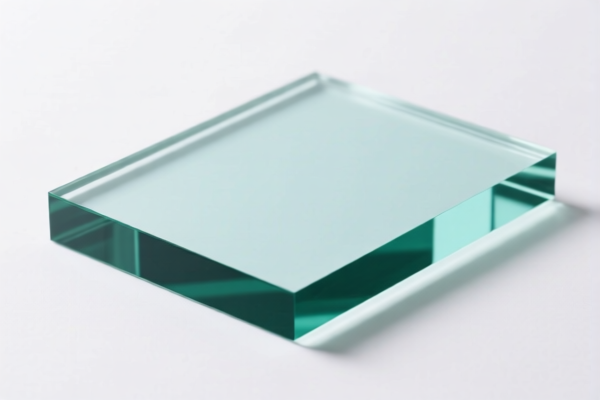
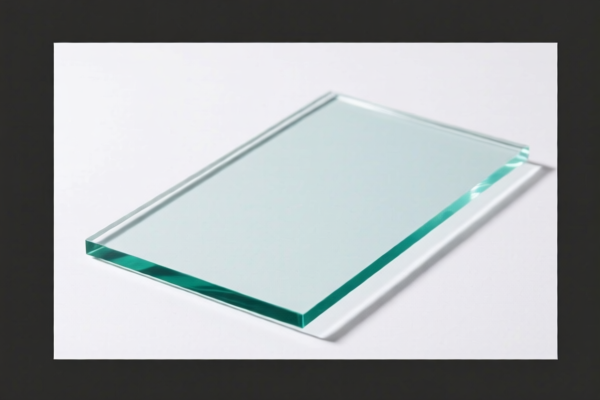
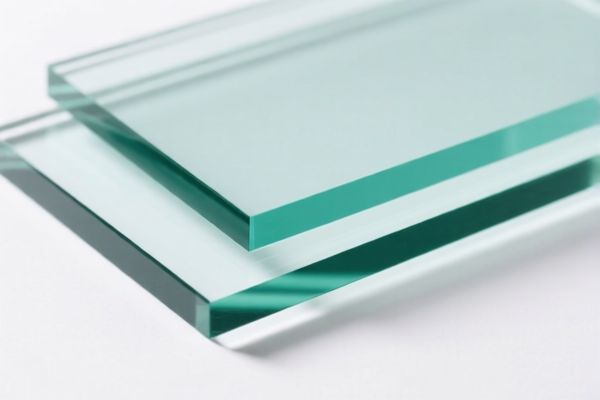
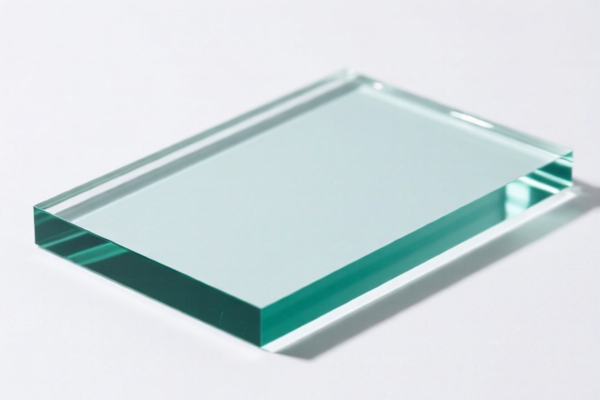
AI分析
🪟 Glass Sheets (Flat Glass)
🌐 HS Code Reference & Customs Clearance Guide | 2026 Latest Tariff Analysis | Professional Compliance Strategy
📌 I. Product Definition & Classification: Do You Really Understand "Glass Sheets"?
Glass sheets, in international trade, are primarily categorized by their manufacturing process and physical state. The Harmonized System (HS) distinguishes between Float Glass, Rolled/Pressed Glass, and Drawn/Blown Glass. Misclassification can lead to significant tariff discrepancies due to the complex US trade policies (Section 301 and IEEPA) applied to Chinese-origin goods.
⚠️ Key Distinction Point:
- Float Glass (浮法玻璃): Produced by floating molten glass on molten tin. It is the standard for high-quality flat glass. → HS 7005.29
- Rolled/Pressed Glass (压制或轧制): Made by passing molten glass through rollers to flatten it, often resulting in textured patterns. → HS 7003.12
- Drawn/Blown Glass (拉制或吹制): Historically produced by drawing or blowing glass into sheets. Now mostly obsolete for standard flat glass but still a classification bucket. → HS 7004.90
📦 II. HS Code Classification Details (2026 Latest Tariff Authority Comparison)
| HS Code | Product Description | Applicable Scenario | Tax Detail Breakdown (China Origin) |
|---|---|---|---|
7005.29.08.10 |
Float Glass Plates: Flat glass produced by the float process. | Standard architectural glass, automotive windshields (raw), high-quality flat sheets. | Base: $0.187/m² + 35% Total (25% Section 301 + 10% IEEPA) |
7005.29.04.10 |
Other Flat Glass (Fallback): Other flat glass not specified elsewhere in 7005. | Generic flat glass sheets that do not meet specific float glass sub-categories but are still flat. | 35% Total (25% Section 301 + 10% IEEPA) |
7003.12.00.00 |
Rolled or Pressed Glass Sheets: Glass flattened by rolling or pressing. | Textured glass, patterned glass, industrial rolled glass. | 36.4% Total (1.4% Base + 25% Section 301 + 10% IEEPA) |
7004.90.10.00 |
Drawn/Blown Glass Sheets: Glass produced by drawing or blowing processes. | Older production methods, specific industrial drawn glass. | 35% Total (0% Base + 25% Section 301 + 10% IEEPA) |
7004.90.05.00 |
Other Drawn/Blown Glass (Fallback): Other glass sheets under the drawn/blown category. | Miscellaneous drawn/blown glass not specifically listed. | 35% Total (0% Base + 25% Section 301 + 10% IEEPA) |
🔍 Key Reminder:
- Float Glass (7005.29) is the most common for high-quality flat glass. Note the specific monetary duty ($0.187/m²) in addition to the ad valorem tax.
- Rolled Glass (7003.12) has a small base duty (1.4%), making its total rate slightly higher than others if the base rate was 0%.
- Drawn/Blown Glass (7004.90) generally has 0% base duty, so the total rate is strictly the sum of the added tariffs.
💰 III. 2026 Latest Tariff Rate Explanation (Including Additional Taxes & Policy Add-ons)
✅ Applicable Country: United States (US)
✅ Origin: China (CN)
✅ Effective Date: From November 10, 2025 (including subsequent imports)
🎯 1. 7005.29.08.10 —— Float Glass Plates
| Item | Content |
|---|---|
| Base Tariff | $0.187 per square meter (Specific Duty) |
| USITC Additional Tariff (Section 301) | +25% (Ad Valorem) |
| IEEPA Additional Tariff | +10% (Specific to Chinese/HK products, effective Nov 10, 2025) |
| Total Effective Tax | $0.187/m² + 35% |
| Tax Calculation | (CIF Value × 35%) + ($0.187 × Total Square Meters) |
| De Minimis Exemption Available? | ❌ NO (deny_de_minimis) |
| Legal Basis Path | IEEPA:9903.01.25 → USITC:7005.29.08.10 → FOOTNOTE:301 |
📌 Explanation:
- Float glass is unique because it carries a specific duty ($/m²) alongside the ad valorem tariff.
- The 35% rate is the sum of the 25% Section 301 tariff and the 10% IEEPA tariff.
- Crucial: Do not forget to calculate the per-square-meter fee in addition to the percentage tax!
🎯 2. 7005.29.04.10 —— Other Flat Glass (Fallback)
| Item | Content |
|---|---|
| Base Tariff | 0% |
| USITC Additional Tariff (Section 301) | +25% |
| IEEPA Additional Tariff | +10% |
| Total Tariff | 35% |
| Tax Calculation | CIF Value × 35% |
| De Minimis Exemption Available? | ❌ NO |
| Legal Basis Path | IEEPA:9903.01.24 → USITC:7005.29.04.10 |
📌 Note:
- This is a "catch-all" for flat glass under HS 7005 that doesn't fit the specific float glass sub-category.
- No base duty, so the total is exactly 35%.
🎯 3. 7003.12.00.00 —— Rolled or Pressed Glass Sheets
| Item | Content |
|---|---|
| Base Tariff | 1.4% |
| USITC Additional Tariff (Section 301) | +25% |
| IEEPA Additional Tariff | +10% |
| Total Tariff | 36.4% |
| Tax Calculation | CIF Value × 36.4% |
| De Minimis Exemption Available? | ❌ NO |
| Legal Basis Path | IEEPA:9903.01.25 → USITC:7003.12.00.00 |
📌 Note:
- This category includes textured or patterned glass produced by rolling.
- The 1.4% base duty makes it slightly more expensive than the 35% category.
- Common in decorative or industrial applications.
🎯 4. 7004.90.10.00 & 7004.90.05.00 —— Drawn/Blown Glass
| Item | Content |
|---|---|
| Base Tariff | 0% |
| USITC Additional Tariff (Section 301) | +25% |
| IEEPA Additional Tariff | +10% |
| Total Tariff | 35% |
| Tax Calculation | CIF Value × 35% |
| De Minimis Exemption Available? | ❌ NO |
| Legal Basis Path | IEEPA:9903.01.24 → USITC:7004.90 |
📌 Note:
- These codes are for glass produced by older drawing/blowing methods.
- Less common in modern high-volume flat glass trade but still relevant for specific industrial uses.
- Total rate is 35% with no base duty.
🛠️ IV. Customs Clearance Practical Advice (Battle-Tested Pitfall Guide)
✅ 1. Documentation Checklist (Mandatory)
| Document | Required | Explanation |
|---|---|---|
| ✅ Product Specification Sheet | ✔️ | Must specify: Dimensions (mm/inch), Thickness (mm), Manufacturing Process (Float/Rolled/Drawn), and Surface Type. |
| ✅ Commercial Invoice | ✔️ | Must clearly state "Glass Sheets" and not "Float Glass" unless it is actually float glass. Mislabeling leads to audits. |
| ✅ Packing List | ✔️ | Include total square meters to justify the $0.187/m² specific duty if applicable. |
| ✅ Certificate of Origin (CO) | ✔️ | Essential to determine if the IEEPA 10% tariff applies. If non-Chinese origin, this may be waived. |
| ✅ Third-Party Inspection Report | ✔️ | Proof of manufacturing process (e.g., factory audit confirming float process). |
✅ 2. Declaration Tactics (Key Mantra)
🔥 “Process Defines Code, Origin Defines Rate, Meters Matter for Float!”
| Scenario | Correct Declaration | Wrong Practice |
|---|---|---|
| Standard clear window glass | 7005.29.08.10 (Float) |
Misdeclare as 7003.12 (Rolled) → Higher base duty risk |
| Textured/patterned glass | 7003.12.00.00 (Rolled) |
Misdeclare as Float → Audit risk |
| Generic flat glass (unknown process) | 7005.29.04.10 |
Guessing wrong code → Penalty |
| Glass with protective film | Declare as Glass + Film | Split declaration → Complexities & Higher Costs |
✅ 3. Special Cases Handling
| Situation | Handling Advice |
|---|---|
| OEM Custom Cut Glass | Provide cutting diagrams. Ensure the HS code reflects the raw material state before cutting. |
| Tempered/Laminated Glass | ⚠️ Warning: Tempered or laminated glass is NOT flat glass under HS 7005/7003/7004. It often falls under 7007 or 7009. Do not use the codes above for processed glass! |
| High Volume Imports | Calculate the $0.187/m² specific duty carefully. It adds up significantly for large sheets. |
| Origin Transshipment | If glass is merely transshipped through Vietnam/Malaysia without substantial transformation, the China Origin rules still apply, and tariffs remain 35-36.4%. |
🌍 V. Global Major Market Clearance Comparison (2026 Latest)
| Country/Region | Recommended HS Code | Tariff Rate (China Origin) | Certification Requirement | Notes |
|---|---|---|---|---|
| 🇺🇸 USA | 7005.29.08.10 |
$0.187/m² + 35% | No specific certification for raw glass | High barrier due to Section 301 + IEEPA |
| 🇨🇳 China | 7005.29.08.10 |
0% (Export) | N/A | No export tax on raw glass |
| 🇪🇺 EU | 7005.29 |
4.5% (Standard MFN) | CE (if finished product) | No Section 301 equivalent |
| 🇯🇵 Japan | 7005.29 |
4.5% | PSE (if finished) | Moderate duty |
| 🇻🇳 Vietnam | 7005.29 |
0% (if local origin) | N/A | Potential for tariff avoidance if genuinely transformed |
📌 Conclusion:
- USA is the most challenging market for Chinese glass sheets due to the 35% combined tariff + specific duty.
- EU/Asia markets are much more favorable, with tariffs around 4.5% and no additional punitive tariffs.
- Strategy: For US-bound shipments, consider sourcing non-Chinese origin glass or applying for Advance Rulings to confirm the exact HS sub-category and duty calculation.
📌 VI. Common Mistakes & Pitfall Guide (Lessons from Experience)
❌ Mistake 1: Ignoring the $0.187/m² specific duty for Float Glass
👉 Consequence: Underpayment of tax → Customs penalty & delays.
Fix: Always calculate total square meters × $0.187 and add to ad valorem tax.
❌ Mistake 2: Declaring Tempered Glass as 7005.29 (Flat Glass)
👉 Consequence: Tempered glass is legally processed glass (HS 7007). Misclassification leads to rejection of entry or heavy fines.
Fix: Use 7007.21 or 7007.91 for tempered/laminated glass.
❌ Mistake 3: Not specifying the Manufacturing Process in the invoice
👉 Consequence: Customs may assign the highest default duty rate or demand reclassification.
Fix: Clearly state "Float Glass," "Rolled Glass," or "Drawn Glass" in the description.
❌ Mistake 4: Assuming De Minimis applies to small shipments
👉 Consequence: Glass sheets are denied de minimis entry. Even small samples are subject to full duty.
Fix: Factor in 35%+ tax for all shipments, regardless of size.
✅ Correct Declaration Example:
"FLOAT GLASS SHEETS, CLEAR, 3MM THICKNESS, 2000X1000MM, MADE IN CHINA, HS 7005.29.08.10, SUBJECT TO SECTION 301 & IEEPA TARIFS"
🎯 VII. Conclusion: Professional Declaration Saves Money!
🎯 Remember the Mantra:
🔹 "Float Glass = $0.187/m² + 35%; Rolled = 36.4%; Drawn = 35%."
🔹 "Check the Process, Not Just the Shape!"
🔹 "Tempered is NOT Flat Glass!"
📌 Pro Tip:
If you are importing large volumes of glass into the US, consider applying for a Pre-Import Tariff Classification Ruling from US Customs and Border Protection (CBP). This provides legal certainty on whether your specific product falls under 7005.29.08.10 or another code, helping you plan your cost structure accurately.
📣 Immediate Action:
📞 Contact a licensed customs broker + Provide detailed product specs + Verify manufacturing process
🚀 Ensure Smooth Clearance, Avoid Delays, and Protect Your Margins!
✨ Professional Customs Clearance Starts with Accurate Classification!
💼 Every Square Meter Counts in Glass Trade!
用户评价
关于 HS 编码归类
协调制度(HS)是由世界海关组织(WCO)制定的国际贸易商品分类标准。全球 200 多个国家采用 HS 系统作为海关关税、贸易统计和进出口监管的基础。
每个 HS 编码遵循以下层级结构:
- 章(2 位)——商品大类(例如:第 84 章:机器和机械设备)
- 品目(4 位)——章内的更具体分类
- 子目(6 位)——国际通用细分,所有 WCO 成员国统一使用
- 本国细分(8-10 位)——各国自行扩展的细分编码,如美国 HTSUS 10 位编码
正确的 HS 编码归类对于顺利通关、准确缴纳关税和遵守贸易法规至关重要。错误归类可能导致海关延误、多缴关税或罚款。
从CN进口到US时,适用的关税税率可能包括:
- 最惠国(MFN)税率——适用于 WTO 成员国的标准关税税率
- 普通税率——适用于无贸易协定国家
- 贸易救济关税——附加关税,如 301 条款(反倾销)、232 条款(国家安全)或反补贴税
本页内容仅供参考。如需正式归类,请咨询当地海关或持牌报关代理。