Glowing Ring
CN → US| HS编码 | 关税税率 | 原产国 | 目的国 | 文档 |
|---|---|---|---|---|
| 7117909000 | 28.5% | CN | US | 官方文档 |
| 9601908000 | 21.2% | CN | US | 官方文档 |
| 7113195091 | 23.0% | CN | US | 官方文档 |
商品图片
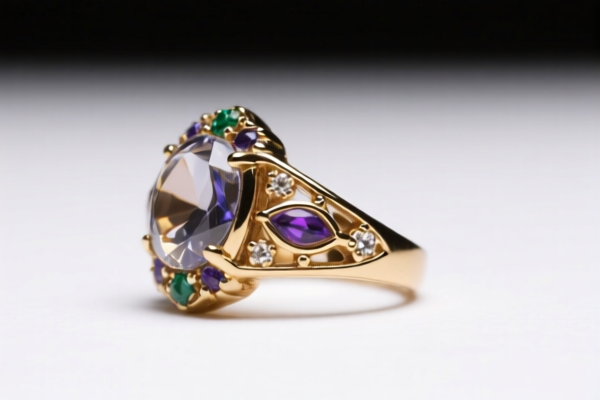
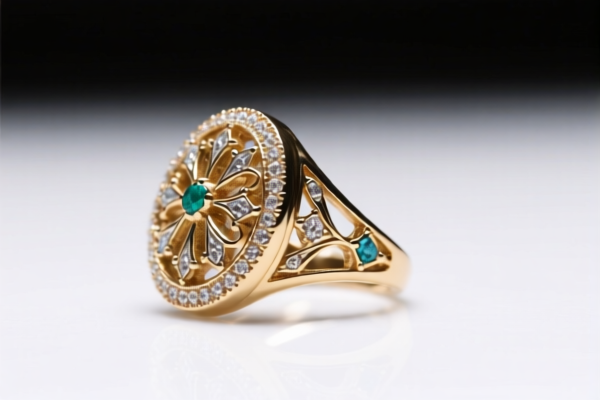
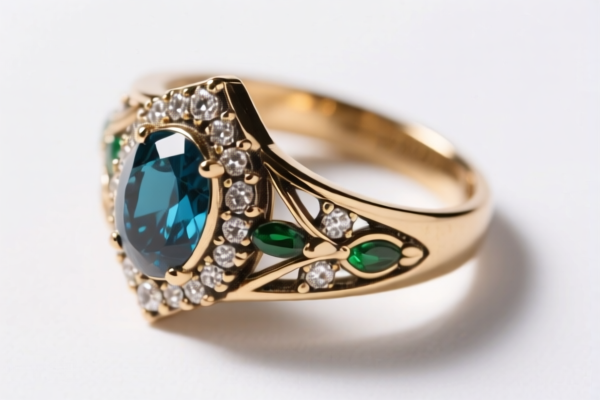
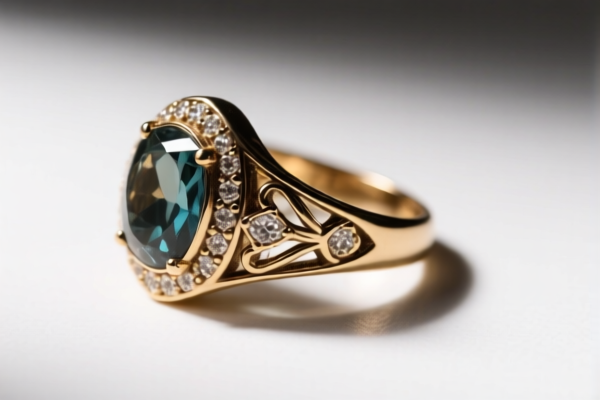
AI分析
💍 The Glowing Ring: Strategic HS Code Classification & Duty Breakdown (2026)
🌐 International Trade Classification Guide | 2026 Customs Tariff Analysis | Cross-Border Compliance Strategy
📌 One Product, Three Classifications: Why the "Glowing Ring" is a Classification Nightmare
A "Glowing Ring" sounds simple, but in international customs, context is king. The material composition and intended function drastically alter its HS Code, leading to wildly different tax liabilities. Below is the authoritative breakdown based on the provided data, explaining why each code applies and how the taxes are calculated.
⚠️ Critical Insight:
The term "Glowing" does not automatically classify the item as electronics.
- Is it jewelry that emits light?
- Is it a carving material (like amber or bone) that glows under UV?
- Is it precious metal jewelry with embedded lights?
Each scenario triggers a different HS Code and tax bracket.
📦 II. HS Code Classification Details & Tax Logic
| HS Code | Product Description | Why This Classification? | Total Tax Rate |
|---|---|---|---|
| 7117.90.90.00 | Imitation Jewelry (Non-precious metal) | The ring is inferred as imitation jewelry made of non-precious metals or base materials. The "glowing" feature is likely due to simple inlays (e.g., phosphorescent paint, plastic) rather than electronic circuits or precious metals. | 28.5% |
| 9601.90.80.00 | Carved Animal Material & Articles | The item is inferred to be made from carved animal materials (e.g., bone, horn, ivory substitutes). The "glowing" aspect might be natural fluorescence (like amber) or surface treatment. It falls under "other worked animal material." | 21.2% |
| 7113.19.50.91 | Jewelry of Precious Metal | The item is inferred to be gold or other precious metal jewelry. Even if it has a "glowing" feature (e.g., enamel, inlay), the primary value driver is the precious metal content. | 23.0% |
💰 III. 2026 Tariff Breakdown: The "Hidden" Costs
✅ Applicable Jurisdiction: United States (US)
✅ Origin: China (CN)
✅ Effective Date: Current tariff regime includes Section 301 (122-Clause) and IEEPA surcharges.
🎯 1. Classification: 7117.90.90.00 (Imitation Jewelry)
The Most Common Trap for Cheap "LED Rings"
| Component | Rate | Explanation |
|---|---|---|
| Basic Tariff | 11.0% | Standard MFN rate for imitation jewelry. |
| Section 301 (122-Clause) | 7.5% | Additional tariff for Chinese-origin goods under specific trade enforcement actions. |
| IEEPA Surcharge | 10.0% | Presidential proclamation surcharge on Chinese imports (often referred to as the "122 Clause" in specific contexts or combined with other Section 301 lists). |
| 🔥 TOTAL TAX | 28.5% | High Cost. This is the standard rate for non-precious, non-electronic costume jewelry. |
📌 Why this classification?
If the ring is made of zinc alloy, plastic, or stainless steel with a battery-operated LED or phosphorescent coating, it is not considered "electrical" (Chapter 85) but rather jewelry (Chapter 71). The "glow" is a cosmetic feature, not the primary function.
🎯 2. Classification: 9601.90.80.00 (Carved Animal Material)
The Niche Case for Natural/Glowing Organic Materials
| Component | Rate | Explanation |
|---|---|---|
| Basic Tariff | 3.7% | Low base rate for worked animal materials. |
| Section 301 (122-Clause) | 7.5% | Additional tariff for Chinese-origin goods. |
| IEEPA Surcharge | 10.0% | Presidential proclamation surcharge. |
| 🔥 TOTAL TAX | 21.2% | Lower Cost. If the product is legitimately carved bone, horn, or amber that glows naturally or with treatment, this is the most tax-efficient route. |
📌 Why this classification?
This applies ONLY if the primary material is animal-based (e.g., a carved tusk or bone ring). If the item is synthetic plastic pretending to be ivory, customs may reclassify it to imitation jewelry (7117), increasing the tax to 28.5%.
🎯 3. Classification: 7113.19.50.91 (Precious Metal Jewelry)
The Premium Case for Gold/Silver Rings
| Component | Rate | Explanation |
|---|---|---|
| Basic Tariff | 5.5% | Base rate for jewelry of precious metal. |
| Section 301 (122-Clause) | 7.5% | Additional tariff for Chinese-origin goods. |
| IEEPA Surcharge | 10.0% | Presidential proclamation surcharge. |
| 🔥 TOTAL TAX | 23.0% | Mid-Range Cost. The high value of the material justifies the 5.5% base, but the 17.5% in surcharges still applies. |
📌 Why this classification?
If the ring is made of gold, silver, or platinum, it falls under Chapter 71, Heading 7113. The "glowing" element (e.g., diamond, enamel, or small gemstone) is considered part of the jewelry design, not a separate electronic component.
🛠️ IV. Customs Clearance Strategy & Risk Mitigation
✅ 1. Documentation Requirements (By Classification)
| Classification | Required Documents | Key Declaration Language |
|---|---|---|
| 7117.90.90.00 | - Product Photos - Material Composition Certificate - Functional Description |
"Imitation jewelry ring, non-precious metal, with phosphorescent inlay." |
| 9601.90.80.00 | - Material Proof (e.g., wood/bone test) - Carving Details |
"Ring carved from animal horn/bone, naturally fluorescent properties." |
| 7113.19.50.91 | - Gold/Silver Purity Certificate - Weight of Precious Metal - Design Sketch |
"Gold ring (18K), featuring glowing enamel inlay." |
✅ 2. Critical Avoidance Tips (Don't Get Stuck!)
❌ Mistake 1: Calling it an "Electrical Device"
If you declare an LED ring as an electronic gadget (e.g., 8543.70), you risk reclassification to jewelry (7117) or electronics (8517), leading to delays and audits.
Fix: Emphasize the jewelry nature (ornamental) over the functional nature (lighting).
❌ Mistake 2: Mislabeling "Plastic" as "Animal Material"
Declaring plastic rings as "carved animal material" (9601) is fraud.
Fix: If it's plastic, use 7117.90.90.00. If it's real bone/ivory substitute, provide lab reports.
❌ Mistake 3: Ignoring the "Precious Metal" Threshold
If a ring is 90% gold but has a small LED, do not try to classify it as "electronics."
Fix: Use 7113.19.50.91. The precious metal content dominates the classification.
✅ 3. Pro-Tip for Cost Optimization
🎯 Strategy:
- If your product is low-cost costume jewelry (plastic/steel), accept the 28.5% tax but ensure accurate description to avoid penalties.
- If your product is natural material (bone/amber), fight for 9601.90.80.00 to save 7.3% vs. imitation jewelry.
- If your product is precious metal, the 23.0% rate is unavoidable, but you can leverage De Minimis (if under $800) for small shipments (check current rules).
📌 V. Final Verdict: Which HS Code Should You Choose?
| Product Type | Recommended HS Code | Total Tax | Risk Level |
|---|---|---|---|
| Cheap LED Ring (Plastic/Zinc Alloy) | 7117.90.90.00 |
28.5% | 🟢 Low (Standard) |
| Carved Bone/Horn Ring | 9601.90.80.00 |
21.2% | 🟡 Medium (Requires Proof) |
| Gold/Silver Ring | 7113.19.50.91 |
23.0% | 🟢 Low (Standard) |
🚨 Warning:
Customs will inspect! If you declare a plastic ring as "animal material" to save taxes, you will face seizure and fines.
Always match the material composition to the HS Code.
🎯 VI. Conclusion: Precision Pays Off
🎯 Key Takeaway:
"The glow doesn't change the metal, but it changes the tax!"
- Non-precious: 28.5%
- Animal Material: 21.2%
- Precious Metal: 23.0%
📌 Action Plan:
1. Identify the primary material (Metal vs. Plastic vs. Bone).
2. Select the corresponding HS Code from above.
3. Document with photos and material certs.
4. Declare accurately to avoid customs holds.
✨ Professional Customs Broker Tip:
Always request an Advance Ruling from US Customs (CBP) if you are shipping high volumes. A pre-approved HS Code can save you thousands in penalties and delays.
📣 Ready to Ship?
📞 Consult a Licensed Customs Broker
📄 Prepare Your Material Safety Data Sheets (MSDS)
🚀 Clear Your Goods Smoothly and Profitably!
💼 Accurate Classification = Predictable Costs.
🌟 Your Global Trade Partner Starts Here.
用户评价
关于 HS 编码归类
协调制度(HS)是由世界海关组织(WCO)制定的国际贸易商品分类标准。全球 200 多个国家采用 HS 系统作为海关关税、贸易统计和进出口监管的基础。
每个 HS 编码遵循以下层级结构:
- 章(2 位)——商品大类(例如:第 84 章:机器和机械设备)
- 品目(4 位)——章内的更具体分类
- 子目(6 位)——国际通用细分,所有 WCO 成员国统一使用
- 本国细分(8-10 位)——各国自行扩展的细分编码,如美国 HTSUS 10 位编码
正确的 HS 编码归类对于顺利通关、准确缴纳关税和遵守贸易法规至关重要。错误归类可能导致海关延误、多缴关税或罚款。
从CN进口到US时,适用的关税税率可能包括:
- 最惠国(MFN)税率——适用于 WTO 成员国的标准关税税率
- 普通税率——适用于无贸易协定国家
- 贸易救济关税——附加关税,如 301 条款(反倾销)、232 条款(国家安全)或反补贴税
本页内容仅供参考。如需正式归类,请咨询当地海关或持牌报关代理。