Graduated Cylinder
CN → US| HS编码 | 关税税率 | 原产国 | 目的国 | 文档 |
|---|---|---|---|---|
| 3926909910 | 22.8% | CN | US | 官方文档 |
| 7010000000 | 0.0% | CN | US | 官方文档 |
| 7017200000 | 41.7% | CN | US | 官方文档 |
| 7017905000 | 41.7% | CN | US | 官方文档 |
| 9017900132 | 0.0% | CN | US | 官方文档 |
| 9017900115 | 0.0% | CN | US | 官方文档 |
| 9023000000 | 17.5% | CN | US | 官方文档 |
| 9022190000 | 35.0% | CN | US | 官方文档 |
商品图片
AI分析
🧪 The Graduated Cylinder: Precision, Perils, and the 7.5%–31.7% Tax Trap
🌐 HS Code Reference & Customs Clearance Guide | 2026 Latest Tariff Analysis | Professional Compliance Strategy
📌 I. Product Definition & Classification: What Exactly Is a "Graduated Cylinder"?
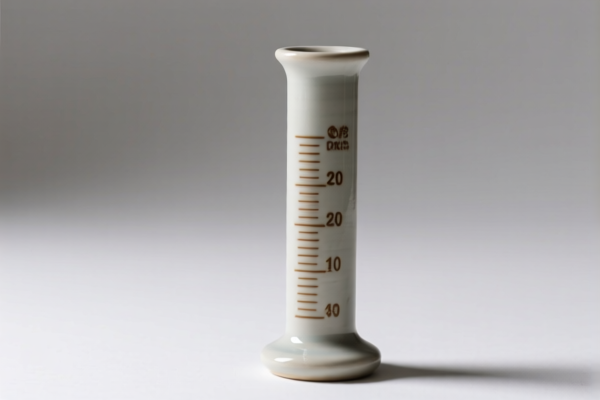
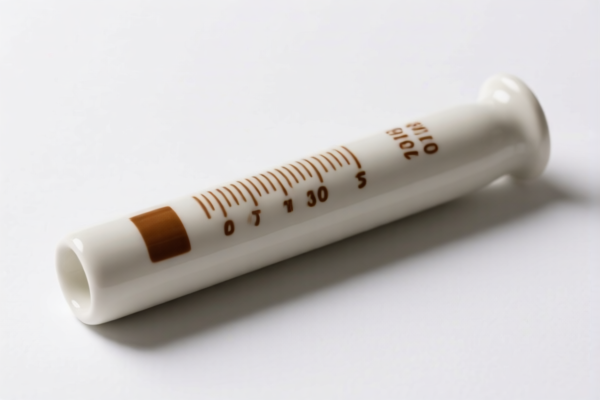
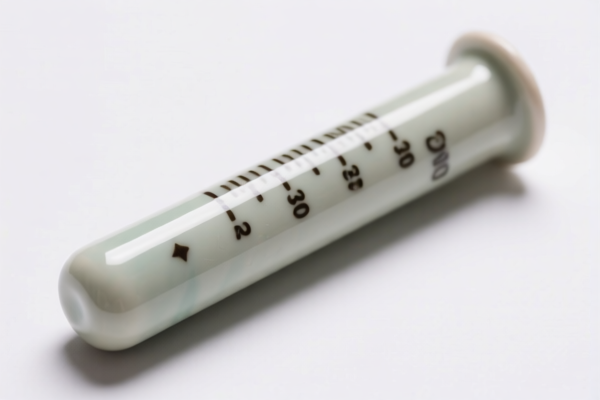
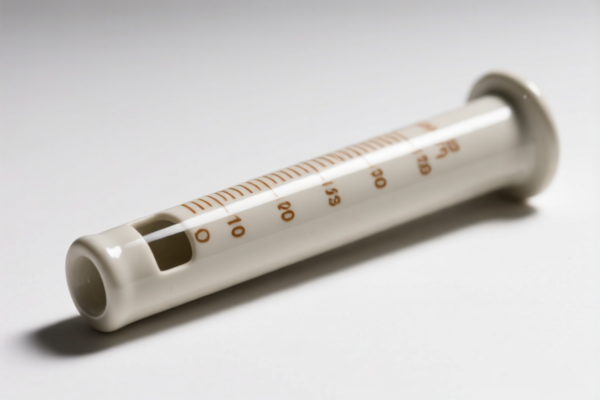
The Graduated Cylinder is a staple in every chemistry lab, pharmaceutical testing facility, and educational exhibition. It is a simple piece of glassware used to measure the volume of liquids with reasonable precision. However, in international trade, not all cylinders are created equal. Their classification depends entirely on material, purpose, and design.
⚠️ Critical Distinction:
- Educational/Exhibition Models: Designed only for demonstration, unsuitable for actual chemical analysis → HS 9023.00
- Functional Laboratory Glassware: Used for actual chemical analysis/testing → HS 7017.20 / 7017.90 or HS 9022.19
- Plastic Laboratory Ware: Non-glass alternatives → HS 3926.90
📦 II. HS Code Classification Matrix (2026 Official Tariff Data)
Based on the provided dataset, here is the authoritative breakdown of HS Codes for Graduated Cylinders and related labware:
| HS Code | Product Description | Material/Purpose | Key Differentiator |
|---|---|---|---|
| 9023.00.00.00 | Instruments, apparatus, and models designed for demonstrational purposes (e.g., education, exhibitions), unsuitable for other uses | Plastic/Glass (Demo only) | NOT for actual chemical analysis. Must be clearly marked as "Educational/Exhibition Only." |
| 9022.19.00.00 | Laboratory glassware, including graduated cylinders, for chemical analysis or testing, not elsewhere specified | Glass | Used for actual testing. High tariff risk (25% add-on). |
| 7017.20.00.00 | Laboratory, hygienic, or pharmaceutical glassware; linear coefficient of expansion ≤ 5 x 10⁻⁶ K⁻¹ (0°C to 300°C) | Low-Expansion Glass (e.g., Borosilicate) | Zero tariff (0%). Must meet strict thermal expansion standards. |
| 7017.90.50.00 | Laboratory, hygienic, or pharmaceutical glassware; Other: Other | Standard Glass (High expansion) | High tariff risk (31.7% total). Default for most regular lab glass. |
| 3926.90.99.10 | Other articles of plastics... Other Laboratory Ware | Plastic | Zero tariff (0%). Ideal for educational/demo use to avoid high glass tariffs. |
| 7010.00.00.00 | Glassware of a kind used for laboratory, chemical, or medical purposes (N.E.S.) | Glass | Error Status: Tax info failed to retrieve. Use with caution. |
🔍 Key Insight:
- If your cylinder is plastic or for demonstration only, you can achieve 0% total tax.
- If it’s functional glass for chemical analysis, expect 25%–31.7% total tax.
- Low-expansion glass (borosilicate) used for lab purposes gets 0% if classified under 7017.20, but this is rare and strictly regulated.
💰 III. 2026 Tariff Rate Breakdown (Detailed Tax Analysis)
✅ Jurisdiction: Likely China-US or Global Trade Context (Based on "Additional Tariff" terminology)
✅ Focus: Graduated Cylinders & Lab Glassware
🎯 1. 9023.00.00.00 — Demonstrational Models (Education/Exhibition)
| Item | Detail |
|---|---|
| Base Tariff | 0.0% |
| Additional Tariff | 7.5% |
| Total Tax | 7.5% |
| Tax Calculation | CIF Value × 7.5% |
| Legal Basis | Goods designed solely for demonstration, unsuitable for actual use. |
📌 Explanation:
- This is the safest route for educational suppliers.
- Condition: The product must not be suitable for real chemical analysis. Markings like "For Educational Use Only" are mandatory.
- Note: If customs determines it can be used for analysis, they may reclassify it to 9022.19 (25% add-on) or 7017 (up to 31.7%).
🎯 2. 9022.19.00.00 — Functional Lab Glassware (Chemical Analysis)
| Item | Detail |
|---|---|
| Base Tariff | 0.0% |
| Additional Tariff | 25.0% |
| Total Tax | 25.0% |
| Tax Calculation | CIF Value × 25.0% |
| Legal Basis | Goods intended for actual chemical analysis or testing. |
📌 Explanation:
- High tariff due to "Additional Tariff" (likely Section 301 or similar trade measures).
- Risk: High. Customs will scrutinize intent. If you claim it’s for "lab use," you pay 25%.
🎯 3. 7017.20.00.00 — Low-Expansion Lab Glassware
| Item | Detail |
|---|---|
| Base Tariff | 0.0% |
| Additional Tariff | 0.0% |
| Total Tax | 0.0% |
| Tax Calculation | None |
| Legal Basis | Glass with linear coefficient of expansion ≤ 5 x 10⁻⁶ K⁻¹ (0°C–300°C). |
📌 Explanation:
- Best case for glass! But strictly limited to low-expansion glass (e.g., high-quality borosilicate).
- Must provide technical data proving expansion coefficient.
- Rare: Most standard lab glass does not meet this specific thermal criterion for this subheading.
🎯 4. 7017.90.50.00 — Other Laboratory Glassware
| Item | Detail |
|---|---|
| Base Tariff | 6.7% |
| Additional Tariff | 25.0% |
| Total Tax | 31.7% |
| Tax Calculation | CIF Value × 31.7% |
| Legal Basis | Standard glass labware not meeting 7017.20 criteria. |
📌 Explanation:
- Worst case for functional glass.
- Applies to most regular laboratory beakers, cylinders, and flasks.
- Recommendation: Avoid this classification if possible. Switch to plastic or demo models.
🎯 5. 3926.90.99.10 — Plastic Laboratory Ware
| Item | Detail |
|---|---|
| Base Tariff | 0.0% |
| Additional Tariff | 0.0% |
| Total Tax | 0.0% |
| Tax Calculation | None |
| Legal Basis | Plastic lab ware. |
📌 Explanation:
- Best option for commercial lab ware if plastic is acceptable.
- No tax, no additional tariff.
- Limitation: Not suitable for high-heat or corrosive chemical applications where glass is required.
🛠️ IV. Customs Clearance Practical Advice (Avoiding Pitfalls)
✅ 1. Documentation Checklist (Mandatory)
| Document | Requirement | Purpose |
|---|---|---|
| Product Brochure | Must clearly state "For Educational/Exhibition Use Only" | Supports HS 9023.00 classification (7.5% tax) |
| Technical Spec Sheet | Show expansion coefficient ≤ 5 x 10⁻⁶ K⁻¹ | Supports HS 7017.20 classification (0% tax) if claiming low-expansion glass |
| Material Certificate | Prove plastic composition (if plastic) | Supports HS 3926.90 classification (0% tax) |
| Commercial Invoice | Description must match HS code intent (e.g., "Demo Cylinder" vs. "Lab Cylinder") | Prevents reclassification by customs |
| Packaging Photos | Show "Educational Use Only" labeling | Evidence of non-functional design |
✅ 2. Classification Strategy (The "Zero-Tax" Hack)
🔥 Rule of Thumb:
- If the customer is a school/exhibition: Declare as 9023.00.00.00 (7.5% tax).
- If the customer is a lab requiring plastic: Declare as 3926.90.99.10 (0% tax).
- If the customer is a lab requiring glass: Prepare for 31.7% tax (7017.90.50.00) or 25% tax (9022.19.00.00).
- Avoid: 7010.00.00.00 due to "Error" status in tax retrieval.
✅ 3. Red Flags & Customs Triggers
| Scenario | Risk | Action |
|---|---|---|
| Glass Cylinder in a Lab Box | HIGH | Customs will suspect functional use. Provide proof of "Demo-only" status. |
| Plastic Cylinder Labeled "Lab Grade" | MEDIUM | May be reclassified to glass-like status. Ensure description says "Plastic Lab Ware." |
| Missing Expansion Data | HIGH | If claiming 7017.20 (0% tax), provide technical report. Otherwise, default to 31.7%. |
| Vague Description "Glassware" | CRITICAL | Customs will apply highest possible duty. Use specific HS descriptions. |
🌍 V. Global Market Comparison (2026)
| Market | Recommended HS Code | Total Tax (China Origin) | Notes |
|---|---|---|---|
| 🇺🇸 USA | 9023.00.00.00 (Demo) | 7.5% | Best for educational exports. |
| 🇺🇸 USA | 7017.90.50.00 (Lab Glass) | 31.7% | High barrier for functional lab glass. |
| 🇪🇺 EU | 7017.20.00.00 (Low-Exp Glass) | 0% | Favorable for high-quality borosilicate. |
| 🇨🇳 China | 7017.90.50.00 (Lab Glass) | ~6.7% | Lower additional tariffs compared to US. |
📌 Conclusion:
- Exporting to the US? Prioritize plastic or demo models to avoid 25%–31.7% tariffs.
- Exporting to EU? Low-expansion glass (7017.20) is tax-free.
- Always provide technical documentation to support your HS code claim.
📌 VI. Common Mistakes & Pitfalls (Blood Lessons)
❌ Mistake 1: Labeling a functional glass cylinder as "Educational Demo"
👉 Result: Customs rejects claim, reclassifies to 7017.90.50.00, charges 31.7%.
✅ Fix: Only use "Demo" label if the product is unsuitable for real use (e.g., made of thin glass, no precision markings).
❌ Mistake 2: Ignoring the expansion coefficient for glass
👉 Result: Cannot claim 7017.20 (0% tax), defaults to 31.7%.
✅ Fix: Provide a lab test report showing expansion ≤ 5 x 10⁻⁶ K⁻¹.
❌ Mistake 3: Using "Glassware" as a generic description
👉 Result: Customs assigns highest default duty.
✅ Fix: Use precise descriptions: "Plastic Graduated Cylinder, Non-Lab Use" or "Borosilicate Glass Cylinder for Chemical Analysis."
🎯 VII. Conclusion: Smart Classification Saves Money!
🎯 Key Takeaways:
🔹 Plastic or Demo? → 0%–7.5% Tax
🔹 Functional Glass? → 25%–31.7% Tax
🔹 Low-Expansion Glass? → 0% Tax (But Hard to Prove)🔹 "HS Code is King: Classify correctly, or pay the penalty!"
📌 Pro Tip:
If exporting to the US, consider switching to plastic (3926.90.99.10) for lab clients who don’t need high heat resistance. It’s 0% tax and avoids the glass tariff trap.
📣 Immediate Action:
📞 Contact a customs broker to pre-classify your product.
📄 Prepare technical specs and material certificates in advance.
🚀 Clear your goods faster, pay less, and grow your business!
✨ Precision in Classification, Profit in Trade!
💼 Every percentage point matters!
用户评价
关于 HS 编码归类
协调制度(HS)是由世界海关组织(WCO)制定的国际贸易商品分类标准。全球 200 多个国家采用 HS 系统作为海关关税、贸易统计和进出口监管的基础。
每个 HS 编码遵循以下层级结构:
- 章(2 位)——商品大类(例如:第 84 章:机器和机械设备)
- 品目(4 位)——章内的更具体分类
- 子目(6 位)——国际通用细分,所有 WCO 成员国统一使用
- 本国细分(8-10 位)——各国自行扩展的细分编码,如美国 HTSUS 10 位编码
正确的 HS 编码归类对于顺利通关、准确缴纳关税和遵守贸易法规至关重要。错误归类可能导致海关延误、多缴关税或罚款。
从CN进口到US时,适用的关税税率可能包括:
- 最惠国(MFN)税率——适用于 WTO 成员国的标准关税税率
- 普通税率——适用于无贸易协定国家
- 贸易救济关税——附加关税,如 301 条款(反倾销)、232 条款(国家安全)或反补贴税
本页内容仅供参考。如需正式归类,请咨询当地海关或持牌报关代理。